
In the packaging and printing shop, a foil slitting machine is running at a speed of 200 meters per minute, and the metal foil belt passes smoothly through the tool system like liquid gold. Suddenly, an abnormal parameter popped up on the monitoring screen - the tension fluctuated by 0.5%. The operator has not yet noticed any problems, and the machine has automatically adjusted to compensate, avoiding the waste of materials worth tens of thousands of yuan. This tiny moment reveals the essence of the reliability design of modern hot stamping foil slitting machines: anticipating and addressing problems before they occur.
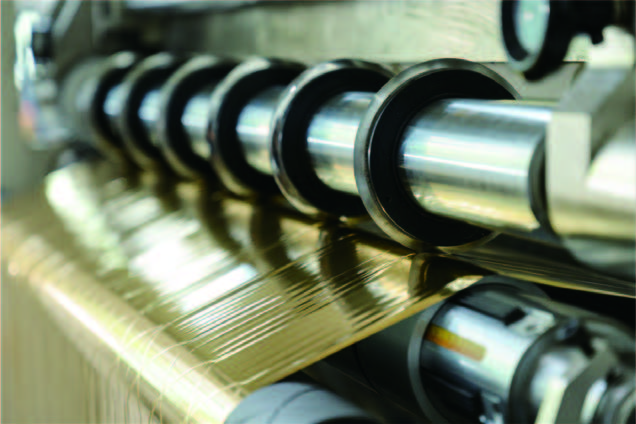
Millimeter-level precision for tension control: the first line of defense for reliability
The thickness of hot stamping foil can be as thin as 12 microns, which is only one-sixth the diameter of a human hair. Operating at this extreme thinness, tension control becomes the lifeline of reliability. While traditional slitting machines rely on mechanical dampers, the new generation of equipment adopts a full closed-loop tension control system, which achieves a tension stability of ± 0.5% through the linkage of multi-stage independently controlled magnetic particle brakes and high-sensitivity tension sensors.
Even more sophisticated is the adaptive tension algorithm, which calculates the optimal tension curve in real time based on the change in foil diameter. When the coil diameter is reduced from the initial 600 mm to the 76 mm mandrel, the system does not simply reduce the tension linearly, but follows a precisely calculated exponential curve to avoid compression deformation of the inner layer. This intelligent cycle of "perception-calculation-adjustment" reduces the foil breakage rate from the industry average of 1.2 times per 10,000 meters to less than 0.1 times.
The nanoscale evolution of tool systems: from consumables to longevity cores
The blade life of the slitting machine was once a pain point in the industry, and it needed to be replaced every 200 kilometers cut. Today's tool systems have revolutionized this with a three-dimensional design philosophy.
The combination of upper and bottom knives is no longer satisfied with traditional angle matching, but introduces the concept of "microscopic surface complementarity". By simulating the stress distribution of the foil during cutting through finite element analysis, engineers designed a unique edge micro-arc that changed the cutting process from "squeeze tearing" to "guided separation", increasing tool life by 300%. More importantly, the tool holder's thermal balance design maintains the blade temperature in the optimized range of 25±2°C even after 72 hours of continuous operation through the built-in circulating cooling channel and temperature compensation module.
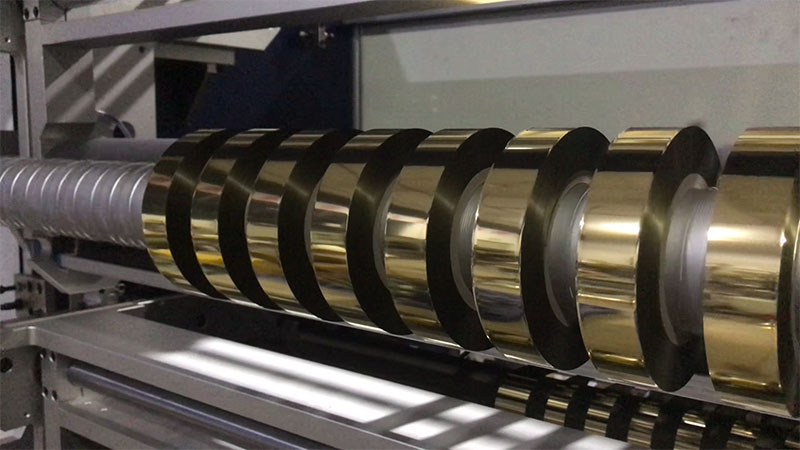
The Hidden Science of Vibration Suppression: Eliminating the Invisible Reliability Killer
The tiny vibrations generated by the slitting machine when running at high speed are the invisible killer of accuracy. The latest design adopts an "active vibration suppression system" with piezoelectric acceleration sensors placed at key locations of the equipment to monitor the vibration spectrum in real time. When a resonance precursor of a specific frequency is detected, the system adjusts the active damper stiffness at different positions to change the vibration mode of the whole machine and control the amplitude within 50 microns.
The most ingenious application of this technique is during the reel change. Conventional equipment generates vibrations that last for several seconds when accelerating to operating speed, but now the machine reaches full speed "gently" through a preset acceleration curve that allows the machine to reach full speed "gently" and avoid impact damage to delicate components.
Intelligent early warning: from regular maintenance to predictive intervention
The highest level of reliability design is to give the machine "self-knowledge". The health management system on the modern slitting machine can predict more than 92% of potential failures by analyzing real-time data from more than 500 sensors.
For example, by monitoring the changes in the voiceprint characteristics of the main drive bearing, the system can issue a replacement warning 150 hours before it appears to be a detectable anomaly. By analyzing the pressure fluctuation patterns of the hydraulic system, it is possible to identify the aging trend of seals in advance. These predictive capabilities are not simple threshold alarms, but are based on machine learning models' deep understanding of device "behavior patterns."
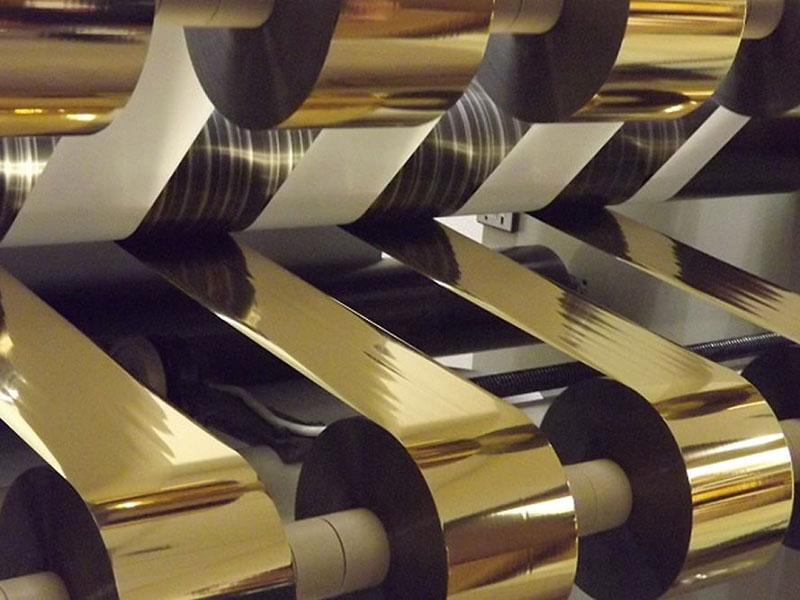
Modular architecture: a revolution in maintainability design
When equipment requires maintenance, traditional slitting machines can take hours to disassemble. The modular design changes this situation, and key functional units such as tension control modules, tool modules, and correction modules are designed with quick interfaces, reducing replacement time by 70%. Even more commendable is the "tool-free maintenance" concept, which eliminates the need for any special tools for most routine maintenance operations, significantly reducing the reliance on the expertise of technicians and improving the overall availability of the equipment.
Invisible contribution to materials science
The basis of equipment reliability is often hidden in the choice of materials. In modern slitting machines, the surface of the roller in contact with the foil is coated with a special ceramic coating, with a hardness of more than HRC85 and wear resistance 8 times that of the traditional chrome plated surface. The key structural parts are made of aviation-grade aluminum alloy, which reduces the weight by 35% and increases the stiffness by 20% through topological optimization design. The transmission components are made of self-lubricating composite materials for 10,000 hours of maintenance-free operation.
In a large packaging enterprise in Zhejiang, the slitting machine that has been fully upgraded for 18 months does not need to be overhauled, the comprehensive efficiency of the equipment has increased from 68% to 92%, and the product defect rate has dropped to 0.3 per 10,000. Behind these numbers is the ultimate pursuit of every design detail.
The road to improving the reliability of hot stamping foil slitting machine is actually a microcosm of China's manufacturing industry from "usable" to "easy to use" to "excellent". It's no longer just a tool for cutting materials, but a complex system that blends precision mechanics, intelligent control, materials science, and data analysis. In this process, the core shift is the design philosophy change from "solving problems" to "preventing problems" - the best fault handling is to make failures have no chance at all.
With the integration of new technologies such as digital twins and artificial intelligence prediction, the future slitting machine will not only be a production equipment but also an intelligent entity that continues to evolve. When machines learn to understand material properties, adapt to environmental changes, and optimize their performance, reliability will no longer be a static indicator, but a symbol of vitality for the mutual growth of equipment and production processes.
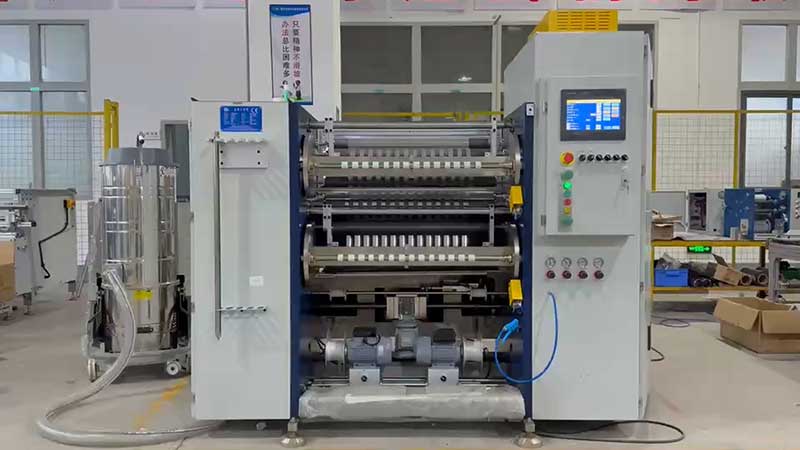 Common Problems with Hot Stamping Foil Slitting Machines and How to Solve Them
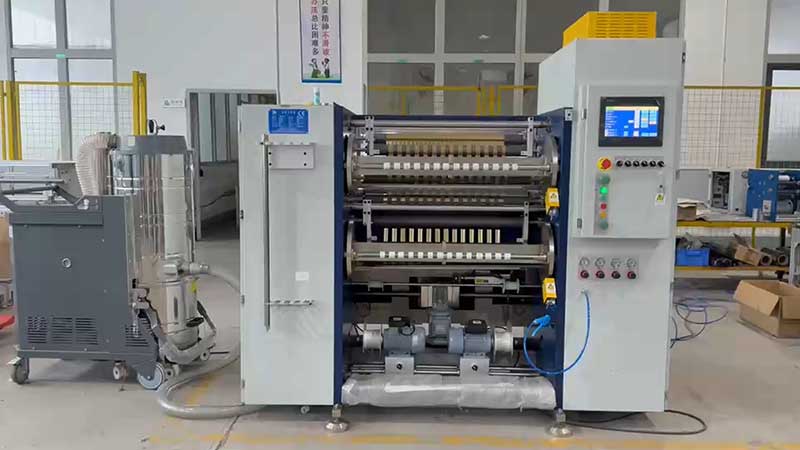 What Specifications Should You Look for in a Hot Stamping Foil Slitting Machine?
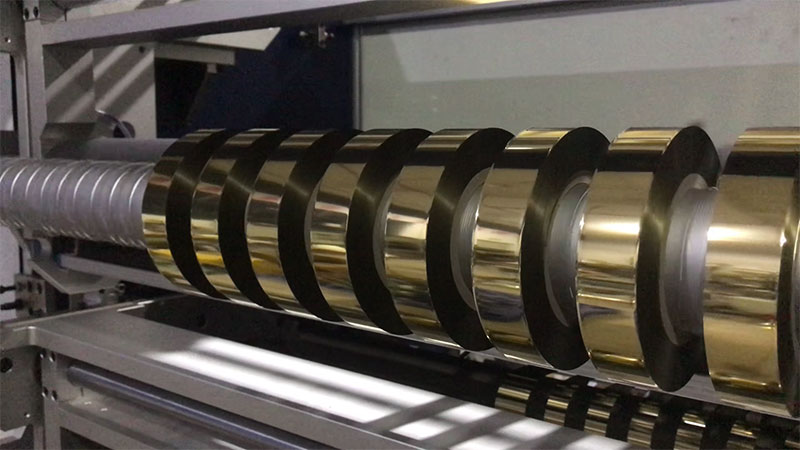 Hot Stamping Foil Slitting Machine Selection Guide: Tension Control Is Key
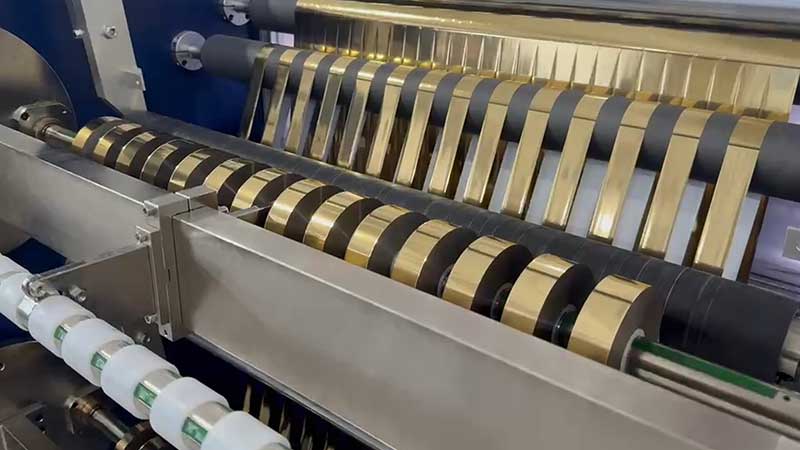 How to choose a hot stamping foil slitting machine? Let's first look at these three parameters
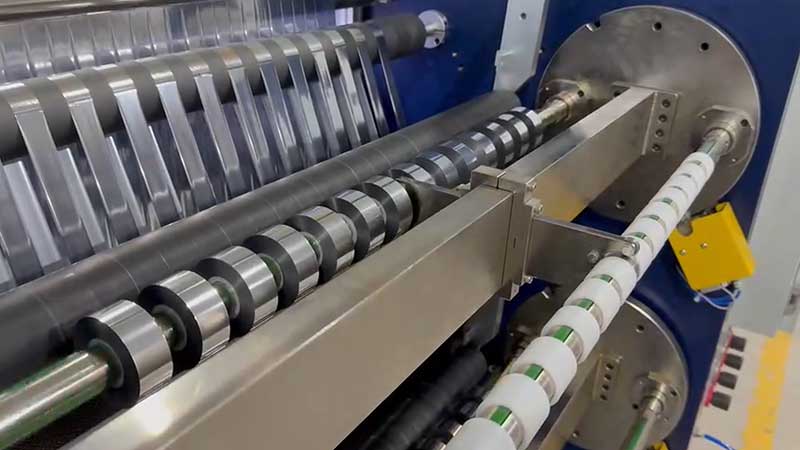 Selection of hot stamping foil slitting machines: how to match width and speed


 English
 Deutsch
 Français
 Español
 Português
 日本語
日本語 русский
 한국어
한국어 عربي
عربي ภาษาไทย
 Tiếng Việt
 Italiano
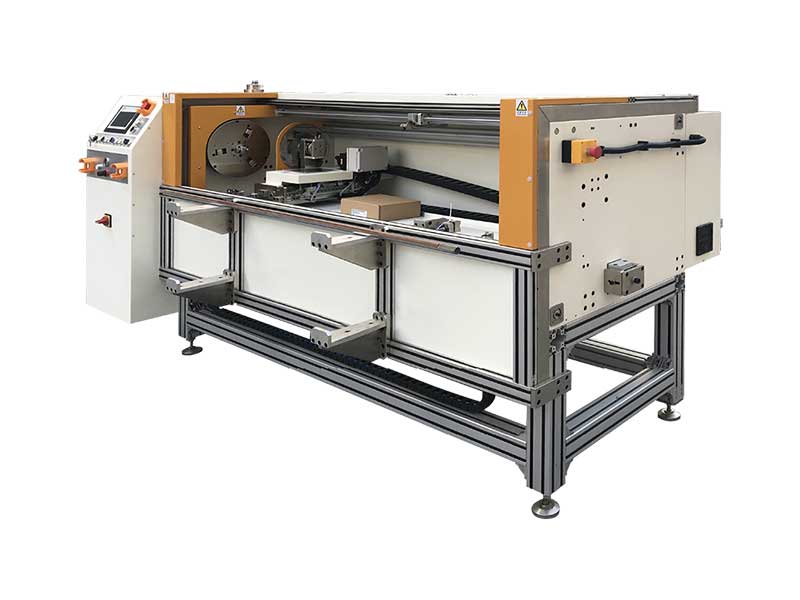 Automatic Foil Roll Cutting Machine
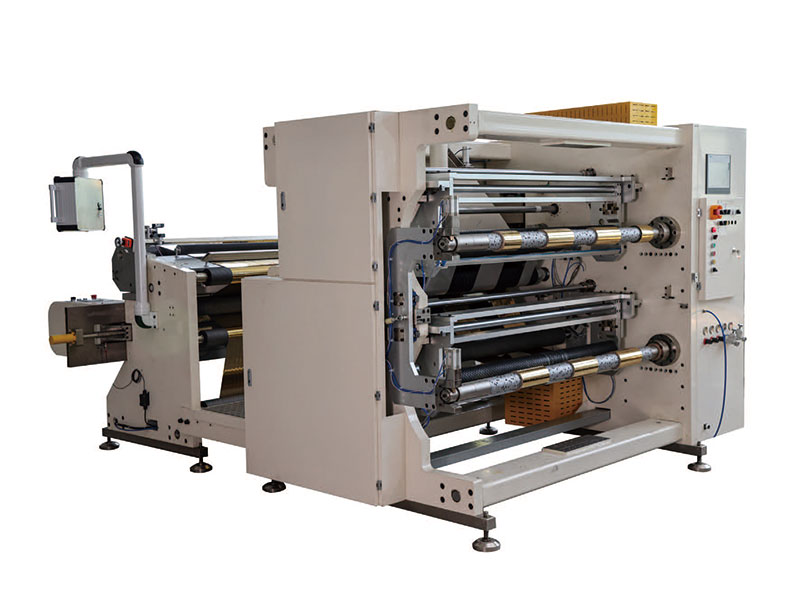 1400mm Hot Stamping Foil Slitting Machine
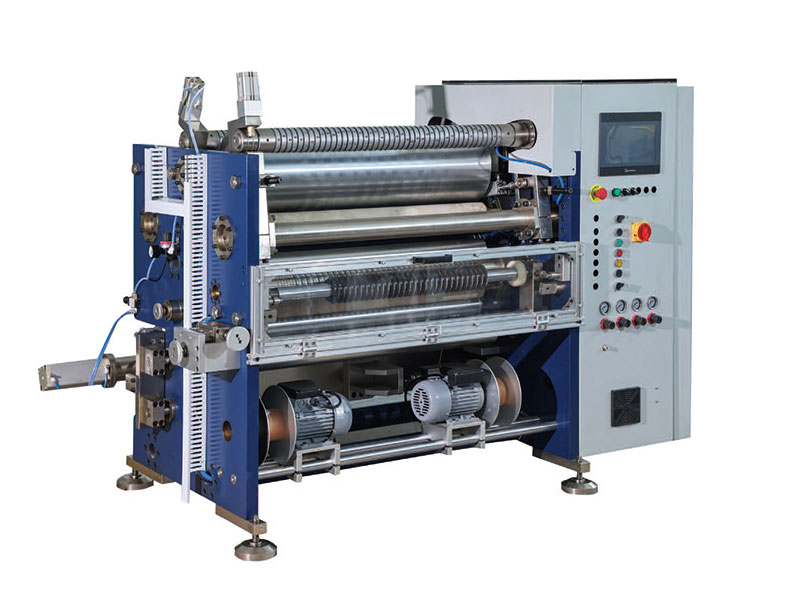 800mm Hot Stamping Foil Slitting Machine
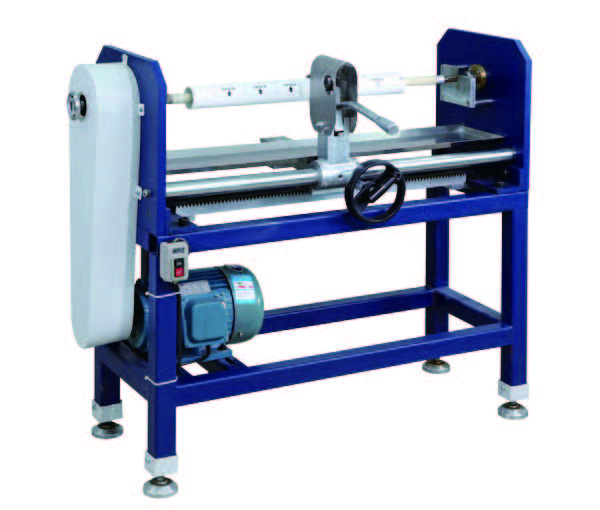 Manual Foil Roll Cutting Machine