
In label printing, packaging and other industries, ribbon slitting machine is one of the important equipment in the production process. For many enterprises, the convenience of equipment operation is directly related to production efficiency and labor costs. So, is the actual operation of the ribbon slitting machine complicated? Are the convenient features offered by modern models really practical? This article will provide you with a comprehensive analysis through practical application evaluation.
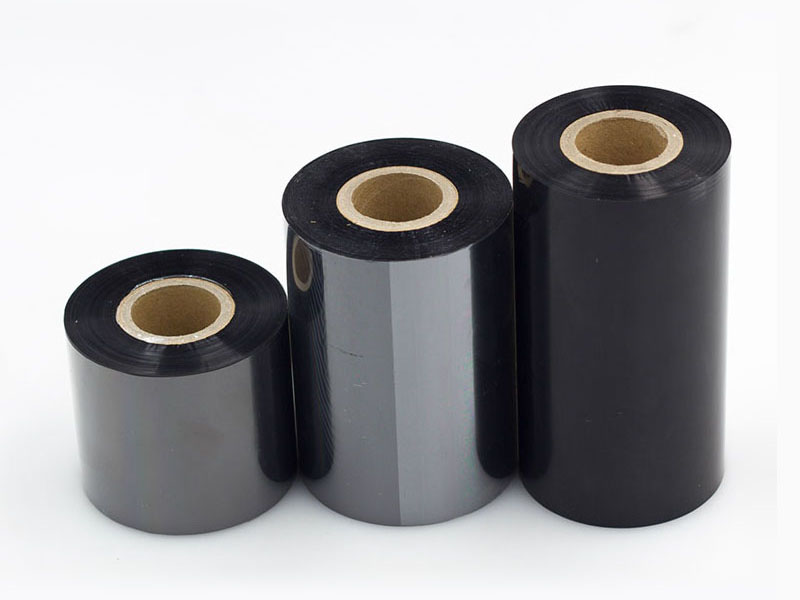
1. Traditional operation mode: complexity analysis
Traditional ribbon slitting machines usually require more manual intervention, and the operation process includes:
1. Manual feeding: The operator needs to manually install the large ribbon on the reel unloading, which requires a certain amount of physical strength and skill, especially for wide or heavy ribbon coils.
2. Manual tool setting: Adjusting the position of the slitting knife completely depends on the operator's experience and visual observation, which requires repeated trial cutting and measurement, which is time-consuming and easy to generate waste.
3. Parameter setting: Set parameters such as slitting length and tension through mechanical knobs or basic digital panels, and the interface is not intuitive enough.
4. Process monitoring: Operators need to continuously observe the slitting process and deal with issues such as broken belts and offsets in a timely manner.
These steps require a high level of experience from the operator, novices often require weeks of training to operate independently, and productivity is greatly affected by human factors.
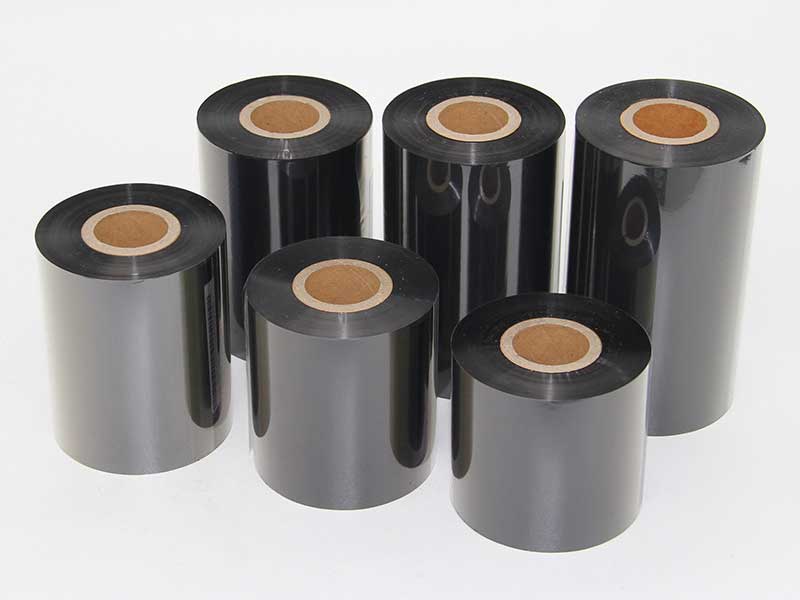
2. Modern and convenient functions are measured
With the development of automation technology, the new ribbon slitting machine integrates a variety of convenient functions, and we have selected the mainstream models in the market for practical application evaluation:
1. Automatic strapping system
• Measured performance: Models equipped with this function can automatically guide the path of the ribbon from unwinding to winding. In testing, this feature reduced the manual strapping process that used to take 5-8 minutes to complete in less than 30 seconds, and avoided the initial waste caused by improper strapping.
• Operational simplicity: ★★★★★
2. Touch screen and preset process library
• Measured performance: The 10-inch color touch screen interface is intuitive, with built-in slitting parameter presets for dozens of common ribbon materials. The operator only needs to select the ribbon type and target width, and the machine automatically calls up the optimal parameters. In the actual test, when changing products of different specifications, the setup time was reduced from the original average of 15 minutes to 2 minutes.
• Operational simplicity: ★★★★ ☆
3. Automatic tool setting and visual positioning system
• Measured performance: The CCD vision system automatically identifies the edge of the ribbon and the marking line to achieve automatic and precise positioning of the tool. Tests have shown that the system compresses the 15-20 minutes (including trial cut adjustment) required by traditional tool setting to 3 minutes, with an accuracy of within ±0.1mm.
• Operational simplicity: ★★★★★
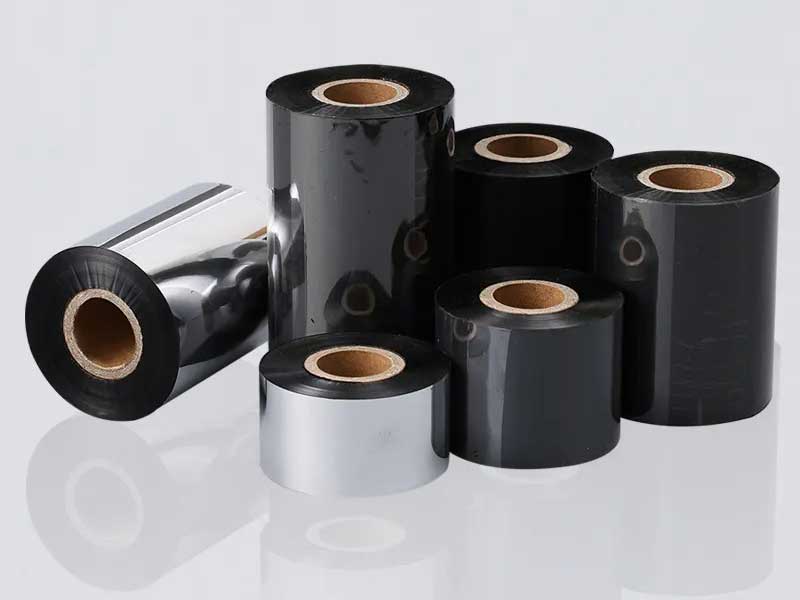
4. Automatic tension control
• Measured performance: Closed-loop tension control system is used to monitor and adjust tension changes during the slitting process in real time. In the continuous 8-hour test, the tension fluctuation at different diameter stages was controlled within ±5% of the set value, which significantly reduced the problems of uneven edges and fractures caused by uneven tension.
• Operational simplicity: ★★★★ ☆
5. Intelligent diagnosis and remote assistance
• Measured performance: The device has a built-in fault diagnosis system, which can provide graphic solution guidance when abnormalities occur. Through the IoT module, technical support personnel can remotely view the status of the equipment and guide on-site operations. In the actual test, a common uneven winding problem can be solved within 5 minutes through system prompts, while the traditional method may take more than half an hour to troubleshoot.
• Operational simplicity: ★★★★★
6. Quick tool change system
• Measured performance: Modular tool holder design reduces the slitting tool replacement time from the traditional 20-30 minutes to less than 5 minutes, and does not require professional tools to adjust the tool pitch.
• Operational simplicity: ★★★★ ☆
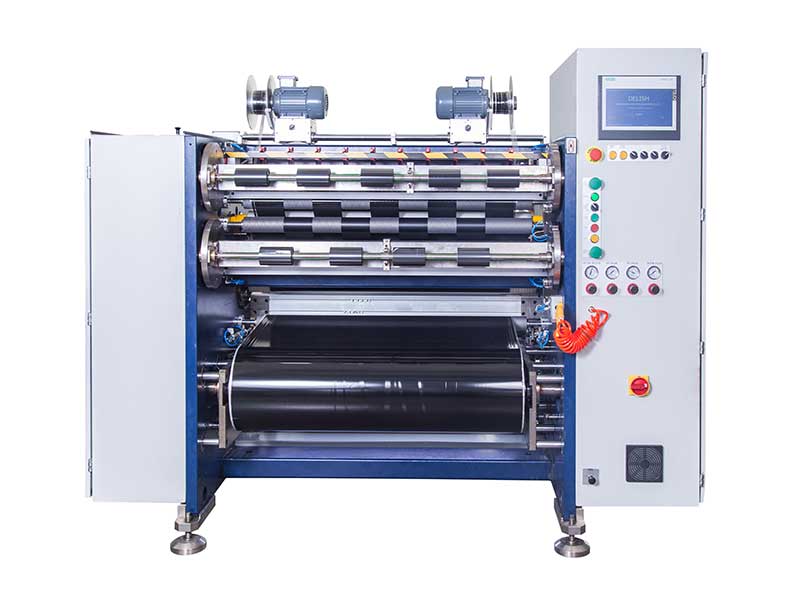
3. Feedback on actual experience of different user groups
We collected feedback from operators of all sizes:
• Large manufacturers: Models with a high degree of automation have a large upfront investment, but they significantly reduce the dependence on senior technicians, and new employees can get started after 3-5 days of training, and the production consistency is greatly improved.
• Small and medium-sized factories: Mid-range models with core convenience features such as automatic tool setting and touchscreen control are the most popular, offering a good balance between cost and efficiency.
• Master transformation: Some senior operators initially resisted the automation system, but after actual use, they generally recognized its advantages of reducing labor intensity and improving accuracy, and especially appreciated the function of saving and reusing process parameters.
4. Analysis of the actual benefits of convenience functions
1. Lowering the skill threshold: The traditional model requires the accumulation of experience by the "master" (such as knife setting, tension adjustment) can now be completed automatically by the equipment, shortening the training cycle for newcomers by more than 60%.
2. Reduced setup time: Product changeover time is reduced by an average of 70%, making it particularly suitable for small-batch, multi-variety production needs.
3. Improve material utilization: Precise control reduces trial cutting waste, increasing overall material utilization by 3-8%.
4. Reduce labor intensity: The introduction of automatic strapping, winding and other functions has changed the operation from physical to monitored.
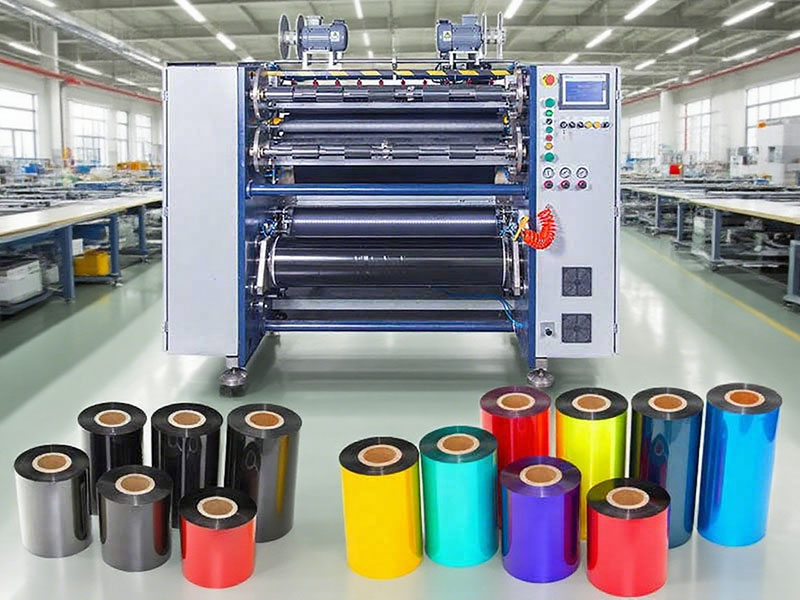
5. Selection suggestions and future trends
For enterprises planning to purchase ribbon slitting machines, it is recommended to consider according to their own situation:
• If the product types are changeable and the order batch is small, priority should be given to models with complete functions of automatic tool setting and process preset library.
• For long continuous production times, automatic tension control and intelligent diagnostics will bring significant benefits.
• For 24-hour production lines, remote monitoring and early warning functions are worth the investment.
In the future, with the further integration of artificial intelligence and machine vision technology, ribbon slitting machines will develop in the direction of "fully automatic setting, adaptive adjustment, and predictive maintenance", and the complexity of operation will be further reduced, and even "one-click production" will be realized.
Conclusion
Modern ribbon slitting machines have significantly reduced operational complexity through a range of convenient features. Although the upfront investment of high-end automation models is high, the simplification of operations, efficiency improvements, and quality improvements brought about by them are significant. For most enterprises, choosing a convenient combination of functions that suit their production needs can substantially improve production competitiveness while controlling costs. The ribbon slitting machine is changing from an experience-based "craftsman equipment" to an intelligent and easy-to-operate standard production tool, which is driving the entire logo printing industry to develop in a more efficient and lean direction.
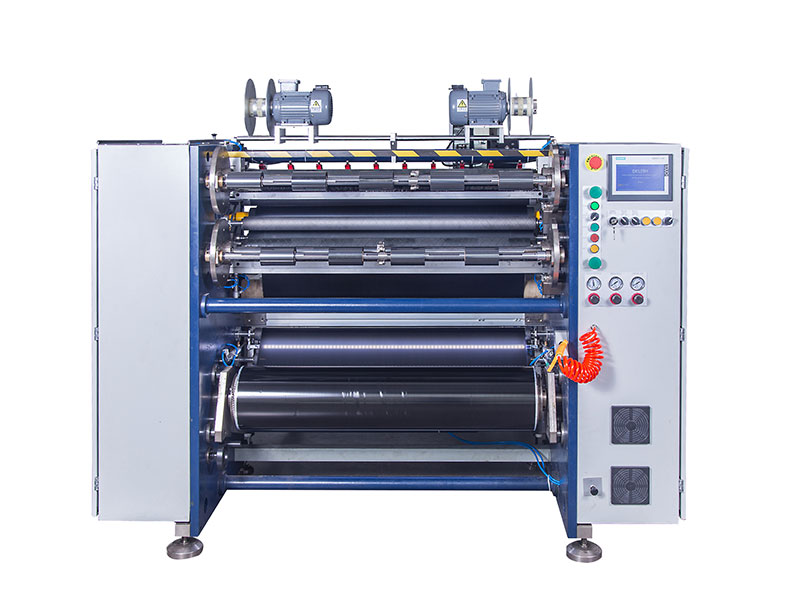 Can a barcode ribbon slitting machine cut and thermal transfer ribbons?
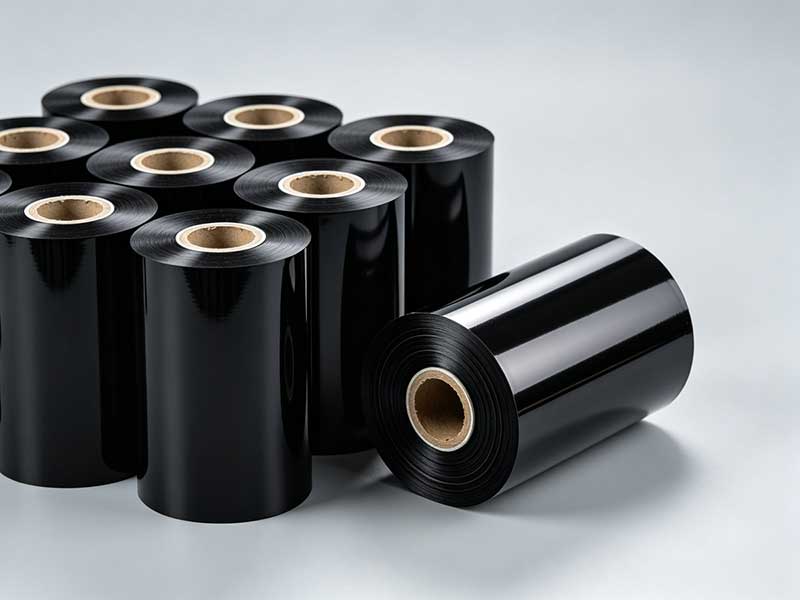 What ribbon materials are suitable for the barcode ribbon slitting machine?
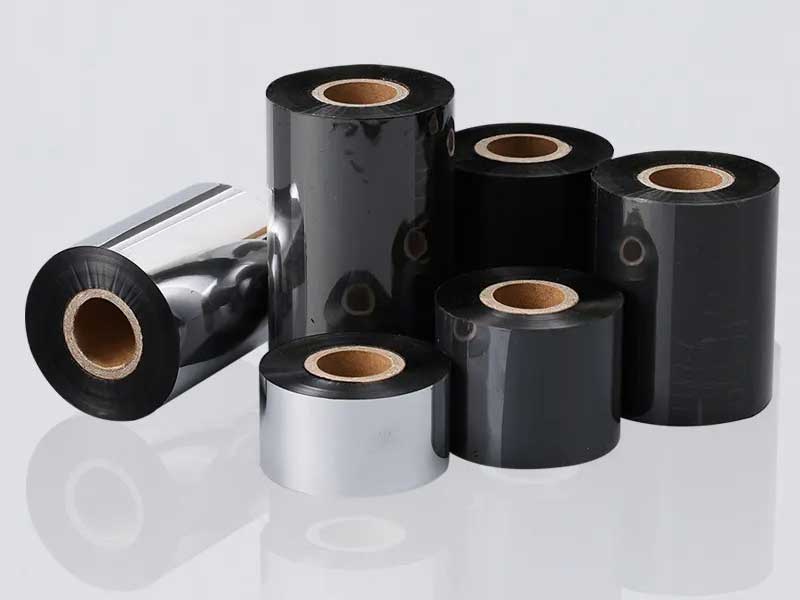 How to propose customized requirements for barcode ribbon slitting machines?How to choose a barcode ribbon slitting machine? Core Features and Key Selection PointsThe ribbon slitting machine for the barcode printer is suitable for ribbon types


 English
 Deutsch
 Français
 Español
 Português
 日本語
日本語 русский
 한국어
한국어 عربي
عربي ภาษาไทย
 Tiếng Việt
 Italiano
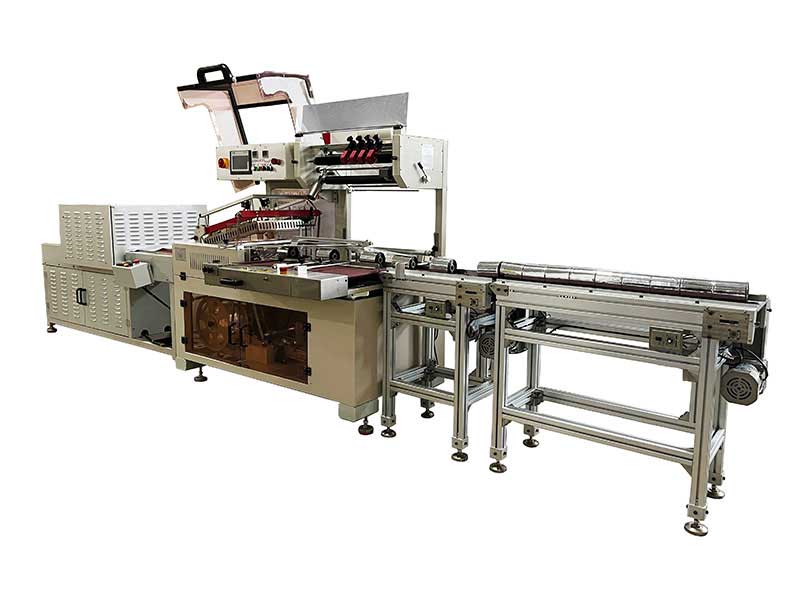 Thermal Transfer Ribbons Packaging Machine
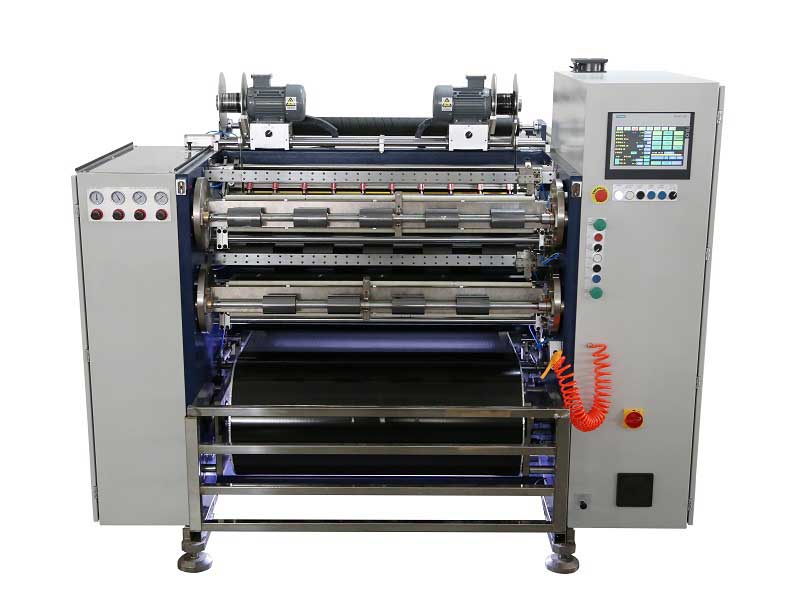 Automatic Thermal Transfer Ribbon Slitting Machine RSDS8 H PLUS
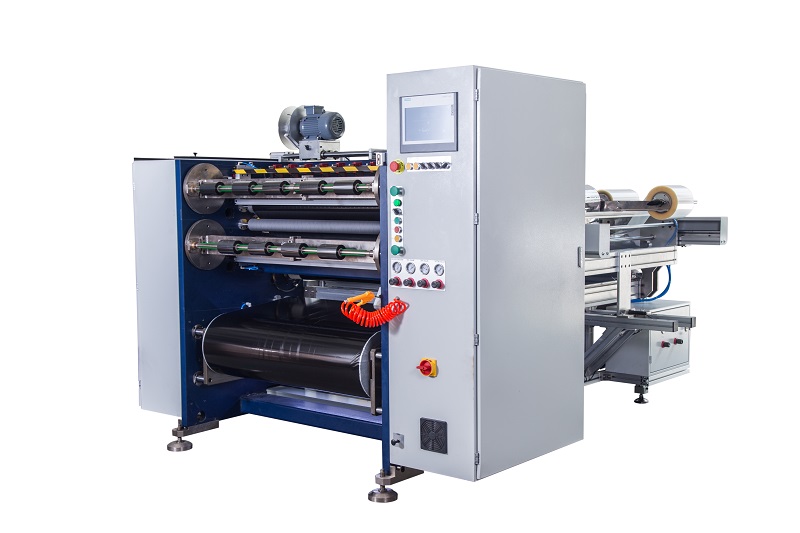 Semi Automatic Thermal Transfer Ribbon Slitting Machine RSDS5 PLUS