
On the production line of the packaging and printing industry, a seemingly small defect is enough to turn an entire roll of valuable hot stamping foil into scrap – the film wrinkles. This subtle fold, like a crack in a beautiful painting, not only destroys the visual effect, but also leads to material waste, reduced efficiency and higher costs. For many years, film wrinkling has been a headache in the process of hot stamping foil, until the breakthrough application of high-tension control technology in slitting machines has provided a cure for this stubborn disease.
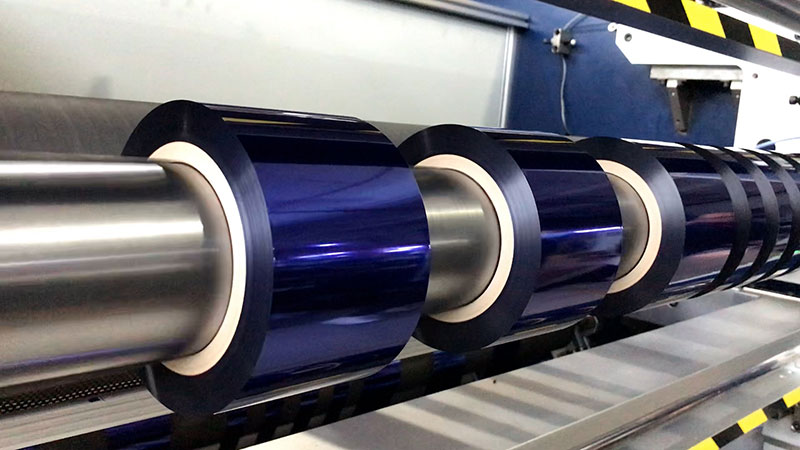
The Mystery of Wrinkling: The Microscopic Challenge of Hot Stamping Foil Slitting
Foil stamping foil is a composite material composed of polyester film (PET), release layer, color layer, and glue layer, which is usually only 12-20 microns thick, which is thinner than a human hair. In the process of slitting, when the wide coil is cut into the narrow product required by the customer, the internal stress distribution of the film, tension fluctuations, insufficient equipment accuracy and other factors are intertwined, and it is very easy to produce longitudinal or horizontal folds.
"A traditional slitting machine is like a rough tailor," said an engineer who has been in the industry for 20 years, "when the scissors are not sharp enough and the gesture is unstable, the fabric will naturally wrinkle." At the mechanical level, the parallelism error of the guide roller, the slight runout of the winding shaft, and the hysteresis response of the tension control system are infinitely amplified in high-speed operation, and finally form defects visible to the naked eye on the surface of the film.
To complicate matters, different layers of hot stamping foil have different physical properties. PET base film has a high elastic modulus, while the color layer and adhesive layer are relatively soft, and will produce different degrees of deformation under tension. If not properly controlled, interlaminar stress imbalance can cause local bulges or depressions in the film, forming permanent wrinkles. This defect will be further amplified in the subsequent hot stamping process, directly affecting the appearance quality of the final product.
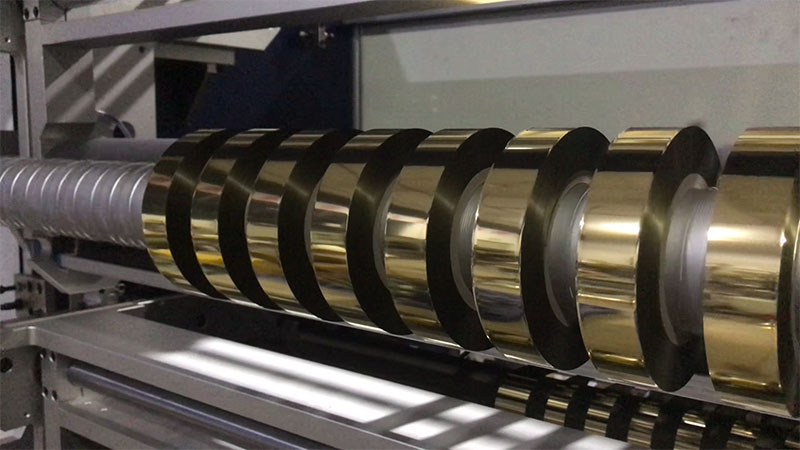
High Tension Control System: The art of force balancing with precision
At the heart of modern high-tension control slitting machines lies in building an intelligent tension ecosystem with millisecond response times and control accuracy of up to ±0.5%. This system monitors tension changes in real time through a multi-sensor network, and realizes constant tension control throughout the slitting process through the synergy of precision servo motors and pneumatic devices.
At the front end of the system, a high-sensitivity tension sensor collects data at a frequency of thousands of times per second, capturing small fluctuations that are imperceptible to the human eye. Mid-range industrial control computers run complex adaptive algorithms that learn optimal tension parameters for different materials, different widths, and different speeds, and predict possible anomalies. The end actuator, like an experienced pianist's finger, gently but firmly adjusts the action of each guide roller and winding shaft, ensuring that the film is always in an ideally flat state along the entire transmission path.
Of particular note is the application of "taper tension control" technology. As the coil diameter changes during the slitting process, the traditional constant tension can cause excessive core pressure and loose outer layer. The intelligent system can calculate and adjust the tension value in real time according to the coil diameter, so that the inner and outer layers of the coil can maintain a consistent tightness, fundamentally eliminating star wrinkles and thread wrinkles caused by improper coiling.
In actual production, this precision control has brought revolutionary changes. After a well-known hot stamping material company introduced a high-tension control slitting machine, the product wrinkling rate dropped from the original 3.2% to less than 0.15%, and the material savings alone exceeded 2 million yuan per year. Innovative hot stamping foils that are thinner and more sensitive have been mass-produced, promoting the commercial application of high-end technologies such as holographic anti-counterfeiting and 3D dynamic hot stamping.
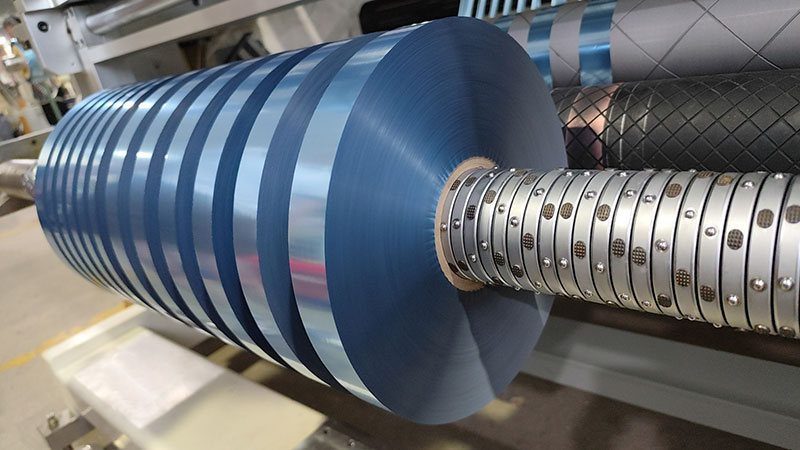
Innovation extension: collaborative breakthroughs beyond tension control
High tension control does not exist in isolation and needs to work in tandem with other innovative systems of the slitting machine to achieve the best results. The air floating guide roller technology creates a uniform air cushion under the film, so that the film is in a "suspended" state during transmission, avoiding direct frictional contact with the traditional guide roller. The infrared temperature measurement system monitors the temperature change of the slitting point in real time to prevent material deformation caused by friction overheating. The automatic guiding device ensures that the film runs precisely along the preset path with neat edges and no meandering.
The integration of these technologies creates a near-ideal slitting environment. Just like the combination of shadowless lights, precision instruments, and monitoring instruments in surgery, every detail is about the ultimate success or failure. The latest generation of slitting machines even introduces machine learning capabilities to optimize cutting strategies based on historical data, automatically adjusting system-wide parameters for specific material properties.
Industry Transformation: From addressing wrinkles to reshaping possibilities
The impact of high-tension control technology has transcended mere wrinkle solving problems, and it is reshaping the boundaries of what's possible across the foil stamping industry. With the improvement of slitting accuracy, the minimum slitting width of hot stamping foil has been reduced from 3 mm in the past to 1 mm, which makes it possible to bronze fine lines and contour stamping of complex patterns. In the fields of luxury packaging, high-end tobacco and alcohol labels, and anti-counterfeiting labels, designers have gained unprecedented creative freedom.
Production efficiency has also made a qualitative leap. The slitting speed has increased from 150 m/min in the past to more than 600 m/min today, while the level of quality control has increased significantly. The intelligent tension control system works 24 hours a day, transforming traditional reactive maintenance into predictive maintenance through remote monitoring and early warning, minimizing unplanned downtime.
From a broader perspective, the high-tension control technology of the hot stamping foil slitting machine is a microcosm of the transformation from "Made in China" to "Made in China". It shows the complete path of China's equipment manufacturing industry from solving specific process problems, gradually mastering core technologies, and finally realizing system innovation. This technological breakthrough not only solves the pain point of film wrinkling, but also provides key support for the upgrading of the entire printing and packaging industry chain.
Every perfect shine on the hot stamping foil reflects the precision and wisdom of modern industrial control technology. When the high-tension control system smooths out every possible wrinkle with invisible force, it is not only improving material utilization and product quality, but also redefining the precision boundaries of the hot stamping process. In the context of the era of intelligent manufacturing, this ultimate pursuit of micro defects is a vivid footnote to the high-quality development of the manufacturing industry.
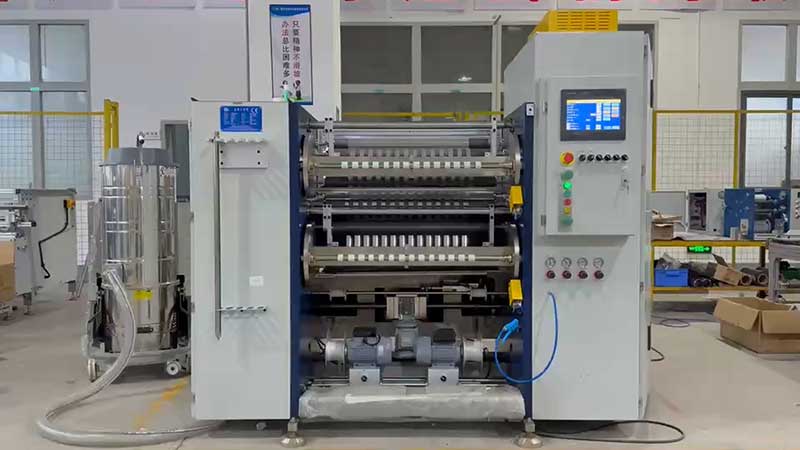 Common Problems with Hot Stamping Foil Slitting Machines and How to Solve Them
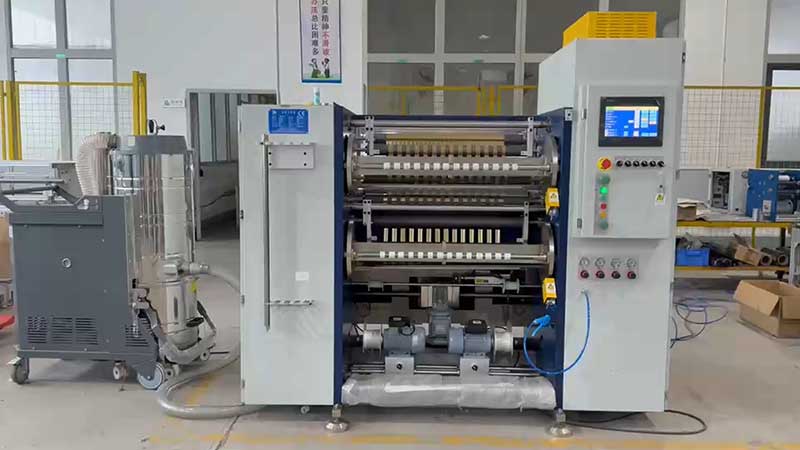 What Specifications Should You Look for in a Hot Stamping Foil Slitting Machine?
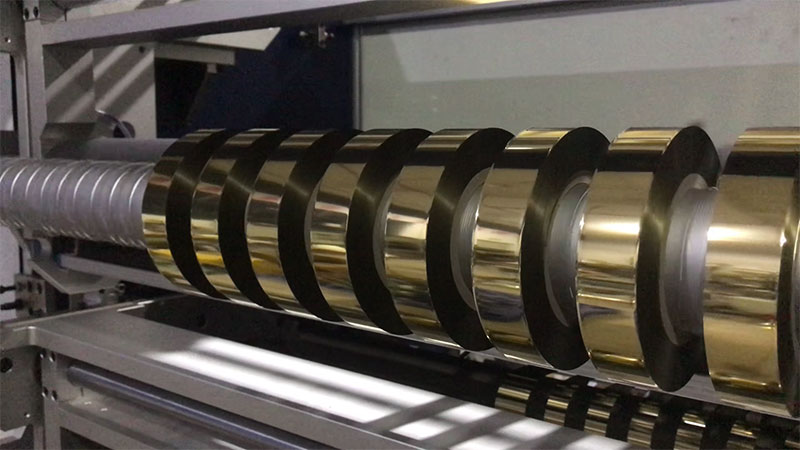 Hot Stamping Foil Slitting Machine Selection Guide: Tension Control Is Key
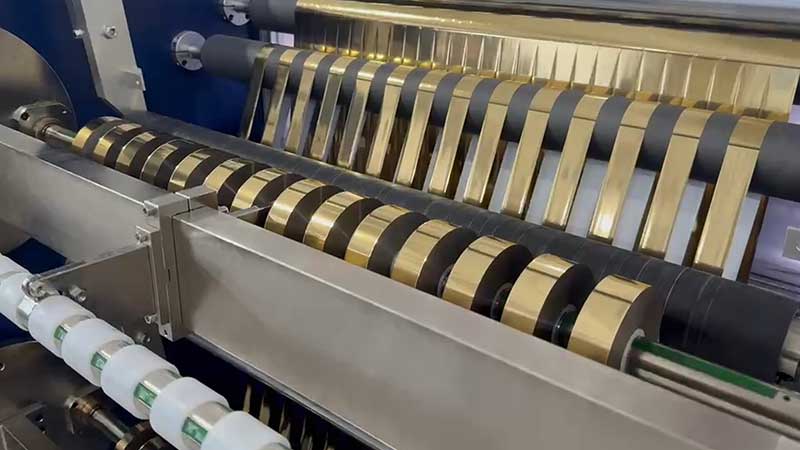 How to choose a hot stamping foil slitting machine? Let's first look at these three parameters
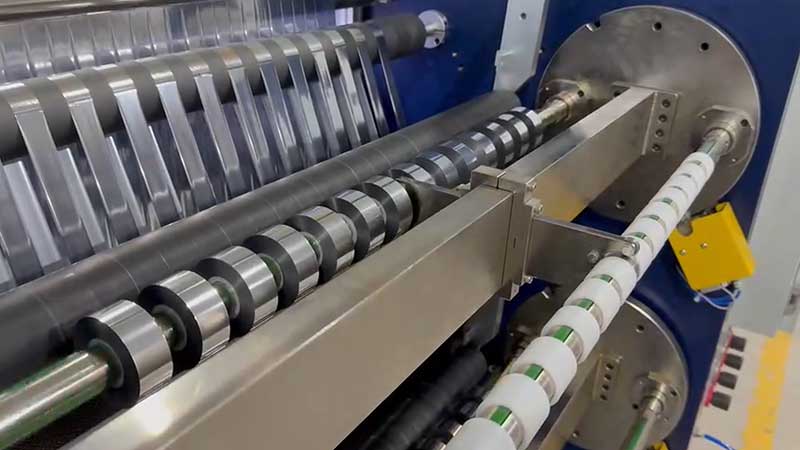 Selection of hot stamping foil slitting machines: how to match width and speed


 English
 Deutsch
 Français
 Español
 Português
 日本語
日本語 русский
 한국어
한국어 عربي
عربي ภาษาไทย
 Tiếng Việt
 Italiano
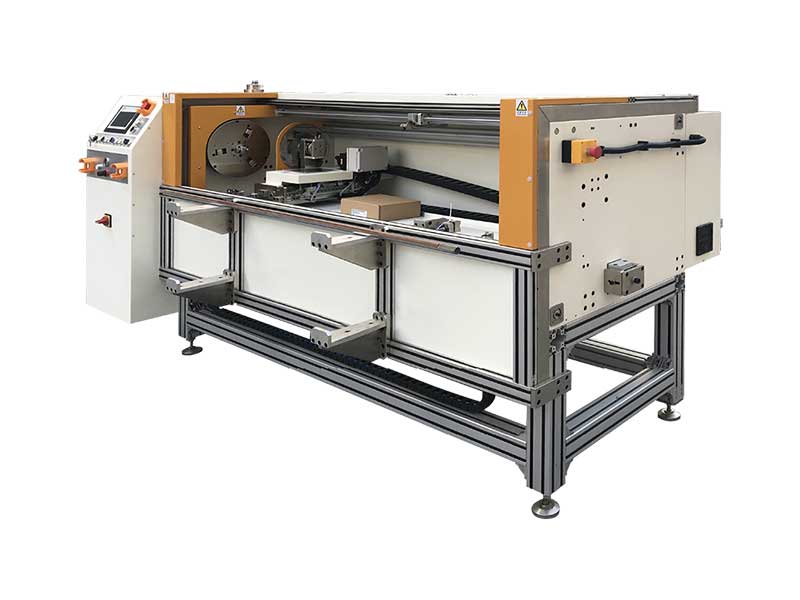 Automatic Foil Roll Cutting Machine
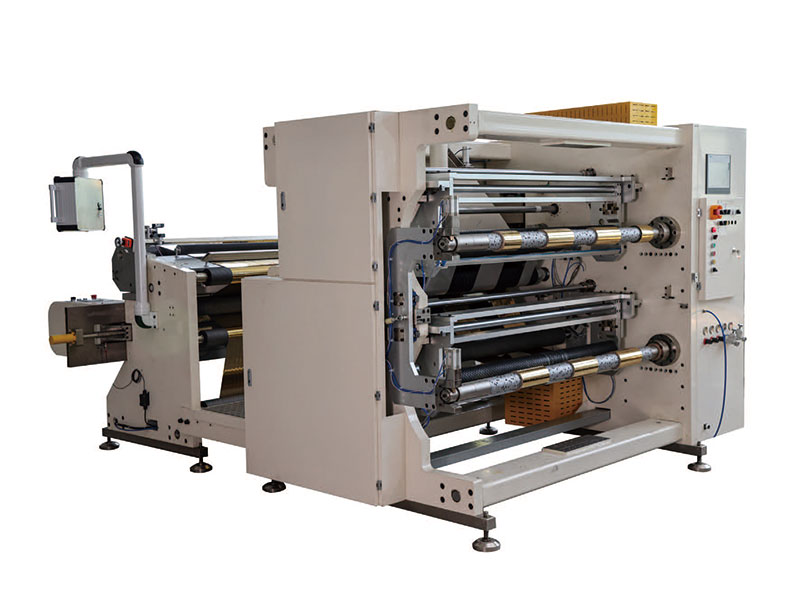 1400mm Hot Stamping Foil Slitting Machine
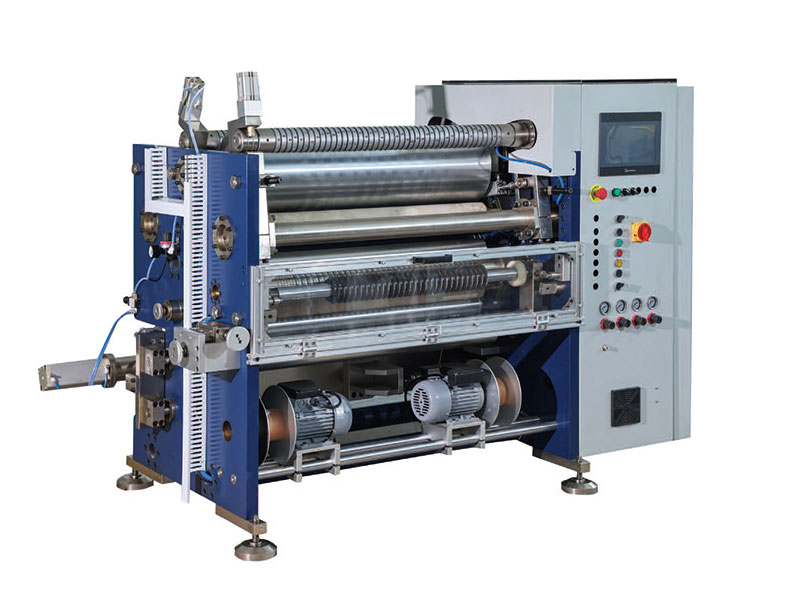 800mm Hot Stamping Foil Slitting Machine
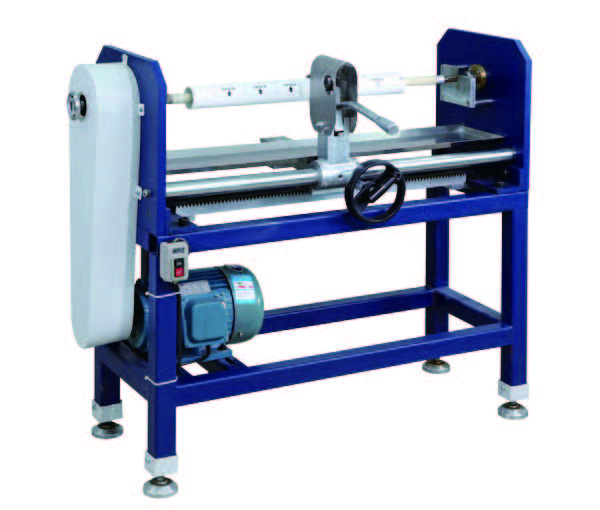 Manual Foil Roll Cutting Machine