
In modern industrial production, the dual pursuit of efficiency and precision drives continuous innovation in equipment. As a key equipment in label printing, packaging manufacturing and other industries, ribbon slitting machine has achieved intelligent breakthroughs of "one-click operation" through technological upgrades in recent years, fundamentally simplifying the production process and bringing significant efficiency improvements to enterprises.
Challenges of traditional slitting production
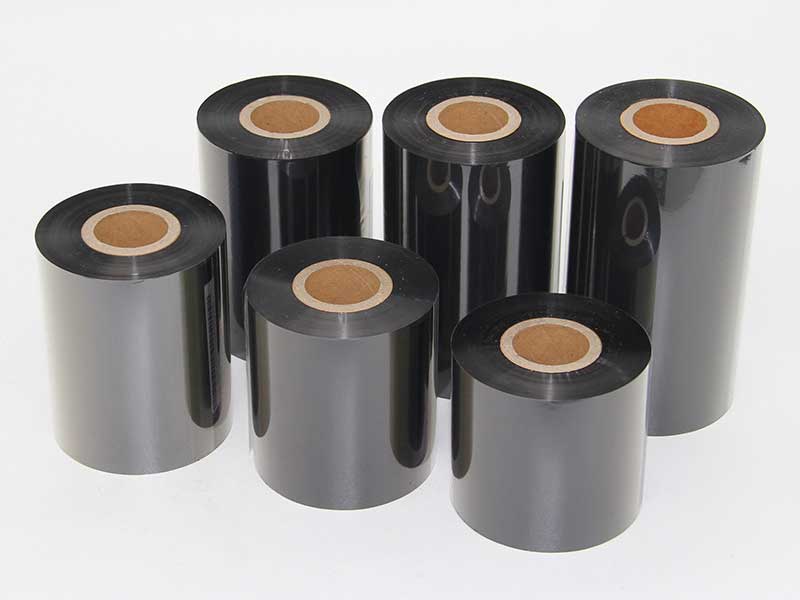
In the past, ribbon slitting was a multi-step, highly skilled process. Operators need to manually adjust tension, set cut sizes, and calibrate alignment, which is not only time-consuming and labor-intensive, but also highly dependent on operator experience. Each batch of production requires repeated debugging and continuous monitoring during the production process to prevent deviations. There are several obvious pain points in this model: long production preparation time, high labor costs, difficult to ensure product consistency, and high technical requirements for operators, and novices need to train for a long time to operate independently.
Intelligent technological breakthroughs
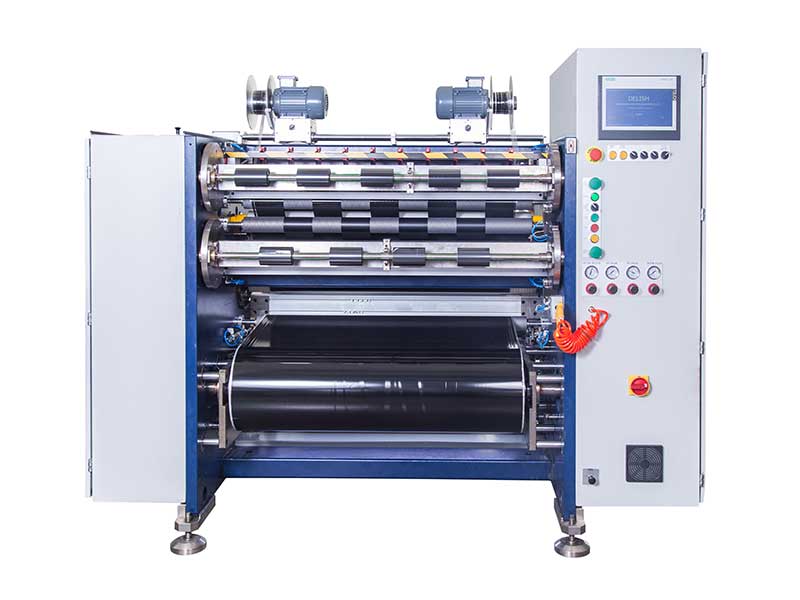
The new generation of ribbon slitting machines has made the leap from complex to simple by integrating advanced control systems, sensor technology, and automation algorithms. Its core innovations are:
Intelligent preset system: The equipment has a large built-in library of commonly used specifications, users only need to select the product type, and the machine can automatically call the best slitting parameters, including tension, speed, cutting size, etc.
Automatic Calibration Function: Real-time monitoring of material position and tension changes through high-precision sensors, automatically fine-tuning to ensure consistency during slitting.
Visual recognition technology: Some high-end models are equipped with CCD vision systems, which can automatically identify material edges and defects, realize intelligent slitting and defective product rejection.
IoT Integration: The device can be connected to the factory MES system to realize real-time upload of production data, remote monitoring, and fault warning.
Practical application of one-click operation
In real-world production scenarios, the operator's workflow has been greatly simplified:
1. Preparation stage: Load the ribbon raw materials onto the unwinding shaft, and most models have adopted the inflatable shaft design to achieve rapid clamping.
2. Parameter setting: Select or enter the required slitting specifications (width, length, core size, etc.) on the touch screen interface, or directly scan the order QR code to automatically obtain production parameters.
3. Start production: press the "start" button, and the equipment automatically completes all the remaining processes: material pulling, tension adjustment, edge alignment, precision cutting, and automatic winding.
4. Process monitoring: During the production process, operators do not need to be constantly on duty, and the system will automatically monitor and adjust the status, and will issue an alarm when there is an abnormality.
5. Finished product processing: After the slitting is completed, the equipment prompts to pick up the material, and some advanced models are also equipped with automatic unwinding and labeling functions.
Multiple benefits of streamlining processes
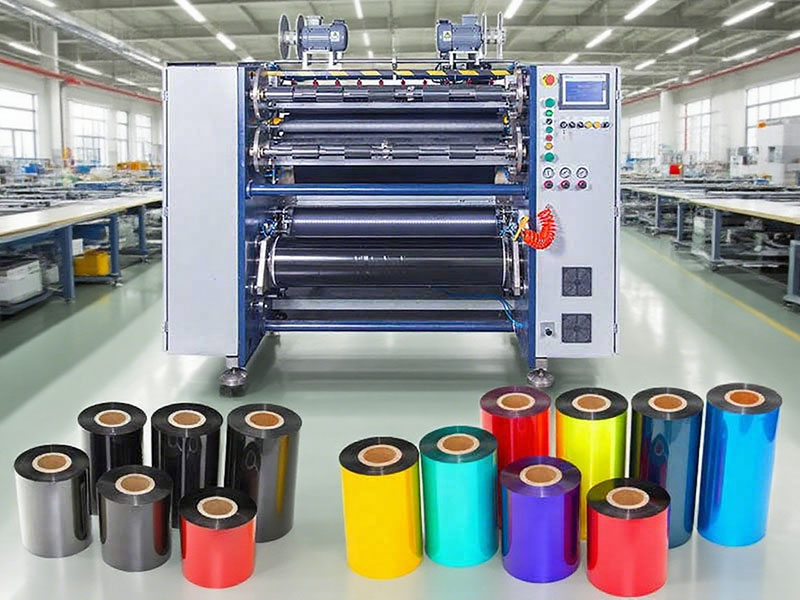
The benefits of this intelligent improvement are comprehensive:
Efficiency improvement: production preparation time is reduced by an average of 70%, changeover time is shortened from the original 30 minutes to less than 5 minutes, and equipment utilization is increased by more than 40%.
Quality assurance: Automated control eliminates human error, significantly improves product consistency, and reduces scrap rates by more than 60%.
Workforce optimization: Reduced technical requirements for operators, training time from weeks to days, and a single operator can manage multiple devices simultaneously.
Cost control: reduce material waste, reduce energy consumption, and reduce comprehensive production costs by about 25%.
Safety Enhancement: Reduced manual intervention, reduced operational risks, and a safer working environment.
Industry applications and future prospects
At present, the one-click ribbon slitting machine has been widely used in many fields such as label printing, electronic product manufacturing, pharmaceutical packaging, logistics and warehousing, etc. With the in-depth development of Industry 4.0, the future ribbon slitting machine will further integrate artificial intelligence and big data analysis to achieve a higher level of autonomous decision-making and predictive maintenance. The equipment will not only be able to execute preset programs, but also automatically optimize the cutting scheme according to material characteristics, learn and adapt to different production conditions, and truly become an indispensable smart node in the smart factory.
Epilogue
The one-click operation innovation of the ribbon slitting machine, behind the seemingly simple interface, is the deep integration of precision machinery, automatic control and intelligent algorithms. This simplification is not a reduction in functionality, but rather a way to encapsulate complex technical details under friendly interactions, allowing devices to "know" how to work efficiently. In the context of the transformation and upgrading of the manufacturing industry, such intelligent equipment is becoming a key tool for enterprises to enhance their competitiveness, using the power of science and technology to simplify cumbersome processes and make production more efficient, more accurate and more intelligent.
 Can a barcode ribbon slitting machine cut and thermal transfer ribbons?
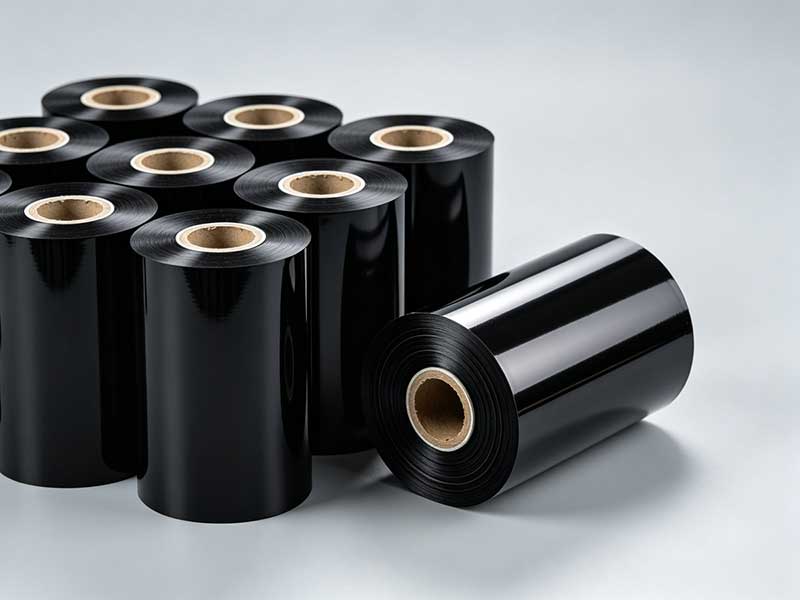 What ribbon materials are suitable for the barcode ribbon slitting machine?
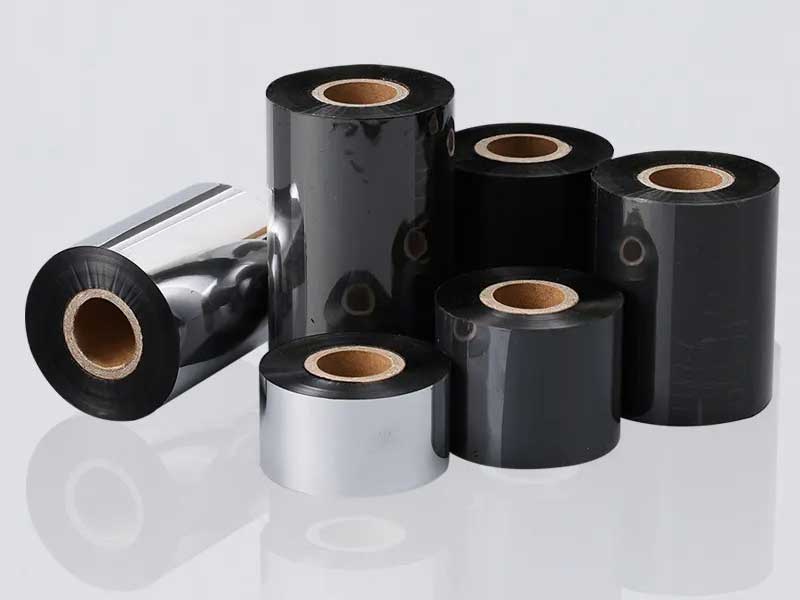 How to propose customized requirements for barcode ribbon slitting machines?How to choose a barcode ribbon slitting machine? Core Features and Key Selection PointsThe ribbon slitting machine for the barcode printer is suitable for ribbon types


 English
 Deutsch
 Français
 Español
 Português
 日本語
日本語 русский
 한국어
한국어 عربي
عربي ภาษาไทย
 Tiếng Việt
 Italiano
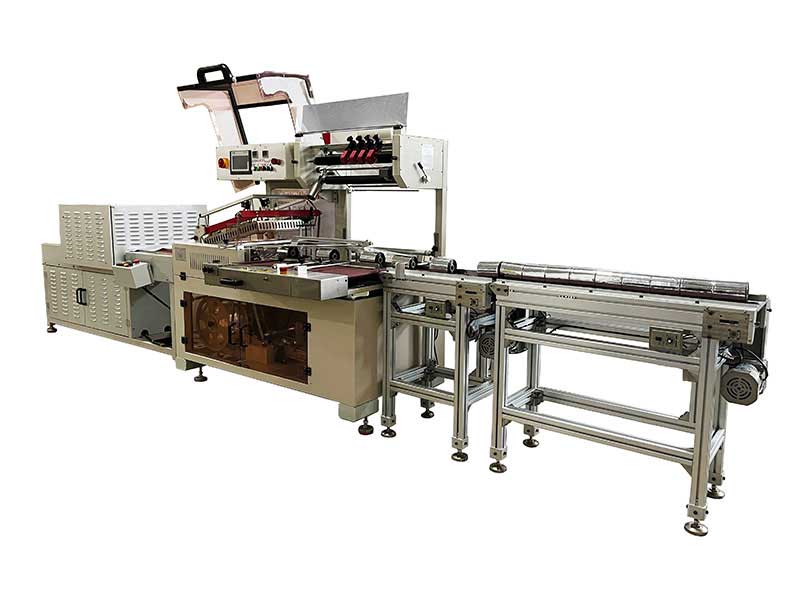 Thermal Transfer Ribbons Packaging Machine
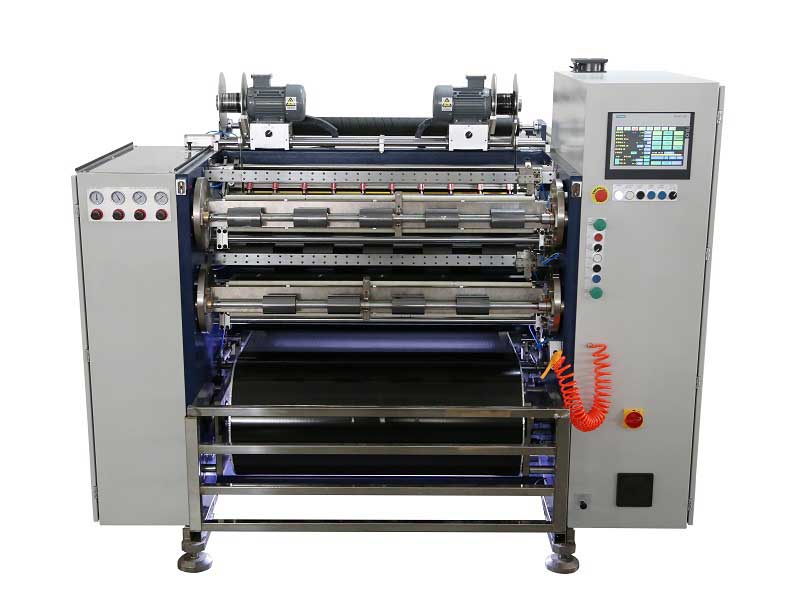 Automatic Thermal Transfer Ribbon Slitting Machine RSDS8 H PLUS
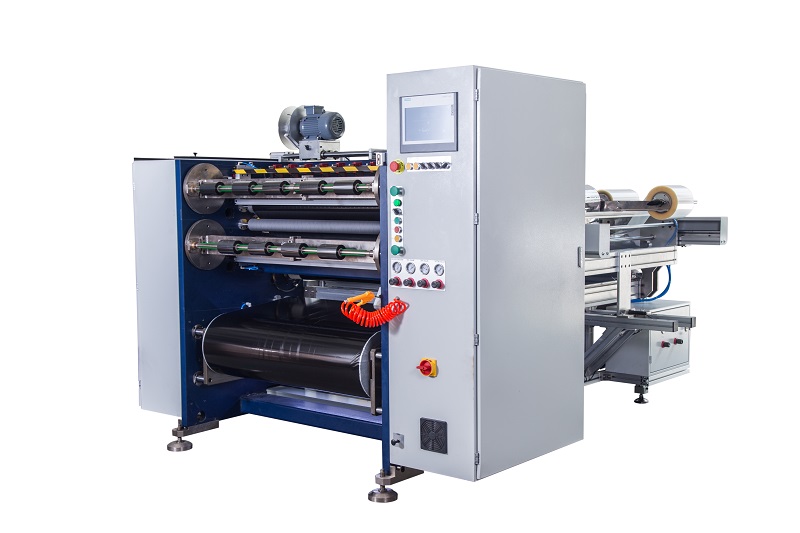 Semi Automatic Thermal Transfer Ribbon Slitting Machine RSDS5 PLUS
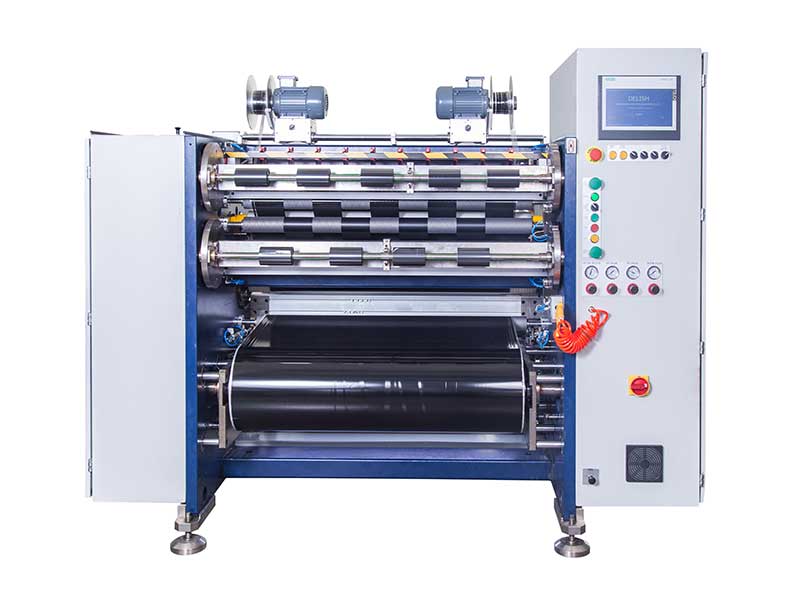 TTR Slitting Machine