
In recent years, with the upgrading of automotive aftermarket consumption and increased awareness of paint protection among car owners, TPU (thermoplastic polyurethane elastomer) invisible car wraps have become a "standard feature" in the high-end automotive maintenance field. From the original PVC material to today's TPU market dominance, car wrap materials not only set the upper limit of protection performance but also drive continuous evolution in manufacturing equipment. Against this backdrop, the car wrap film slitting machine, as a key link connecting the large-width female roll with finished products, is leveraging its dual advantages of "high speed" and "stability" to become the core driver for large-scale, high-quality mass production of TPU car wraps.
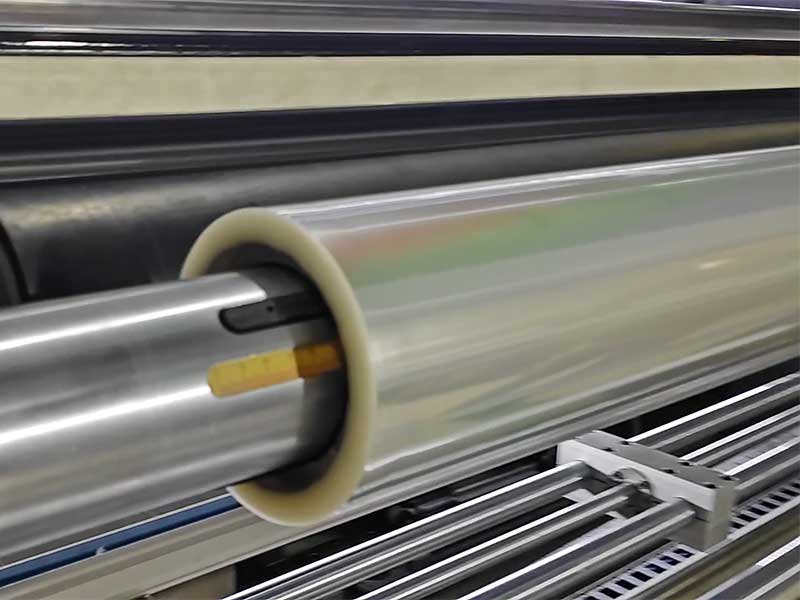
1. From Mother Roll to Finished Product: Slitting is the key bottleneck in mass production
The production of TPU car wraps is usually divided into three steps: casting or calendering to form a wide master roll (usually 1.5 to over 2 meters wide), applying a self-healing coating and pressure-sensitive adhesive to the roll, and finally cutting it into finished rolls of different widths and lengths according to vehicle requirements. Among them, the slitting segment may seem simple, but in reality, it is extremely challenging. TPU material itself has high elasticity, softness, and easy stretchability. If tension control in slitting equipment is not properly controlled, it can cause wrinkling, edge waves, dimensional deviations, or even localized deformation, directly resulting in material scrap.
Especially when order volumes enter the "10,000-meter" mass production stage, traditional low-speed, semi-automatic, or manual-dependent slitting methods can no longer meet delivery cycle and consistency requirements. This is precisely the background for the comprehensive upgrade of the car film film slitting machine—it is no longer just a cutting tool system, but an integrated device that combines precise tension control, automatic deviation correction, high-speed winding, and digital management.
2. High speed: the engine that boosts mass production efficiency
The new generation of car film film slitting machines can operate at speeds of 150 meters per minute or even higher, which is more than 50% higher than traditional equipment. Behind high-speed operation is not simply increasing motor speed, but relying on the following key technologies:
• Servo drive and closed-loop tension control: Real-time sensor monitoring of membrane surface tension and automatic adjustment of torque difference between unwinding and rewinding shafts to ensure TPU membranes are not stretched or loosened even during high-speed start-stop operations.
• Low inertia guide roller and anti-stick coating: Reduces friction and electrostatic adsorption between the film and roller surface, preventing scratches or adhesion during high-speed film rolling.
• Modular tool changer system: Slitting tools can be replaced or adjusted within minutes, reducing order change downtime and enabling rapid switching of small-batch orders of multiple specifications.
In high-speed mode, a single slitting machine can increase the length of the master roll processed per day from several thousand meters to tens of thousands of meters, directly releasing the capacity of the upstream flow production line and greatly improving the turnover efficiency of the entire car wrap factory.
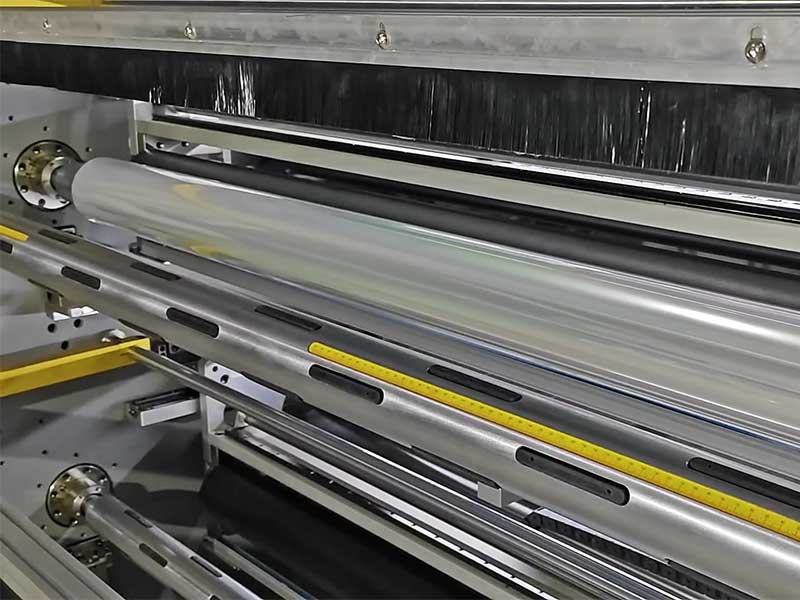
3. Stability: The cornerstone of mass production quality
For TPU car wraps, "high-speed" is not the only goal; the real value lies in "stability at high speeds." If a batch of master rolls worth hundreds of thousands of yuan is scrapped due to slitting errors, any speed advantage will be wiped out. Therefore, Hyundai car film film slitting machines focus on four layers of stability assurance:
1. Precision Correction System: Uses ultrasonic or optical sensors to track the edge position in real time, keeping the slitting offset within ±0.5 millimeters to ensure the finished product width precisely matches vehicle components (such as front bumper, hood, door).
2. Wave edge suppression technology: By combining special leveling rollers with curved rollers, the edge waves formed by TPU mother rolls during storage or transportation are eliminated, preventing the appearance of "ruffle edges" after slitting.
3. Automatic winding and compaction: To address the pain point of wrinkling in the wrap film core, a variable pressure winding shaft and taper tension reduction program are used to ensure every meter of finished roll is compact and flat from the inside out, with no tunnels or misaligned layers.
4. Real-time monitoring of operating status: Integrates vibration, temperature, and noise sensors to predict the lifespan of key components such as bearings and blade shafts, providing early warnings of abnormalities and preventing sudden shutdowns that could cause slitting deviations for the entire batch.
These stabilization measures directly determine the performance of the car film during installation: straight edges, no wrinkles, no offset prints, high construction efficiency, and a good end-user experience.
4. Helping TPU car wraps enter the era of lean mass production
With the maturity of domestic TPU base film technology, the previous reliance on imported mother rolls is changing. What truly widens the gap between domestic brands and low-priced generic brands is often not the film itself, but the consistency and delivery capability of the finished products. A high-performance car film film slitting machine actually serves as a "quality gatekeeper":
• For large car wrap factories: Multiple slitting machines can be operated in parallel, and with the MES system, the entire process traceability from master roll batch to finished product barcode is completed, enabling 24-hour continuous production.
• For small and medium-sized coating factories: Flexible entry into the customized car wrap market, handling rolling needs of different widths, adhesive systems, and protective films, improving equipment utilization and order response speed.
More importantly, the material loss rate in the slitting stage can be reduced from 3%~5% in traditional equipment to within 1%. Based on the current cost of TPU car wrap master roll at tens of yuan per square meter, this cost reduction directly translates into profit margins.
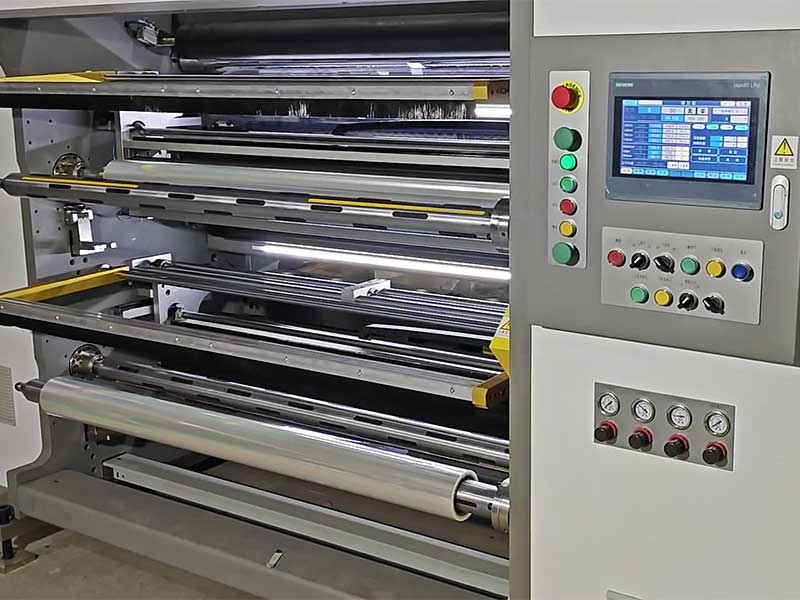
5. Future Outlook: Smarter, More Flexible
As new energy vehicles diversify their demand for car wraps (such as matte wraps, color-changing wraps, and upgraded self-healing coatings), film cutting machines are also moving toward greater intelligence. For example:
• AI visual inspection: Simultaneously identifies defects such as film crystal dots, fisheye spots, and scratches along the slitting line, and automatically marks or discharges waste.
• Digital twin parameter adjustment: For TPU materials of different thicknesses and coating types, the system automatically recommends the optimal slitting speed, tension profile, and winding pressure.
• Cloud Formula Management: The factory can remotely issue process parameters to multiple slitting machines, enabling production of the same quality at remote factories.
It is foreseeable that the car wrap film slitting machine is no longer just a cutting device, but a key pillar for the digitalization, standardization, and efficiency of car wrap manufacturing. Driven by the combined force of "high speed" and "stability," mass production of TPU car wraps is moving from traditional handcrafted management to a new stage of precision manufacturing and intelligent operations.
Conclusion
High-speed to get production capacity running; Stability ensures quality stands firm. It is precisely the car wrap film slitting machine's precise control every meter and every second that enables TPU car wraps to enter the shopping carts of thousands of car owners with stable quality, reasonable costs, and considerable output. In today's increasingly fierce competition for car wraps, whoever masters efficient and stable slitting skills holds the ticket to the era of mass production.
 Core factors affecting the quality of ribbon slitting
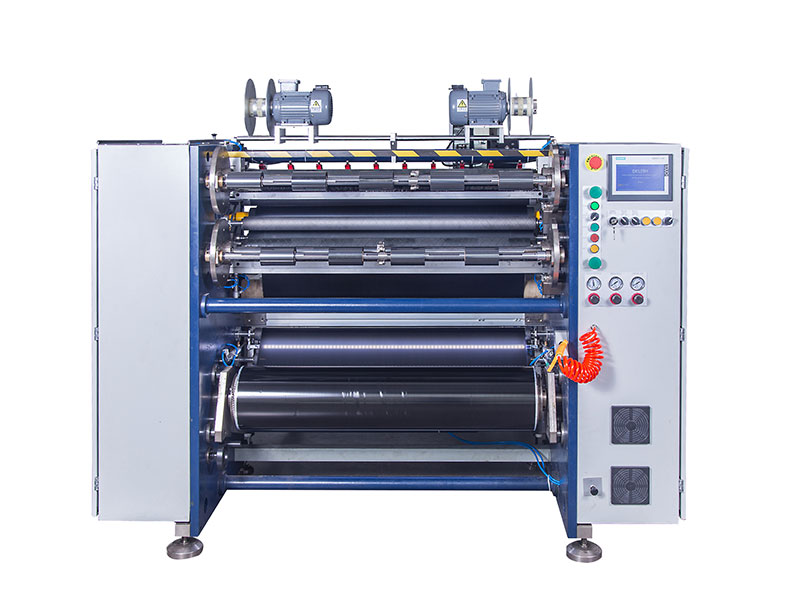 How to choose a high-precision ribbon slitting machine?
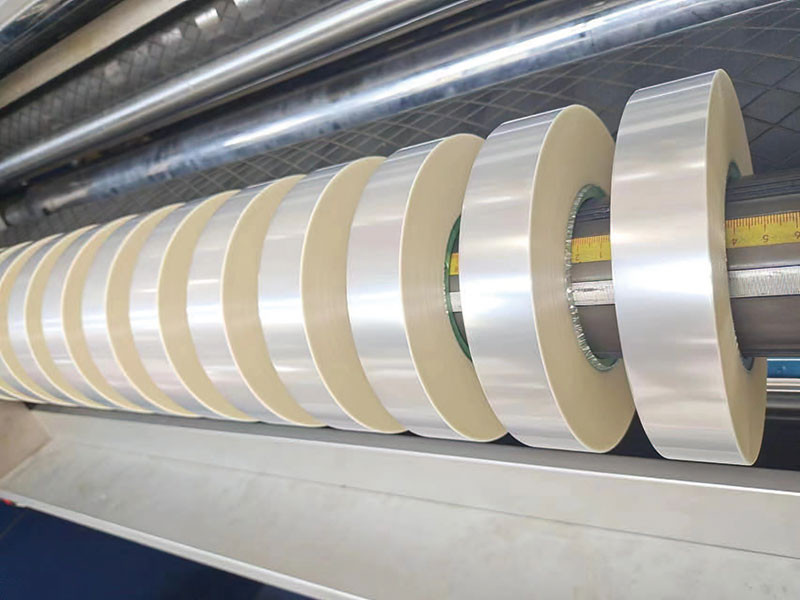 In the low-carbon era, four feasible solutions for energy-saving retrofitting of film slitting machinesHow to choose a ribbon slitting machine? A comprehensive explanation of speed, precision, and cost
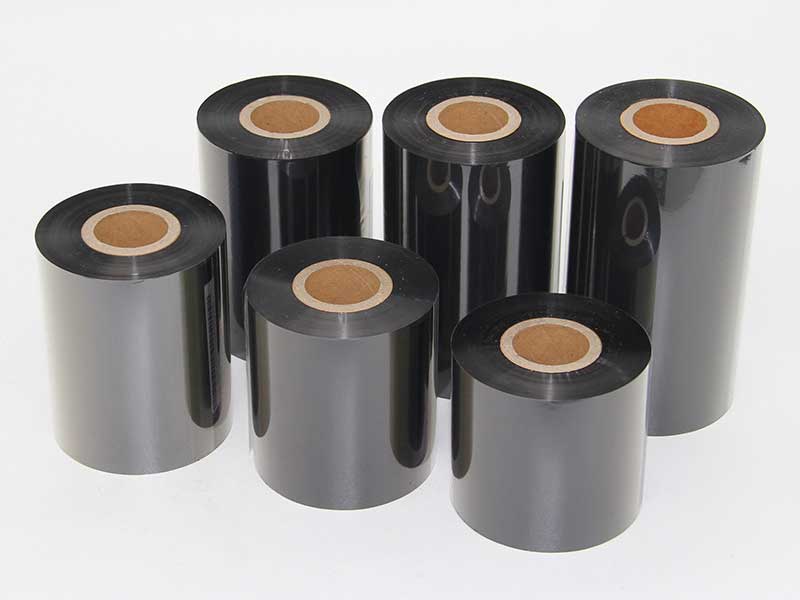 Ribbon slitting machine tension control techniques: From beginner to expert


 English
 Deutsch
 Français
 Español
 Português
 日本語
日本語 русский
 한국어
한국어 عربي
عربي ภาษาไทย
 Tiếng Việt
 Italiano
 Photo & Card Print Ribbon Rewinding Machine
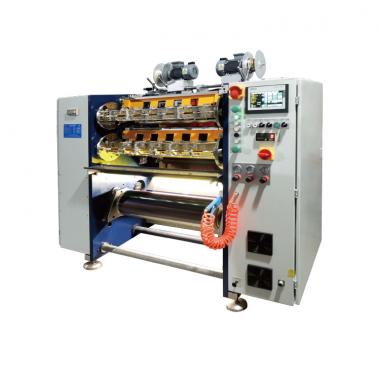 Photo & Card Print Ribbon Slitting Machine