
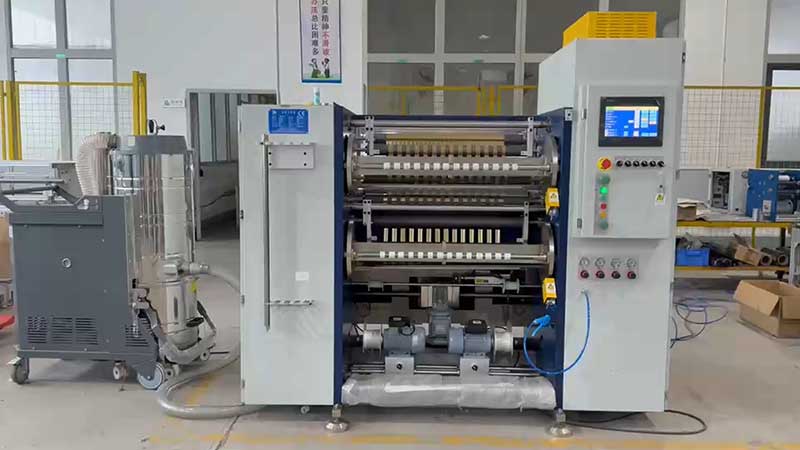
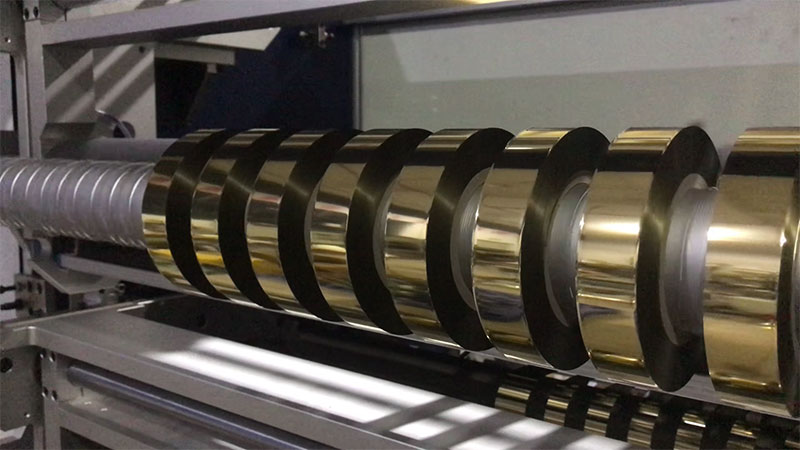
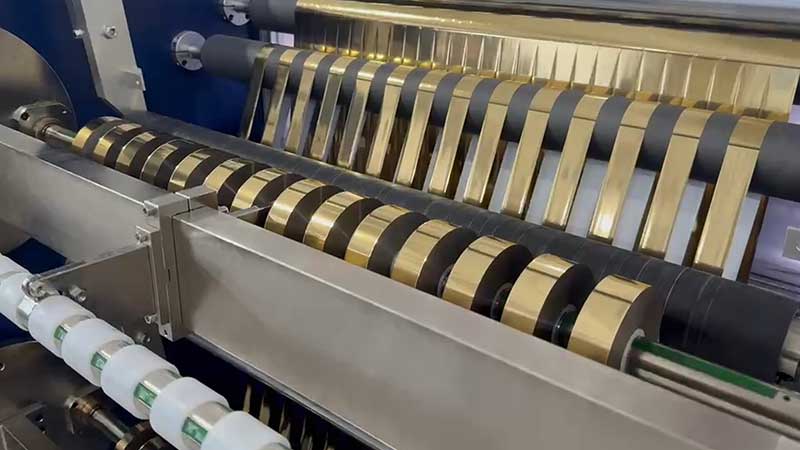
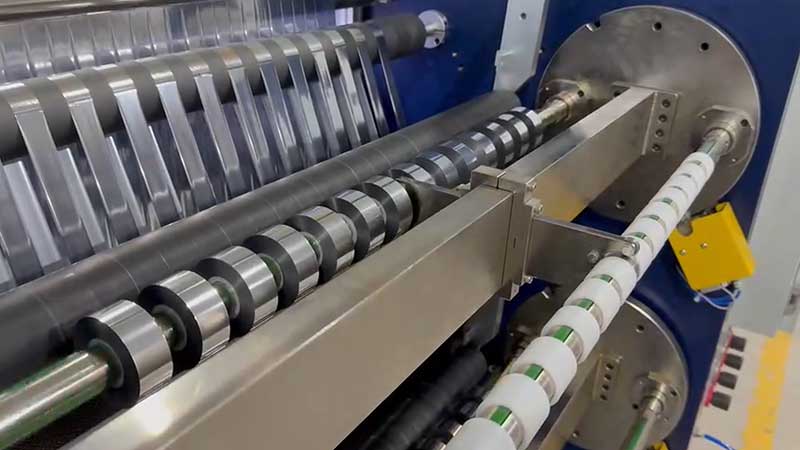
The hot stamping foil slitting machine is the "throat" equipment of the hot stamping process—large rolls of electrochemical aluminum are sliced into narrow coils for use by the hot stamping machine. It operates at a fast speed (usually 200-400 meters per minute) and requires high precision. If maintenance is inadequate, issues such as uneven end faces, tension fluctuations, and scratches can easily occur. If maintenance is neglected and repairs are delayed until the issue breaks, it not only delays delivery but also incurs significant expenses.
In fact, proper maintenance is not complicated; the key lies in regular, fixed, and standardized conditions. The following "daily, weekly, monthly" maintenance checklist can be printed directly and posted in the workshop, just follow the schedule for practice.
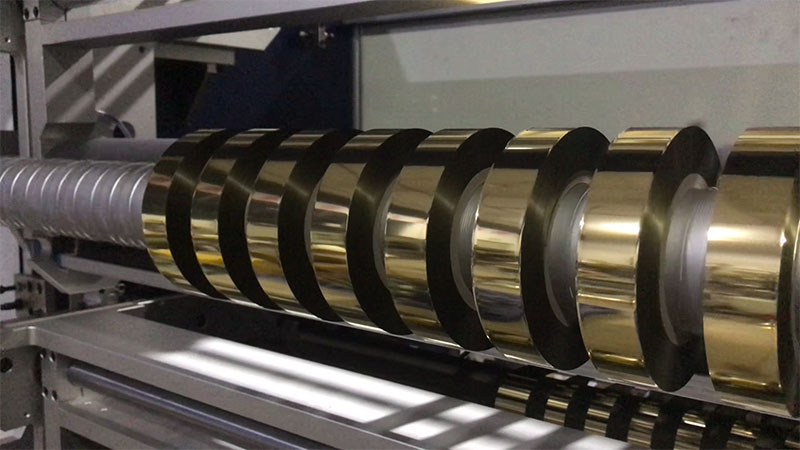
1. Daily maintenance (per shift): Cleaning + inspection, completed in 10 minutes
Every 10 minutes before turning on the machine or after work, focus on three things: cleaning, checking the air, and inspecting the blades. This is the foundation for stable operation of the equipment.
1. Cleaning foil powder and debris: The static electricity generated during slitting causes gold foil fragments to adhere to the tool holder, rollers, and winding reels. If not cleaned promptly, these debris can cause dents or scratches. It is recommended to use an air gun or soft brush to clean these areas.
2. Check air pressure and drainage: Unstable air pressure causes tension to be irregular. Check whether the pressure gauge readings are within the standard range (usually 0.5-0.7MPa), and check if the water filter has accumulated water. Remember to drain manually before leaving work to prevent moisture from entering the pneumatic components.
3. Check the blade edge: Observe with your eyes or lightly touch the blade edge with your fingers to check for chipping or passivation. If the edges of the cut foil have burrs, it means the knife should be replaced or sharpened.
4. Confirm safety devices: Tap the emergency stop switch to ensure the reset is smooth; Check whether the photoelectric sensing of the protective cover is sensitive. Safety is no small matter; this one cannot be skipped.
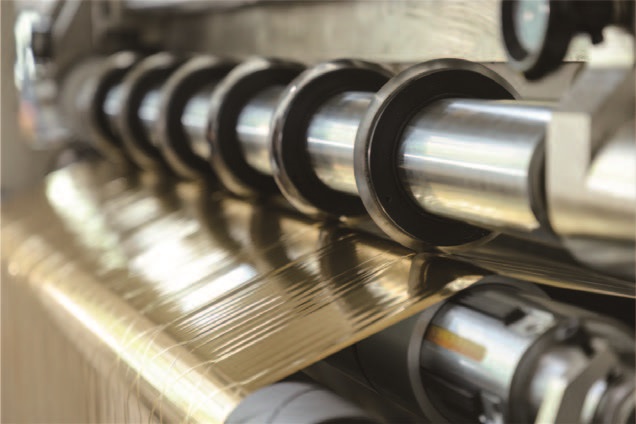
2. Weekly maintenance: lubrication + tightening, precise maintenance in half an hour
Once a week, spend half an hour doing some deeper inspections, focusing on transmission components and fasteners.
1. Deep roller cleaning: Wipe all rollers with anhydrous alcohol, especially rubber pressure rollers and aluminum rollers. If the electrostatic adhesive residue is not wiped off, it can cause the film to slip or form longitudinal streaks.
2. Lubricate the chain and lead screw: The lead screw of the tool setting mechanism and the chain for winding and pressing arms need to be added with an appropriate amount of grease or lubricating oil to ensure smooth tool movement without any jamming.
3. Fully tighten screws: High-frequency vibration of the slitting machine most easily causes loosening of the tool post fixing screws and coupling screws. Once loosened, it can cause the blade position to shift at best, or produce abnormal noises or even strike the knife. Each week you have to check each one with a wrench.
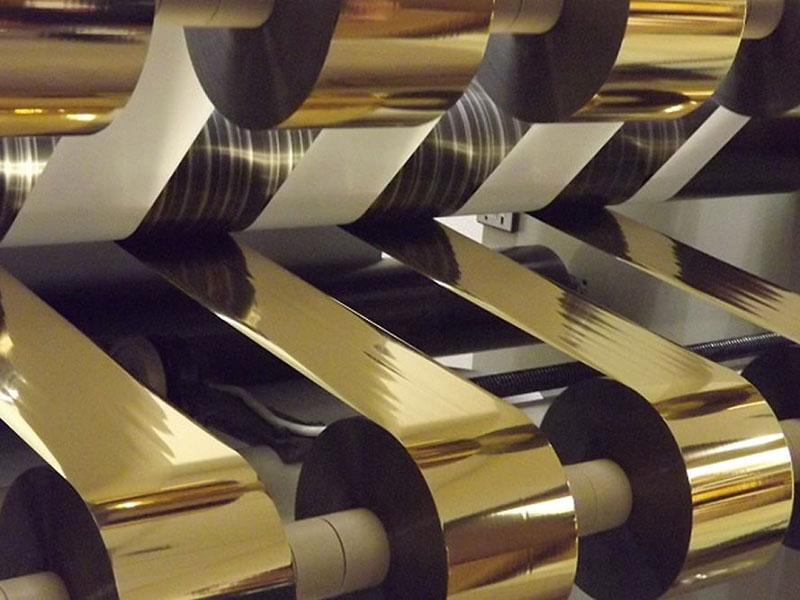
3. Monthly maintenance: electrical + calibration, comprehensive systematic inspection
Spend half a day each month doing a systematic check-up. The focus is on dust removal and tension system calibration of electrical cabinets.
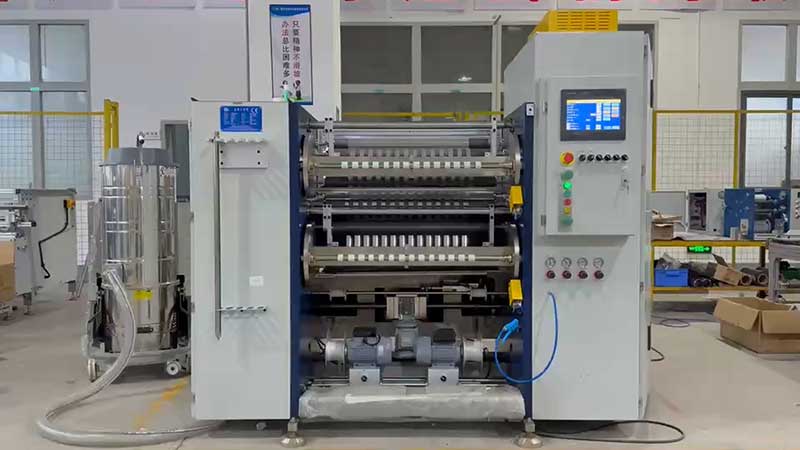
1. Cleaning the electrical cabinet (power off operation!) : This is the top priority in monthly maintenance. Overheating is the primary cause of electrical component damage. You must clean dust inside the electrical control cabinet with a vacuum cleaner or a dry cloth when the power is off, and pay special attention to checking whether the inverter and PLC module cooling fans are operating normally.
2. Tension system review: After prolonged use of the tension sensor, the zero point may drift. It is necessary to use weights or standard methods to re-calibrate the tension set values for unwinding and rewinding.
3. Check the drive belt: Check the tension of the main drive belt and motor belt. If too loose, it will slip and lose turn; if too tight, it will damage the bearing.
An additional tip for you: maintenance records are more important than the maintenance itself
It is recommended to equip this machine with an "Equipment Maintenance Logbook." After each daily, weekly, and monthly maintenance, the operator should sign and write down any abnormal conditions. Don't underestimate this small issue—if the equipment fluctuates, you can quickly pinpoint the problem by checking the records—this gold foil foil costs tens or even hundreds of yuan per kilogram, and the loss from a single shutdown is much higher than in the maintenance logbook.
Which brand is your slitting machine from? If you frequently experience issues with uneven winding tightness, you may need to pay special attention to daily maintenance of the slip shaft. You can tell me the specific situation, and I will provide you with targeted troubleshooting recommendations.
 Common Problems with Hot Stamping Foil Slitting Machines and How to Solve Them
 What Specifications Should You Look for in a Hot Stamping Foil Slitting Machine?
 Hot Stamping Foil Slitting Machine Selection Guide: Tension Control Is Key
 How to choose a hot stamping foil slitting machine? Let's first look at these three parameters
 Selection of hot stamping foil slitting machines: how to match width and speed


 English
 Deutsch
 Français
 Español
 Português
 日本語
日本語 русский
 한국어
한국어 عربي
عربي ภาษาไทย
 Tiếng Việt
 Italiano
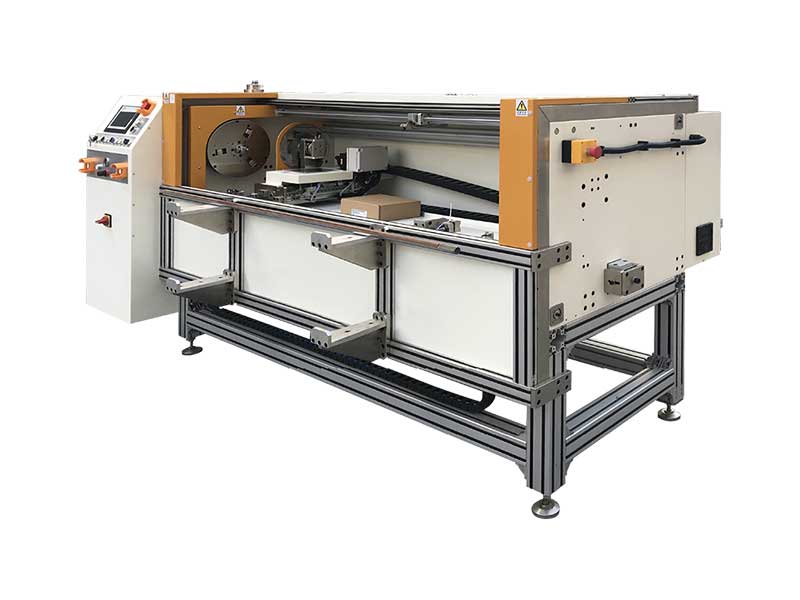 Automatic Foil Roll Cutting Machine
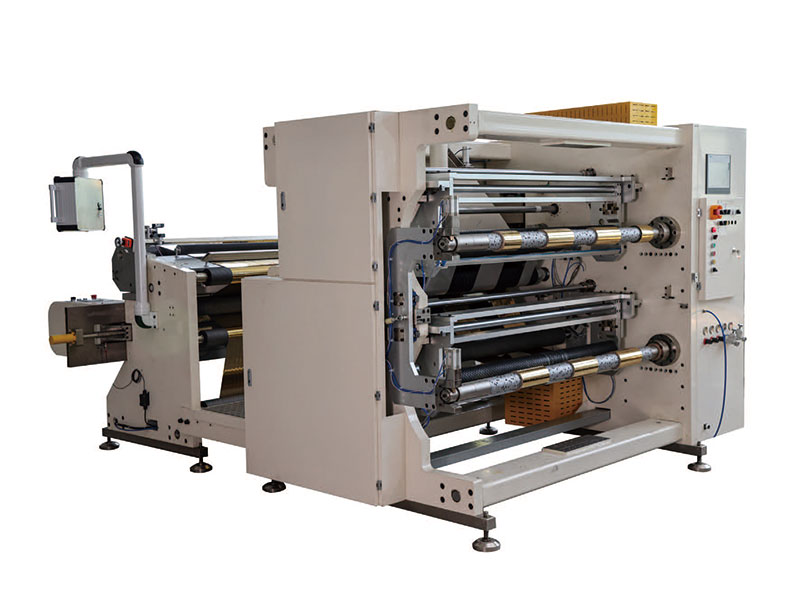 1400mm Hot Stamping Foil Slitting Machine
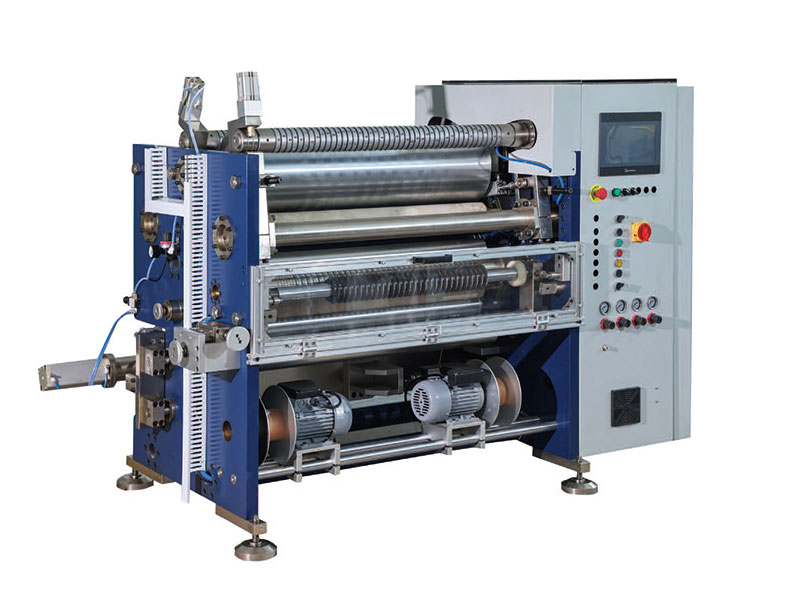 800mm Hot Stamping Foil Slitting Machine
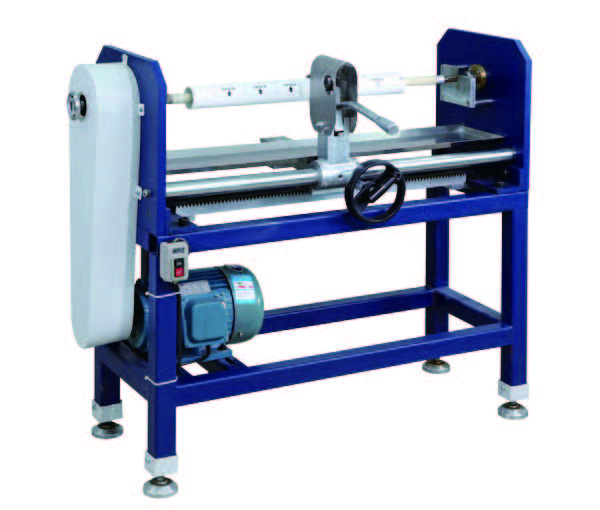 Manual Foil Roll Cutting Machine