
In the film processing industry, capacity is the lifeline. As "improving efficiency by 50%" becomes the goal for more and more factories, the real question is: where can such a leap be achieved? The answer isn't about a single component, but about coordinating control over three core parameters.
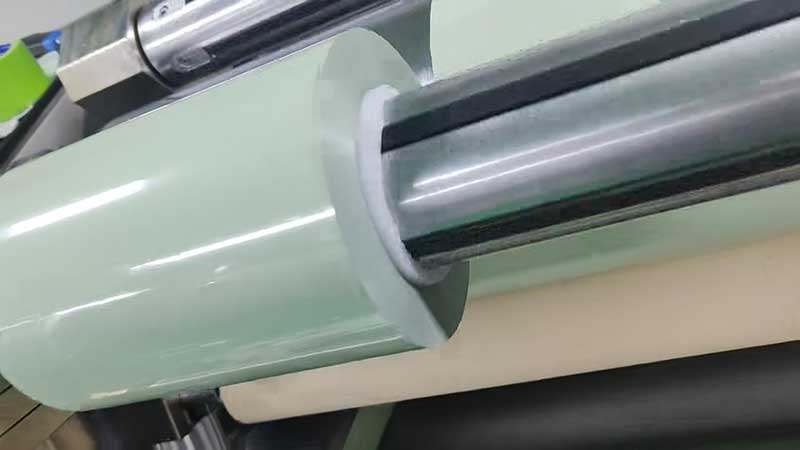
The first parameter: tension control—the cornerstone of quality and speed
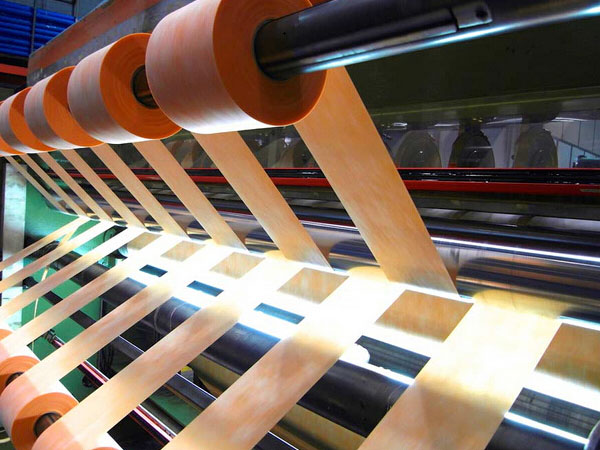
Tension control is the most fundamental and critical variable in the slitting process. If the tension is too low, the film becomes loose, misaligned, and wrinkles; Excessive tension leads to tensile deformation or even film breakage, directly affecting the yield of finished products.
Modern slitting machines have achieved closed-loop servo control with precision reaching ±0.1N. The dynamic tension control system can adjust the tension during unwinding and rewinding in real time, offsetting fluctuations caused by changes in the master roll diameter, and preventing inner layer collapse or outer layer loosening.
Proper tension control leads to more stable equipment operation and creates conditions for acceleration. Some cases show that optimizing tension control can increase slitting speed by 20%~30%. Without stable tension, speeding up will only lead to a surge in defect rates, and efficiency improvements are out of the question.
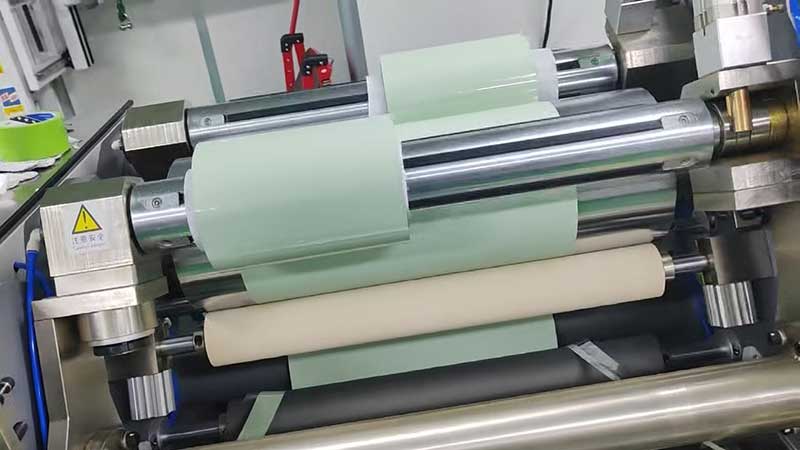
Second parameter: Automatic correction and online detection—squeezing out downtime
Traditional slitting machines rely on manual repeated adjustments, and downtime occupies a large amount of capacity space. The introduction of automatic deviation correction systems (EPC) and online visual inspection is key to reducing non-production time.
Photoelectric or laser correction devices can detect the edge position of the film in real time and automatically adjust the offset with an accuracy of up to ±0.1mm. Combined with CCD cameras for online edge quality monitoring, issues can be issued immediately upon detection, reducing the defect rate to below 0.5%.
More importantly, the automatic rewinding function combined with dual-station winding enables film bonding without stopping the machine, increasing efficiency by more than 30%. Reducing downtime and increasing equipment operating time naturally leads to a steady rise in production capacity.
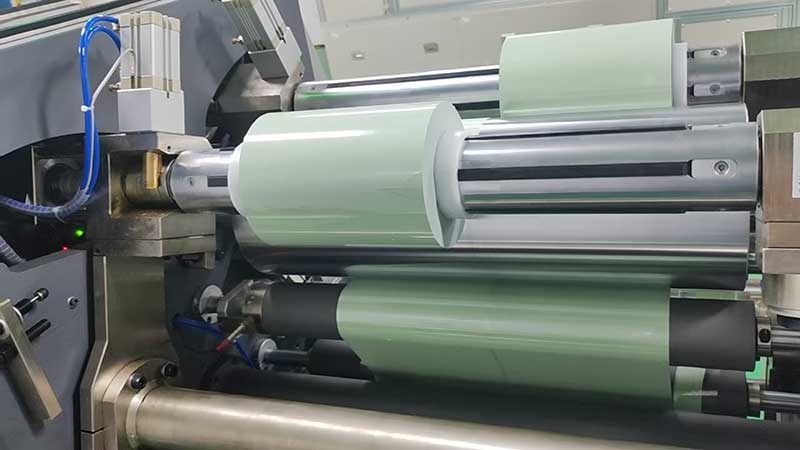
The third specification: Integration of intelligence and digitalization—the "accelerator" for capacity leaps
When hardware performance approaches physical limits, the breakthrough for efficiency lies in software and system integration. Modular tool design and rapid changeover capabilities directly affect the equipment's response speed to orders for multiple varieties.
The hydraulic quick-change tool holder can reduce the time needed to change slitting width from 30 minutes to 5 minutes, improving changeover efficiency by 70%. The formula memory function allows parameters to be recalled with one click during product changes, reducing human debugging errors.
A deeper level of efficiency improvement comes from the integration between equipment and MES systems: real-time data collection of slitting speed, pass rates, and other data, generating OEE reports, and accurately identifying bottlenecks. After flexible packaging factories joined, OEE increased from 65% to 85%, with comprehensive capacity growth reaching 40%~60%.
A 50% efficiency improvement is not an unattainable goal, but it cannot be achieved by upgrading a single component. Tension control ensures the bottom line of quality at high speeds, automatic correction and online detection squeeze out the "inflated" downtime, while digital integration brings equipment and process optimization onto a system-level iteration track. All three parameters are closely linked and indispensable. For companies planning capacity upgrades, it is advisable to review existing equipment within this framework and identify weaknesses, so that every investment can be converted into real capacity improvements.


 English
 Deutsch
 Français
 Español
 Português
 日本語
日本語 русский
 한국어
한국어 عربي
عربي ภาษาไทย
 Tiếng Việt
 Italiano

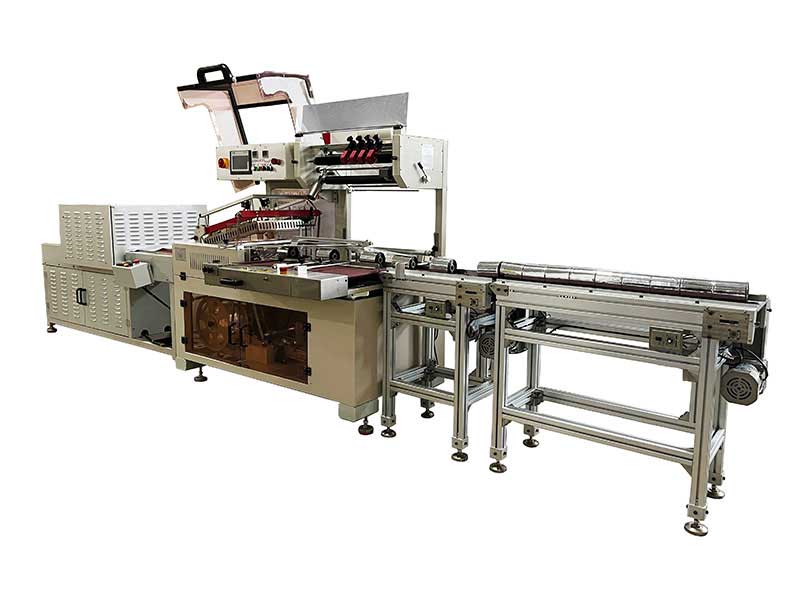 Thermal Transfer Ribbons Packaging Machine
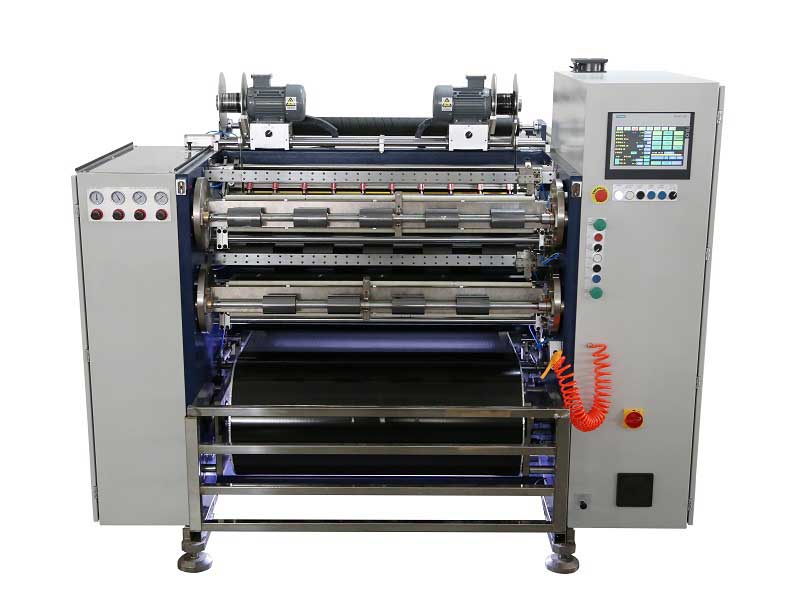 Automatic Thermal Transfer Ribbon Slitting Machine RSDS8 H PLUS
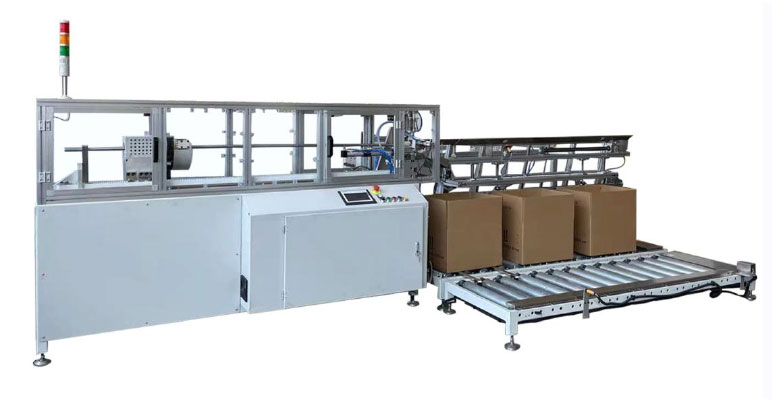 Automatic Paper Core Cutting Machine
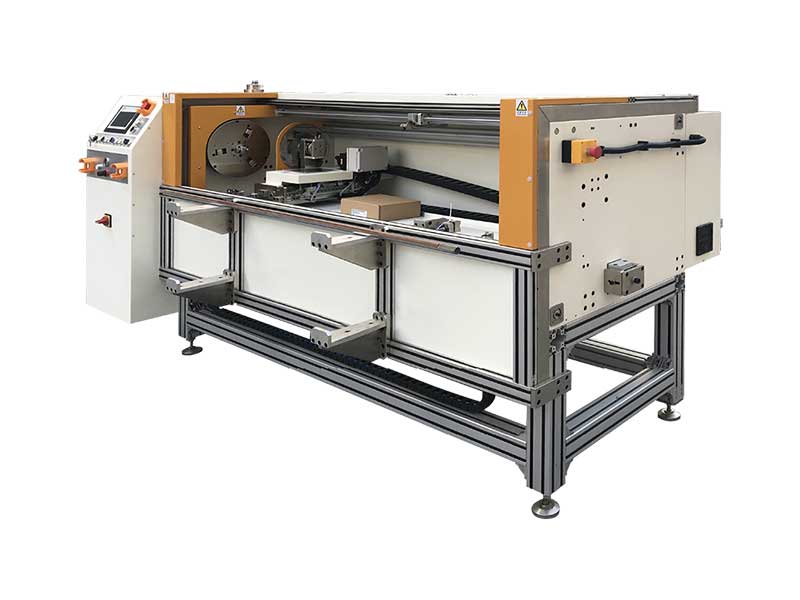 Automatic Foil Roll Cutting Machine