
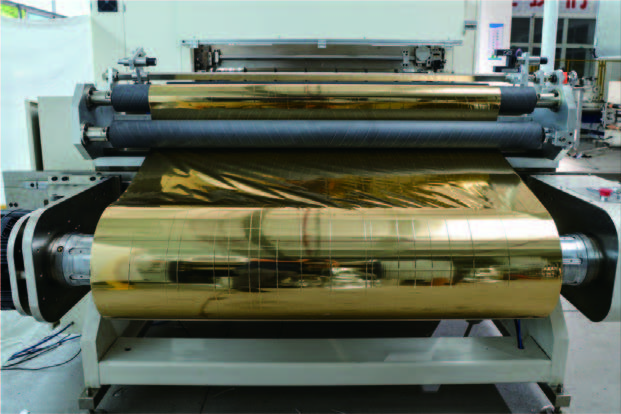
The hot stamping process gives packaging and printed products a unique metallic texture, and the hot stamping foil slitting machine is the "first hurdle" in this process chain. Every roll of gold leaf it cuts directly determines the accuracy of subsequent stamping registration, material utilization, and even the final product yield. In 2026, facing various models on the market ranging from tens of thousands to over a million RMB, how can we make wise decisions focusing on precision, speed, and cost-effectiveness? This article will analyze these three aspects one by one.
1. The Battle of Precision: The Cost Revolution Behind Micron-Level Errors
Slitting accuracy is the primary indicator for evaluating equipment performance and directly affects the waste rate of hot stamping foil. Hot stamping foil is usually made by laminating PET base films with multiple coatings, often only 12-25 microns thick, making it highly sensitive to processing precision. A 0.5mm error ± traditional equipment may seem minor, but it can cause inaccurate registration during high-speed hot stamping, resulting in the entire batch of high-end packaging being scrapped.
Equipment Accuracy Level for 2026:
• High-end models: Slitting accuracy from ±0.05mm to ±0.1mm, suitable for tobacco packaging, luxury label processing, and anti-counterfeiting material processing
• Standard models: Accuracy generally ranges from ± 0.1-0.3mm, meeting most standard hot stamping requirements
The core of determining accuracy lies in two major systems, which are recommended to be carefully considered when selecting models:
1. Tension control system—the lifeblood of precision
Over 90% of slitting dimensions and uneven end faces stem from improper tension control. The criteria are simple: first, check whether it is fully closed-loop servo tension control (compared to open-loop control, it can provide real-time feedback and dynamically adjust tension through sensors to ensure constant acceleration and deceleration); Second, check whether taper tension technology is equipped (reducing tension as the roll diameter increases to prevent the inner foil from being damaged).
2. Correction and tool systems—the determinants of cutting quality
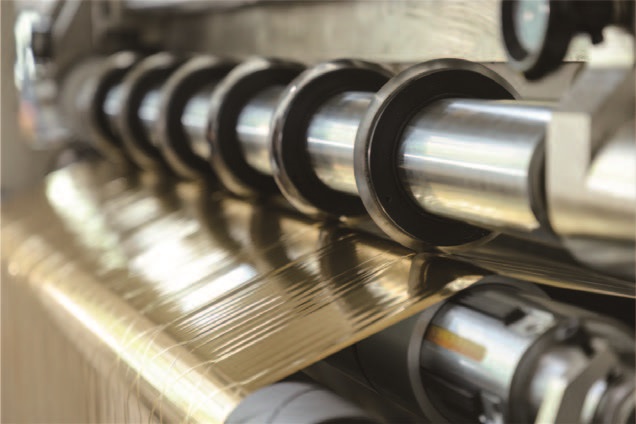
• Correction system: It is recommended to prioritize ultrasonic correction sensors, as their detection is unaffected by foil color or metal reflection; High-end models have integrated CCD visual recognition and can automatically recognize printed edge labels.
• Tools and body: High-quality equipment uses diamond-coated round blades, with edges polished to a mirror finish. At the same time, it is essential to check whether the machine body is an integral cast structure, as its rigidity and shock resistance are far superior to steel plate welded bodies. This is the physical basis for the blade shaft not to shake at high speeds.
2. Speed and Efficiency: It's not just about "running fast."
Cutting speed directly affects production capacity, but "how fast it can run" and "how much effective output it produces" are two different things. The equipment speed tiers for 2026 are as follows:
| Equipment level | Typical speed range | Applicable scenarios |
| Small/semi-automatic equipment | 10-80 meters per minute | Small-batch customization, startups, and multi-product switching |
| Standard fully automatic equipment | 80-200 meters per minute | Medium-scale production, mostly processing enterprises |
| High-speed/high-end equipment | 200-500 meters per minute | Large-scale continuous production and single-variety scaling |
Key details for efficiency improvement:
Speed and accuracy are often inversely proportional. When evaluating high-speed equipment, it is essential to look at its stability during acceleration and deceleration, not just the maximum speed indicator. Moreover, true efficiency comes from "less downtime." Equipment equipped with automatic coil changing and quick clamping devices can reduce order change time from 15 minutes to 3 minutes; Devices equipped with recipe storage functions digitize slitting parameters for different products, allowing them to be accessed with one click during order changes, avoiding reliance on the "touch" of experienced craftsmen and enabling beginners to quickly get started.
3. Cost-Effectiveness Calculations: The Leap from Budget to Comprehensive Return
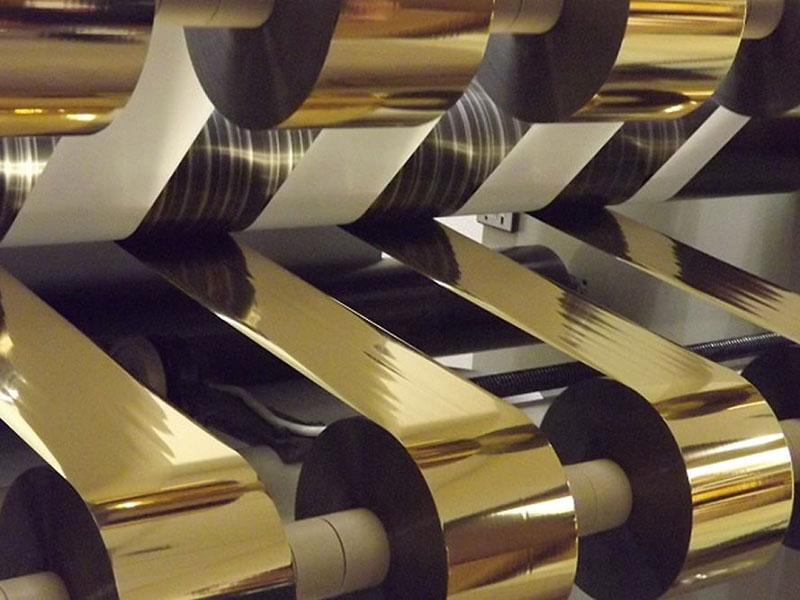
When comparing prices, you shouldn't just look at bare metal quotes; you need to calculate the "full lifecycle cost." Expensive equipment can actually offer better value if it can yield returns in terms of material savings and labor costs.
2026 market price reference:
• Economy model: 50,000-150,000 RMB, meeting basic slitting needs
• Mid-range model: 150,000-400,000 RMB, balancing performance and price
• High-end model: above 400,000 yuan, high-precision fully automated; Imported high-end equipment can exceed 1 million yuan
Two easily overlooked profit points:
Material loss rates are an invisible profit black hole. High-precision slitting can reduce material loss rates from over 5% to below 1% compared to traditional equipment. Considering the annual consumption of millions of materials, this savings are quite significant. At the same time, the level of intelligence determines long-term labor costs. Models equipped with IoT remote monitoring and AI visual defect detection (with over 99.5% accuracy in identifying scratches, bubbles, and other defects), enabling predictive maintenance and reducing downtime by over 30%.
Practical shopping checklist
Before making a final decision in 2026, it is recommended that you complete the following four steps:
1. Clarify your real needs: First, clarify your core requirements—your main material thickness (whether it involves ultra-thin foil below 12μm), commonly used slitting widths, and daily capacity requirements, so you don't pay for unused features.
2. Be sure to test on site: Bring your commonly used hot stamping foil master roll for testing. Focus on checking whether the slitting end face is mirror-like flat, free of impressions or burrs, and measure width consistency over 100 consecutive rolls.
3. Ask about core configuration: Confirm the brands of key components such as tension sensors, servo motors, correction systems, and bearings (such as SKF, NSK), as these directly determine the long-term stability of the equipment.
4. Evaluate the Payback Period: Comprehensively consider the impact of the equipment on material savings, labor reduction, and energy consumption, and calculate the payback period. Typically, the payback period for high-quality equipment is 1-3 years.
Summary: Choosing a hot stamping foil slitting machine essentially means selecting a "precise and stable cutting system." The 2026 market offers a wide range of options from economical to intelligent models. The most suitable equipment is not necessarily the most feature-rich or least expensive, but the one that best meets your actual production materials and precision requirements, and has a reliable service system. Before making decisions, spend more time communicating deeply with suppliers, letting sample papers speak and data-driven decisions.
 Detailed explanation of the automation functions of the hot stamping foil slitting machineCustomized plans and processes for hot stamping foil slitting machines
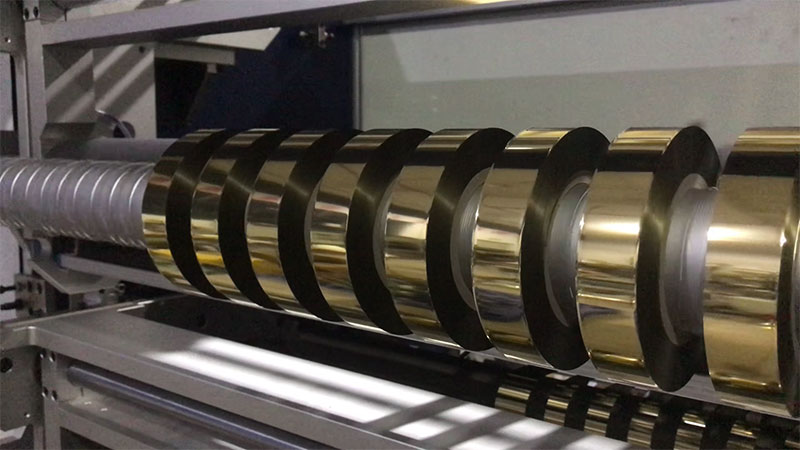 Description of the hot stamping foil slitting machine's winding and rewinding systemThe hot stamping foil slitting machine is suitable for both materials and scenariosWorking principle and advantages of the hot stamping foil slitting machine


 English
 Deutsch
 Français
 Español
 Português
 日本語
日本語 русский
 한국어
한국어 عربي
عربي ภาษาไทย
 Tiếng Việt
 Italiano
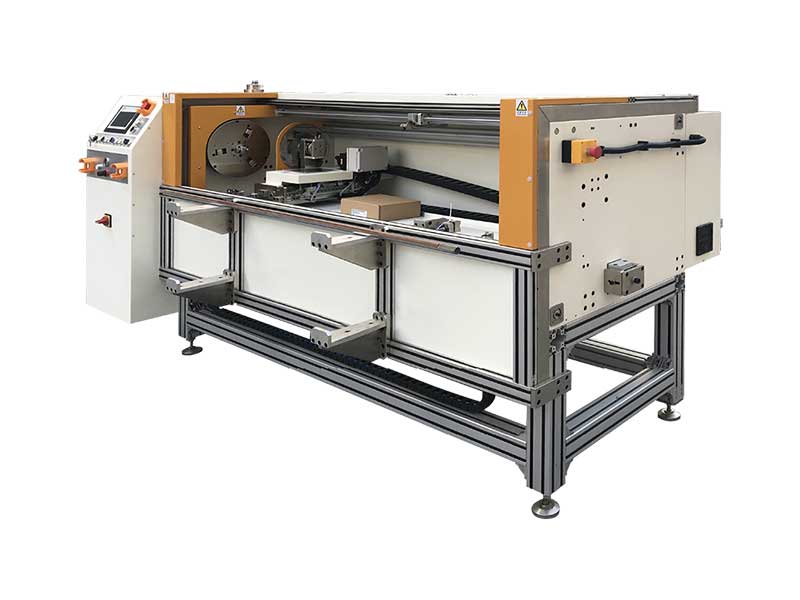 Automatic Foil Roll Cutting Machine
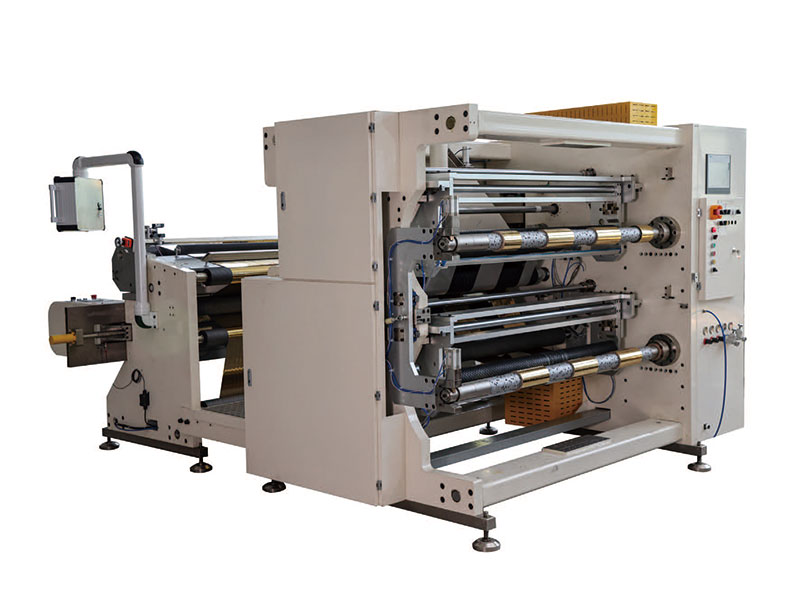 1400mm Hot Stamping Foil Slitting Machine
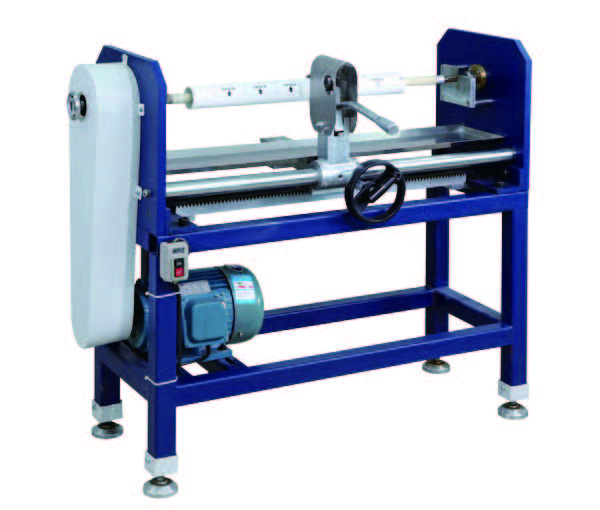 Manual Foil Roll Cutting Machine
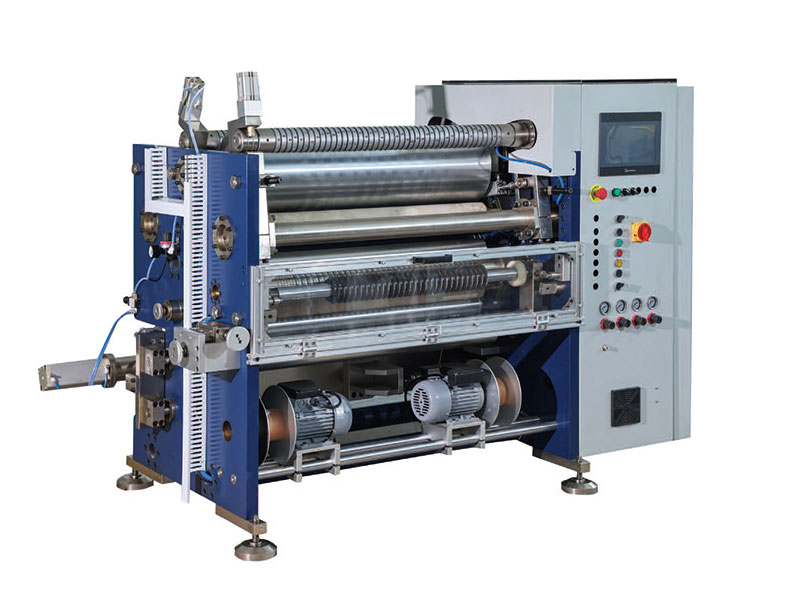 800mm Hot Stamping Foil Slitting Machine