
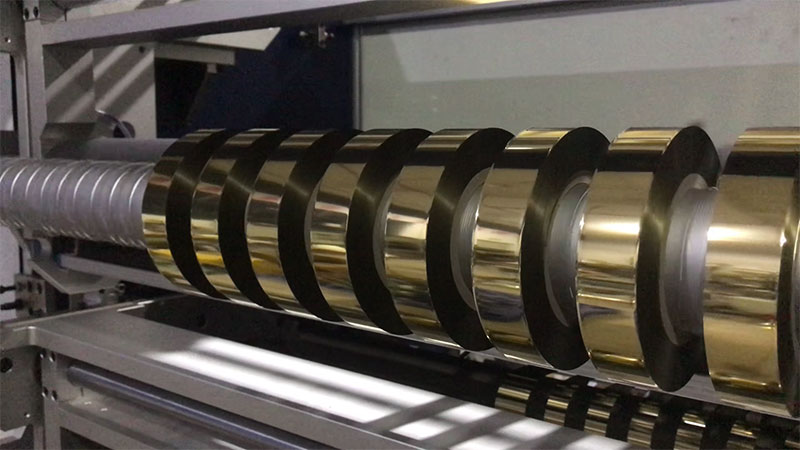
In the stamping process, the quality of the slitting stage directly determines the final stamping effect. Burrs, serrated edges, powder shedding—these edge defects have long troubled packaging and printing companies, not only causing expensive foil foil waste but also potentially causing a batch of premium packaging products to fail in the hands of customers. Today, the new generation of hot stamping foil slitting machines is transforming "edge burrs" from a production routine into a controllable exception through systematic technological innovation.
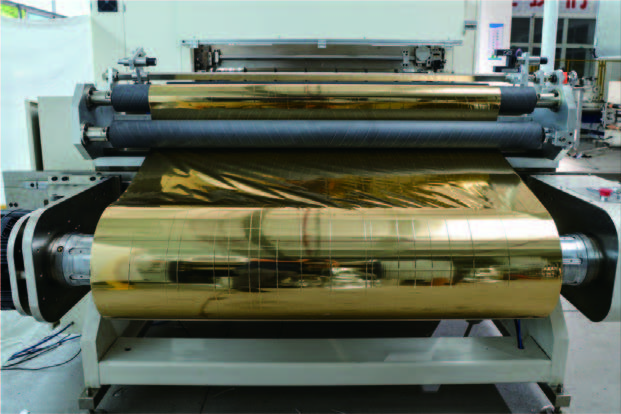
Where do the hairs come from?
To understand improvements in slitting machines, one must first grasp the nature of burrs. The so-called "burr" essentially refers to irregular napping, fine foil powder, or strings at the edges of the slitted foil tape. Its roots can be divided into three categories:
The blade issue is the "number one culprit." The blunt blade cannot "cut" the foil foil cleanly; instead, it relies on pressure to "squeeze" or "tear" through, resulting in naturally rough edges. Unstable tension control causes the foil strip to vibrate or stretch during slitting, greatly reducing cutting precision. In addition, the material characteristics of hot stamping foil such as brittleness of the coating and uneven base film thickness also affect the slitting effect.
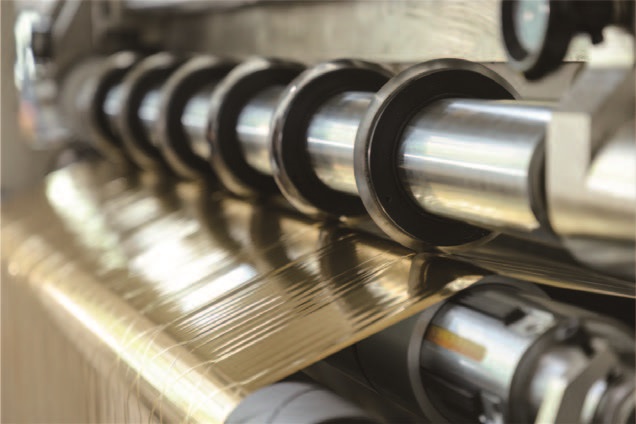
What does the slitting machine do?
The core improvement of modern hot stamping foil slitting machines lies in shifting from "passive response" to "proactive prevention," establishing a closed-loop system covering mechanical, process, and intelligent control.
1. Tool Set Upgrade: From "Blunt Weapon" to "Sharp Weapon"
The new generation slitting machine has the most thorough improvements in the tool section. Traditional equipment relies on manual experience to determine the timing of tool changes, whereas modern equipment introduces nano-level slitting tool sets, using diamond-coated inserts (hardness HRC90+), combined with a hydraulic constant pressure system to ensure stable cutting pressure. More importantly, the operational standard shifted from "replace when no longer works" to predictive replacement—establishing blade usage records, mandating replacement after slicing a certain meter, and eliminating dull tool operations from the source.
2. Tension Control: From "Tactile Experience" to "Closed-Loop Feedback"
Tension is the invisible driver of slitting mass. Older equipment relies on operators to adjust by feel, making it difficult to maintain consistency. Modern slitting machines are equipped with high-precision closed-loop tension control systems, which monitor and dynamically adjust unwinding and rewinding tension in real time through servo motors, keeping fluctuations within ±0.5N. Whether accelerating, decelerating, or running at a constant speed, the foil strip is always in an ideal state of flatness, tightness, and vibration-free.
3. Tool Setting Process: From "Almost" to "Trinity"
On the operational level, the standardization of precise cutting methods has made burr issues clear and manageable. The industry has summarized a "three-step counter-cutting method," turning experience into replicable processes:
• Static reference tool setting: calibrate before startup. Clean the knife holder, use feeler gauges to check the gap between upper and lower blades (hot stamping foil recommended 0.02-0.05mm, in a "semi-touch, not touch" state), and verify the blade cutting angle (8°~12° is preferable) with an angle gauge to eliminate installation deviations.
• Dynamic fine-tuning tool setting: When running at low speed, measure the radial runout of the blade blade edge using a dial gauge (≤ 0.02mm), and observe the effect with a magnifying glass through a 100mm trial cutting to adjust dynamically until the edges are smooth.
• Tension matching tool alignment: Adjust the unwinding and rewinding tension based on material thickness, fine-tune the feed rate in 0.05mm increments, and finalize the parameters into the process card, achieving "one-time adjustment, repeated every time" for materials of the same specification.
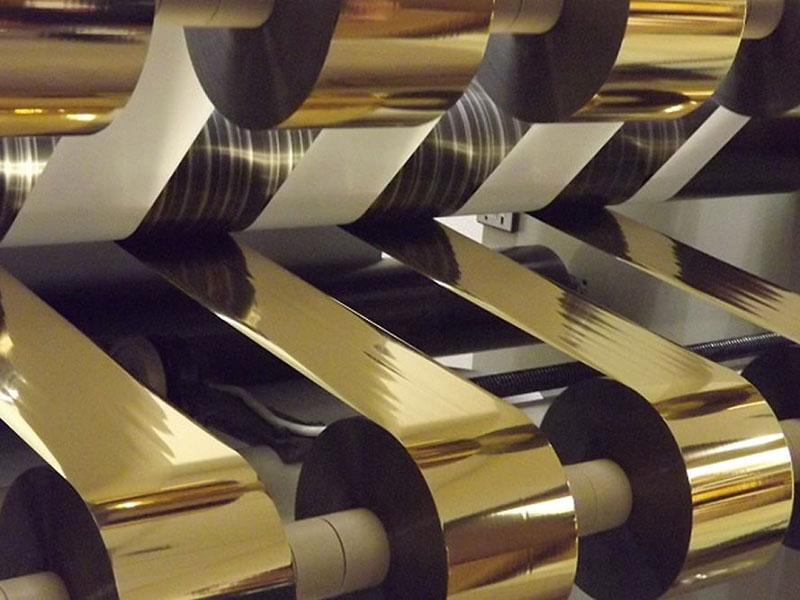
How effective is it?
The benefits of this systematic improvement are directly reflected in the data. Practical cases show that after adopting the new generation intelligent slitting machine, slitting speed can increase from 150 meters per minute to over 200 meters per minute, order change time shortened from 15 minutes to 3 minutes, and overall production capacity increases by about 30%. More importantly, the slitting loss rate has dropped from over 5% to below 1%, and just in terms of material savings, a significant portion of equipment investment can be recovered within half a year. In terms of precision, the slitting width tolerance narrows from ±0.1mm to ±0.03mm, and edge smoothness reaches Ra≤0.2μm, completely eliminating visible burrs.
Saying goodbye to edge burrs is not a victory for any single technology, but rather the result of systematic evolution in tool groups, tension, tool setting processes, and intelligent control of slitting machines. When a machine evolves from "cutting and cutting" to "cutting steadily, accurately, and long-lasting," edge burrs naturally disappear from being a persistent problem in the industry.
 Detailed explanation of the automation functions of the hot stamping foil slitting machineCustomized plans and processes for hot stamping foil slitting machines
 Description of the hot stamping foil slitting machine's winding and rewinding systemThe hot stamping foil slitting machine is suitable for both materials and scenariosWorking principle and advantages of the hot stamping foil slitting machine


 English
 Deutsch
 Français
 Español
 Português
 日本語
日本語 русский
 한국어
한국어 عربي
عربي ภาษาไทย
 Tiếng Việt
 Italiano
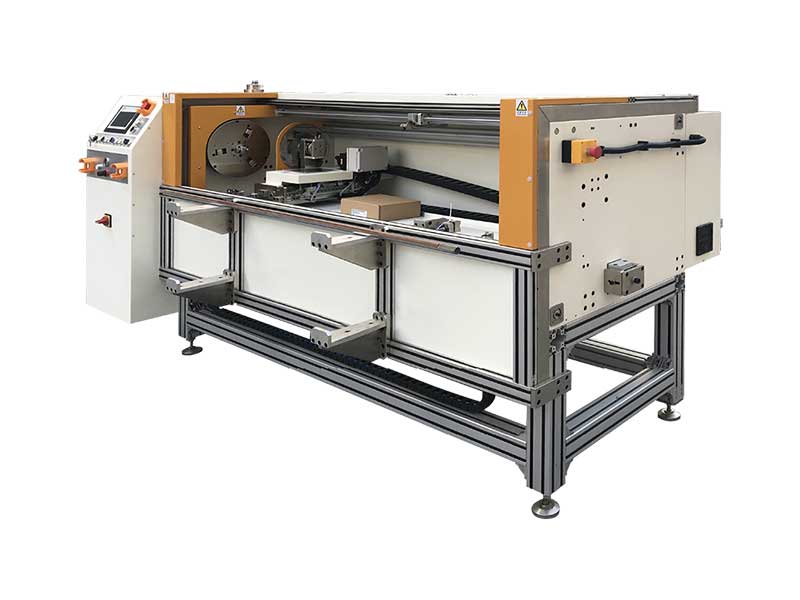 Automatic Foil Roll Cutting Machine
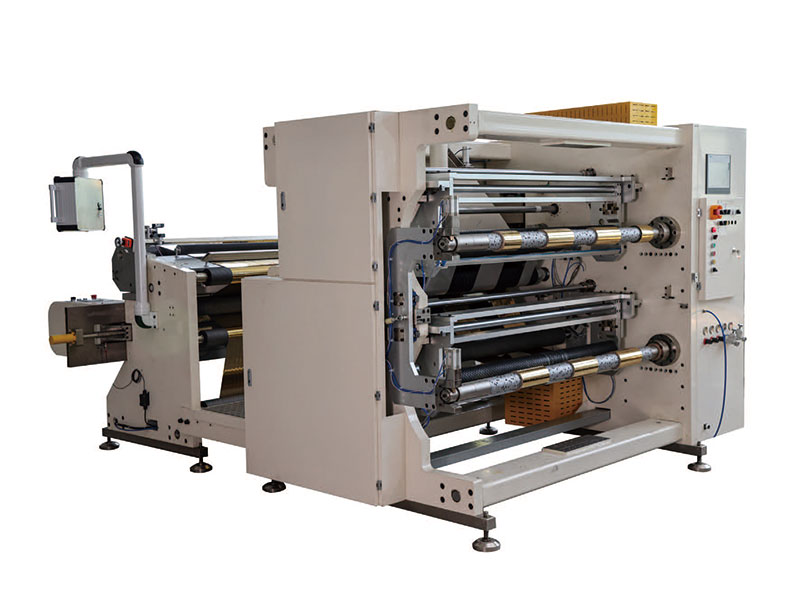 1400mm Hot Stamping Foil Slitting Machine
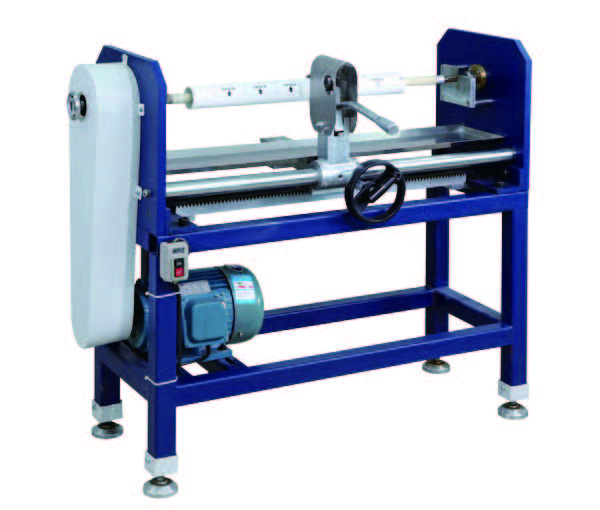 Manual Foil Roll Cutting Machine
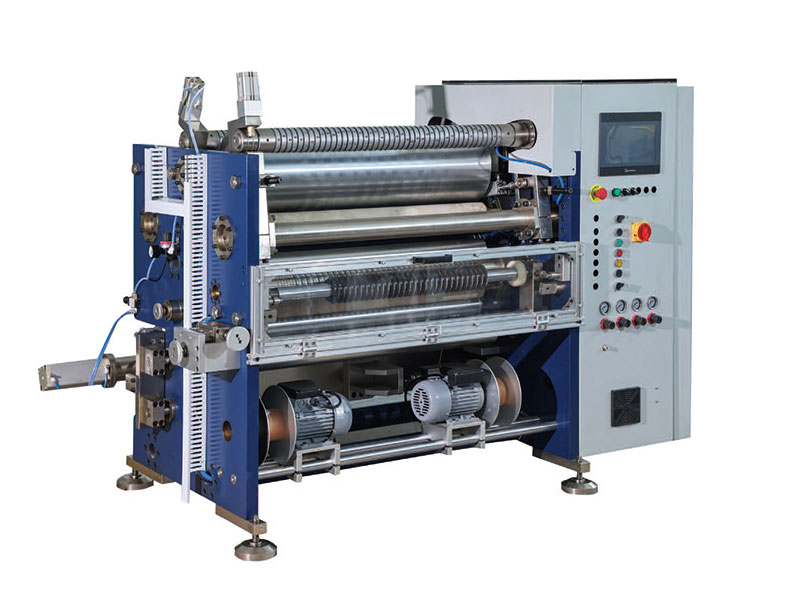 800mm Hot Stamping Foil Slitting Machine