
The core components are composed
The key to keeping the failure rate of the barcode ribbon slitter low is its well-designed core component system:
1. Precision slitting knife system
◦ Made of high-hardness alloy steel
◦ Nanoscale surface treatment process
◦ Automatic wear compensation design
2. Tension control system
◦ Full closed-loop servo control
◦ Real-time tension feedback adjustment
◦ Adaptive material properties
3. High-precision guide mechanism
◦ Ceramic surface treatment guide rollers
◦ Zero-backlash bearing design
◦ Dynamic balance correction
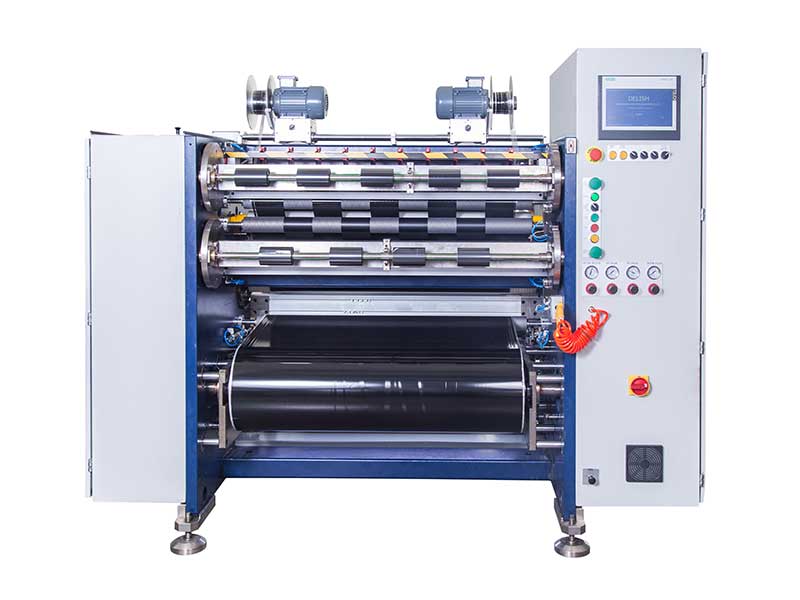
Low failure rate technology principle
Materials Science Applications
• Specialty composite materials for critical contact parts with both wear resistance and self-lubricating properties
• Antistatic treatment reduces malfunction caused by dust adsorption
Intelligent monitoring system
• Built-in vibration sensor to monitor the status of the machinery in real time
• Temperature monitoring to prevent overheating operation
• Automatically diagnose more than 90% of common fault types
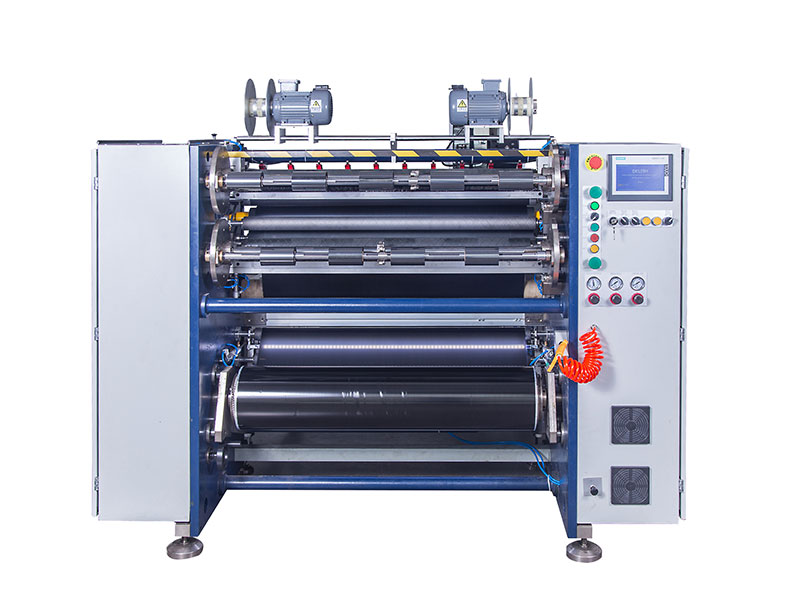
Maintenance points
1. Regular maintenance projects
◦ Change lubricant every 500 hours
◦ Check blade wear every 1000 hours
◦ Fully calibrated every 2000 hours
2. Daily checklist
◦ Clean the optical sensor window
◦ Check the tightness of the air system
◦ Check the status of each fastener
3. Life extension techniques
◦ Keep the ambient temperature and humidity stable
◦ Use the original specified consumables
◦ Avoid processing materials that exceed specifications
By optimizing the design and maintenance of these core components, modern high-quality slitters can achieve an average annual failure rate of less than 0.5%.
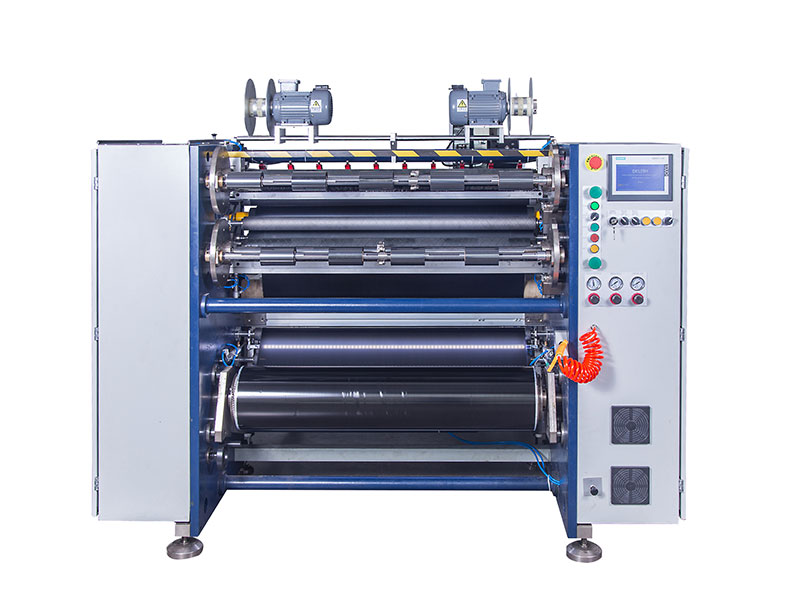 Can a barcode ribbon slitting machine cut and thermal transfer ribbons?
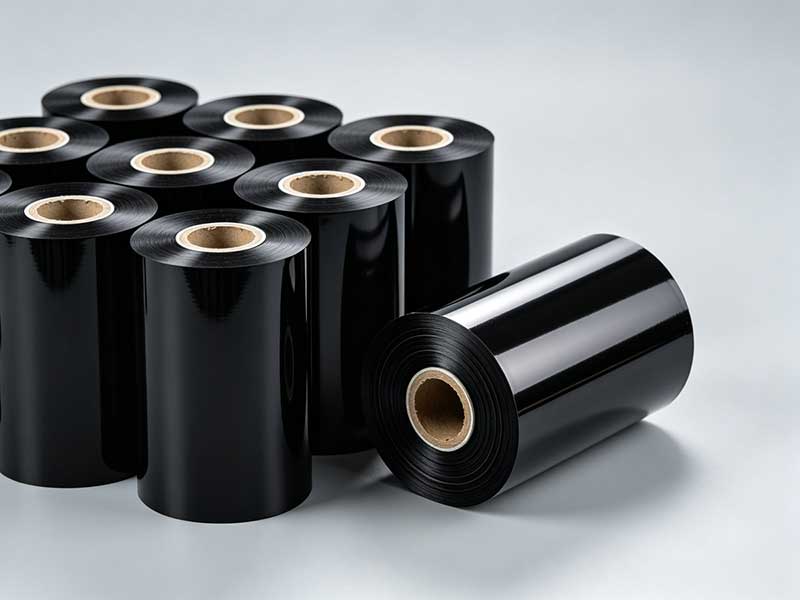 What ribbon materials are suitable for the barcode ribbon slitting machine?
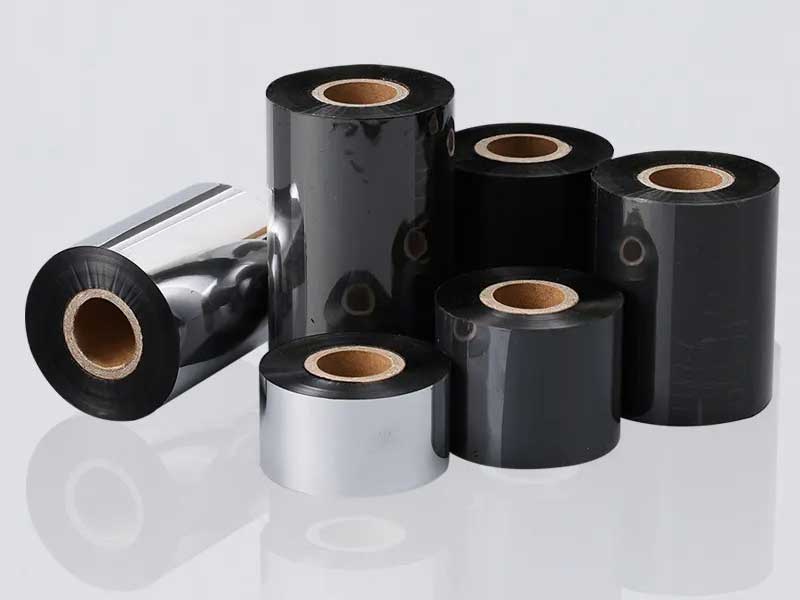 How to propose customized requirements for barcode ribbon slitting machines?How to choose a barcode ribbon slitting machine? Core Features and Key Selection Points
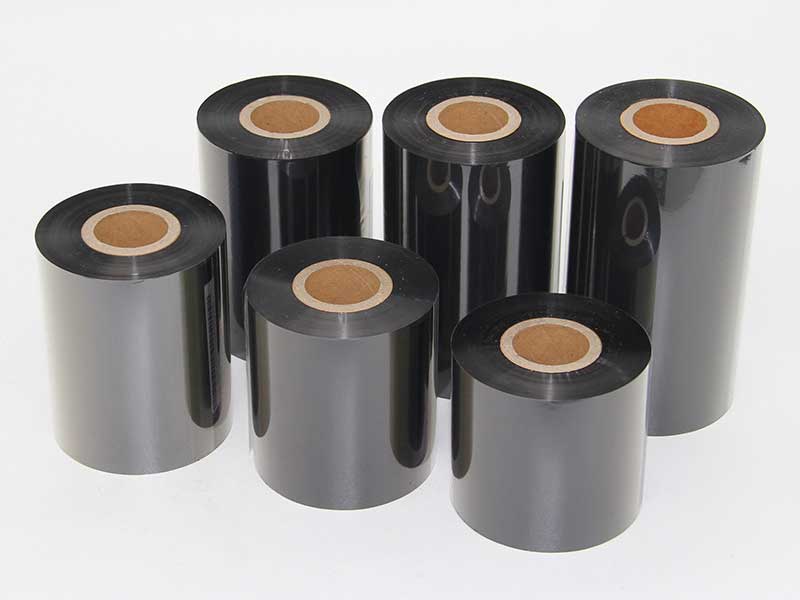 The ribbon slitting machine for the barcode printer is suitable for ribbon types


 English
 Deutsch
 Français
 Español
 Português
 日本語
日本語 русский
 한국어
한국어 عربي
عربي ภาษาไทย
 Tiếng Việt
 Italiano