
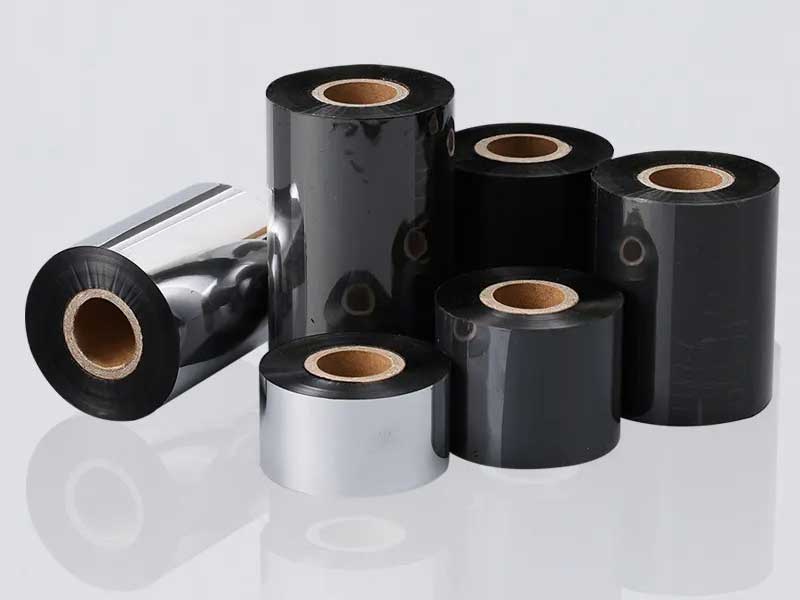
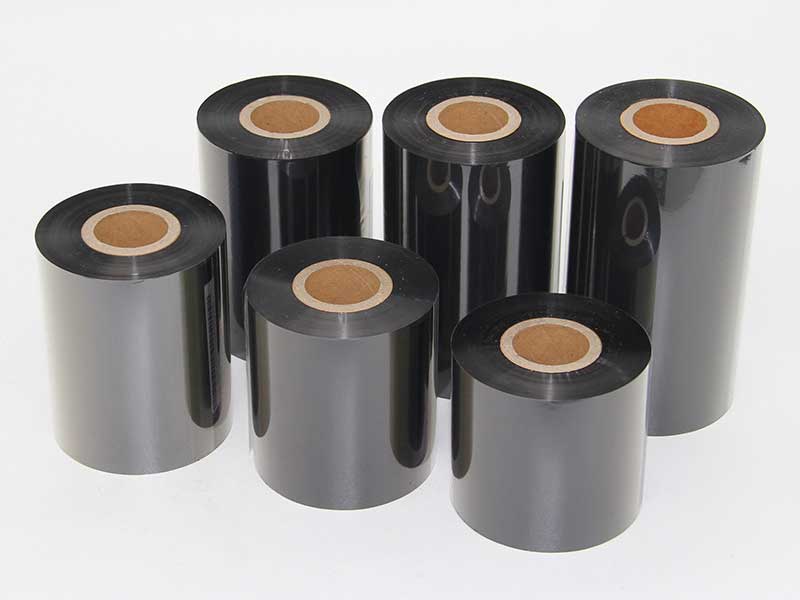
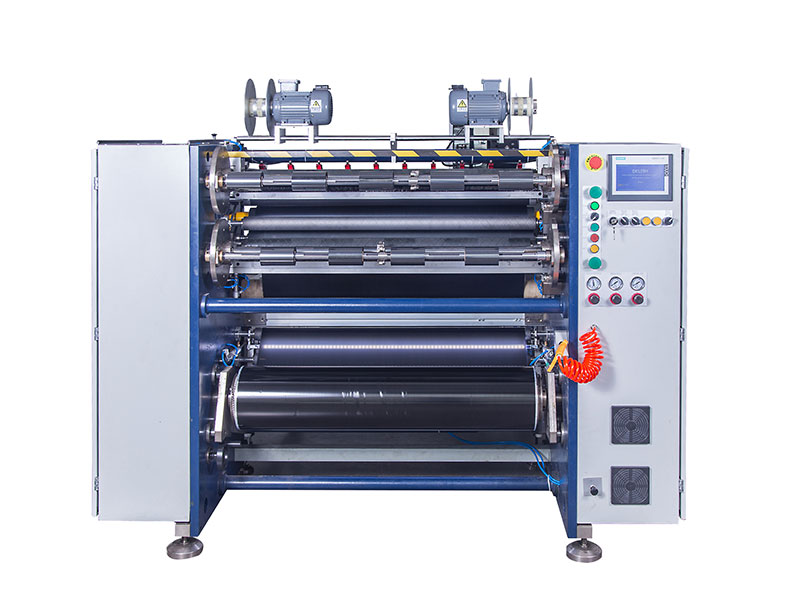
The core function of the barcode ribbon slitting machine is to precisely slice large rolls of wide-width ribbons into smaller rolls suitable for barcode printers. From the perspective of equipment adaptation, slitting machines need to address differences in coating formulations and physical properties among ribbon materials of different materials. Currently, mainstream barcode ribbon slitting machines on the market generally support slitting processing of the following three main types of ribbon materials.
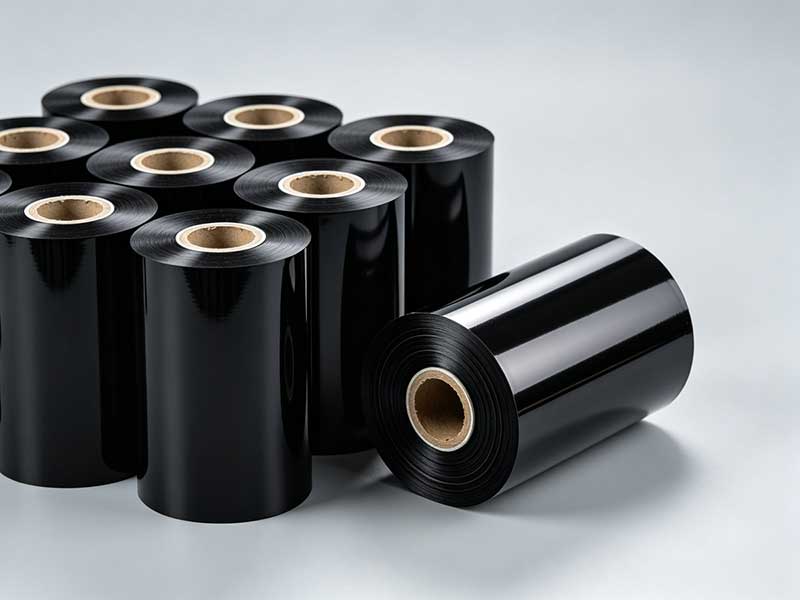
The three mainstream ribbon materials and their key slitting points
Wax-based ribbons are among the most commonly used materials in slitting machines. These ribbons mainly use wax and carbon black as coating materials, are cost-effective, highly sensitive, and have good printing clarity, mainly used for printing ordinary coated paper labels. The coating of wax-based ribbons is relatively soft, so tension control during slitting is necessary to prevent cracking or peeling caused by excessive stretching. Slitting machines typically use lower winding tension to suit these materials.
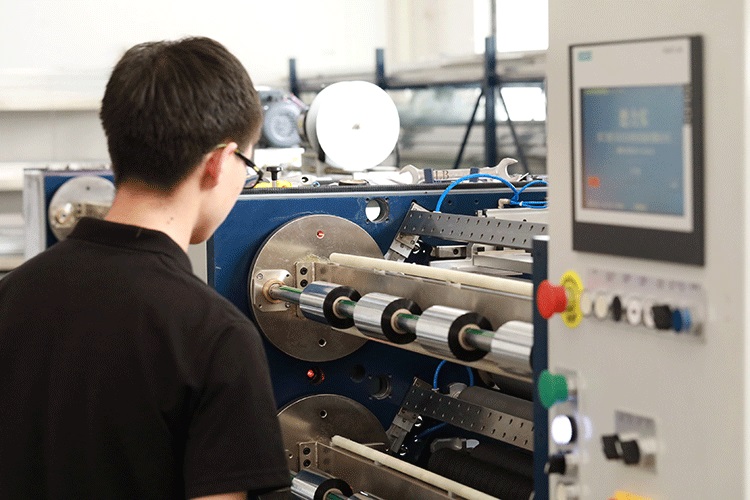
Hybrid-based ribbons (half wax, half resin) occupy an important position in slitting processing. It combines the advantages of wax-based and resin-based materials, offering excellent printing performance and durability, suitable for various label materials such as coated paper, synthetic paper, PET, and PVC. The coating hardness of hybrid-based ribbons lies between wax-based and resin-based, making them highly adaptable to slitting equipment but requiring higher slitting precision—the flatness of slitting edges directly affects the quality of barcodes during subsequent printing. The slitting width of these ribbons typically needs to be flexibly adjusted between 10mm and 150mm to meet different label printing specifications.
Resin-based ribbons have the strictest requirements for the slitting process. Resin-based ribbons use resin as the main coating material, offering excellent scratch resistance, high-temperature resistance, and chemical corrosion resistance. They are widely used in durable label printing in electronics, automotive, chemicals, and other industries, as well as in special scenarios like washable labels. Because resin coatings are hard and brittle, if the blades are not sharp or the tension fluctuates too much during slitting, edge cracking or coating peeling is likely to occur. Therefore, slitting machines handling resin-based carbon ribbons usually require higher-precision tension control systems and more wear-resistant slitting tools.
Additionally, among resin-based ribbons, there is a subcategory of washable ribbons, specifically for printing washable labels on textile materials, which must withstand industrial washing and high-temperature ironing. These ribbons also require meticulous process control during slitting to ensure that the finished product does not develop edge delamination during subsequent printing and washing.
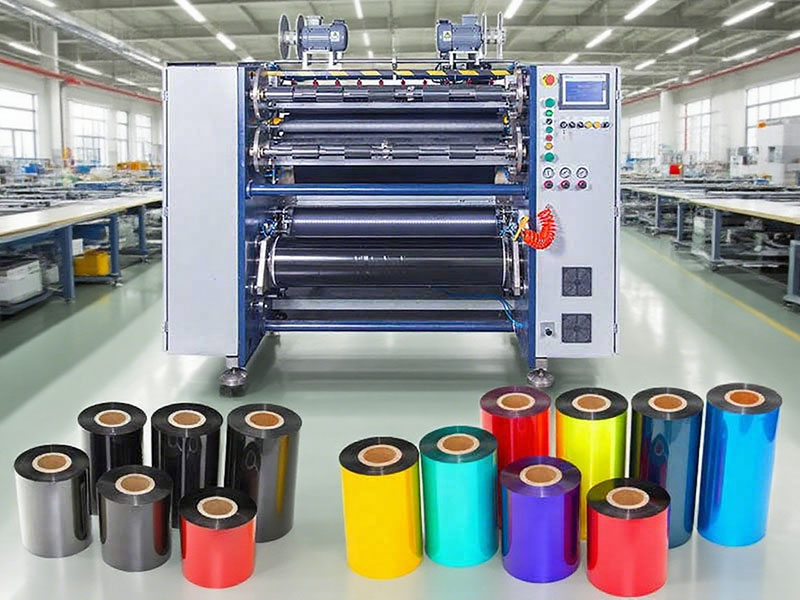
The relationship between equipment versatility and material compatibility
Whether a barcode ribbon slitting machine can handle multiple of these materials simultaneously depends on the accuracy of its tension control system and the suitability of the tools. Equipped with constant tension control and automatic deviation correction functions, parameters can be quickly adjusted when switching wax-based, mixed, or resin-based ribbons, reducing material waste. The flexibility of the slitting width range is also an important indicator, such as models supporting width adjustments from 10mm to 150mm, which can cover a wide range of specifications from retail labels to industrial signage.
For ribbon manufacturers and distributors, choosing a slitting machine requires considering the types of ribbon products their business covers. If the main service is general logistics and retail label markets, where the cutting needs of wax-based and mixed bases dominate, equipment configuration can be appropriately streamlined; For durable label business in industries such as electronics, chemicals, and textiles, it is essential to ensure that the slitting machine can stably handle resin-based and washable fabric ribbons to avoid printed thread breakage or reduced label durability caused by substandard slitting quality.
Conclusion
The applicable materials for barcode ribbon slitting machines cover three major types of ribbons: wax-based, blended, and resin-based. The differences in coating properties among different materials have imposed differentiated requirements on the slitting process. When selecting equipment, besides confirming "cutting capability," attention should be paid to "cutting well"—tension control accuracy, tool compatibility, and width adjustment range are the key factors determining slitting quality and material utilization.
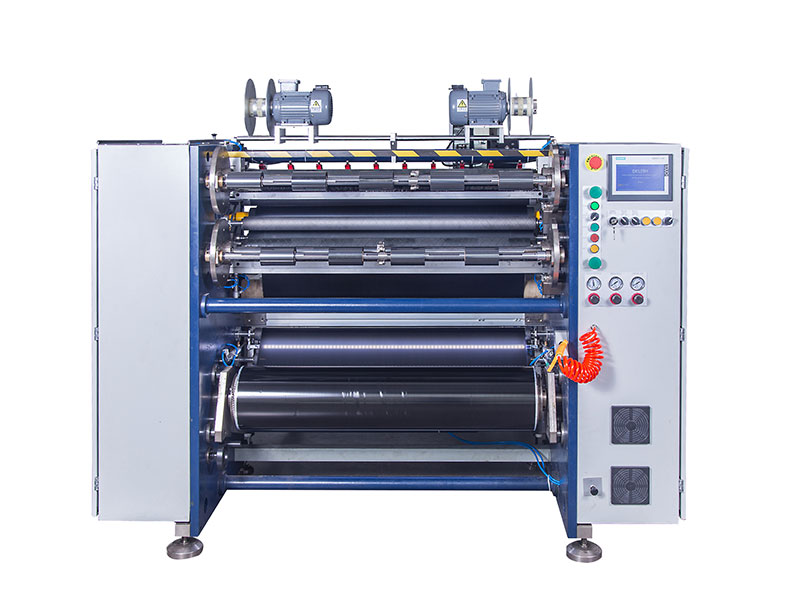 Can a barcode ribbon slitting machine cut and thermal transfer ribbons?
 How to propose customized requirements for barcode ribbon slitting machines?How to choose a barcode ribbon slitting machine? Core Features and Key Selection Points
 The ribbon slitting machine for the barcode printer is suitable for ribbon typesCore functions of the ribbon slitting machine for barcode printers


 English
 Deutsch
 Français
 Español
 Português
 日本語
日本語 русский
 한국어
한국어 عربي
عربي ภาษาไทย
 Tiếng Việt
 Italiano
 Barcode Ribbon Slitting Machine