
1. Automatic splicing system
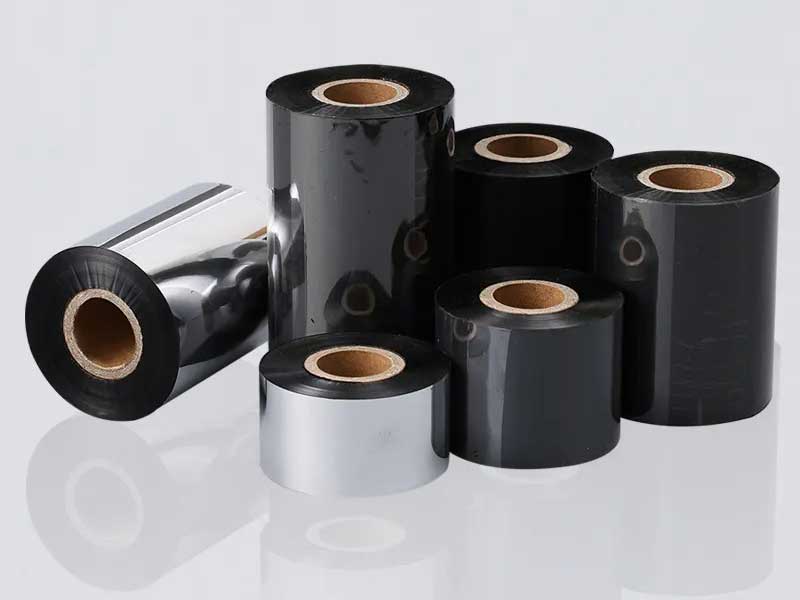
• Pre-filled roll design automatically detects and initiates new roll bonding before existing ribbons run out
• Equipped with a dual-axis system, one roll can be prepared in advance while the other roll is working
• Photoelectric sensor monitors ribbon balance and triggers automatic switching
2. Quick roll changing mechanism
• Designed with magnetic or snap-on core fixtures that can be replaced without tools
• Split reel for quick disassembly and installation
• Integrated quick positioning system for guide rollers to reduce alignment time
3. Pre-prepare the workstation
• Set up a pre-preparation area next to the machine to uncoil, align and align new rolls ahead of time
• Use standardized cores and adapters to reduce set-up time
• Prepare multiple reels with pre-loaded ribbons for backup
4. Intelligent management system
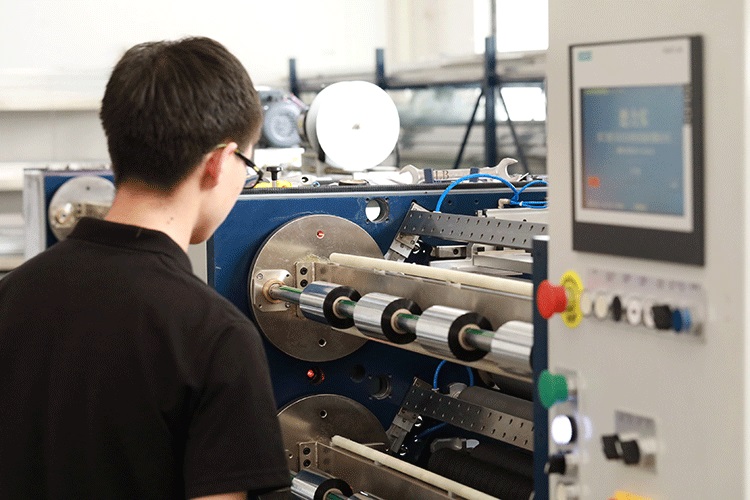
• Implement the MES system to predict the roll change time and remind the operator in advance
• Barcode/RFID automatically identifies ribbon parameters to reduce manual settings
• Record historical roll change data to optimize the roll change process
5. Personnel training and standardization
• Establish a standard roll change operation process (SOP) and continuously optimize it
• Special training for operators on rapid roll change
• Implement the concept of "Single Minute Mold Change (SMED)" to distinguish between internal and external operations
These improvements can reduce roll change downtime by 50-70% and significantly improve overall equipment effectiveness (OEE).
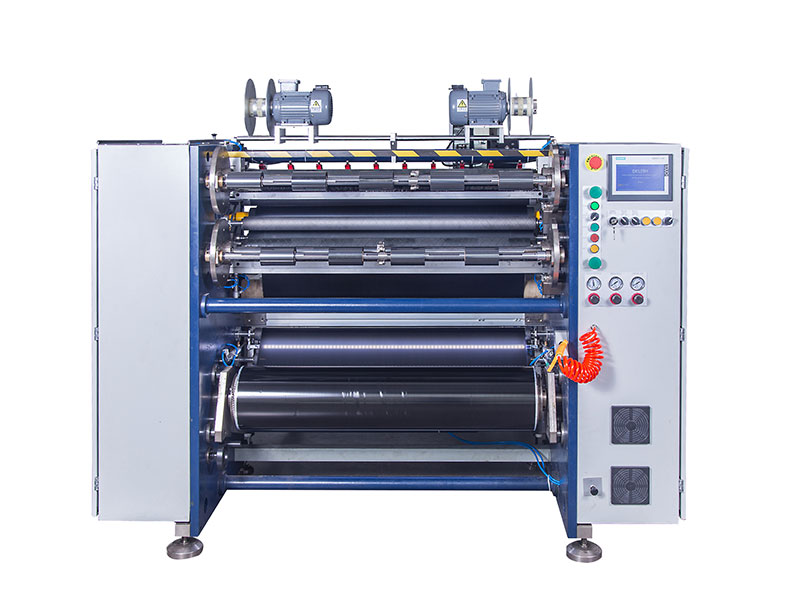 Can a barcode ribbon slitting machine cut and thermal transfer ribbons?
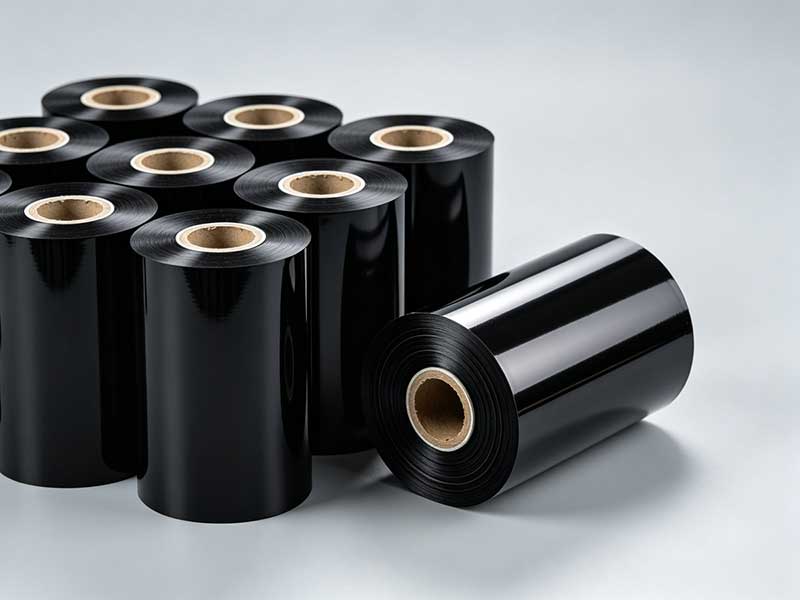 What ribbon materials are suitable for the barcode ribbon slitting machine?
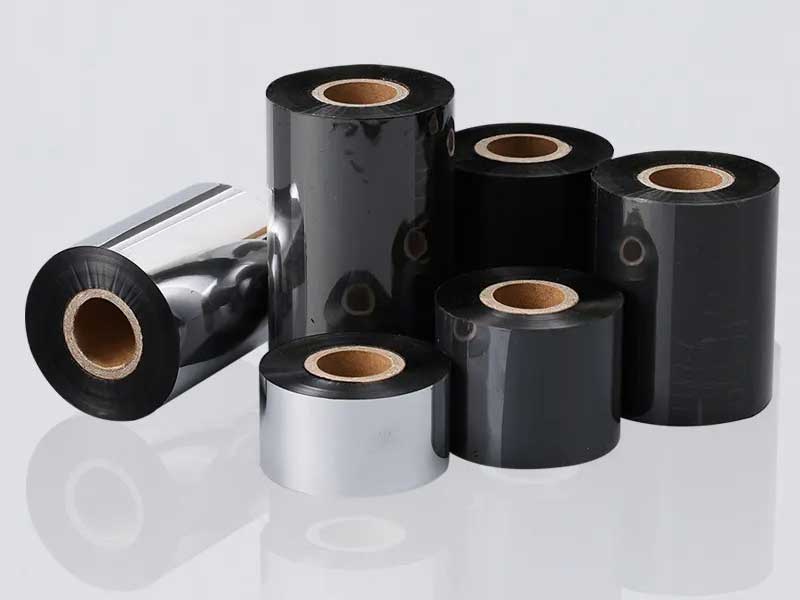 How to propose customized requirements for barcode ribbon slitting machines?How to choose a barcode ribbon slitting machine? Core Features and Key Selection Points
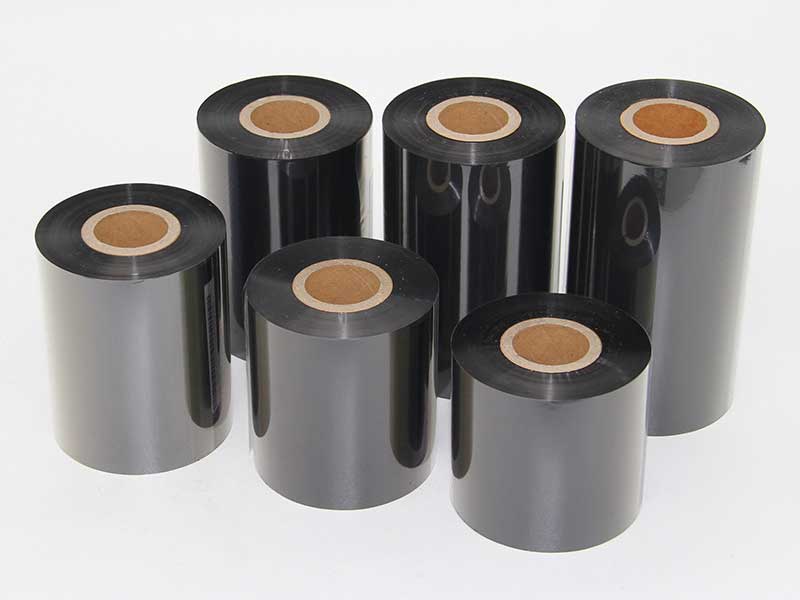 The ribbon slitting machine for the barcode printer is suitable for ribbon types


 English
 Deutsch
 Français
 Español
 Português
 日本語
日本語 русский
 한국어
한국어 عربي
عربي ภาษาไทย
 Tiếng Việt
 Italiano
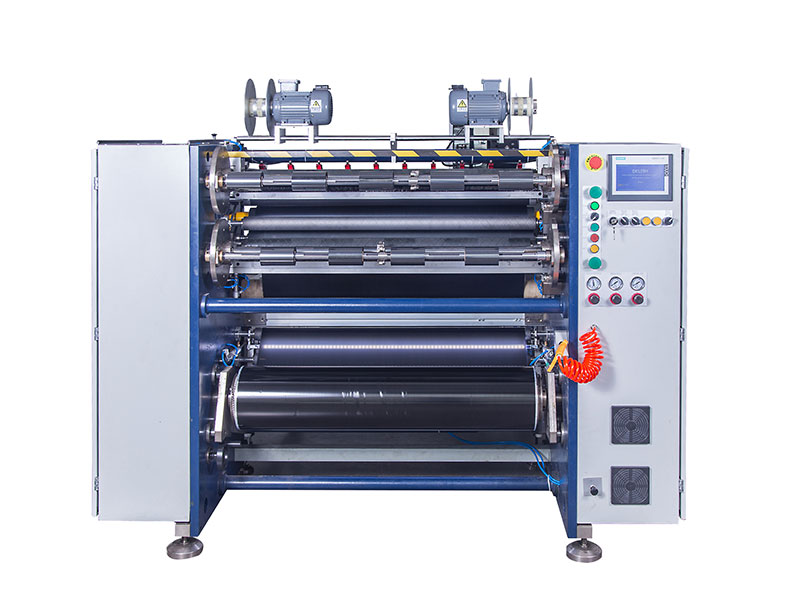 Barcode Ribbon Slitting Machine