
In today's highly competitive industrial manufacturing field, production efficiency and cost control are key factors for enterprises to stay competitive. Especially in the thermal transfer ribbon production industry, the scrap rate in the production process has always been an important indicator restricting the profitability of enterprises. Recently, with the innovation of ribbon slitting machine technology, a manufacturing revolution is quietly unfolding with the core of improving yield and reducing production waste.
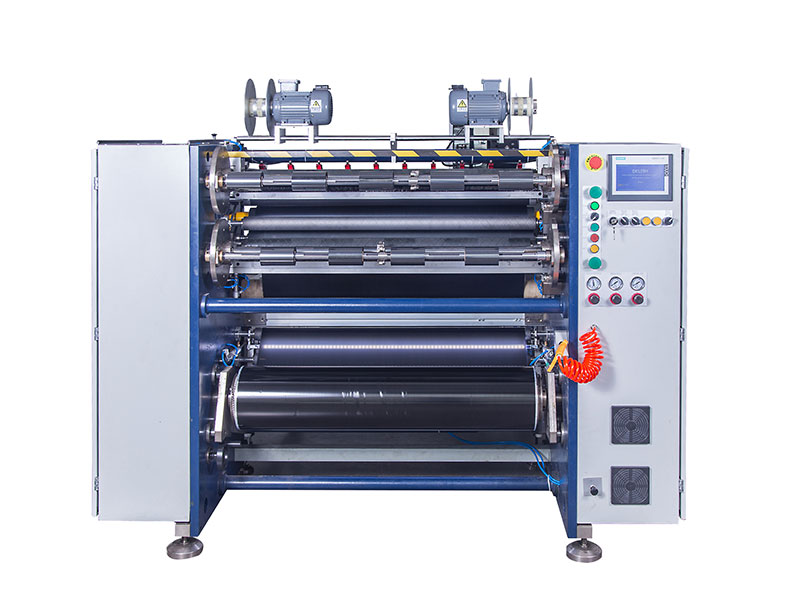
Slitting machine precision breakthrough: reduce losses from the root
In the traditional ribbon slitting process, due to equipment accuracy limitations and operational errors, it often leads to problems such as uneven edges and uneven widths, resulting in a large amount of material waste. The new generation of intelligent slitting machine improves the slitting accuracy to ±0.05 mm by introducing high-precision servo control system and laser real-time monitoring technology, which is more than 60% higher than that of traditional equipment.
These devices are equipped with an adaptive tension control system that can automatically adjust tension parameters according to the material characteristics of the ribbon, effectively avoiding tensile deformation and fracture problems caused by improper tension. At the same time, the intelligent blade management system automatically adjusts the cutting angle and pressure by monitoring the blade wear in real time to ensure that every knife remains in optimal condition.
Intelligent production process: reduce human error
Modern ribbon slitting machines integrate advanced IoT technology and artificial intelligence algorithms, achieving comprehensive digital management of the production process. Through the real-time collection of production data through the sensor network, the system can automatically identify potential problems and adjust parameters in time, greatly reducing the scrap rate caused by operational errors.
The intelligent slitting system can automatically optimize the production scheduling plan according to different order needs, minimize the production change time, and reduce the trial cutting loss. Statistics show that companies that use intelligent slitting solutions have reduced the average changeover time by 45% and reduced material waste by 70% per changeover.
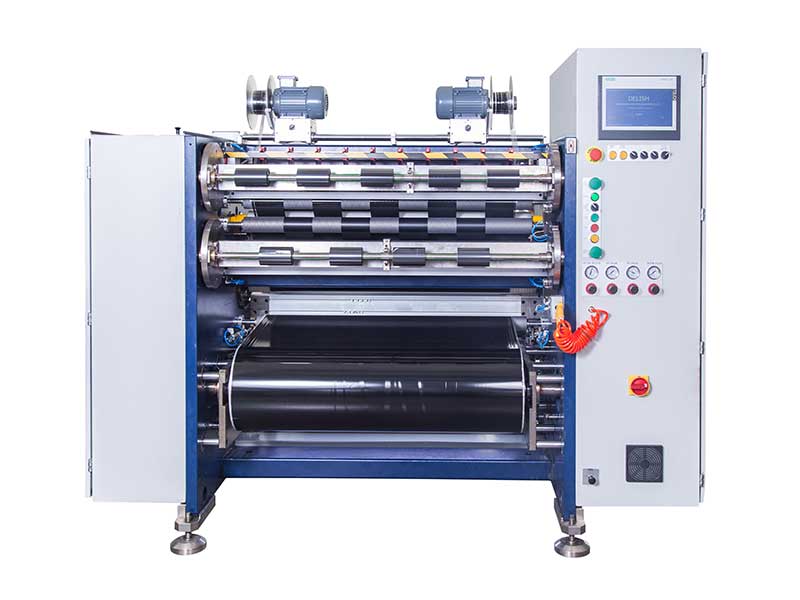
Maximize material utilization: optimize the entire process from design to production
The new generation of slitting technology not only focuses on the cutting process itself, but also optimizes the use of materials from the perspective of the entire industry chain. By introducing advanced calculation models, the system can accurately simulate the slitting scheme before production, optimize the utilization strategy of ribbon master coils, and increase the material utilization rate to more than 98%.
Some leading companies have also developed machine vision-based defect detection systems that can identify small defects on the ribbon surface in real time and automatically adjust the slitting path to avoid defect areas. This technological breakthrough allows materials that could otherwise become scrap to be "saved", further reducing the overall scrap rate.
Economic benefits and environmental impact are a win-win situation
Advances in ribbon slitting machine technology bring not only direct material savings, but also significant economic and environmental benefits. According to industry data, the average yield of companies using next-generation slitting technology has increased from 85-90% to 95-98%, which means that for every 1 million meters of ribbon produced, 5-80,000 meters of material waste can be reduced.
From a cost perspective, material costs account for about 60-70% of the total cost of ribbon production, and the increase in yield directly translates into considerable profit growth. Taking medium-sized ribbon manufacturers as an example, the annual output is about 50 million meters, and the yield increase of 5% can save more than 2 million yuan in material costs.
In terms of environmental protection, reducing production waste means less industrial waste is generated, in line with the global trend of green and sustainable manufacturing. Many companies have not only reduced treatment costs through waste reduction programs, but also enhanced their environmental image and brand value.
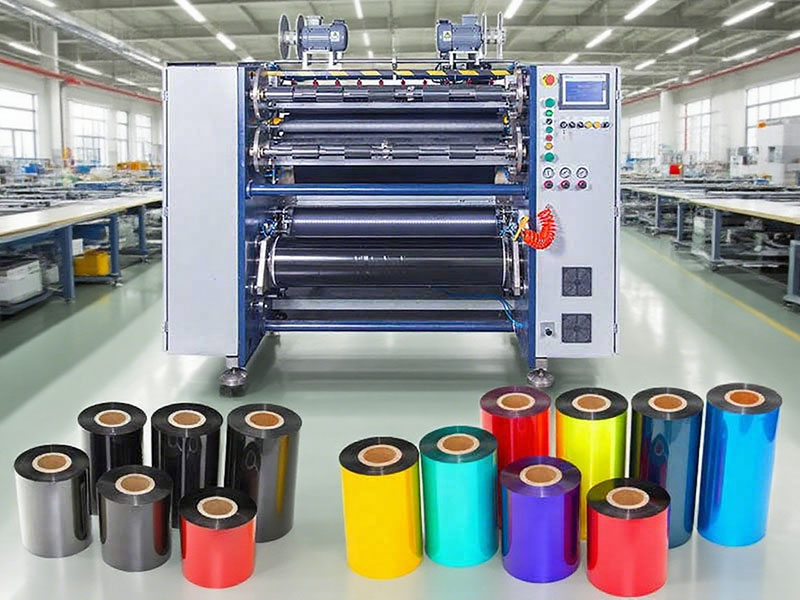
Future prospects: Parallel development of intelligence and customization
With the in-depth application of Industry 4.0 technology, ribbon slitting technology is developing in the direction of a higher degree of intelligence and customization. In the future, the slitting system will be more closely integrated into the entire production ecosystem, automating the whole process from order receipt to finished product delivery.
Predictive maintenance technology will help companies intervene before equipment failures occur, reducing the cost of unplanned downtime. At the same time, with the advancement of material science, slitting technology will continue to adapt to the characteristics of new ribbon materials and provide technical support for industry innovation.
Epilogue
The technological progress of ribbon slitting machines is not only an improvement in equipment performance, but also an innovation in the entire production concept. Through precision improvement, intelligent management and whole-process optimization, enterprises can enhance market competitiveness while improving yield and reducing production waste, and achieve the dual goals of economic benefits and environmental responsibility. In this technological wave, enterprises that have the courage to innovate and actively transform will surely win the opportunity for industry development.
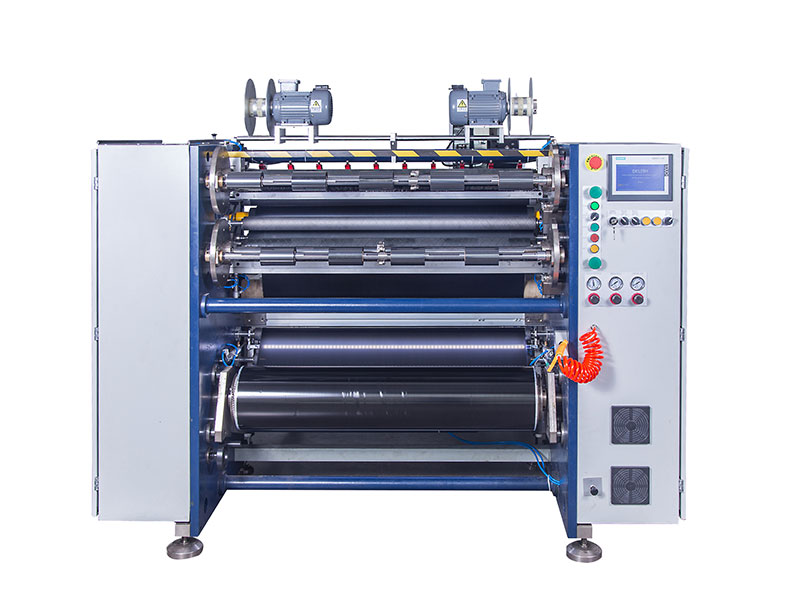 Can a barcode ribbon slitting machine cut and thermal transfer ribbons?
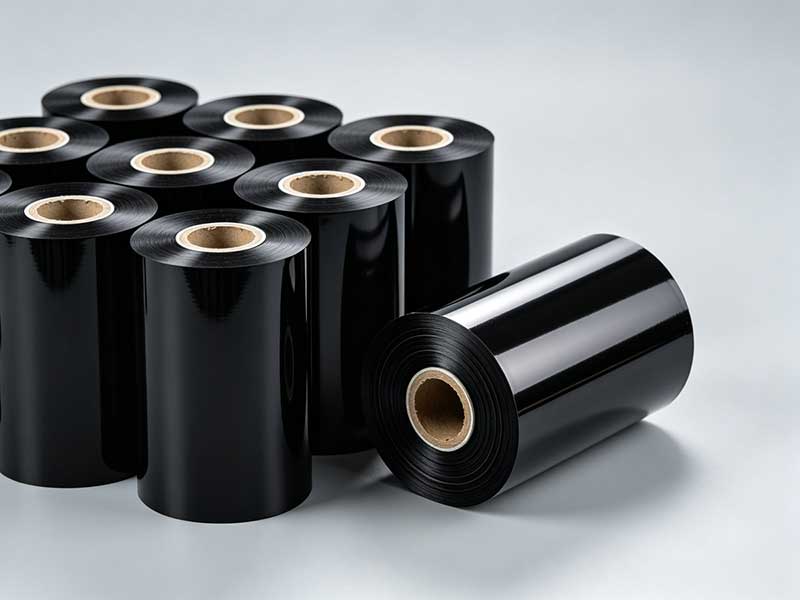 What ribbon materials are suitable for the barcode ribbon slitting machine?
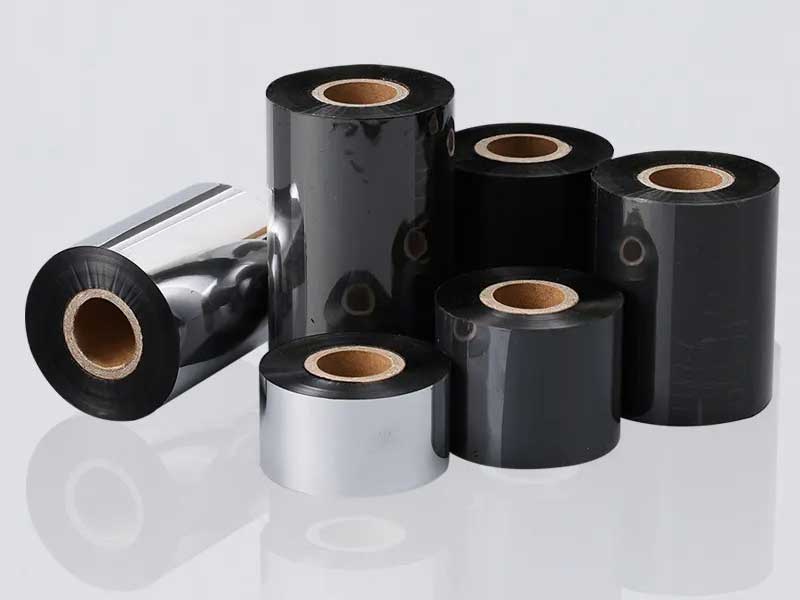 How to propose customized requirements for barcode ribbon slitting machines?How to choose a barcode ribbon slitting machine? Core Features and Key Selection Points
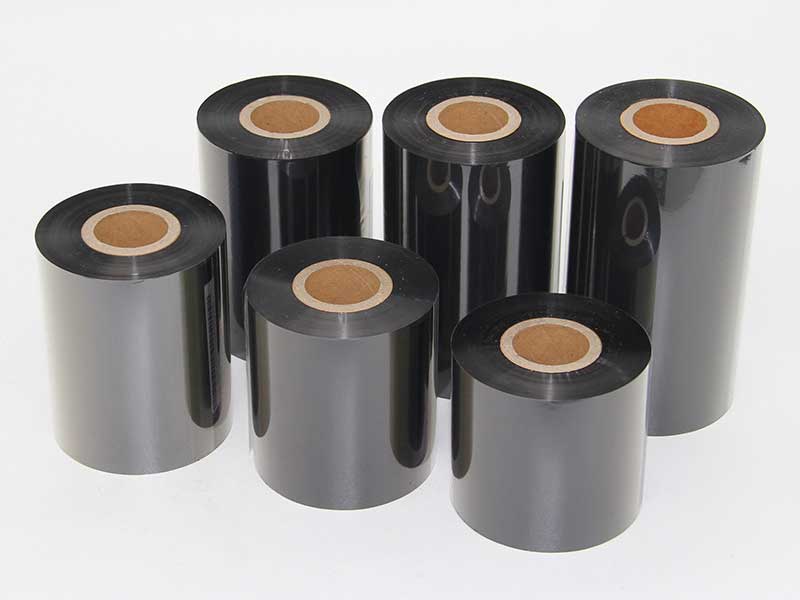 The ribbon slitting machine for the barcode printer is suitable for ribbon types


 English
 Deutsch
 Français
 Español
 Português
 日本語
日本語 русский
 한국어
한국어 عربي
عربي ภาษาไทย
 Tiếng Việt
 Italiano
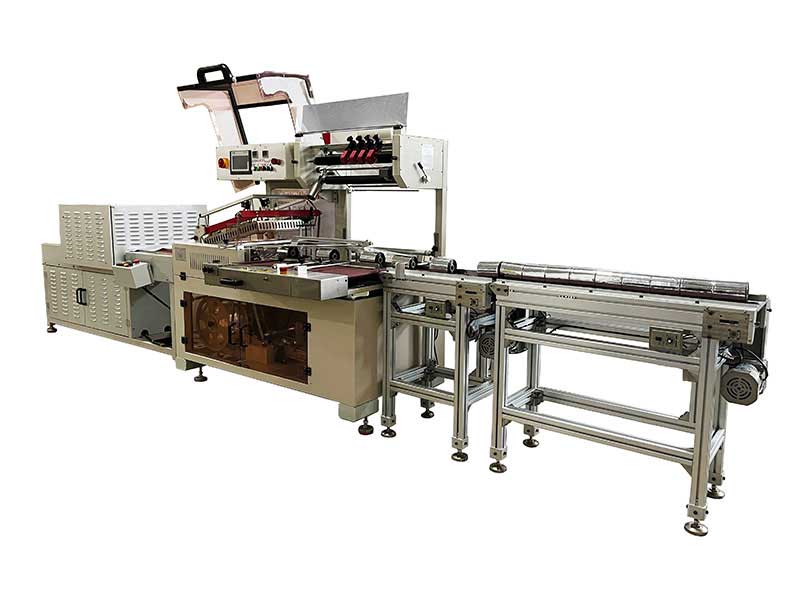 Thermal Transfer Ribbons Packaging Machine
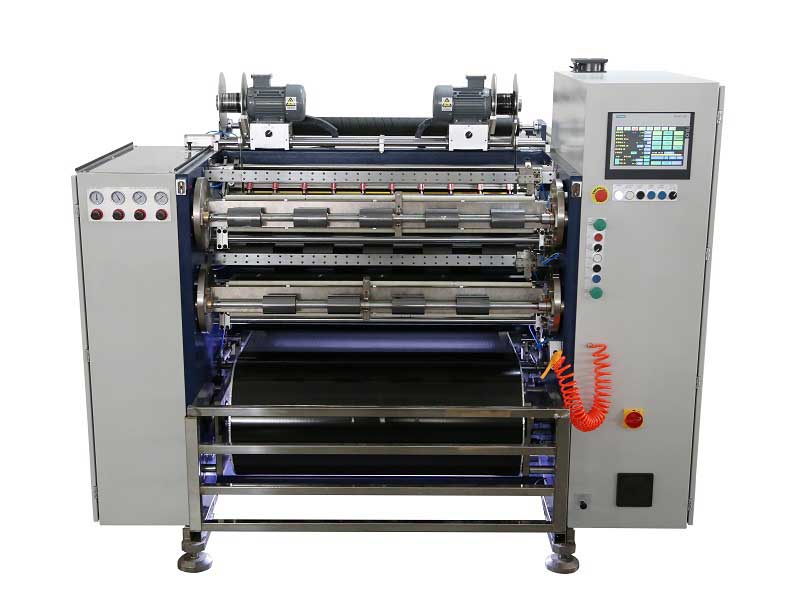 Automatic Thermal Transfer Ribbon Slitting Machine RSDS8 H PLUS
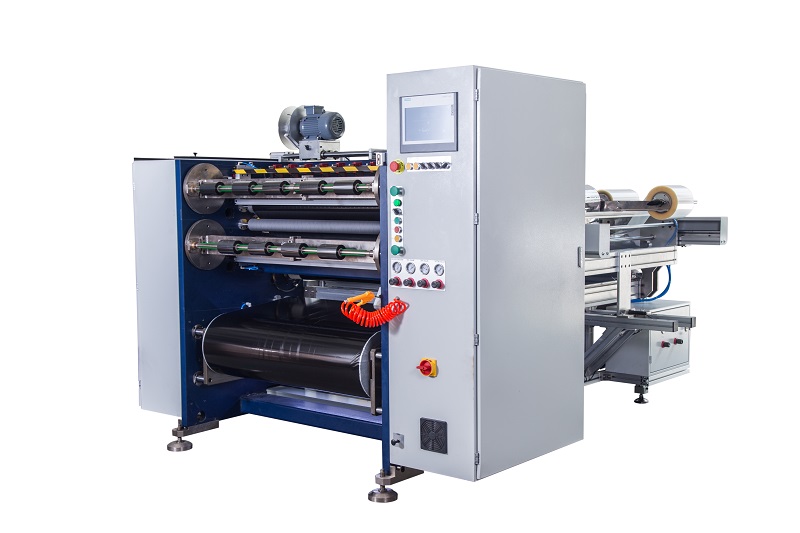 Semi Automatic Thermal Transfer Ribbon Slitting Machine RSDS5 PLUS
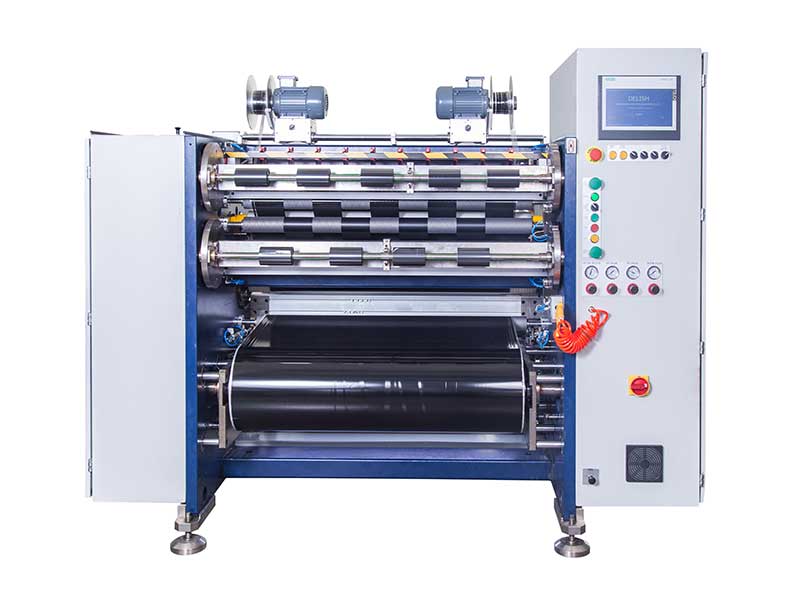 TTR Slitting Machine