
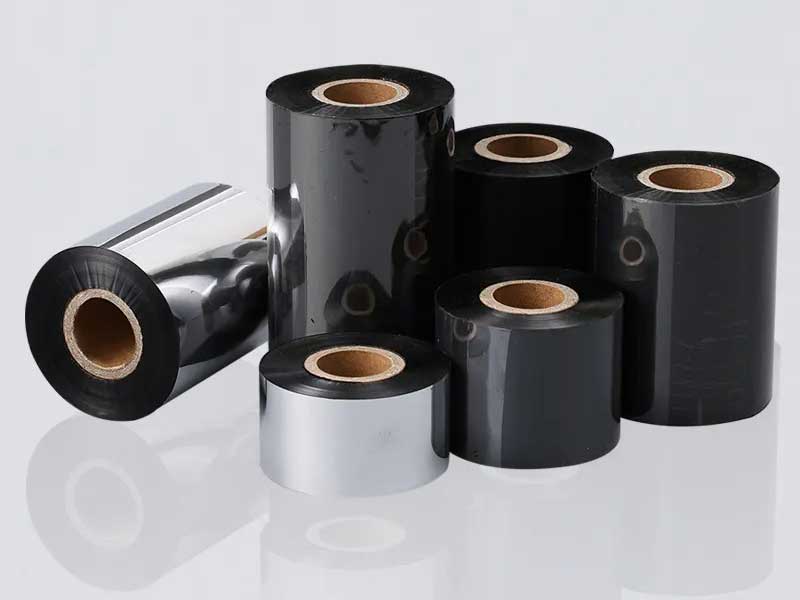
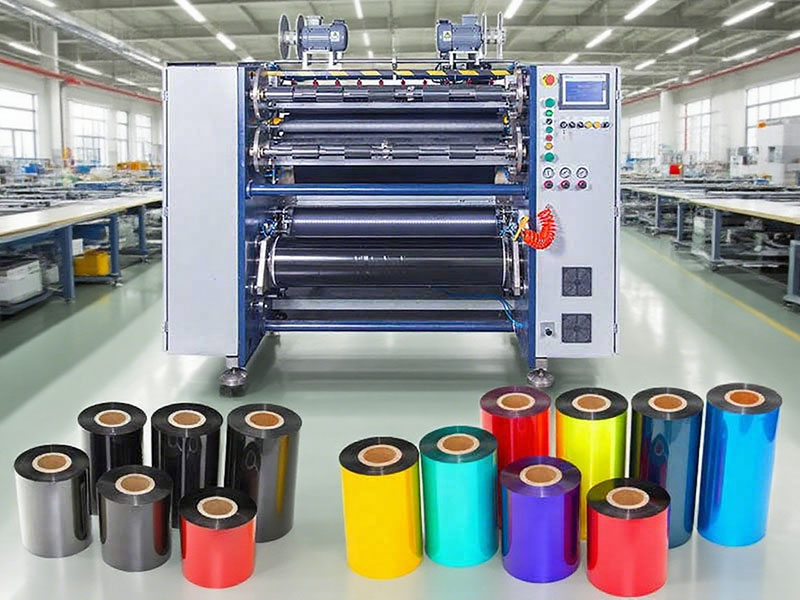
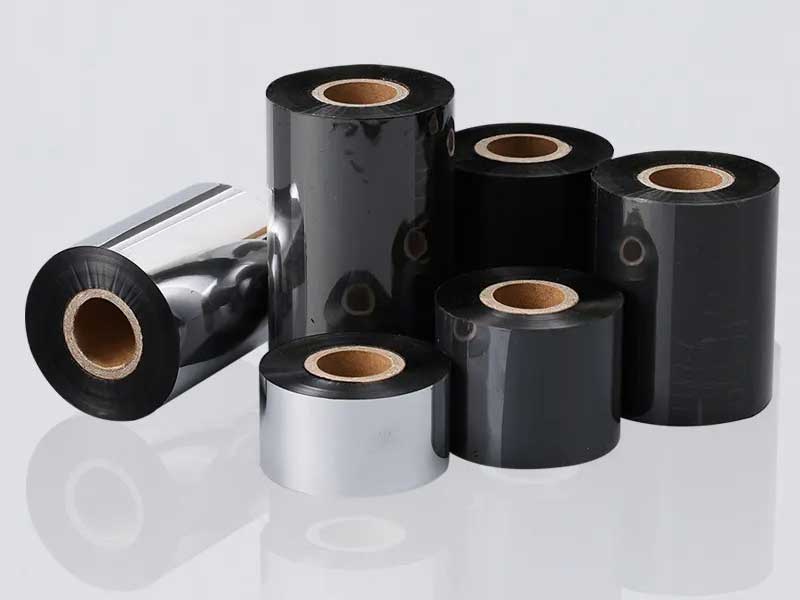
In industries such as thermal transfer printing and barcode printing, ribbon, as an important printing consumable, directly affects the printing effect and durability. The ribbon slitting machine, as the core equipment of ribbon production, plays a key role in the transformation from wide coils to terminal-sized finished products. This article will comprehensively analyze the functional system of ribbon slitting machine and reveal how it achieves precise control from raw materials to finished products.
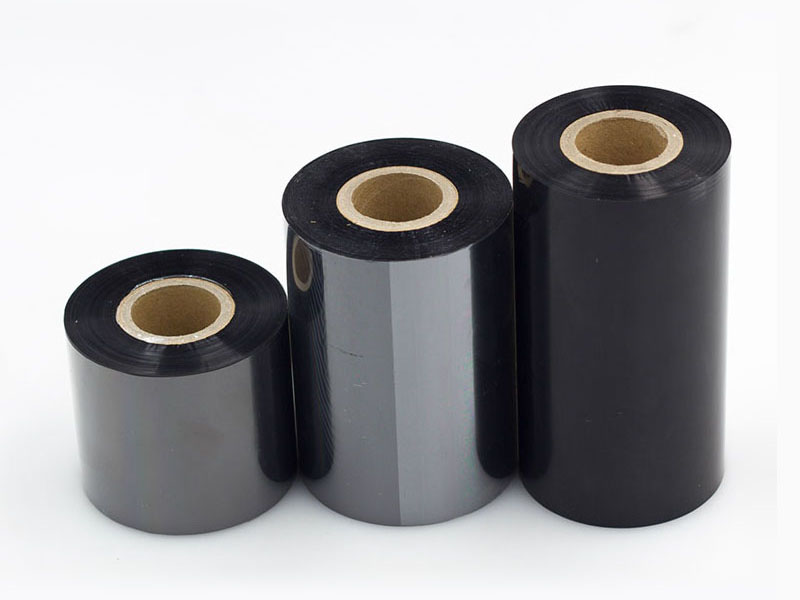
1. Core processes and challenges of ribbon slitting
The ribbon is composed of a mylar substrate, an ink layer and a backcoat, and this multi-layer composite structure places special demands on the slitting process:
• Dimensional accuracy should be at the level of ±0.1 mm
• The cutting surface must be flat and smooth, without burrs
• The tension should be kept constant during the slitting process to avoid stretching and deformation of the film
• Static electricity must be eliminated to prevent dust adsorption
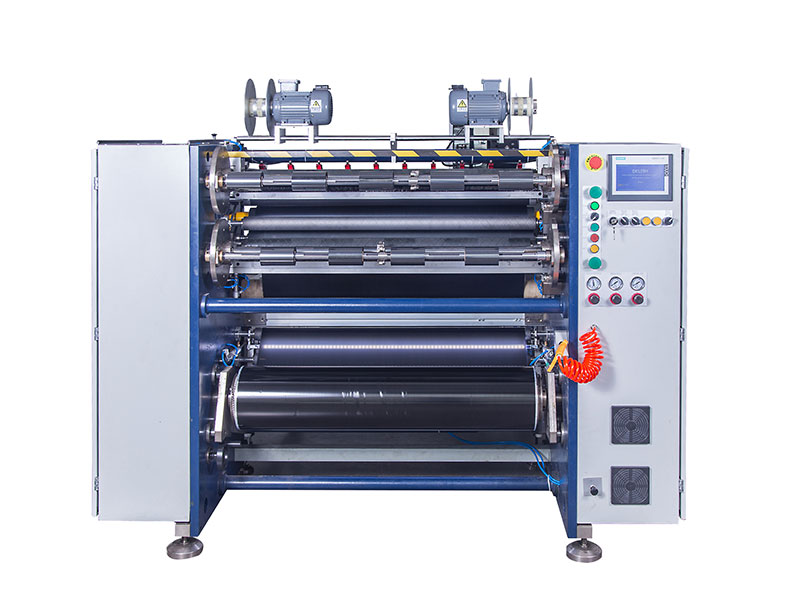
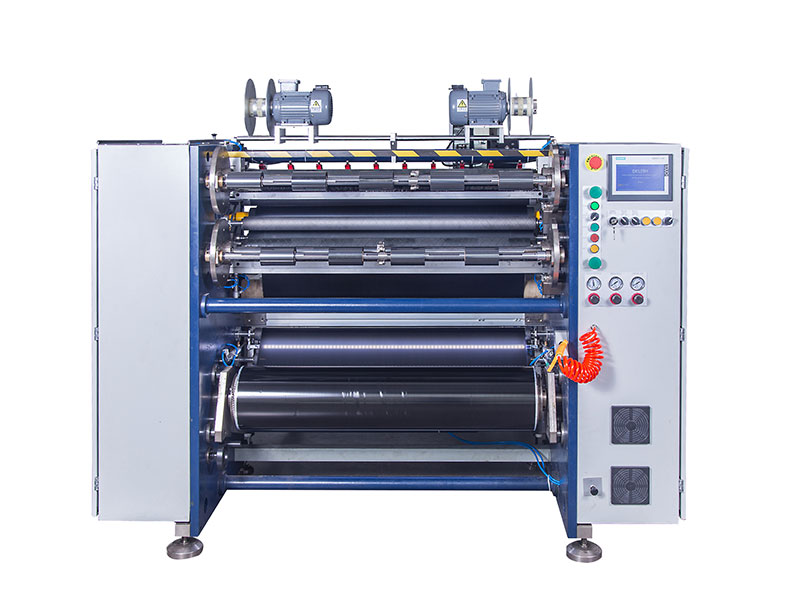
2. The core functional module of ribbon slitting machine
1. High-precision unwinding system
Modern ribbon slitting machine adopts a fully automatic unwinding device, equipped with:
• Magnetic particle brake tension control system to ensure constant unwinding tension
• Automatic Correction Device (EPC) to monitor the edge position of the coil in real time and correct lateral offset
• Pre-tension adjustment function to adapt to different thicknesses and materials of substrates
2. Multi-level tension control area
The ribbon slitting process is divided into multiple tension control zones, each of which is independently controllable:
• Unwinding area: maintain appropriate unwinding tension
• Slitting zone: stabilizes transition tension
• Rewinding Zone: Precisely control the rewinding tension
• Closed-loop feedback through tension sensors to achieve ±5% tension control accuracy
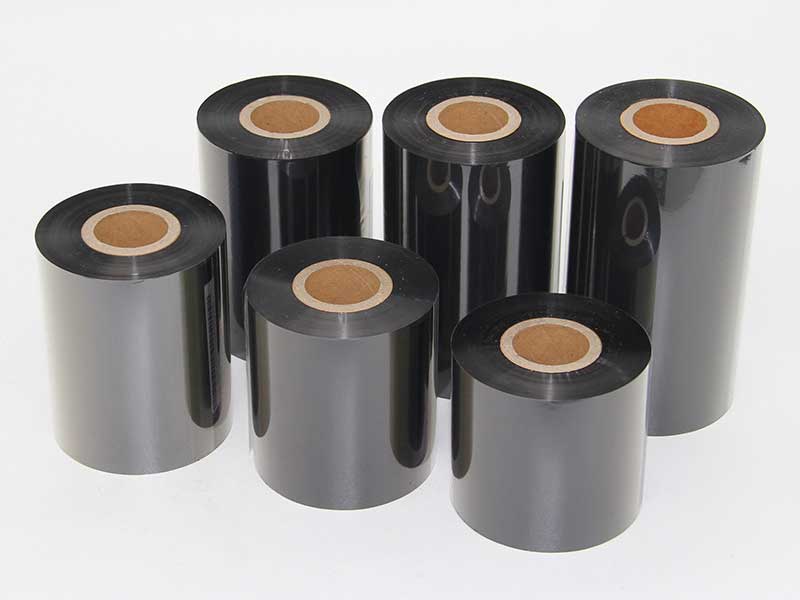
3. Precision slitting unit
This is the core component of the slitting machine and contains:
• Ultra-thin round cutter blade: only 0.2-0.5mm thick, ensuring minimal material loss
• Pneumatic or hydraulic pressure control: adjust the cutting force according to the material properties
• In-line sharpening system: Keeps blades consistently sharp, extending life
4. Intelligent winding system
The quality of winding directly affects the final product use:
• Automatic Roll Change: Automatically switches after a full roll, reducing downtime
• Taper tension control: As the coil diameter increases, the tension is automatically reduced to avoid deformation of the inner layer under pressure
• Surface and center winding modes: adapt to different widths and thicknesses
5. Online quality testing and feedback
Modern slitting machines are equipped with several inspection systems:
• Visual inspection system: identify material surface defects, coating unevenness, and other issues
• Width Detector: Real-time monitoring of slitting width accuracy
• Static Elimination Device: Prevents static electricity buildup from affecting the winding quality
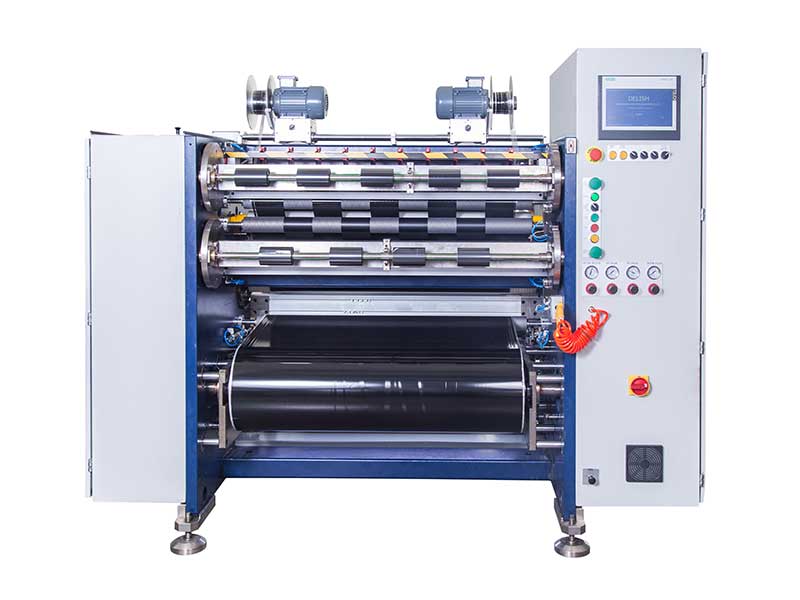
3. Digital precision control system
Modern ribbon slitting machines are fully digitally controlled:
1. Human-machine interface and parameter management
• Touch screen operation interface, intuitive display of various process parameters
• Recipe management system to store and recall slitting parameters for different products
• Real-time monitoring of key data such as slitting speed, tension, and yield
2. Closed-loop adaptive control
• Adaptive algorithm based on material properties to automatically adjust slitting parameters
• Real-time correction and compensation mechanism to ensure long-term continuous production stability
• Fault prediction and diagnosis system to warn of potential problems in advance
3. Data traceability and analysis
• Record complete production data for each roll of product
• Correlation analysis of quality data with production processes to optimize process parameters
• Support IoT connection for remote monitoring and management
4. The technical development trend of ribbon slitting
1. Intelligence and automation
• Machine vision-guided automatic loading and unloading system
• AI-based process parameter optimization
• Predictive maintenance systems to reduce unplanned downtime
2. Green and energy-saving technology
• Low power consumption design to reduce energy consumption
• Optimized material utilization to minimize offcuts
• Environmentally friendly dust removal and cleaning system
3. Flexible production capacity
• Quick changeover technology to reduce product changeover time
• Wide width compatible design to adapt to a wide range of product specifications
• Modular structure for easy function expansion and upgrade
5. Key points of quality control
High-quality ribbon slitting needs attention:
1. Dimensional Consistency: The width tolerance is controlled within ±0.1mm
2. End face flatness: the winding end face is neat, and there is no overflow phenomenon
3. Core quality: no loosening, no deformation, easy to use on the machine
4. Static Control: The surface resistance value is controlled within a safe range
5. Cleanliness: no dust and impurities mixed in, and the cleanliness is up to standard
Epilogue
As a key equipment connecting raw materials and end applications, the technical level of ribbon slitting machine directly determines the quality and performance of ribbon products. With the advancement of materials science and the development of digital technology, modern ribbon slitting machines have evolved from simple cutting equipment to highly integrated systems integrating precision machinery, intelligent control, and online inspection. In the process of converting from wide coils to finished products with terminal specifications, the precise control of each link reflects the in-depth practice of the concept of "lean production" in modern manufacturing. Only by mastering these core technologies and control points can we produce high-quality ribbon products that meet high-end printing needs and promote the sustainable development of the entire thermal transfer printing industry.
 Can a barcode ribbon slitting machine cut and thermal transfer ribbons?
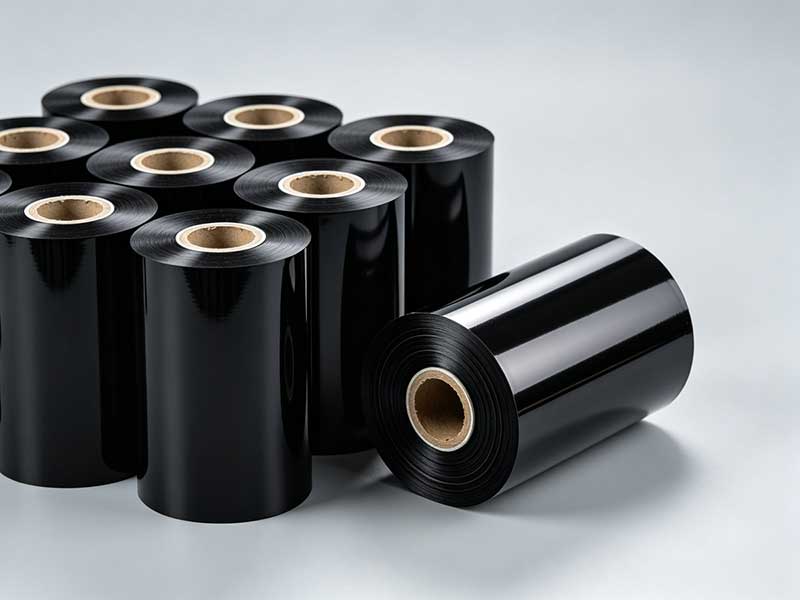 What ribbon materials are suitable for the barcode ribbon slitting machine?
 How to propose customized requirements for barcode ribbon slitting machines?How to choose a barcode ribbon slitting machine? Core Features and Key Selection PointsThe ribbon slitting machine for the barcode printer is suitable for ribbon types


 English
 Deutsch
 Français
 Español
 Português
 日本語
日本語 русский
 한국어
한국어 عربي
عربي ภาษาไทย
 Tiếng Việt
 Italiano
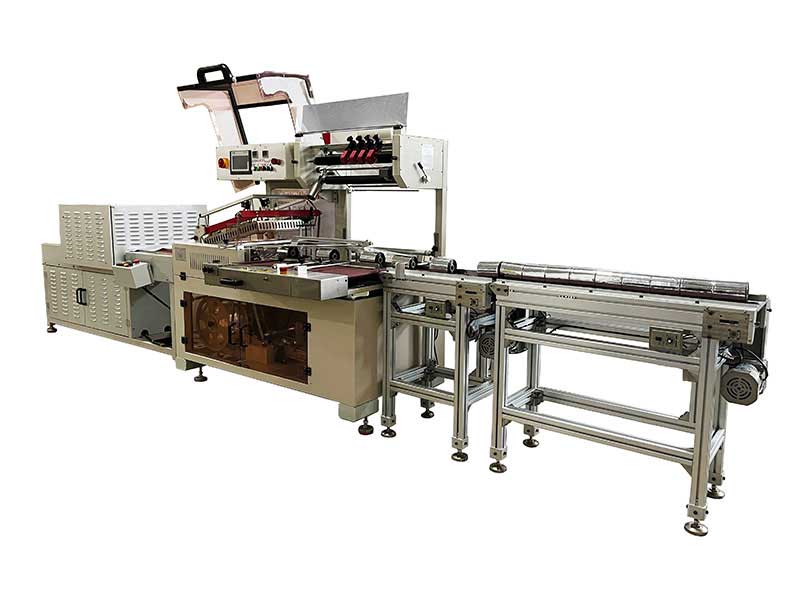 Thermal Transfer Ribbons Packaging Machine
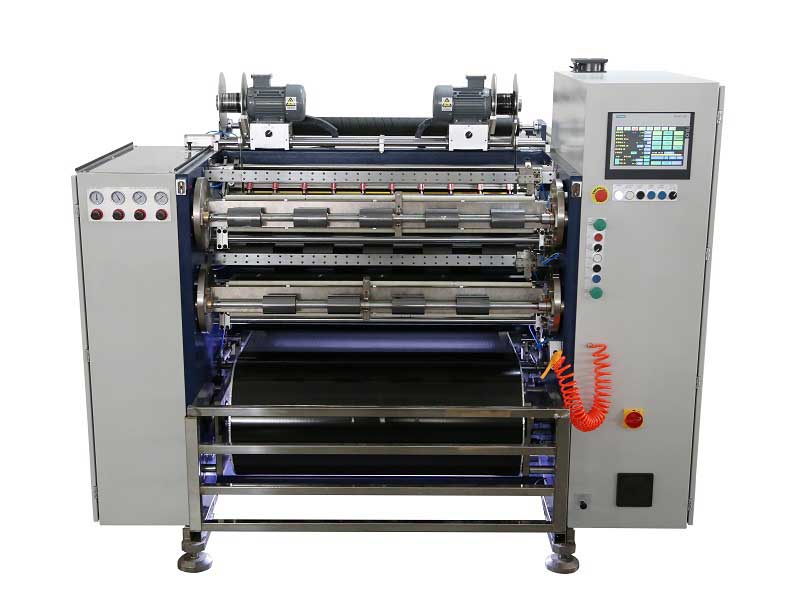 Automatic Thermal Transfer Ribbon Slitting Machine RSDS8 H PLUS
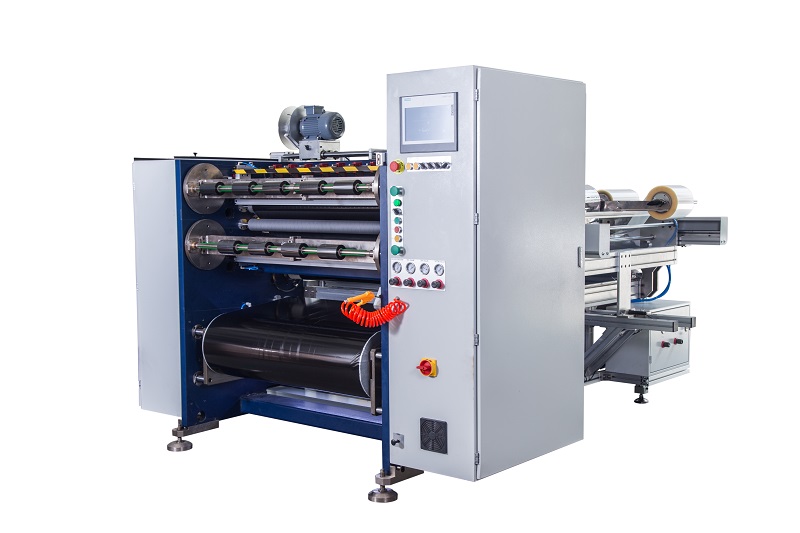 Semi Automatic Thermal Transfer Ribbon Slitting Machine RSDS5 PLUS
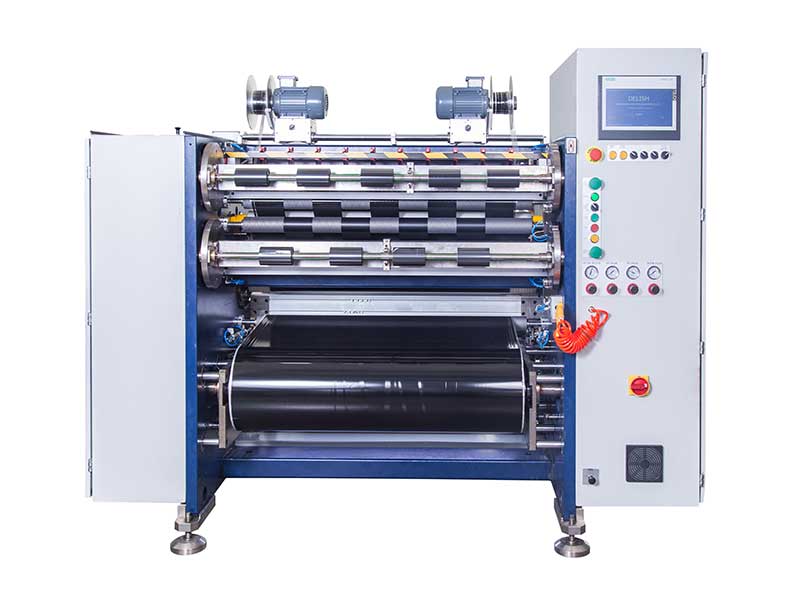 TTR Slitting Machine