
Introduction: Why is "high precision" so important?
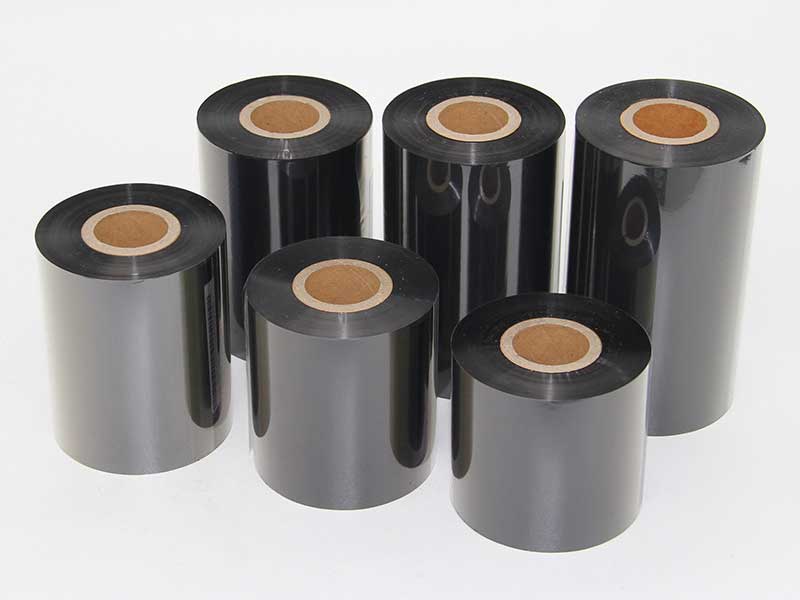
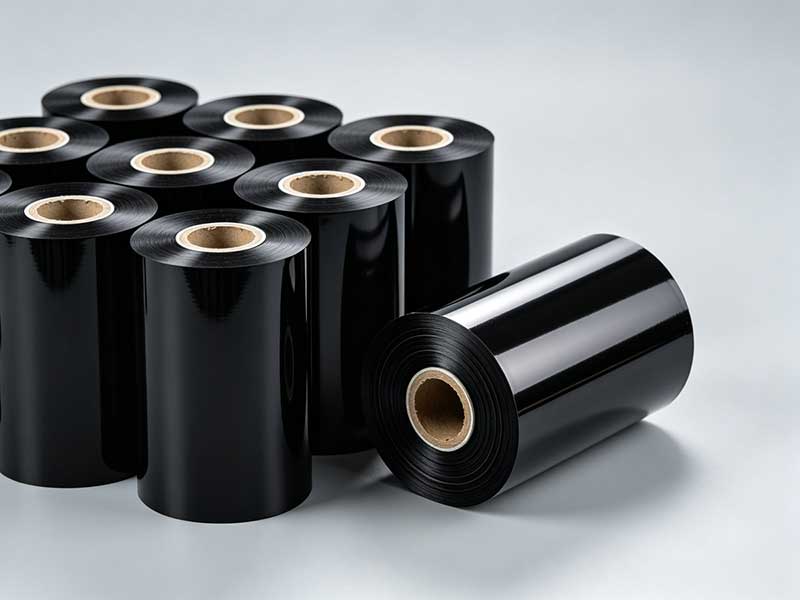
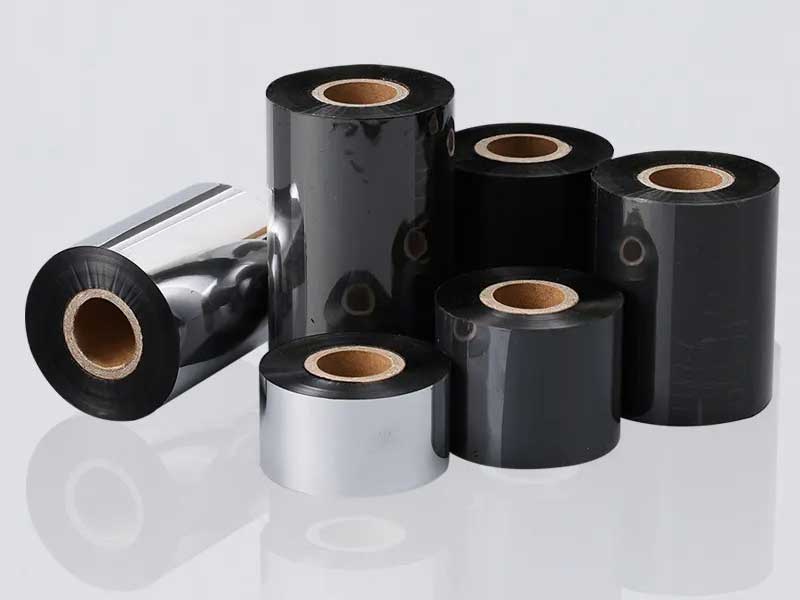
In the production and processing process of thermal transfer ribbons, slitting is the last and most critical process that determines the quality of the finished product. Ribbons are made up of extremely thin substrate films (PET), heat-resistant coatings, and ink layers, typically with a total thickness of only 4.5 microns to 20 microns.
Insufficient slitting accuracy can lead to:
• Edge burrs: Damage the print head, which is a no-no for thermal transfer printing.
• Excessive width tolerance: The ribbon cannot fit the printer card slot, or cause print offset.
• Uneven winding tension: Formation of chrysanthemum patterns or folds, causing the ribbon to break during printing.
Therefore, choosing a high-precision ribbon slitting machine is the cornerstone of ensuring stable downstream printing quality. This article will provide an in-depth analysis of the classification and selection points of high-precision ribbon slitting machines.
1. Technical standards for high-precision ribbon slitting machines
Before discussing classification, we first need to clarify the quantitative criteria for "high precision" in the industry. A true high-precision slitting machine typically needs to meet the following metrics:
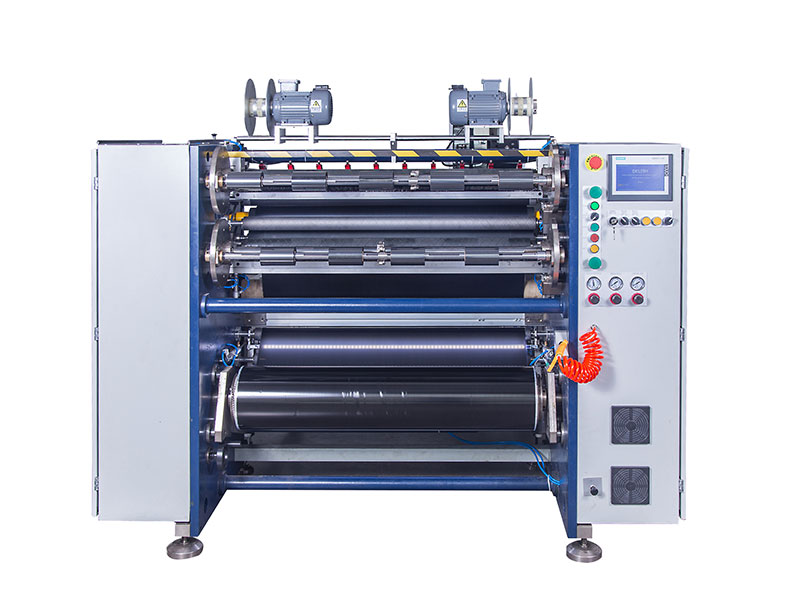
1. Slitting width accuracy: The error is controlled within ±0.1mm or even ±0.05mm.
2. End face flatness: The deviation of the end face neatness after slitting is less than 0.1mm, and there is no zigzag.
3. Tension control accuracy: Closed-loop feedback system is adopted, and the tension fluctuation is controlled within ±2% of the set value.
4. Minimum slitting width: It can stabilize ultra-narrow ribbons with a slitting width of less than 10mm (or even 4-6mm).
5. Operating speed: Under the premise of ensuring high precision, the stable operating speed usually requires 200-300 m/min.
2. The main classification of high-precision ribbon slitting machine
According to the different slitting principles and machine structures, the high-precision ribbon slitting machines on the market are mainly divided into the following three categories:
1. Flat knife slitting machine
• Working principle: The upper and lower disc knives (shearing type) or razor blades are used to cut the wide master coil into narrow strips through the physical shear force of the knife.
• High-precision model features:
◦ Tool holder system: Equipped with a linear guide rail tool holder with high rigidity and low backlash, ensuring precise tool movement and positioning.
◦ Blade material: Made of carbide or ceramic-coated blades, strong wear resistance, to ensure the sharpness of the cutting edge for a long time, and reduce burrs.
• Applicable scenarios: slitting of general wax-based and mixed-based ribbons. It is suitable for orders with extremely high production efficiency requirements and a wide slitting width (> 15mm).
2. Laser slitting machine
• Working principle: Uses a high-energy laser beam to instantly vaporize the ribbon coating and base film to achieve contactless cutting.
• High-precision model features:
◦ Beam quality: Single-mode/horizontal-mode lasers are used, with a very small focusing spot (up to micron level) and a small heat-affected zone to avoid melting and deformation at the edge of the ribbon.
◦ Visual positioning: Equipped with a CCD vision system, it automatically tracks printed marks or edges for closed-loop correction.
• Advantages: No tool wear, zero contact stress, especially suitable for ultra-thin, resin-based and other high-strength, easy-to-stretch ribbons.
• Disadvantages: High equipment cost, processing speed is often lower than mechanical slitting, and there may be problems with soot disposal.
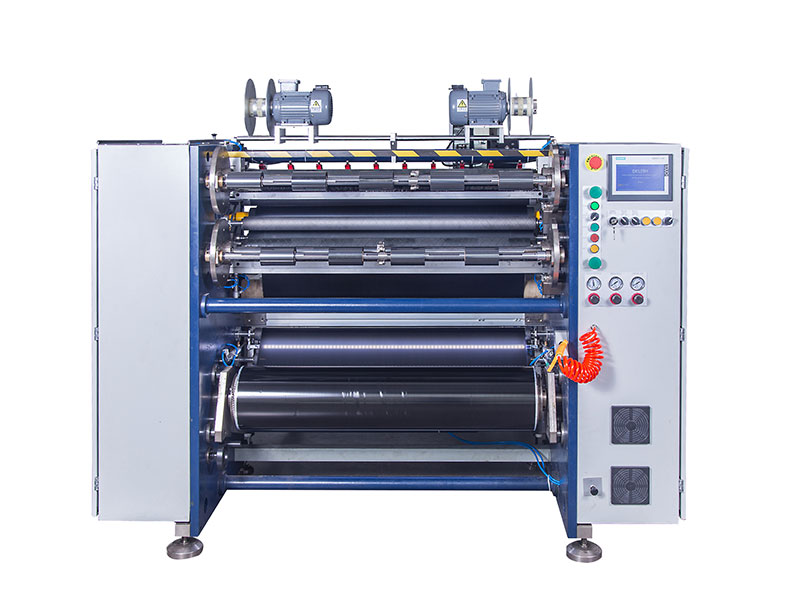
3. Slitting and rewinding machine (center winding/center surface winding combined)
• Working principle: After slitting the wide material through the blade, the finished product is wound separately by multiple winding shafts. This is currently the most widely used high-precision model in the ribbon industry.
• High-precision model features:
◦ Independent slip axis: This is the core configuration of the high-precision model. Each roll of material corresponds to an independent slip ring, which can adjust the torque in real time according to the change of coil diameter to solve the problem of "loose inside and tight outside" or "vegetable core".
◦ Closed-loop tension control system: equipped with high-precision imported tension sensors (such as Mitsubishi, Mengtian, etc.), real-time feedback and adjustment of rewinding tension.
◦ EPC/LPC Guiding System: Ultrasonic or infrared guidance is configured in the unwinding and rewinding units to ensure neat edges.
• Applicable scenarios: almost all types of ribbon slitting, especially high-end barcode ribbons with extremely high requirements for end face flatness.
3. Ribbon slitting machine selection guide (5 core elements)
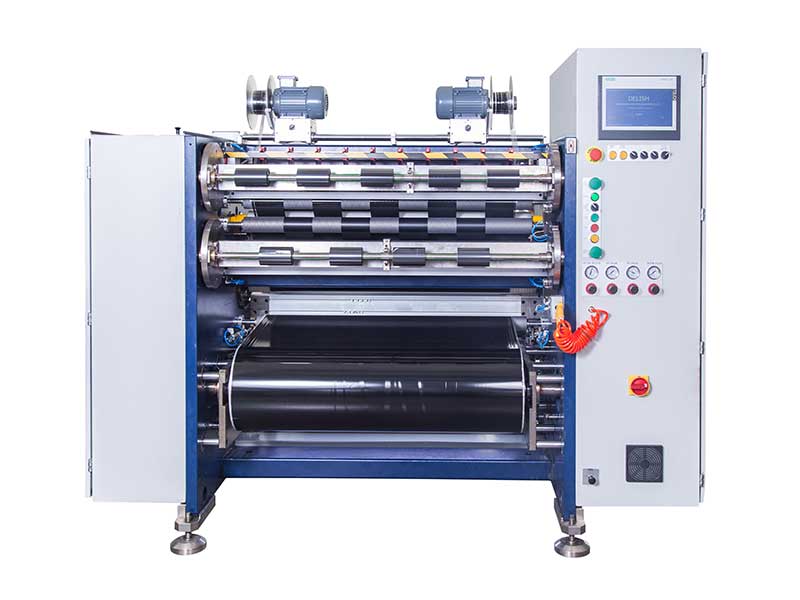
In the face of different brands and configurations of machines, buyers should consider comprehensively from the following dimensions:
1. Select according to the ribbon material
• Wax-based/mixed-based ribbons: Insensitive to mechanical stress, prefer high-speed flat knife slitting machines to pursue cost-effectiveness and efficiency.
• Resin-based ribbon: The material is hard, brittle, and easy to deform when stretched, so it is recommended to choose a precision slitting rewinding machine equipped with an independent slip axis, or directly use a laser slitting machine.
• Ultra-thin ribbon (<5μm): It is necessary to choose a model with ultra-low inertia control and precision servo motor, and mechanical contact slitting is very easy to cause material stretching and scrapping.
2. Tension Control System (Top Priority)
At the heart of high-precision slitting is tension control. When selecting, attention should be paid to:
• Do you use imported servo motors? (such as Yaskawa, Mitsubishi, Siemens)
• Tension detection method: open-loop pendulum roller detection or closed-loop tension sensor detection? Closed-loop control is recommended.
• Minimum control tension: Ask the manufacturer about the minimum stable tension value that the equipment can achieve (e.g., 3N) for ultra-narrow slitting.
3. Selection of winding method and shaft type
• Ordinary continuous shaft winding: suitable for wide specifications and low-demand orders.
• Slip shaft winding: mandatory option. Please confirm whether it is a pneumatic or mechanical slip shaft. The pneumatic slip axis has higher control accuracy and a wider adjustment range, making it suitable for frequent switching of multiple specifications and varieties.
4. Quality of the tool system
• Cutter shaft accuracy: Check the radial runout of the knife shaft, the smaller the runout, the neater the slitting edge (within 0.01mm).
• Blade brand: Is imported blade available as standard or optional (e.g. German Schober, Japanese Tachi)? High-quality blades are not only longevity but also key to reducing burrs.
5. Automation and waste disposal
• Automatic waste discharge: High-precision slitting produces scrap edges. Does the machine have an efficient edge material suction system? Is the vacuum waste removal smooth to avoid the waste edge entanglement on the finished roll?
• Automatic unloading and docking: For large production lines, is it equipped with an automatic discharge device or automatic docking capability to the next process?
4. Conclusion
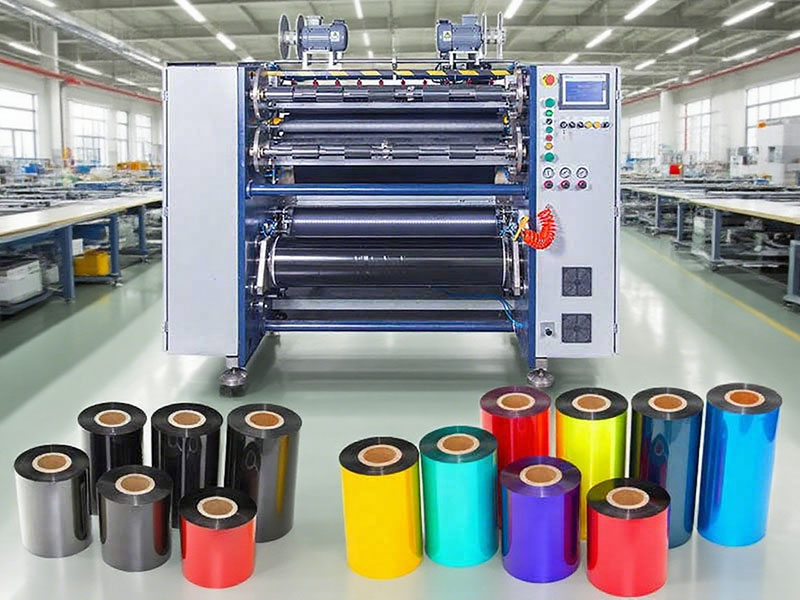
Choosing a high-precision ribbon slitting machine should not only look at the price, but also as a long-term investment in product quality.
Recommended selection process:
1. Clarify product positioning: mainly produce low-end wax tape or high-end resin tape?
2. Test proofing: Take your own master roll to the equipment manufacturer for on-site proofing, check the slitting edge, end face flatness and width tolerance.
3. Examine configuration details: Focus on the configuration of the tension control system and the retraction shaft (slip shaft).
4. Consider after-sales service: High-precision equipment requires professional commissioning and maintenance, and it is crucial to choose a supplier with strong localization service capabilities.
Only by accurately matching the process requirements with the performance of the equipment can the ribbon slitting machine truly become the "precision responsibility" of your production line.
 Can a barcode ribbon slitting machine cut and thermal transfer ribbons?
 What ribbon materials are suitable for the barcode ribbon slitting machine?
 How to propose customized requirements for barcode ribbon slitting machines?How to choose a barcode ribbon slitting machine? Core Features and Key Selection PointsThe ribbon slitting machine for the barcode printer is suitable for ribbon types


 English
 Deutsch
 Français
 Español
 Português
 日本語
日本語 русский
 한국어
한국어 عربي
عربي ภาษาไทย
 Tiếng Việt
 Italiano
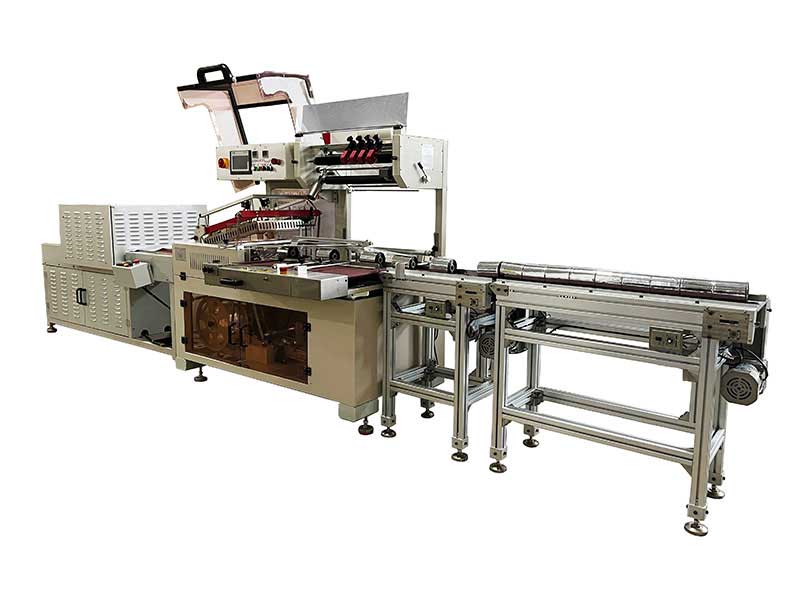 Thermal Transfer Ribbons Packaging Machine
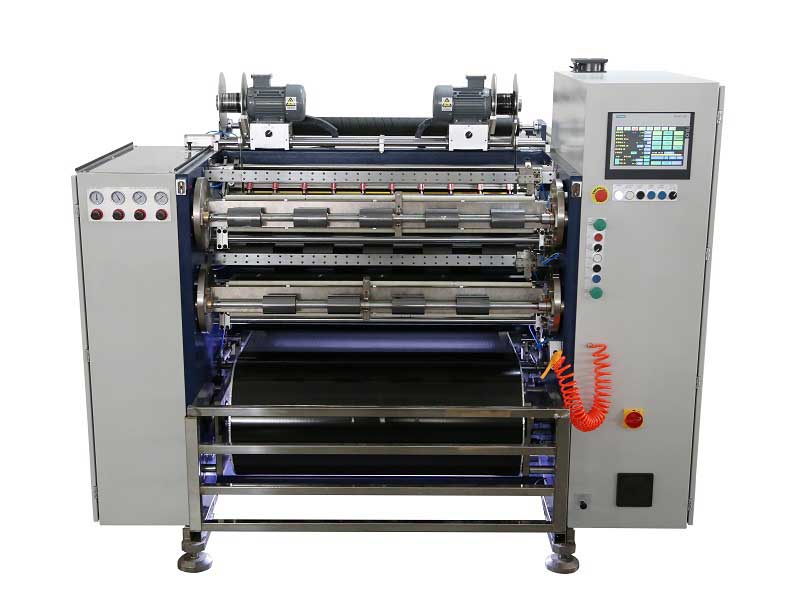 Automatic Thermal Transfer Ribbon Slitting Machine RSDS8 H PLUS
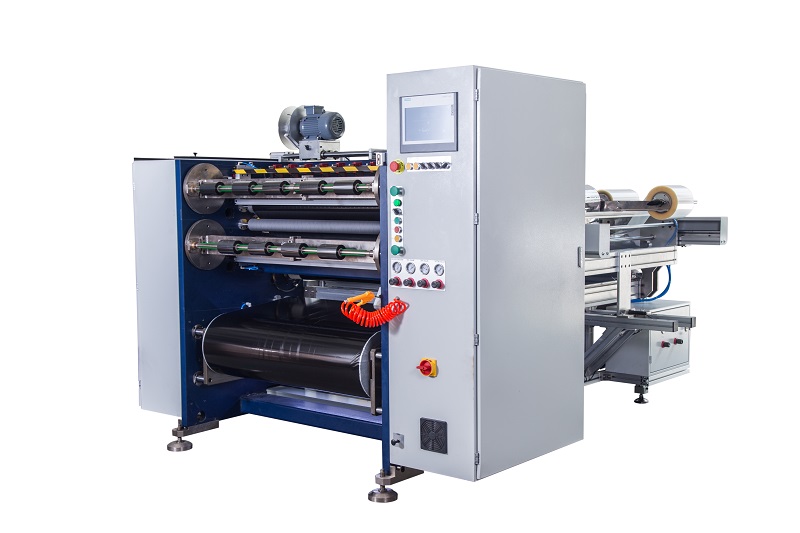 Semi Automatic Thermal Transfer Ribbon Slitting Machine RSDS5 PLUS
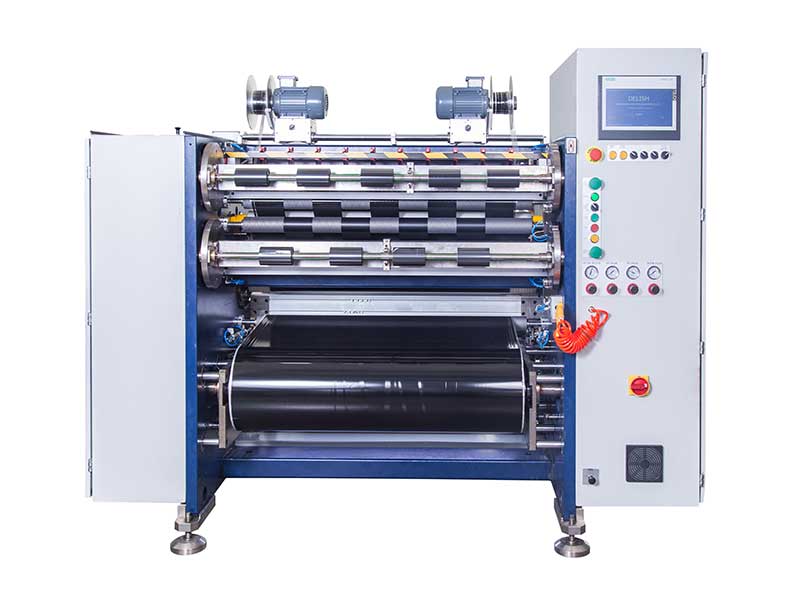 TTR Slitting Machine