
During the slitting process of PET film, many companies will encounter a headache: obvious white edges or static marks appear on the edge of the film after slitting. This not only affects the appearance of the product, but also directly leads to a surge in scrap rates in high-end application scenarios such as optical films and electronic protective films. So, how exactly is the white edge produced? How to effectively eliminate it? This article provides you with a complete set of solutions.
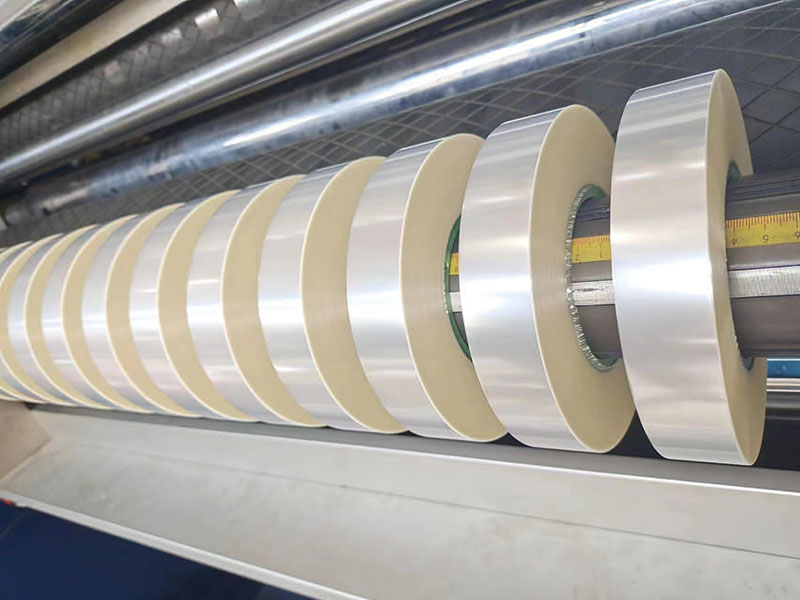
1. The nature of white edges and static traces
The so-called "white edge" is actually a microscopic breakdown mark left by electrostatic discharge on the surface of the film. PET film itself is an excellent insulator, and during high-speed slitting, the film rubs violently against the tool groove and guide roller, generating a large amount of electrostatic charge. When the charge accumulates to a certain extent, a tip discharge occurs - the discharge channel instantly ablates the surface of the film into fine pockmarks or white mist-like traces, which are the "white edges" we see.
To put it simply: if static electricity is not solved, the white edge will not disappear.
2. Three key factors for the generation of electrostatic traces
1. Excessive slitting speed: The faster the speed, the more intense the friction, and the rate of static electricity generation far exceeds the natural leakage rate.
2. Low ambient humidity: In winter or in a drying workshop (humidity <40%), static electricity is more difficult to dissipate.
3. Improper material of guide rollers and tools: The metal parts are in direct contact with the film and lack antistatic coating or conductive paths.
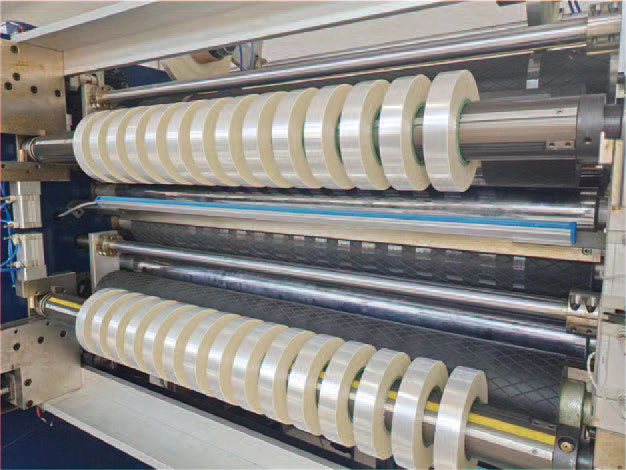
3. Practical plan to eliminate static traces
Option 1: Active static eliminator (most direct and effective)
In front and behind the retraction and unwinding reel and tool groove of the slitting machine, AC or pulsed DC static elimination rods are installed. Pulsed DC ionization technology is recommended, which has an alternating output of positive and negative ions, which can effectively neutralize the high-speed moving charge on the film surface without reverse charging. Installation points:
• Eliminates rod distance of 20–50mm from film surface
• Wind speed assist (with a small fan) improves ion coverage
Scheme 2: Conductive transformation of guide rollers and contacts
Replace the ordinary rubber roller and plastic guide roller on the slitting machine with conductive rubber rollers or metal rollers to ground. At the same time, the slitting slots should be treated with anti-static ceramic blades or carbon fiber coating on the metal slots, and ensure that all rotating parts are reliably grounded by grounding carbon brushes (grounding resistance < 10Ω).
Option 3: Ambient humidity control
Stabilize workshop humidity at 50%–65%RH. After the PET surface absorbs moisture, the surface resistance can be reduced from 10¹⁴Ω to about 10¹⁰Ω, and static electricity naturally accelerates leakage. It is recommended to install ultrasonic humidifiers on both sides of the slitting machine, and be careful not to spray the water mist directly on the film to avoid affecting the cleanliness.
Scheme 4: Film pre-coated with antistatic agent
For products with strict requirements such as high-end optical films, PET films can be treated with an external coating type antistatic agent before slitting. Nonionic or quaternary ammonium salt antistatic agent is selected, diluted and coated by gravure roller or spraying, and the surface resistance can be reduced to 10⁸–10¹⁰Ω after drying, and the effect is long-lasting.
4. On-site quick investigation mantra
If you are troubled by white edges, 90% of the problems can be located on the spot in the following order:
1. Touch: After stopping, touch the edge of the film, there is a pinprick sensation → the static electricity is serious
2. Look: Observe if there is white powder buildup on the surface of the guide roller → friction overheating
3. Measurement: Use an electrostatic tester to measure the surface potential of the film, if it exceeds ±5kV →, an eliminator must be installed
4. Adjust: Reduce the speed by 20% first, and if the white edge is reduced →, give priority to installing an electrostatic eliminator
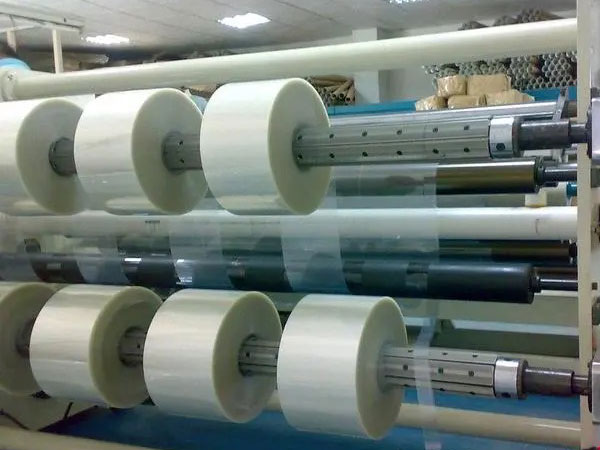
5. Recommended configuration in different scenarios
| Product Type: | Recommended Scheme Combinations |
| Normal packaging film (slight static electricity allowed) | Humidification + grounding guide roller |
| Printed/compound grade films | Static elimination rod + conductive rubber roller |
| Optical Film/Release Film (Zero Tolerance for White Edge) | Pulse DC eliminator + environmental constant humidity + antistatic coating + ceramic knife slot |
6. Long-term prevention and maintenance suggestions
• Clean the emission needle tip of the static elimination rod once a month to prevent ion imbalance caused by dust contamination.
• Regularly check whether the grounding carbon brush of each guide roller is worn and whether the grounding resistance is qualified.
• Establish the correlation curve between the speed of the slitting machine and humidity: when the humidity is below 45%, automatically reduce the speed or turn on the humidifier in linkage.
Summary: The root cause of PET film slitting white edge is static electricity, and the solution path is also very clear - with active neutralization (static eliminator) as the core, supplemented by conductive contacts, environmental humidification and necessary antistatic coating. According to the implementation of the above scheme, the white edge defect rate of most slitting lines can be reduced from 5%-10% to less than 0.5%. If your product has zero tolerance for white edges, start with the addition of a pulsed DC static eliminator rod, which is the first step to the highest input output ratio.
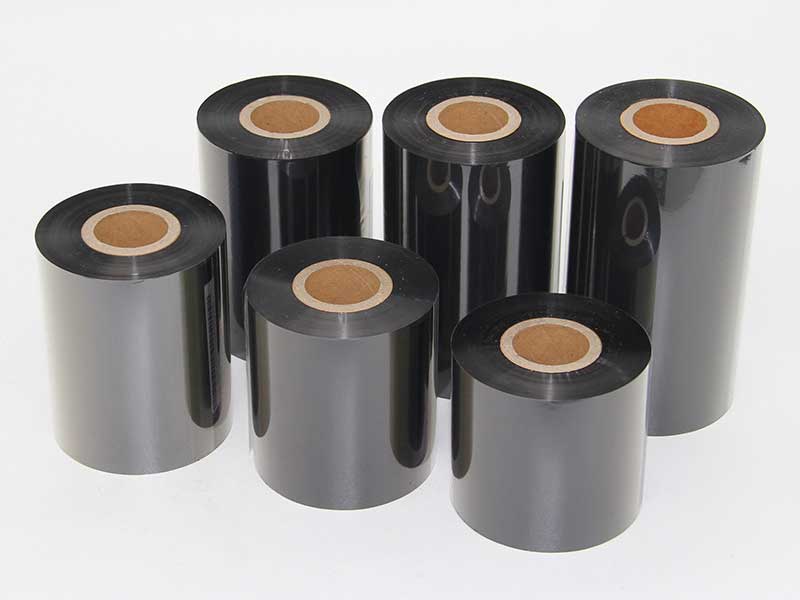 Considerations for selecting ribbon slitting machine equipment
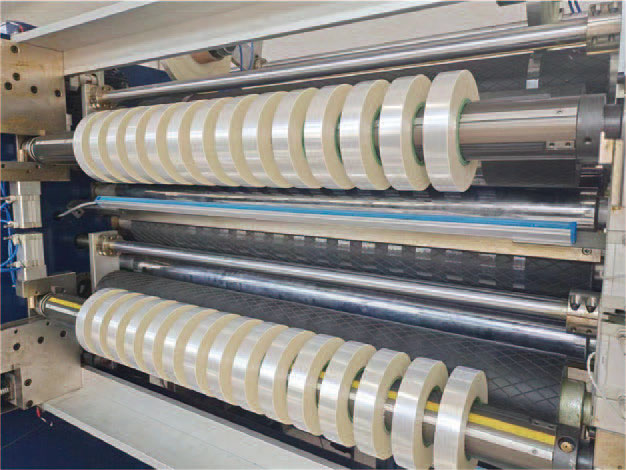 Key points for purchasing a PET film slitting machine
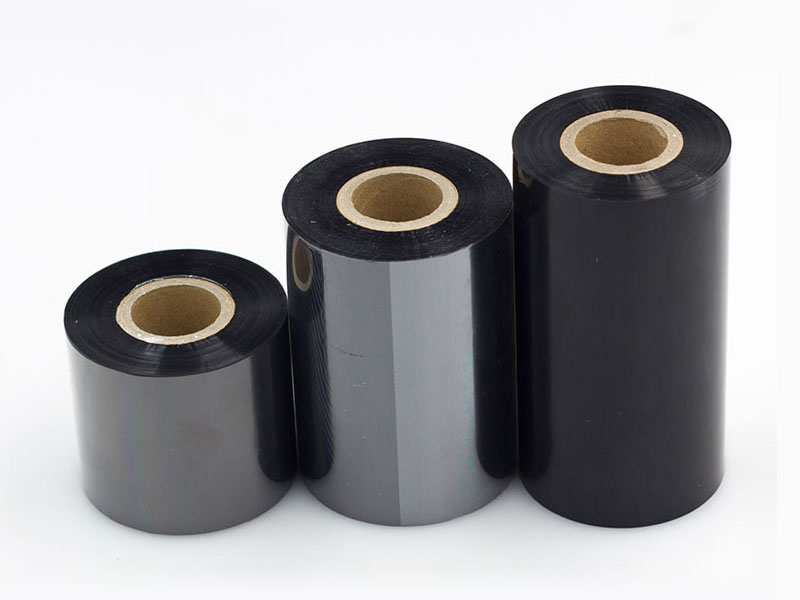 Core factors affecting the quality of ribbon slittingHow to select a film slitting machine? The key is to look at these five points
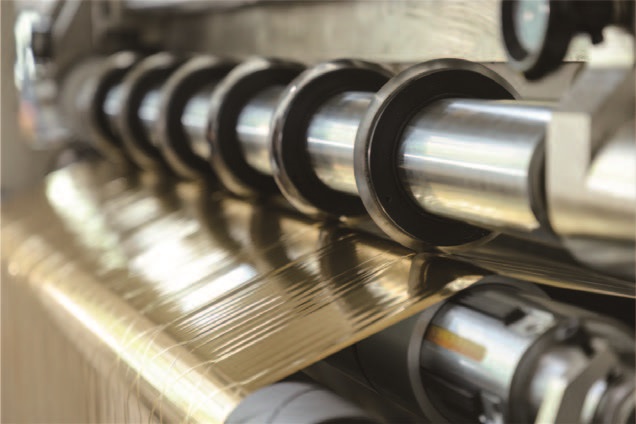 What is the difference between hot stamping foil slitting machines and ordinary film slitting machines?


 English
 Deutsch
 Français
 Español
 Português
 日本語
日本語 русский
 한국어
한국어 عربي
عربي ภาษาไทย
 Tiếng Việt
 Italiano
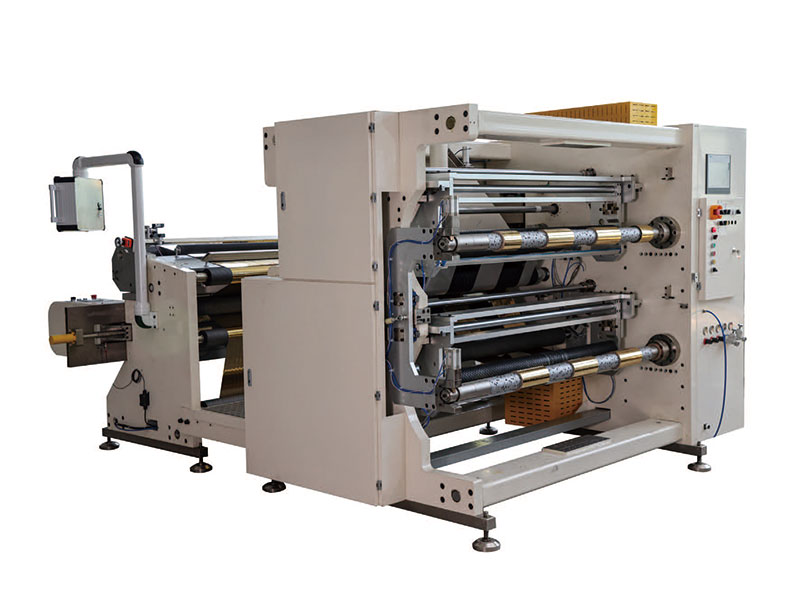 1400mm Hot Stamping Foil Slitting Machine
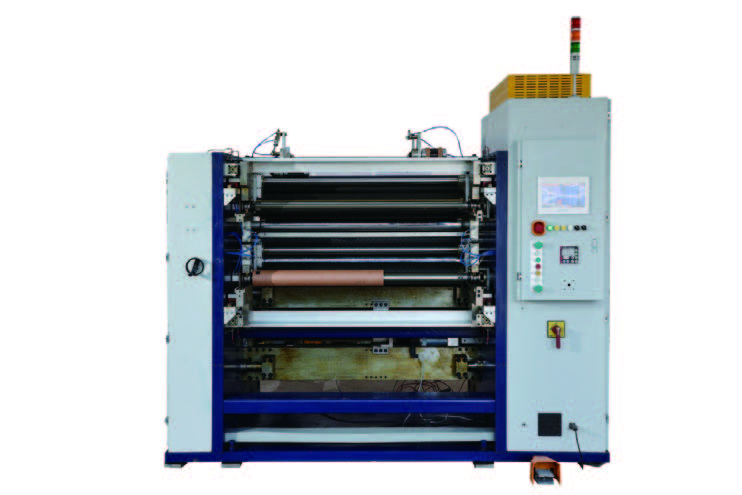 New Energy Ultra-thin Film Slitting Machine For Capacitive Film
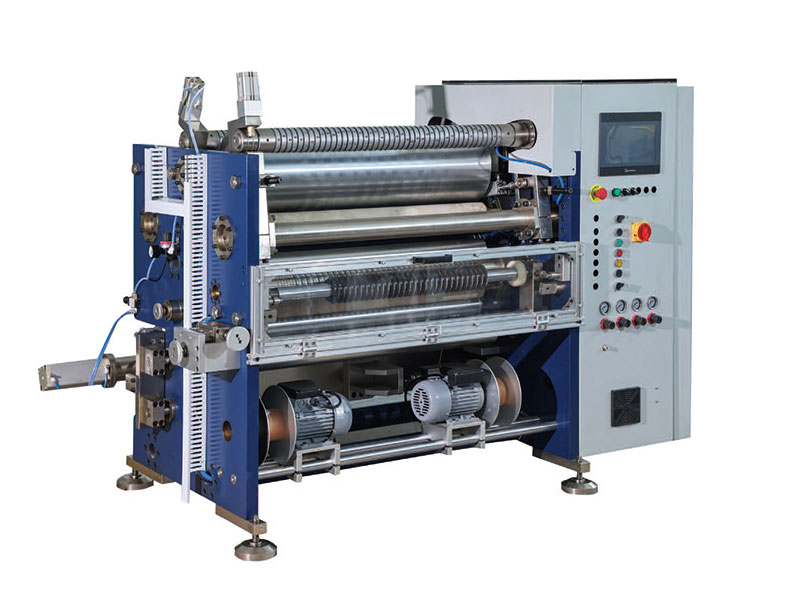 800mm Hot Stamping Foil Slitting Machine
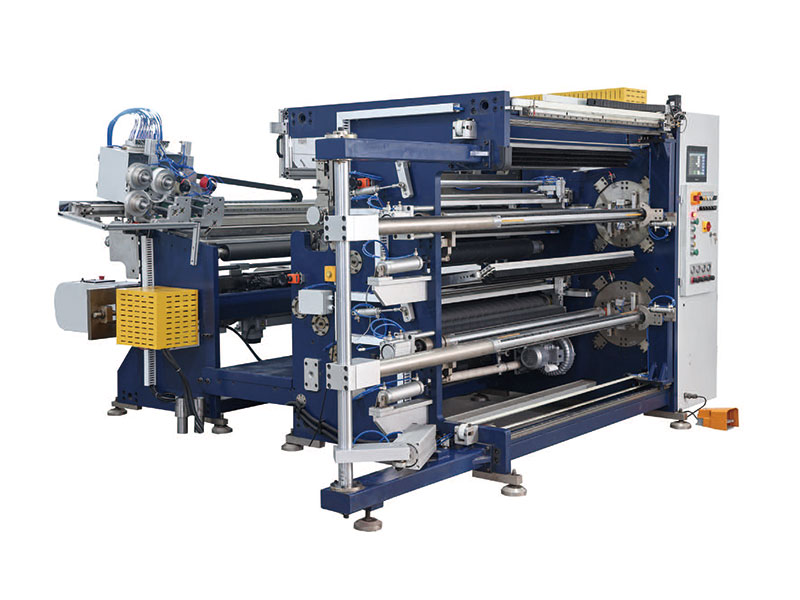 1350mm Hot Stamping Foil Slitting Machine