
Electrostatic adhesion is a common and tricky problem during ribbon slitting. Static electricity not only causes interlayer adsorption and uneven winding of ribbons, but may also affect print quality and even damage equipment. The following is a set of systematic solutions to help you effectively deal with electrostatic adhesion in ribbon slitting machines.
1. Problem identification and preliminary investigation
1. Observe the electrostatic performance: Check whether there is interlayer adsorption, difficult separation, uneven winding edges, or electric shock marks on the surface after ribbon slitting.
2. Detect ambient humidity: Use a hygrometer to measure the humidity in the workshop. If it is less than 45%, the risk of static electricity increases significantly.
3. Check the equipment grounding: Confirm whether the overall grounding of the slitting machine is good, and the grounding resistance should be less than 4Ω.
2. Environmental regulation
1. Increase humidity: Control the relative humidity in the workshop between 50%–65%. Humidifier or spray system can be used.
2. Temperature control management: Keep the temperature at 20–25°C and avoid dry and high-temperature environments.
3. Air Ionization: Install ion fans or ion rods in the slitting area to neutralize the static charge in the air.
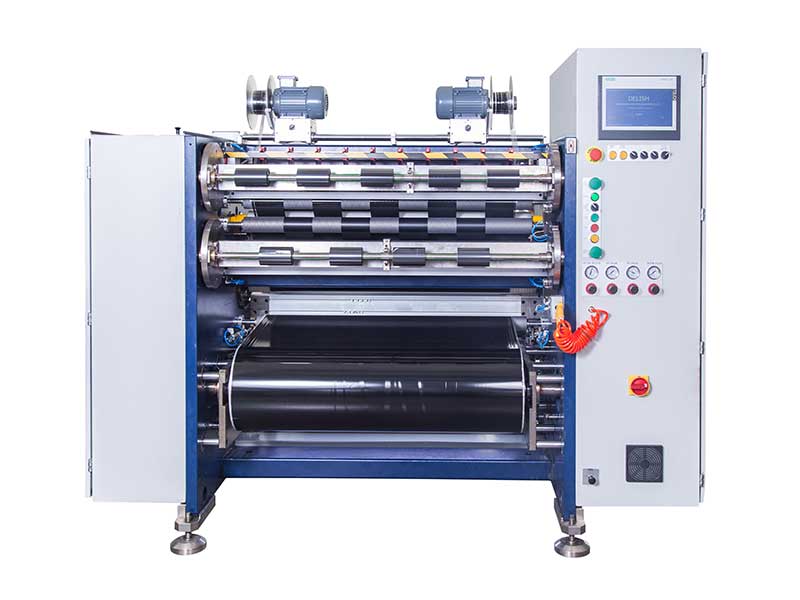
3. Equipment transformation and installation of static elimination device
1. Install the Static Eliminator:
◦ Install AC or pulsed static elimination rods near the unwinding, winding and slitting knife edges.
◦ Make sure that the eliminator is 10–30mm away from the ribbon surface and aligned with the ribbon running path.
2. Use an electrostatic or conductive brush:
◦ Add an anti-static brush near the ribbon contact roller to touch the back of the ribbon (uncoated side).
◦ Make sure the brush is well grounded.
3. Upgrade the guide roller material:
◦ Replace regular rubber or plastic guide rollers with anti-static rubber, carbon fiber, or metal guide rollers and ground.
◦ If the original guide roller is retained, the surface can be wrapped with copper foil or conductive tape and grounded.
4. Optimization of process parameters
1. Adjust Tension Control:
◦ Appropriately reduce the winding tension, reduce the pressure between layers, and reduce the possibility of adhesion.
◦ Ensure that the tension of unwinding, traction and rewinding matches to avoid over-tightening in the area.
2. Optimize Slitting Speed:
◦ Appropriately reduce the slitting speed (e.g., from 200m/min to 150m/min) to reduce friction and electricity.
◦ Observe the degree of static electricity at different speeds to find the optimal speed.
3. Alter the ribbon path:
◦ Reduce the angle of the ribbon and the roller, reduce the contact area and the number of frictions.
◦ Avoid excessive belt passing through non-grounded metal or plastic parts.
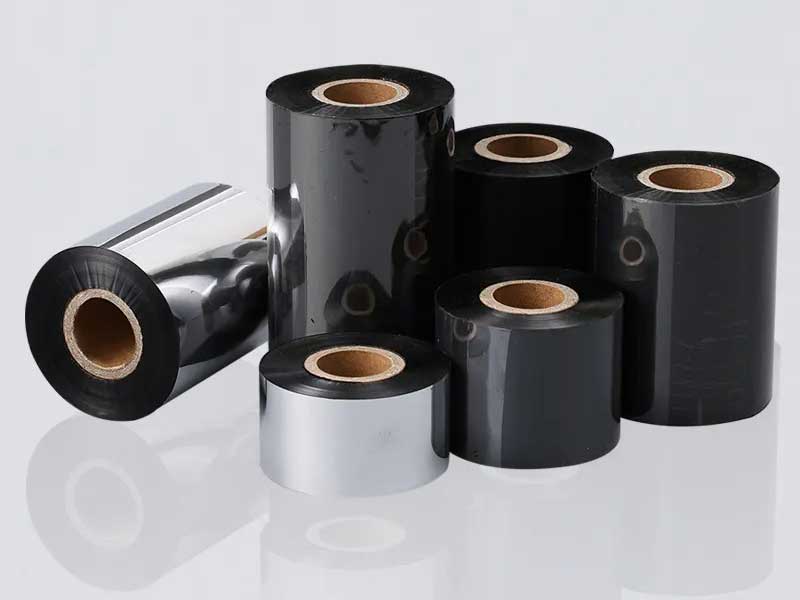
5. Management of materials and consumables
1. Choose anti-static ribbons: Some high-end ribbons have built-in anti-static layers, which can greatly reduce static electricity generation.
2. Control the storage conditions of the ribbon: Store the ribbon in an environment with a humidity of about 50%, and fully warm and moisten before use.
3. Check the quality of the ribbon: The back coating of inferior ribbon has a high friction coefficient and is prone to static electricity, so it is recommended to replace the stable supplier.
6. Maintenance and daily management
1. Clean the Equipment Regularly:
◦ Clean toner and dust from static eliminators, guide rollers, slitting knives weekly.
◦ Use alcohol or special detergents to wipe the guide rollers to avoid contaminants increasing friction.
2. Check Static Eliminator Performance:
◦ Measure the electrostatic potential on the surface of the ribbon with an electrostatic tester every month, which should be less than ±1kV.
◦ Replace aging static eliminator electrodes or ion needles regularly.
3. Recording and Tracking:
◦ Establish an electrostatic detection record table to record the slitting speed, temperature and humidity, electrostatic potential and adhesion.
◦ Analyze the cause and adjust parameters in time when abnormalities are found.
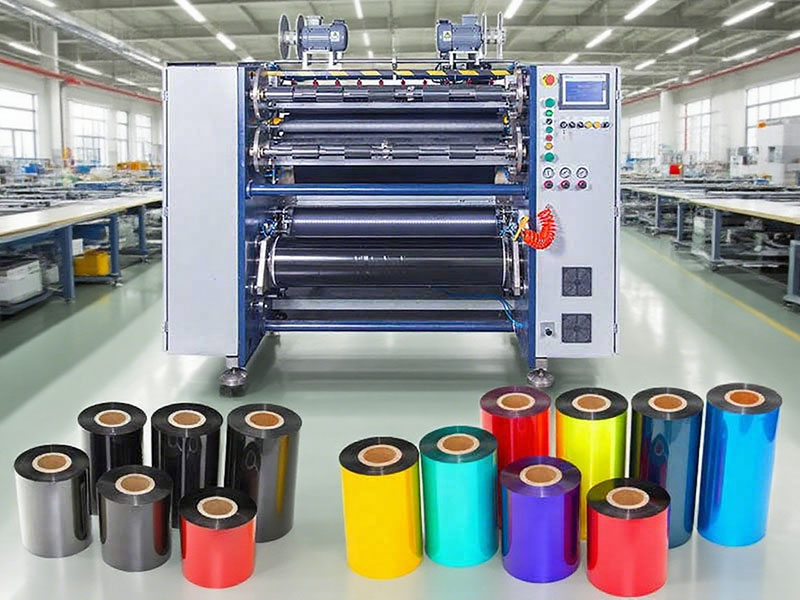
7. Emergency response plan
If severe electrostatic adhesions have occurred causing downtime:
1. Stop the machine immediately and check whether the winding core is partially adherent.
2. Use an ion air gun to aim at the adhesive part and purge, neutralize the static electricity and carefully separate it.
3. If it cannot be separated, cut off the problem segment to avoid affecting the quality of the whole volume.
4. Check and clean the entire ribbon path, readjust the process parameters, and resume production.
8. Comprehensive suggestions
• Prioritize the combination of measures: It is recommended to take ambient humidification + install an electrostatic eliminator + adjust the tension at the same time, the effect is most obvious.
• Return on investment: Installing a fixed static elimination system (about 2000-5000 yuan) can pay for itself within 1-2 months by reducing the scrap rate.
• Professional support: If the self-treatment effect is not good, you can contact the electrostatic elimination equipment manufacturer for on-site measurement and scheme design.
Through the above steps, you can systematically troubleshoot and solve the electrostatic adhesion problem of the ribbon slitting machine, and improve the slitting quality and production efficiency. The key is to take a multi-pronged approach of environmental control, equipment transformation and process optimization, and form a daily maintenance system.
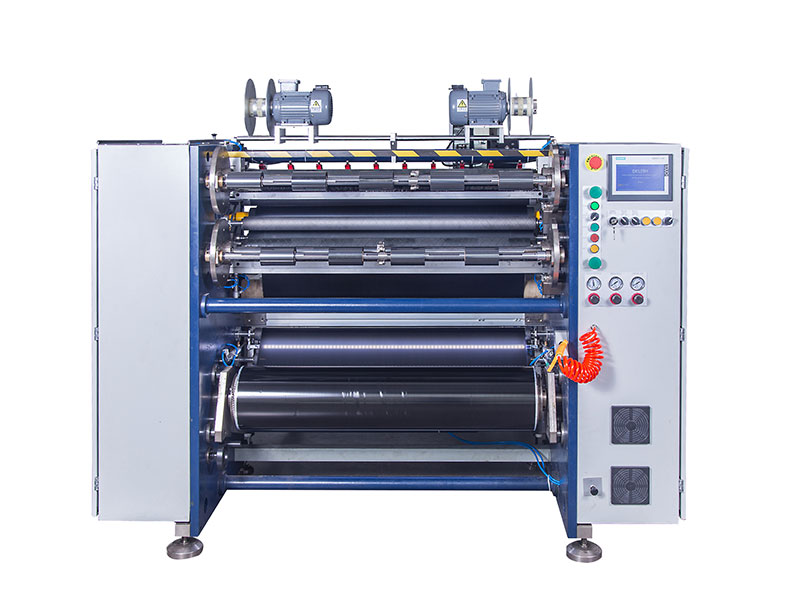 Can a barcode ribbon slitting machine cut and thermal transfer ribbons?
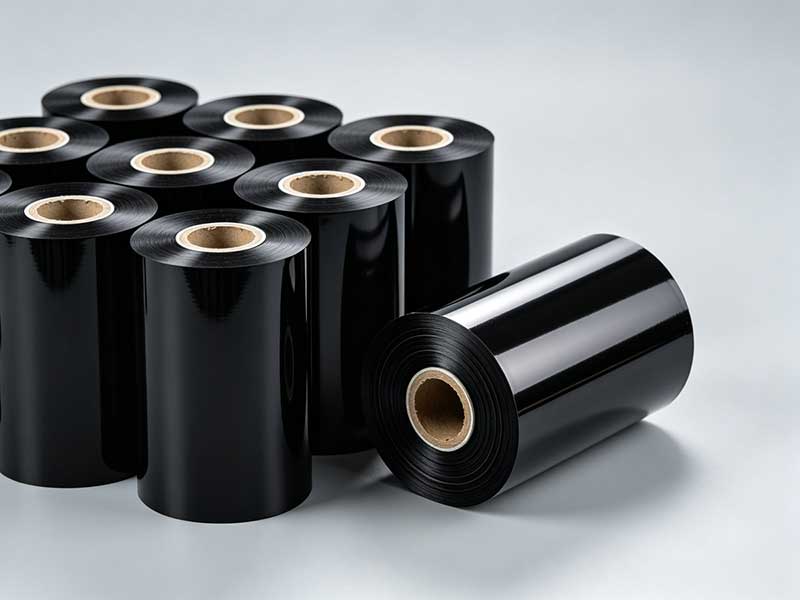 What ribbon materials are suitable for the barcode ribbon slitting machine?
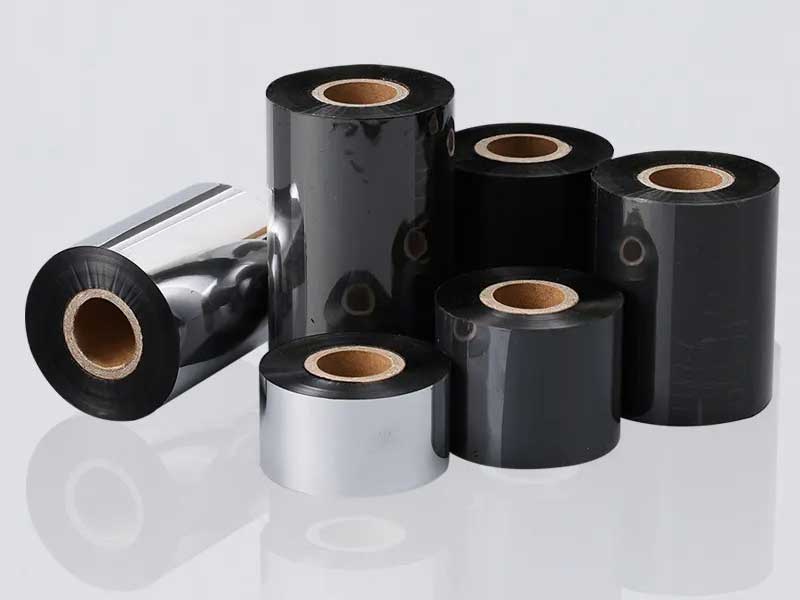 How to propose customized requirements for barcode ribbon slitting machines?How to choose a barcode ribbon slitting machine? Core Features and Key Selection Points
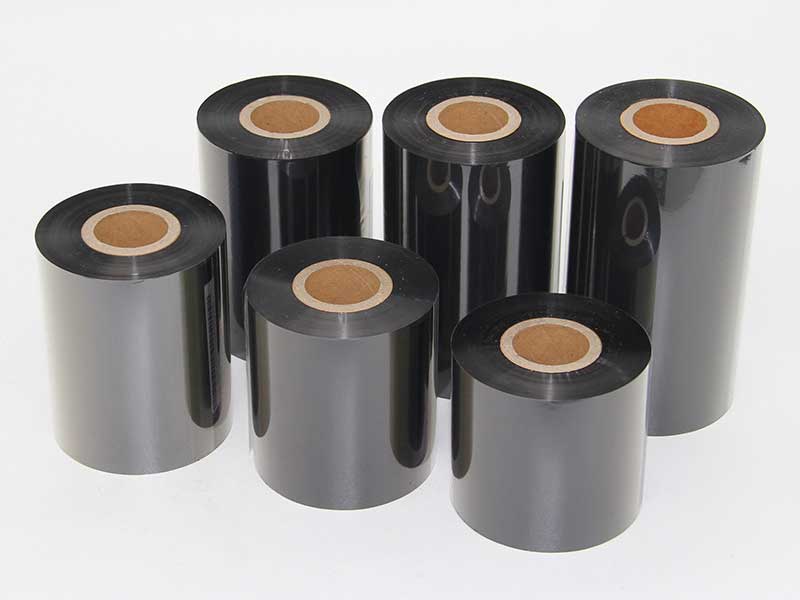 The ribbon slitting machine for the barcode printer is suitable for ribbon types


 English
 Deutsch
 Français
 Español
 Português
 日本語
日本語 русский
 한국어
한국어 عربي
عربي ภาษาไทย
 Tiếng Việt
 Italiano
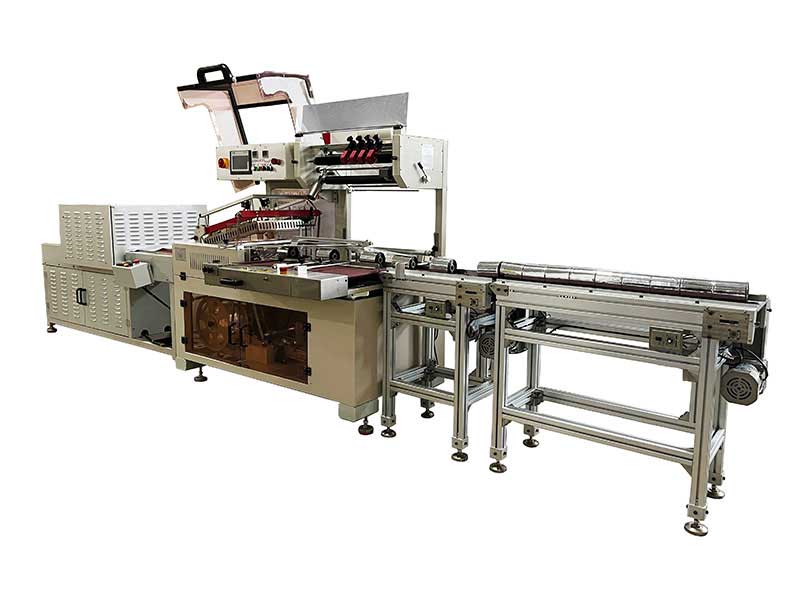 Thermal Transfer Ribbons Packaging Machine
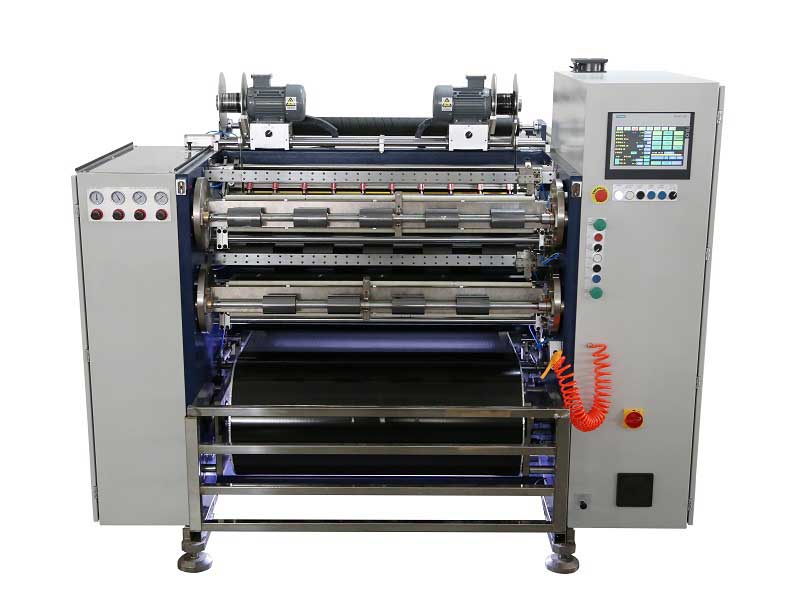 Automatic Thermal Transfer Ribbon Slitting Machine RSDS8 H PLUS
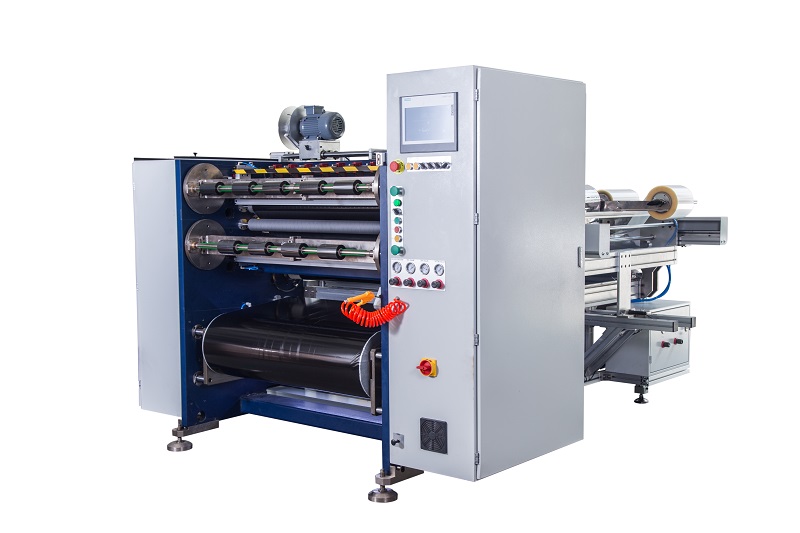 Semi Automatic Thermal Transfer Ribbon Slitting Machine RSDS5 PLUS
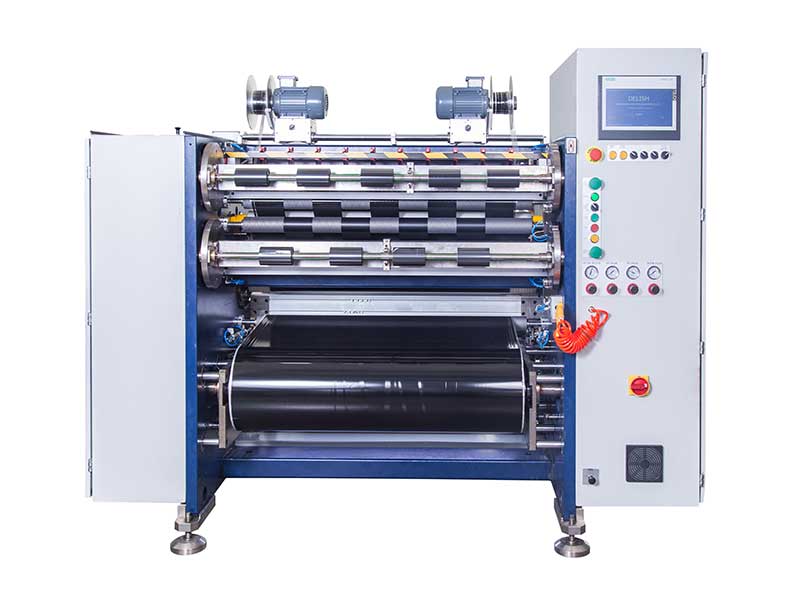 TTR Slitting Machine