
The ribbon slitting machine not only affects the slitting accuracy but also may cause uneven ribbon edges, uneven rewinding, and even damage to the blades. To solve the jitter problem, the key is to systematically investigate from the three dimensions of mechanical, electrical and process. The following are specific troubleshooting ideas and common fault points.
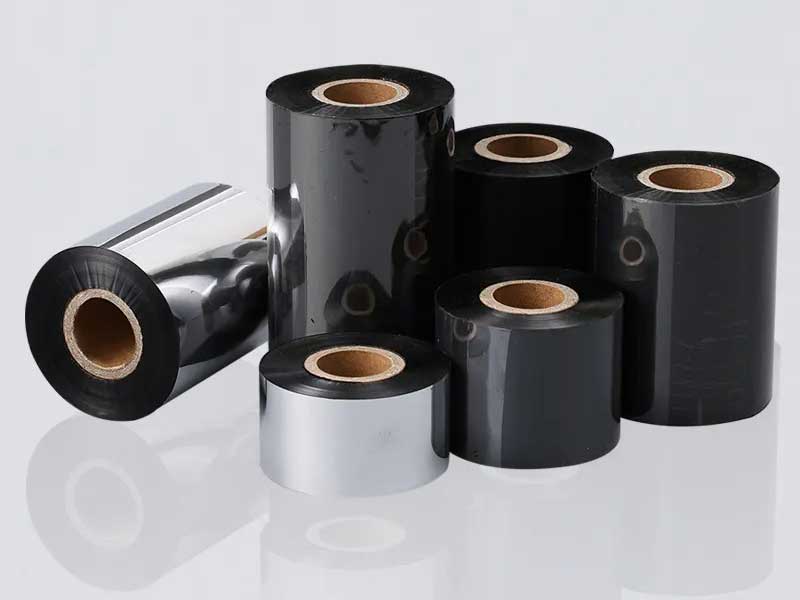
1. Mechanical structure (most common reason)
1. Unwinding reel and clamping device
• Check whether the unwinding shaft is bent or deformed and whether the rotation is flexible
• Whether the clamping cone or chuck is worn and causes the ribbon coil to rotate eccentricly
• Whether the bearing is damaged, there is a stutter or abnormal noise when rotating
2. Guide roller system
• Whether there is glue, toner or foreign matter on the surface of each guide roller, causing the ribbon to run off and run
• Whether the guide roller bearing is damaged and does not rotate smoothly
• Whether the guide rollers are parallel or not, and the height of the two ends is inconsistent will cause periodic jitter
3. Slitting knife set
• Whether the round blade is severely worn or notched, causing impact when cutting
• Whether the gap between the cutter shaft bearings is too large and the blade moves axially
• Whether the bite volume of the upper and lower knives is too large or too small, and violent vibration will be generated if it is too large
4. Rewinding shaft and pressure roller
• Whether the rewinding shaft is poorly balanced (especially on high-speed machines)
• Whether the pressure of the winding roller is uniform, and the excessive pressure on one side will cause swinging
• Whether the winding core is round, the eccentric core will transmit vibration
5. Transmission components
• Whether the timing belt is loose, worn, or damaged in the tooth profile
• Whether the coupling is poorly aligned, whether the rubber torx pad is old and cracked
• Whether the gearbox clearance is too large
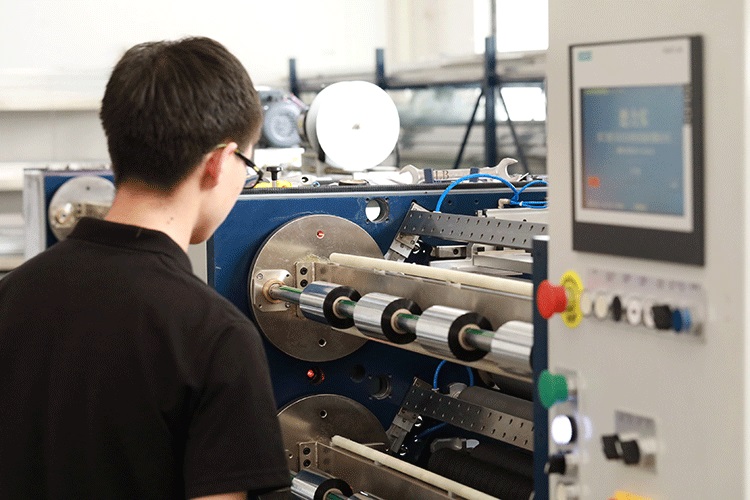
2. Electrical and control systems
1. Motor and drive
• Whether there is abnormal noise during the operation of the servo/inverter motor, the vibration can be judged by touching the motor shell
• Whether the driver parameters are set reasonably, especially the speed loop and current loop gain
• Whether there is a crawling phenomenon at low speed operation, it may be due to insufficient torque or interference with the encoder signal
2. Tension control system
• Whether the unwinding/rewinding tension fluctuates too much (you can check the real-time value of the tension sensor)
• Whether the magnetic powder clutch/brake is slipping or stuck
• Whether the tension control is suitable for the current material (closed-loop tension is better than open-loop)
3. Power and ground
• Whether the power supply voltage is stable, whether there is phase defect or harmonic interference
• Whether the equipment is grounded reliably, and whether the signal line runs parallel to the power line causing interference
3. Process and operation
1. Material issues
• Whether the ribbon coil itself is eccentric or uneven
• Whether the ribbon thickness is uniform, and changes in thickness will cause tension fluctuations
• Whether the material is deformed by moisture
2. Running parameters
• Whether the operating speed exceeds the stable threshold of the equipment (you can try to reduce the speed to verify)
• Whether the acceleration and deceleration time is set too short, resulting in sudden start and stop
• Whether the rewinding/unwinding tension setpoint matches the material
3. Installation operation
• Whether the ribbon roll is installed in the center, aligned with the center line of the guide roller
• Whether the belt path is correct and whether it bypasses the roller that should be wound
• Whether the paper tube is tightly matched with the winding shaft
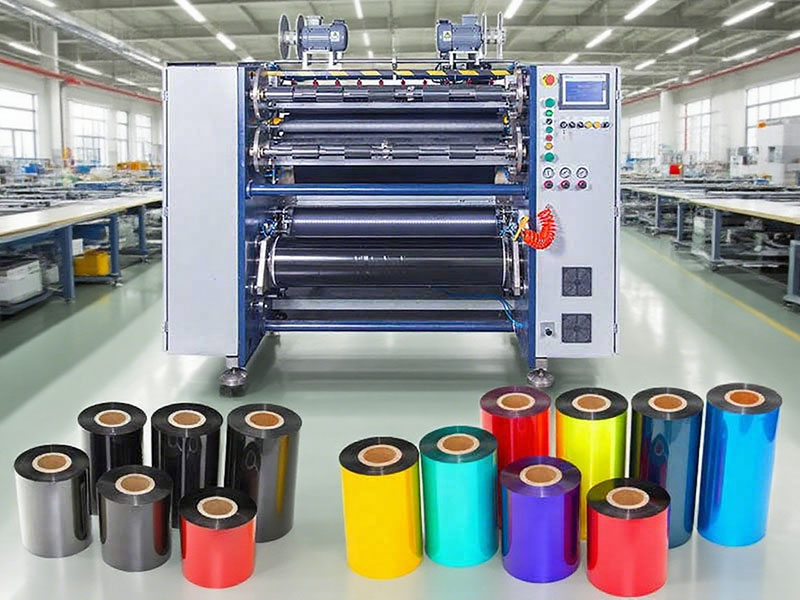
4. Suggestions for quick troubleshooting steps
If there is jitter on site, it is recommended to quickly locate it in the following order:
1. No-load test: do not wear a ribbon, only let the equipment idle to determine whether the jitter comes from the equipment itself.
2. Segment elimination: test the unwinding, slitting, and winding sections separately to reduce the scope of failure.
3. Low-speed observation: Operate at a very low speed, and observe which roller or shaft has significant runout with the naked eye.
4. Swap method: Swap the shaft with jitter with the normal shaft (such as the guide roller) to determine whether it is a shaft problem or an installation foundation problem.
5. Instrument detection: use a dial indicator to determine the runout, the runout of the guide roller should be controlled within 0.05mm, and the runout of the spindle should not be greater than 0.02mm.
5. Summary
The jitter problem of the ribbon slitting machine accounts for more than 70% of the mechanical causes, especially the bearing, guide roller parallelism, tool shaft clearance and rewinding roller. In terms of electrical, focus on tension fluctuations and motor parameters. In terms of process, priority should be given to checking whether the material coil core is eccentric.
It is recommended that equipment operators develop the habit of regular inspection: check the temperature and noise of each bearing once a month, calibrate the parallelism of the guide rollers once a quarter, and replace the vulnerable bearings every six months. When encountering sudden jitter, stop the machine first to check whether the blade is broken and whether the ribbon is wound, and then check the system according to the above process.
Through the four-step method of "seeing the beating, hearing the abnormal noise, touching the temperature and vibration by hand, and measuring the accuracy", the root cause of most jitter problems can be found and solved.
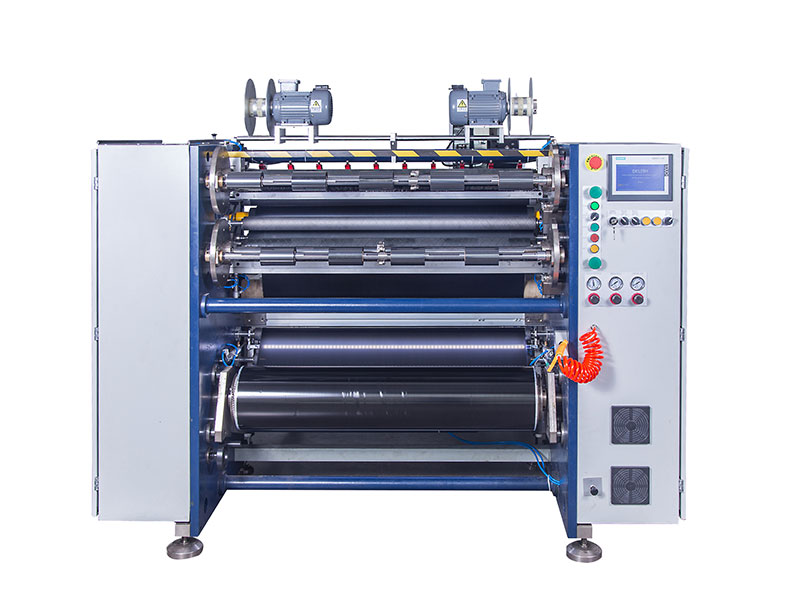 Can a barcode ribbon slitting machine cut and thermal transfer ribbons?
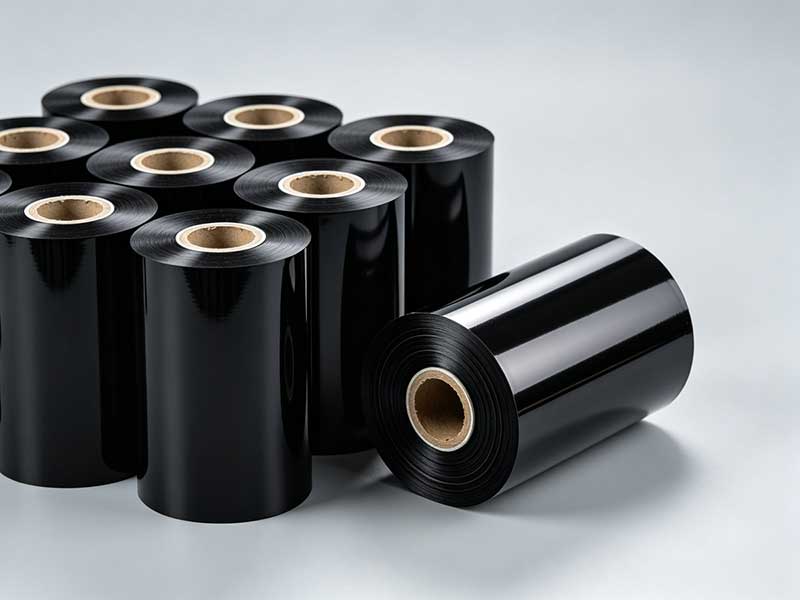 What ribbon materials are suitable for the barcode ribbon slitting machine?
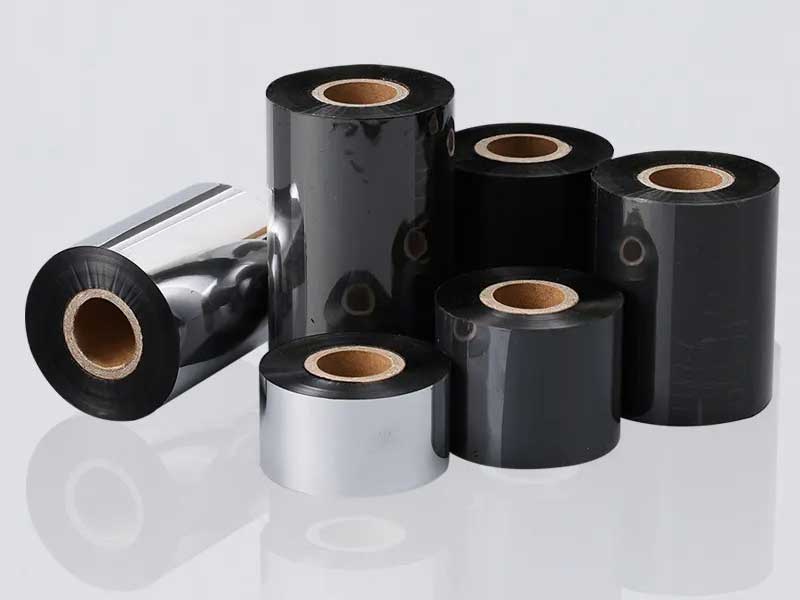 How to propose customized requirements for barcode ribbon slitting machines?How to choose a barcode ribbon slitting machine? Core Features and Key Selection Points
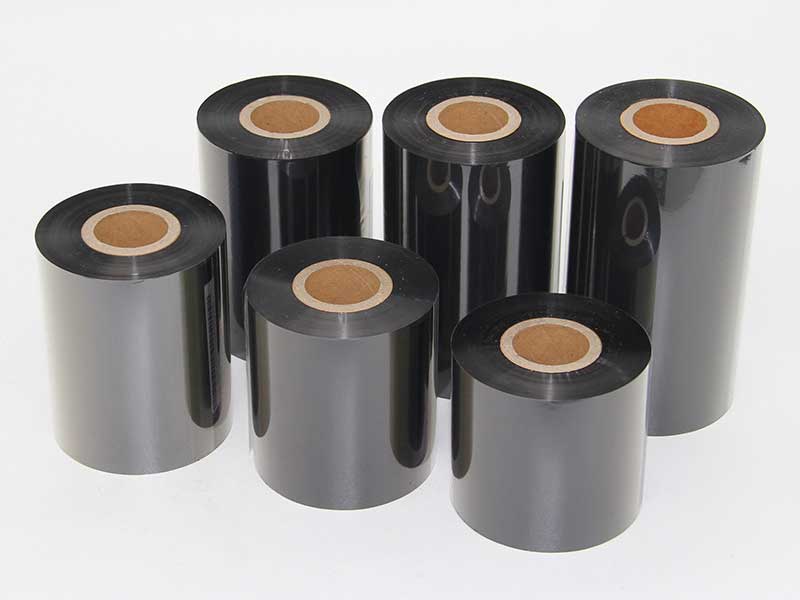 The ribbon slitting machine for the barcode printer is suitable for ribbon types


 English
 Deutsch
 Français
 Español
 Português
 日本語
日本語 русский
 한국어
한국어 عربي
عربي ภาษาไทย
 Tiếng Việt
 Italiano
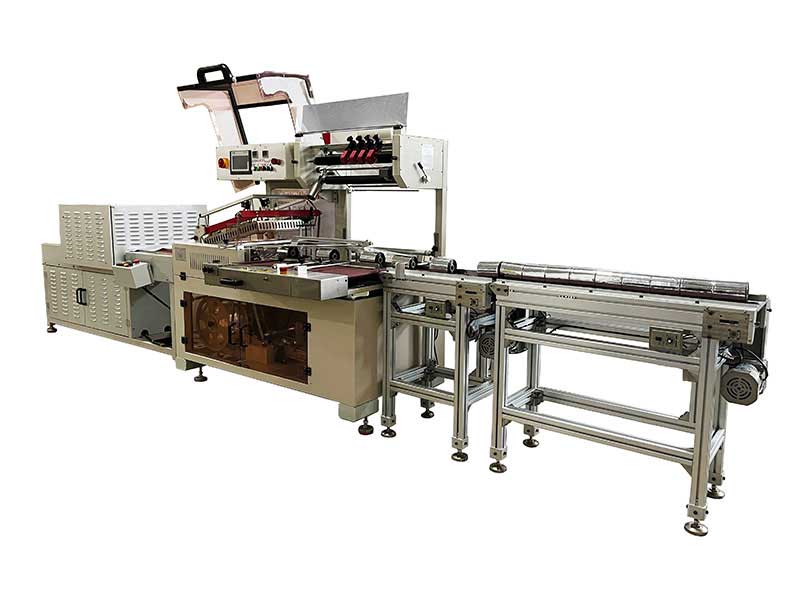 Thermal Transfer Ribbons Packaging Machine
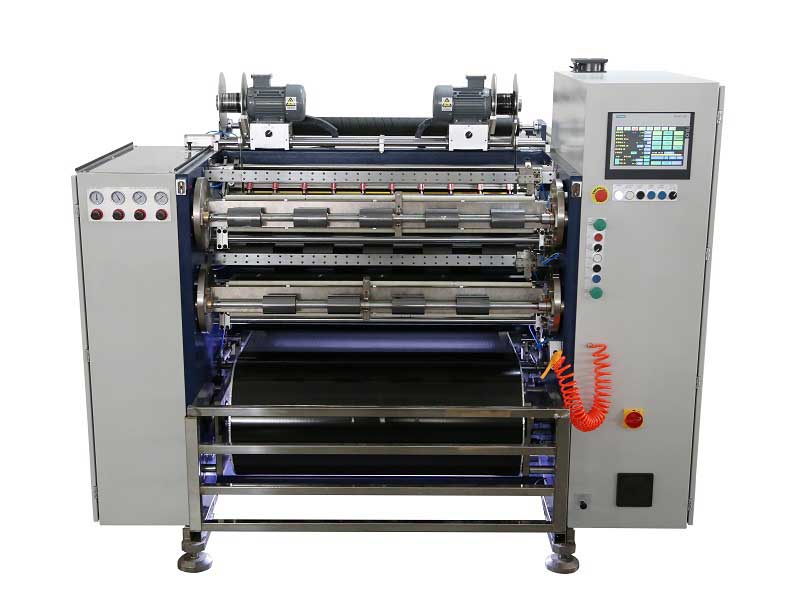 Automatic Thermal Transfer Ribbon Slitting Machine RSDS8 H PLUS
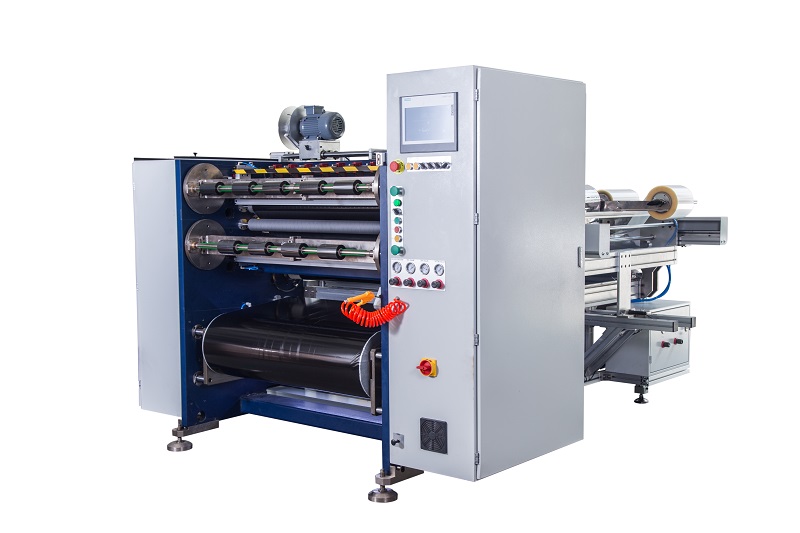 Semi Automatic Thermal Transfer Ribbon Slitting Machine RSDS5 PLUS
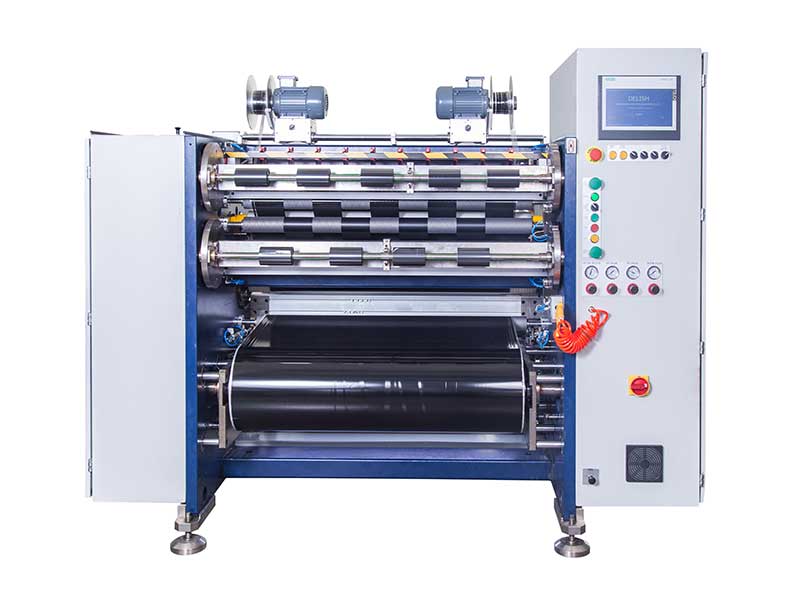 TTR Slitting Machine