
In the production and processing of PET film, slitting is a key process. The quality of the slitting directly affects the yield rate of the film in the subsequent use, and surface scratches are one of the most common and troublesome quality defects in the slitting process. Especially for high value-added PET films such as optical grade and electronic grade, a slight scratch may lead to the scrapping of the entire roll. To this end, more and more companies have begun to transform the key components of the slitting machine - the roll group to resist scratches to reduce the risk of scratches from the root.
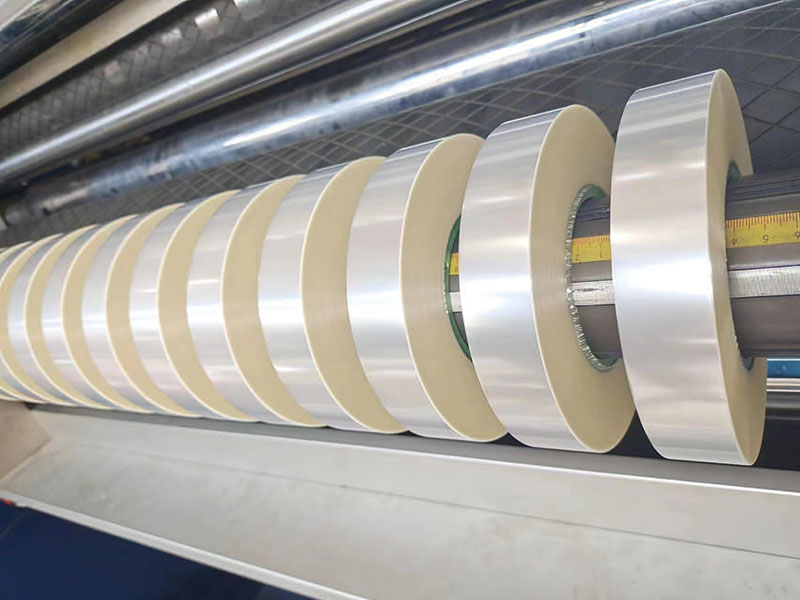
1. The main reasons for scratches during PET film slitting
Before analyzing the renovation plan, it is necessary to clarify the common causes of scratches:
1. Excessive hardness or rough surface of the roller surface: If the surface of traditional metal rollers (such as steel rollers and aluminum rollers) is not smooth enough, or if it wears and rusts after long-term use, it will directly scratch the film.
2. Speed mismatch between rolls: There are differences in linear speed between rollers, causing the film to be stretched or rubbed, resulting in abrasions.
3. Foreign Object Involvement: Dust, debris, or hard particles adhere to the roller surface or film surface, forming scratches under pressure.
4. Static electricity accumulation:P ET film is prone to static electricity, adsorption of dust, and electrostatic discharge may also leave traces on the surface of the film.
5. Improper tension control: excessive tension causes the film to adhere to the roller surface, increasing the probability of friction damage.
Among them, the contact mode between the roller group and the film is the most direct and controllable factor. Therefore, the transformation of anti-scratch roll groups has become the core means to solve the problem.
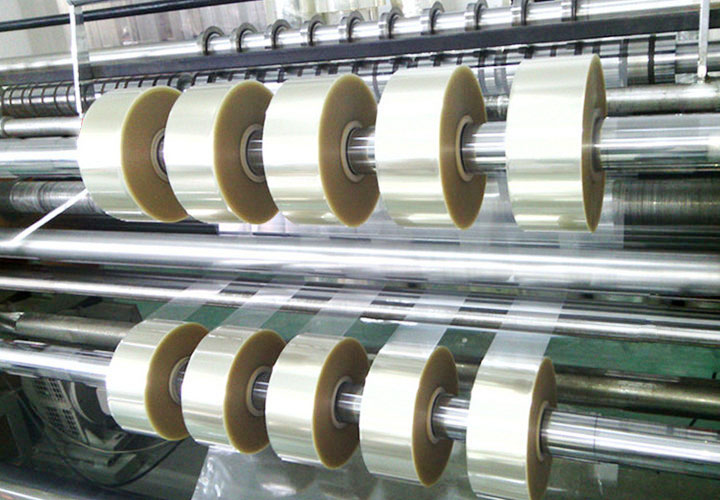
2. The core idea of the transformation of the anti-scratch roller group
The goal of the anti-scratch roller group transformation is to minimize the risk of mechanical damage to the surface of the roller on the surface of the film under the premise of ensuring smooth film movement and accurate slitting. The specific transformation can start from the following aspects:
1. Roll surface material upgrade: from "hard contact" to "soft contact"
• Laminated roller: A layer of polyurethane (PU) or silicone with a certain hardness is wrapped outside the metal roll core. Polyurethane is wear-resistant and elastic, while silicone has very low adhesion and good antistatic properties. The rubber coating cushions the rigid contact between the film and the roller surface, significantly reducing scratches.
• Teflon (PTFE) Coated Rollers: Spray Teflon on the roll surface to reduce the surface friction coefficient and allow the film to glide smoothly without being scratched. At the same time, Teflon has anti-stick properties to reduce foreign matter adhesion.
• Ceramic rollers: For high-speed and high wear resistance requirements, precision-ground ceramic rollers can be used, with a surface finish of up to mirror level, and extremely high hardness, not easy to damage, but relatively high cost.
2. Roll surface structure optimization: reduce contact area and pressure
• Segmented rollers: divide the long rollers into several independently rotating short roller segments, which can adapt to the tension difference in the direction of the width of the film and avoid scratches caused by local folds or offsets.
• Slotted or spiral rollers: Fine grooves or spirals are designed on the roll surface to reduce the continuous contact area with the film while facilitating the removal of entrained air and dust.
• Active floating rollers: pneumatic or spring-loaded floating rollers that automatically adjust the contact pressure according to the change of film thickness to avoid overpressure scratches.
3. Add non-contact guidance devices
For extremely sensitive film surfaces (e.g., PET films with functional coatings), consider replacing conventional contact rollers with air or magnetic rollers. The air flotation roller holds up the film through a high-pressure air film to achieve true contact-free transmission and completely eliminate scratches.
4. Auxiliary system cooperative transformation
• Static elimination device: Static elimination rods (AC ionization type or pulsed DC type) are installed before and after the roller set to reduce dust scratches caused by electrostatic adsorption.
• In-line cleaning rollers: Set up sticky dust rollers or brush rollers to regularly remove accumulated particles on the roll area.
• Tension closed-loop control: In conjunction with the modification, the tension sensor and control system are upgraded to ensure that the speed between each roller is synchronized, and the abrasion caused by the speed difference is eliminated.
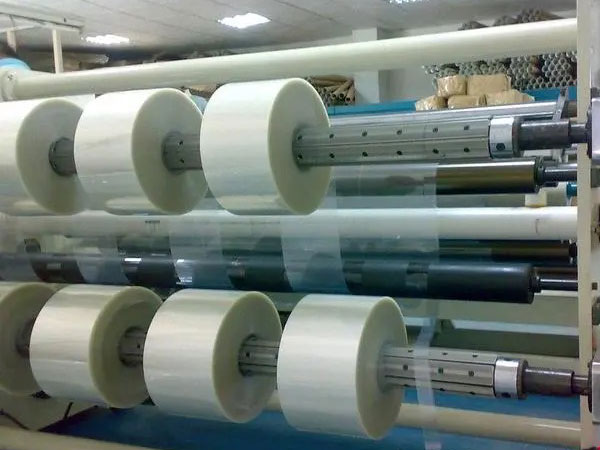
3. Typical transformation case: an optical PET film production line
A company produces optical PET film for polarizers with a thickness of 50 μm and no visible scratches on the surface. The original slitting machine uses chrome-plated steel rollers, and the scratch defect rate is as high as 3.2%. The renovation measures are as follows:
1. Replace all guide rollers and traction rollers in contact with the film with silicone coating rollers (hardness Shore A 60±5), with a surface roughness of Ra≤0.4μm.
2. Add a set of active sticky dust rollers before and after slitting, and automatically clean twice a day.
3. Install a high-frequency AC static elimination rod, and install it at a distance of about 20mm from the surface of the film.
4. Optimize the tension setting, change the original constant tension control to taper tension control, and the winding tension decreases with the increase of the coil diameter.
Transformation results: The scratch defect rate decreased from 3.2% to less than 0.15%, the equipment operation speed increased by 15%, and the annual waste cost was saved by about 860,000 yuan.
4. Precautions for renovation and maintenance suggestions
• Material selection and adaptation: The coating material should be compatible with PET film to avoid precipitate pollution. Silicone rollers should not be in contact with oily environments for a long time, and polyurethane rollers should avoid direct ultraviolet rays.
• Regular grinding: The surface of the coating roller will wear or harden after a period of use, and it is necessary to return to the factory for regular grinding to restore the surface finish.
• Cleaning system: Establish daily roller surface cleaning procedures, use non-woven fabrics and special cleaning agents, and prohibit hard objects from scratching the roller surface.
• Spare roller mechanism: It is recommended to configure a spare roller set for quick replacement during grinding or repair, reducing downtime losses.
5. Conclusion
The problem of scratches during PET film slitting is rooted in "contact". The transformation of the anti-scratch roller group is not a simple replacement of a roller, but a system project involving materials, structure, control, and cleaning. Through scientific selection and reasonable configuration, the low-friction, scratch-free and high-stability slitting process can be fully realized. For enterprises pursuing high-quality film production, this transformation has a very high input-output ratio and is an effective way to enhance product competitiveness.
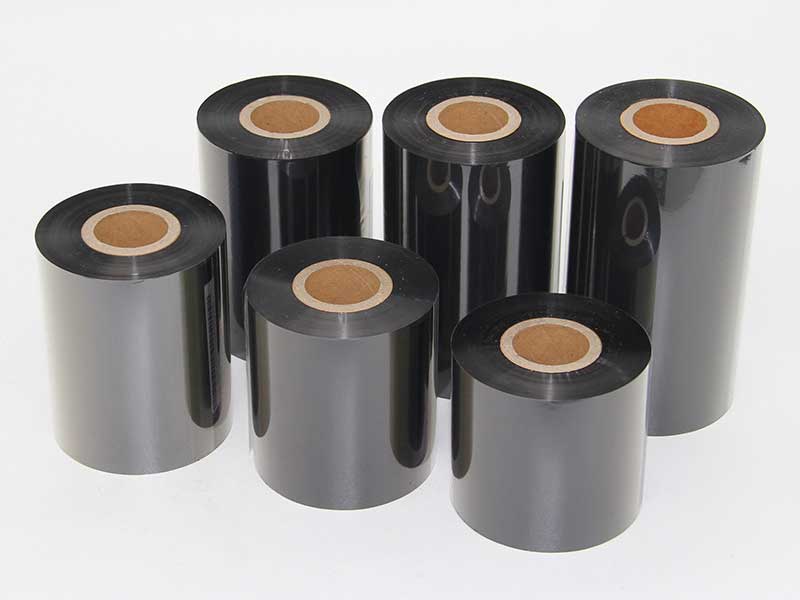 Considerations for selecting ribbon slitting machine equipment
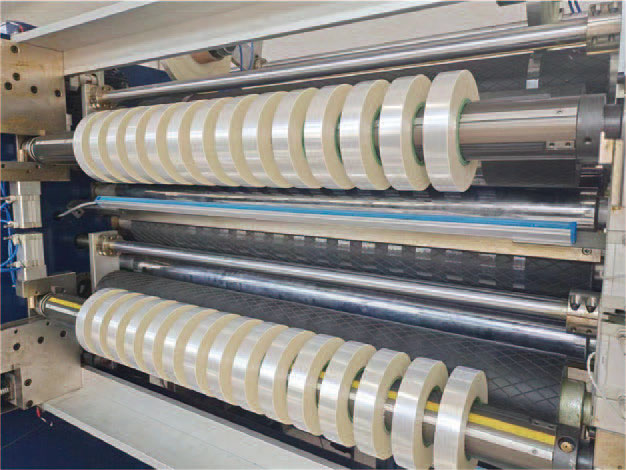 Key points for purchasing a PET film slitting machine
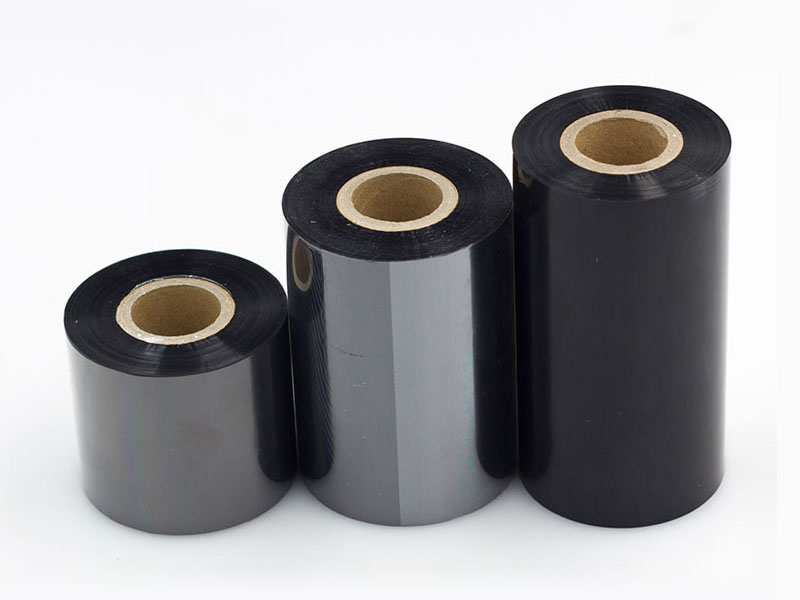 Core factors affecting the quality of ribbon slittingHow to select a film slitting machine? The key is to look at these five points
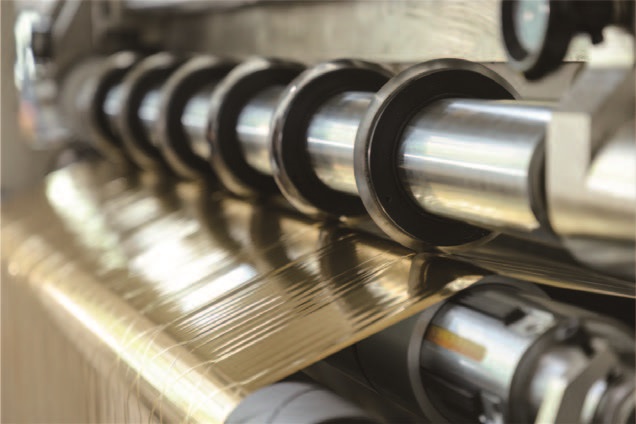 What is the difference between hot stamping foil slitting machines and ordinary film slitting machines?


 English
 Deutsch
 Français
 Español
 Português
 日本語
日本語 русский
 한국어
한국어 عربي
عربي ภาษาไทย
 Tiếng Việt
 Italiano
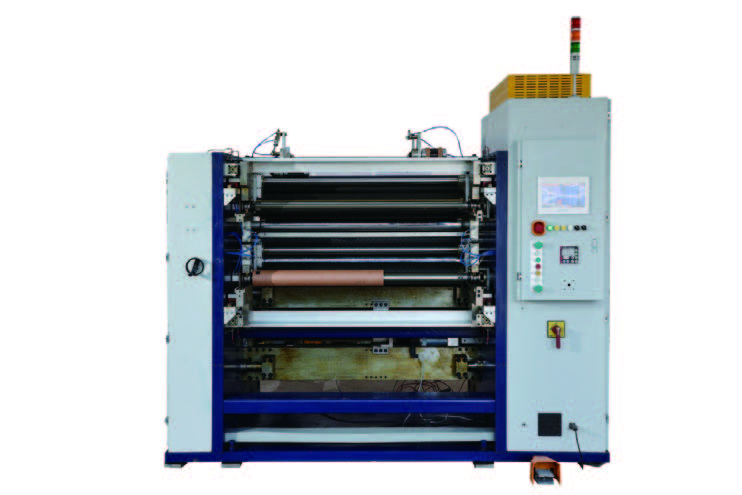
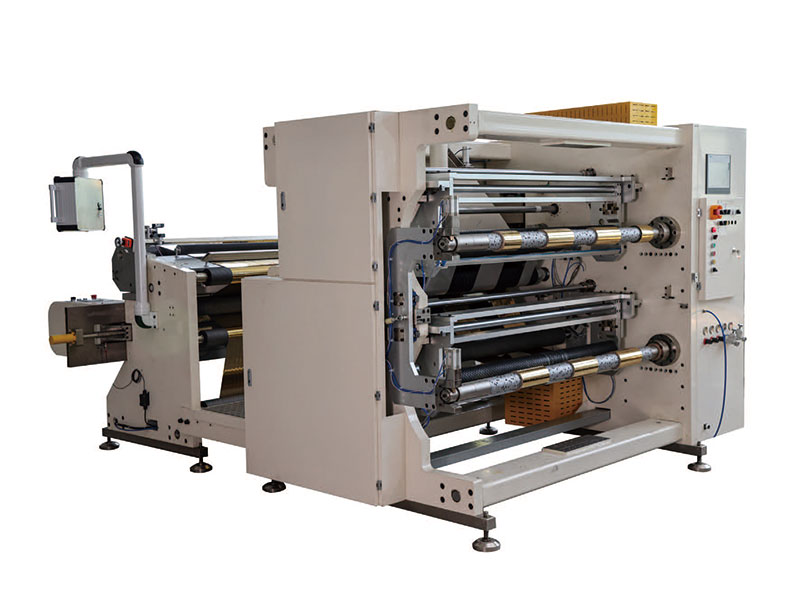 1400mm Hot Stamping Foil Slitting Machine
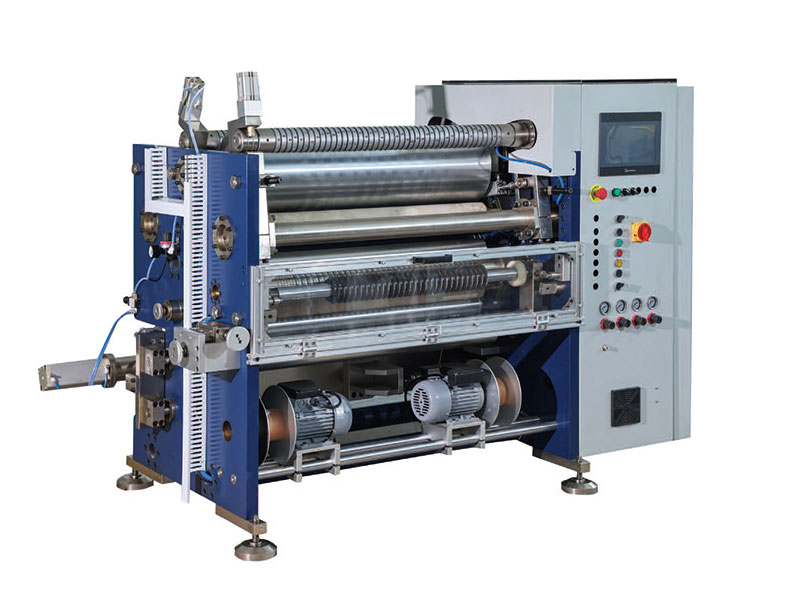
 New Energy Ultra-thin Film Slitting Machine For Capacitive Film
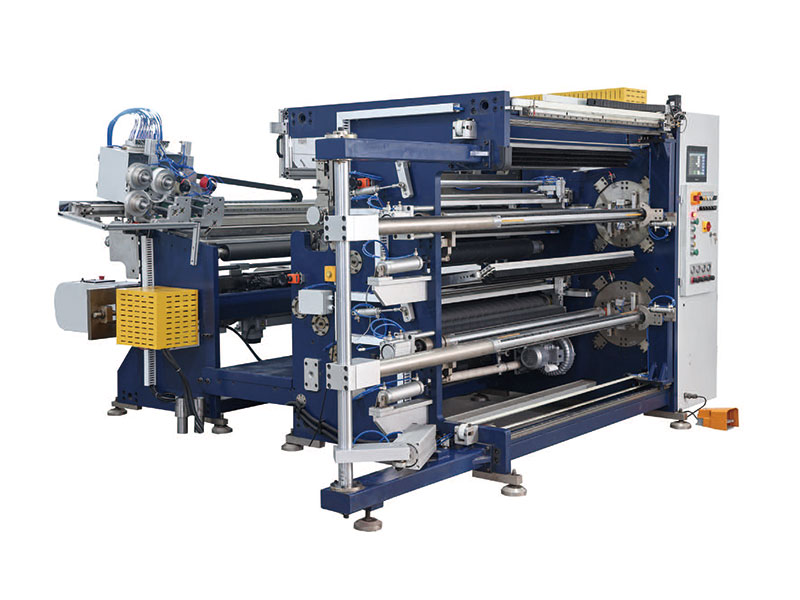
 800mm Hot Stamping Foil Slitting Machine
 1350mm Hot Stamping Foil Slitting Machine