
In PET film slitting production, uneven cutting edges are one of the biggest headaches. Uneven edges, severe burrs, and even wavy cuts can not only affect the yield but also lead to scrapping of the entire roll.
We recently spent two weeks in the factory, tracking three different brands of slitting machines on the ground, recording dozens of sets of abnormal data, and finally figured out the root cause of uneven cutting. The following three reasons are all real feedback from front-line operations and measurements.
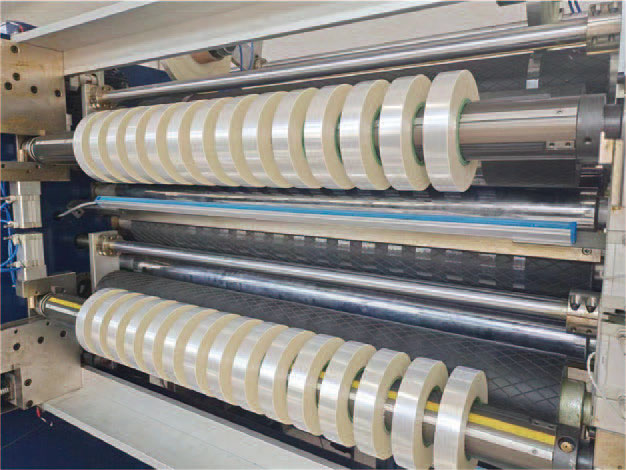
Reason 1: The blade "slightly jumps" - the shaking invisible to the naked eye is the most deadly
Phenomenon description
The film cut edge occasionally appears a neat section, a rough section, or a fine serrated edge. The operator checks the blade and it looks tight, and there is no noticeable shaking when pushed.
Measured findings
We measured the radial runout of the cutter shaft with a dial indicator. A slitting machine that was used for two years achieved a runout of 0.08 mm. For a 12 μm thick PET film, this value is well beyond the reasonable range (it should usually be controlled within 0.02 mm).
A more hidden problem is the vibration of the blade itself. At high speed (500-800m/min), the blade is affected by the combined effect of centrifugal force and cutting resistance, resulting in high-frequency slight vibration. It cannot be seen by the ordinary naked eye at all, but when measured with a laser displacement sensor, the amplitude of the tip fluctuates between 0.03-0.05mm.
Root causes
• Worn cutter shaft bearings or insufficient preload
• The blade flange locking surface is uneven
• Insufficient rigidity of the blade itself (especially non-original thin blades)
Solution direction
Replace high-precision bearings and readjust the preload; Switch to thick substrate inserts (more than 30% more rigidity); After each tool change, the dieal indicator must be used to check the runout of the tool tip.
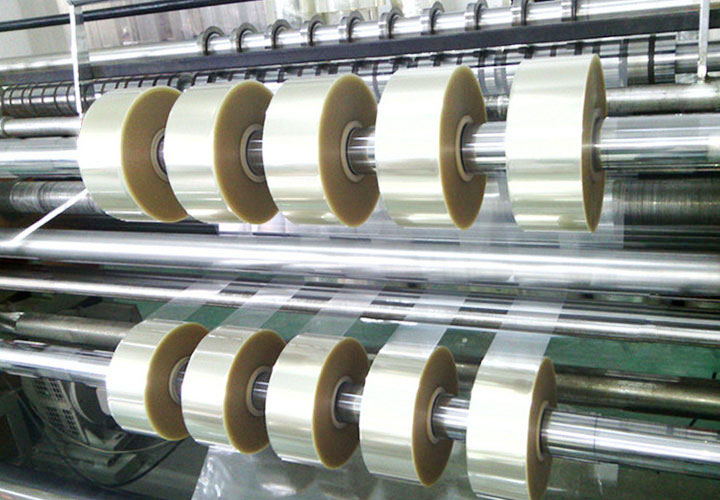
Reason 2: The "bite volume" of the upper and lower knives is off - a seriously neglected parameter
Phenomenon description
Sometimes the cut edge is "filamentous" (some fibers are not cut), and sometimes there is a "pressed white edge" (the edge of the cut is whitish and deformed). The blade looks quite sharp, and after a while, it doesn't work after a while.
Measured findings
The overlap of the upper and lower disc knives is adjusted by hand - "just feel the slight friction sound when turning". We measured the trimming quality with six different settings:
| Bite volume (mm) | Trimming quality | Blade life |
| 0.10 | The edges are slightly burrs, with filaments | It's long |
| 0.15 | Neat and burr-free | Normal |
| 0.20 | Neat, slightly whitish cut | 20% shorter |
| 0.30 | Noticeably whitened with fuzzy edges | Severely shortened |
The problem is that the bite is not a fixed value. The actual bite drifts as the blades wear, the rack expands and contracts, and even the ambient temperature changes that day. We tracked the production for a day: 0.15mm was set at start-up in the morning, and by the afternoon the rack temperature had risen by 8°C, the bite volume became 0.22mm, and the trimming quality dropped significantly.
Root causes
• Lack of process discipline to regularly check bite volume
• The rigidity between the upper and lower tool holders is insufficient, resulting in displacement during operation
• The effects of thermal deformation are not taken into account
Solution direction
The bite volume is retested every 2 hours with a feeler gauge or special measuring tool; A locking device is added to the upper and lower tool holders; Orders with high precision require an automatic tool adjustment system with a pressure sensor.
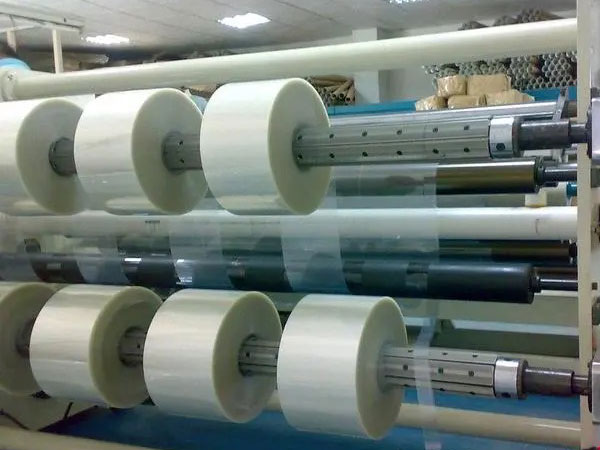
Reason 3: The film "deviates" and superimposes lateral oscillation - it is not cut in a straight line
Phenomenon description
The whole roll is cut down, and the width size fluctuates between large and small, and the amount of edge left on both sides is inconsistent. The edges are generally neat, but the width tolerance exceeds the customer's requirements.
Measured findings
We placed three ultrasonic sensors on the slitting path to monitor the position of the film edge in real time. The results are interesting: the lateral swing of the film is only ±0.3mm at the position 120mm before entering the knife edge; at the 30mm in front of the knife edge, the swing amplitude is increased to ±0.8mm.
Why is it amplified? The reason is that the tension distribution of the film is uneven. The tension in the width direction was measured with a tensiometer: 35 N in the middle area, and only 18 N near the cut edge. The film in the low tension area does not have sufficient rigid support, and a slight disturbance will amplify the swing amplitude.
Another finding was the parallelism deviation of the guide roller. Checked with a laser centerer, the parallelism deviation between the third guide roller and the tool shaft reached 0.5mm/m. This caused the film to enter the knife edge in a slight twisted attitude, and the cut edge naturally could not be a straight line.
Root causes
• The response delay or insufficient accuracy of the unwinding and correction system
• Parallelism of the flattening roller or guide roller is out of order
• Uneven tension distribution in the width direction (common in raw films with large thickness tolerances)
Solution direction
install the guidance correction sensor as close to the knife edge as possible; use a laser centering instrument to recalibrate the parallelism of all guide rollers; add a local pressure roller or vacuum adsorption device at the edge cutting position to suppress film jitter.
Summary
These three types of reasons often appear superimposed in actual production. In the case we tracked, the final rectification plan involved three aspects at the same time: replacing the cutter shaft bearing, establishing a checking system for each shift of bite volume, and recalibrating the parallelism of the guide rollers. After the rectification, the tolerance of the trimming width was reduced from ±1.5mm to ±0.3mm, and the scrap rate decreased by 6 percentage points.
Uneven edge cutting is not a single fault, but a manifestation of the imbalance of mechanical accuracy, process parameters, and film physical properties. It is recommended to start with the easiest bite amount to verify, and if the improvement is not obvious, check the runout of the knife shaft and the lateral swing of the film in turn. Speak with data, don't rely on feeling to adjust the machine.
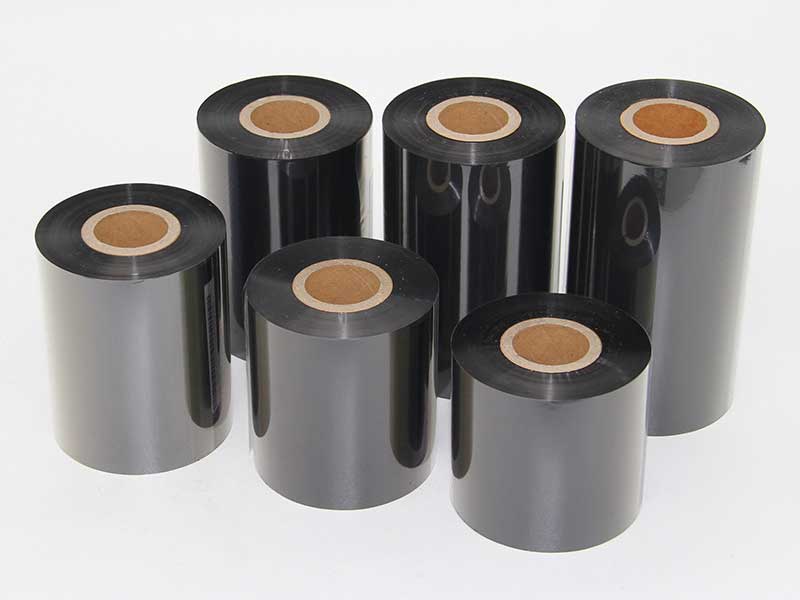 Considerations for selecting ribbon slitting machine equipmentKey points for purchasing a PET film slitting machine
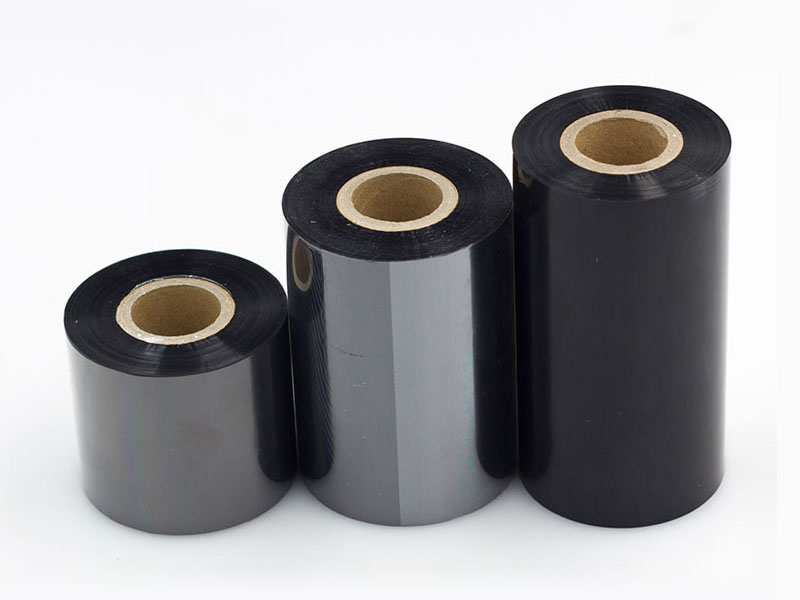 Core factors affecting the quality of ribbon slittingHow to select a film slitting machine? The key is to look at these five points
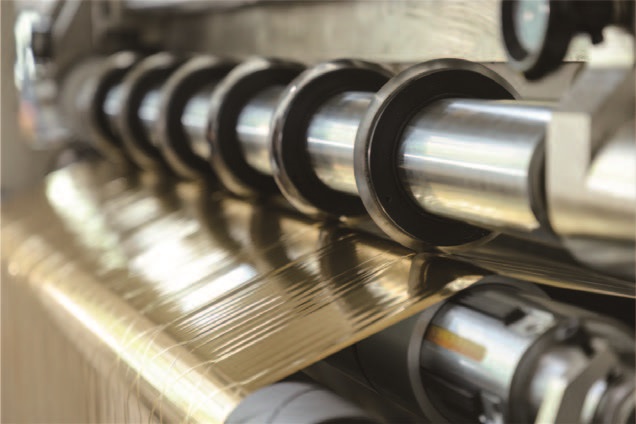 What is the difference between hot stamping foil slitting machines and ordinary film slitting machines?


 English
 Deutsch
 Français
 Español
 Português
 日本語
日本語 русский
 한국어
한국어 عربي
عربي ภาษาไทย
 Tiếng Việt
 Italiano
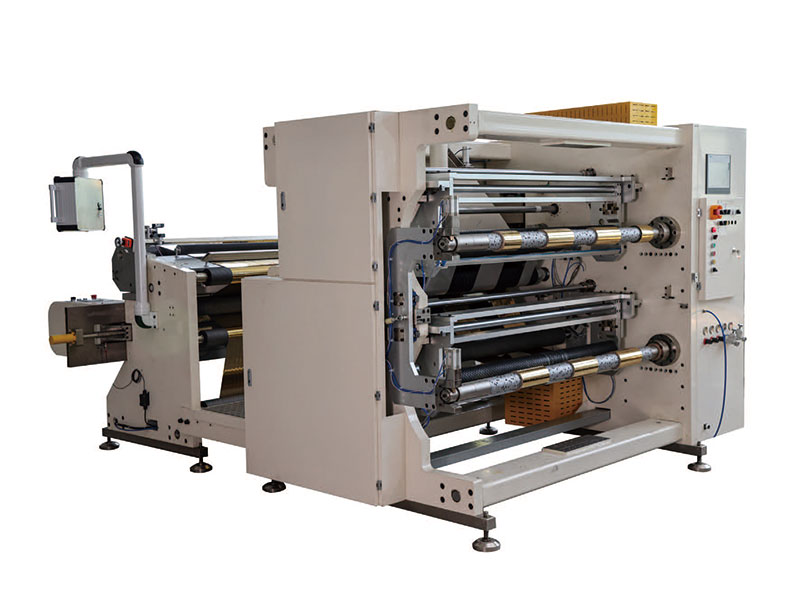 1400mm Hot Stamping Foil Slitting Machine
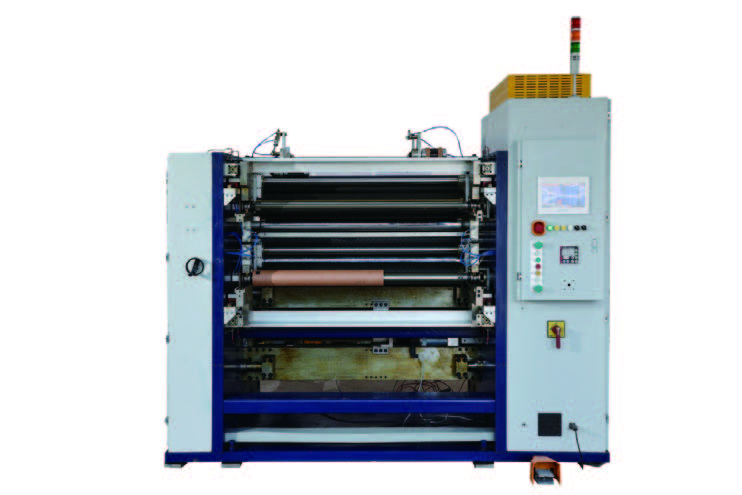 New Energy Ultra-thin Film Slitting Machine For Capacitive Film
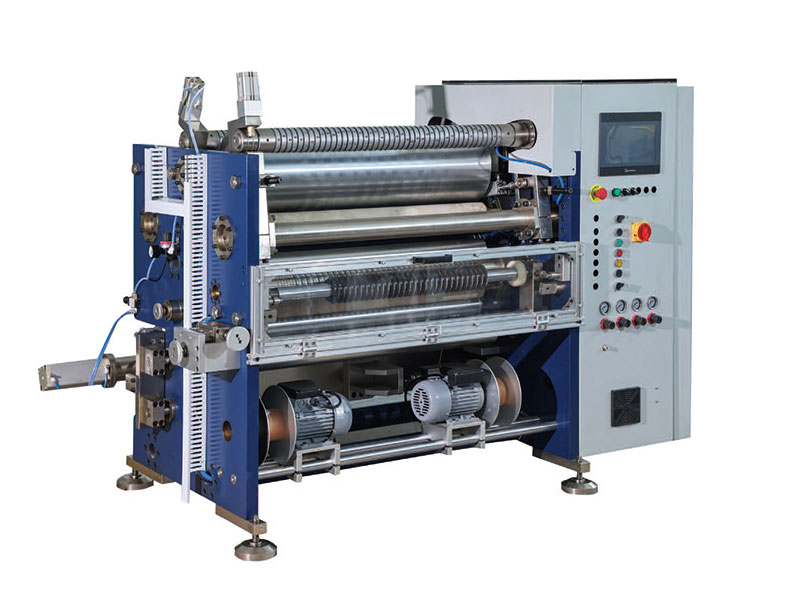 800mm Hot Stamping Foil Slitting Machine
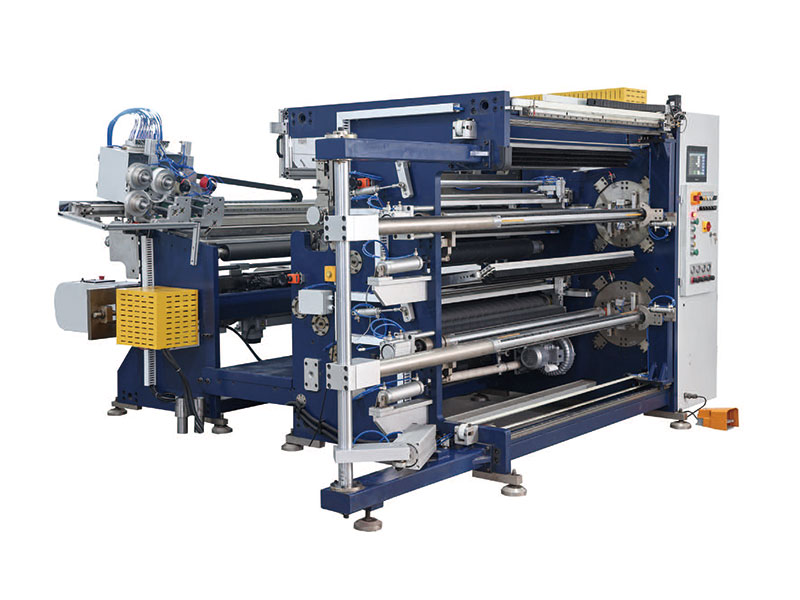 1350mm Hot Stamping Foil Slitting Machine