
In the hot stamping printing and packaging industry, hot stamping foil is a core consumable, and its cutting quality directly affects the subsequent stamping results. Traditional slitting equipment has long been designed based on PET (polyethylene terephthalate) film—PET, with its excellent tensile strength, temperature resistance, and dimensional stability, has become the gold standard for hot stamping foil carriers. However, with the advancement of global sustainability strategies and increasingly stringent environmental regulations, bio-based films (such as PLA polylactic acid, PHA polyhydroxyalk acid esters, cellulose-based films) are accelerating their entry into the hot stamping materials market. This shift presents entirely new challenges for slitting equipment and has also spurred technological innovations that expand the range of hot stamping foil slitting machine materials.
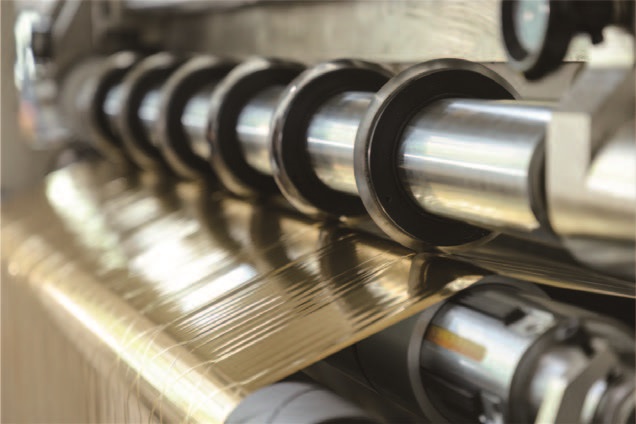
1. Key Differences Between PET and Bio-Based Films
| Characteristics | PET film | Bio-based films (typically such as PLA) |
| Tensile modulus | ~2000–3000MPa | |
| Elongation at break | 50–150% | 3–10% |
| Thermal distortion temperature | ~80°C | ~55°C (Softens easily) |
| Surface wetting tension | 40–42mN/m | 32–38mN/m |
| Static tendency | Average | Relatively high |
| Degradability | Non-degradable | Compostable/biodegradable |
Bio-based films are generally more brittle, softer, have lower heat resistance, and are prone to static electricity and moisture absorption deformation. If traditional slitting machines designed specifically for PET are used directly, issues such as edge burrs, film surface scratches, tension fluctuations leading to stretching or even fracture are likely to occur.
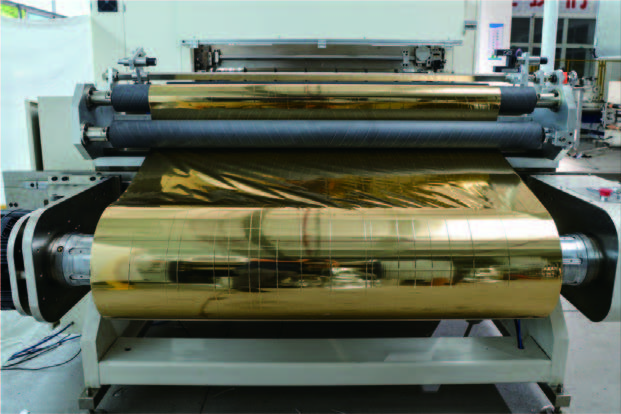
2. Technical Path for Expanding the Adaptability Range of Slitting Machines
To ensure compatibility with PET and bio-based films, and even enable rapid switching, modern hot stamping foil slitting machines have systematically optimized in the following five areas:
1. Precision tension control system
◦ Closed-loop servo tension control is used, with low-inertia dance rollers and tension sensors providing real-time feedback to keep the film consistently low tension during high-speed slitting (for example, from 150 N/m for PET to 50–80 N/m for bio-based films).
◦ Introduction of segmented tension settings: independent control of unwinding, traction, and rewinding to prevent necking or cracking of bio-based films due to local overstretching.
2. Upgraded tooling system flexibility
◦ Circular blade slitting replaces traditional compression cutting blades: Circular blade shearing results in lower shear stress, suitable for brittle bio-based films, and reduces edge cracking.
◦ Tool materials use ultra-hard coatings (such as diamond-like DLC) to reduce the friction coefficient and prevent thermal melting or pilling caused by excessive friction in bio-based films.
◦ Automatic Blade Gap Adjustment: Fine-tunes the overlap between upper and lower blades and lateral pressure according to film thickness and hardness, achieving "zero pressure loss" slitting.
3. Low-friction guide roller and anti-static solution
◦ The entire passage uses ceramic or carbon fiber guide rollers, with a surface roughness of Ra≤0.05μm to prevent scratches on the surface of bio-based films.
◦ Active static elimination: High-frequency ion air rod + contact static brush dual approach eliminates adsorption and overlapping cutting issues caused by high static electricity in bio-based films.
4. Adaptive temperature and humidity regulation
◦ To address the moisture absorption and expansion characteristics of bio-based films, the slitting machine can be optionally equipped with a local temperature and humidity control cover (relative humidity controlled at 45±5%, temperature 20–25°C) to reduce dimensional changes during slitting.
◦ Local cooling in the cutting area (cold air knife or microdroplet cooling) prevents high-speed slitting and temperature rise that could soften and stick to bio-based films.
5. Intelligent formulas and self-learning algorithms
◦ The equipment has a built-in material database that stores the optimal combination of tension-velocity-tool parameters for PET and various bio-based films.
◦ AI self-learning: When switching materials, operators only need to scan the material QR code, and the system automatically retrieves and fine-tunes parameters, achieving stable and adaptive slitting within 50 meters.
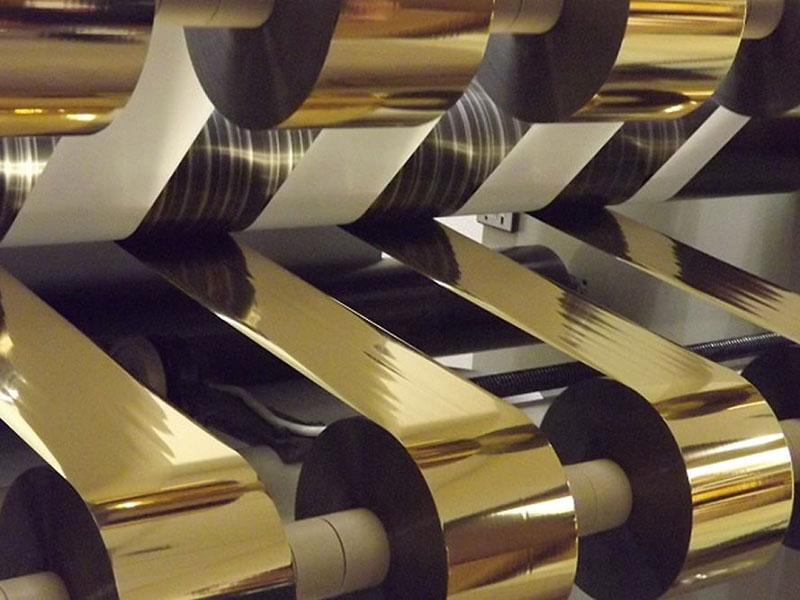
3. Typical Application Cases and Effects
After a certain European foil foil manufacturer shifted from an all-PET production line to adding 30% PLA-based foil foil, the scrap rate of the original slitting machine soared from 2% to 14%. After introducing a new wide-adaptive slitting machine (equipped with the above technology), the results are as follows:
• Slitting speed: maintains the original 250 m/min, but only reduces the speed by 15% for high-brittle PLA foil.
• Scrap rate:P LA base foil scrap rate dropped to 3.2%, significantly narrowing the gap with PET foil (1.8%).
• Switching time:P ET↔ bio-based thin film switching time has been reduced from 45 minutes to 8 minutes.
• Hot stamping test: After cutting, the edge clarity of bio-based hot stamping foil during cardboard stamping achieved a 99.3% compliance rate, with no statistically significant difference compared to traditional PET carriers.
IV. Future Outlook: From "Broadening" to "Universality"
With the emergence of second-generation bio-based films (such as modified PLA and PEF polyfuranene glycol ester) and bio-based fossil-based blended films, slitting machines will further evolve toward general intelligence:
• Digital Twin of Materials: Real-time identification of film types and process adjustments through online infrared spectroscopy and micro-tensile testing.
• Zero waste slitting: For compostable bio-based films, cut offcuts are directly connected to degradation and reuse units, achieving closed-loop green production.
• Modular Turret: Quickly replace laser-assisted slitting or ultrasonic slitting modules, fundamentally eliminating mechanical shear stress and turning the slitting machine into a truly "material-free" flexible platform.
Conclusion
From PET to bio-based films, hot stamping foil slitting machines are undergoing a deep technological iteration driven by a material revolution. This is not just a simple adjustment of tools and tension, but an innovative fusion of mechanical design, control algorithms, materials science, and environmental protection concepts. When slitting machines are no longer defined by "a single type of material" but instead build adaptive systems centered on physical attributes, the entire hot stamping packaging industry will smoothly move toward a sustainable future.
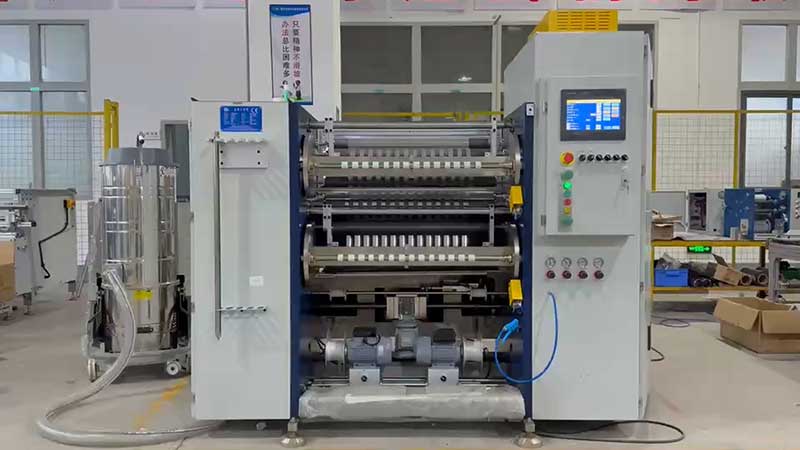 Common Problems with Hot Stamping Foil Slitting Machines and How to Solve Them
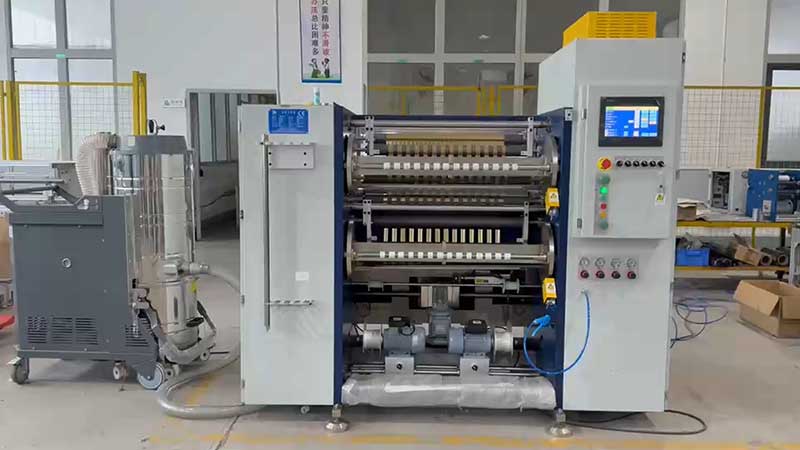 What Specifications Should You Look for in a Hot Stamping Foil Slitting Machine?
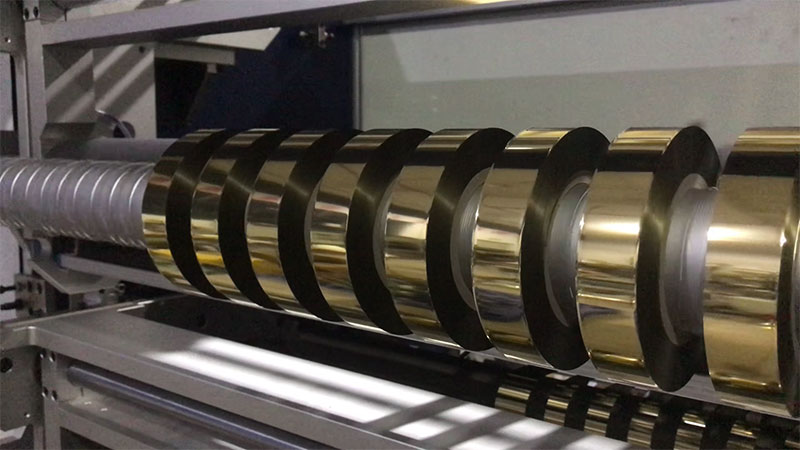 Hot Stamping Foil Slitting Machine Selection Guide: Tension Control Is Key
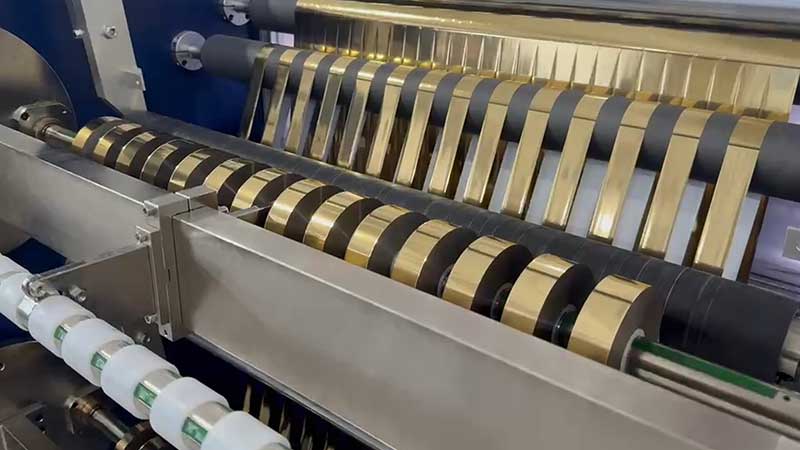 How to choose a hot stamping foil slitting machine? Let's first look at these three parameters
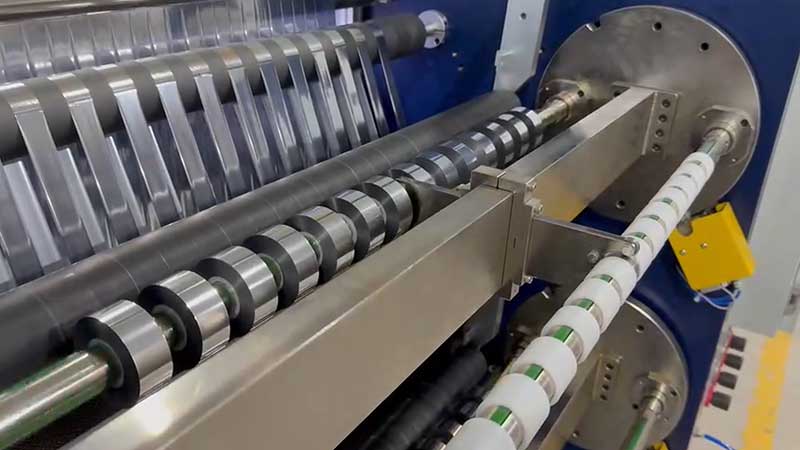 Selection of hot stamping foil slitting machines: how to match width and speed


 English
 Deutsch
 Français
 Español
 Português
 日本語
日本語 русский
 한국어
한국어 عربي
عربي ภาษาไทย
 Tiếng Việt
 Italiano
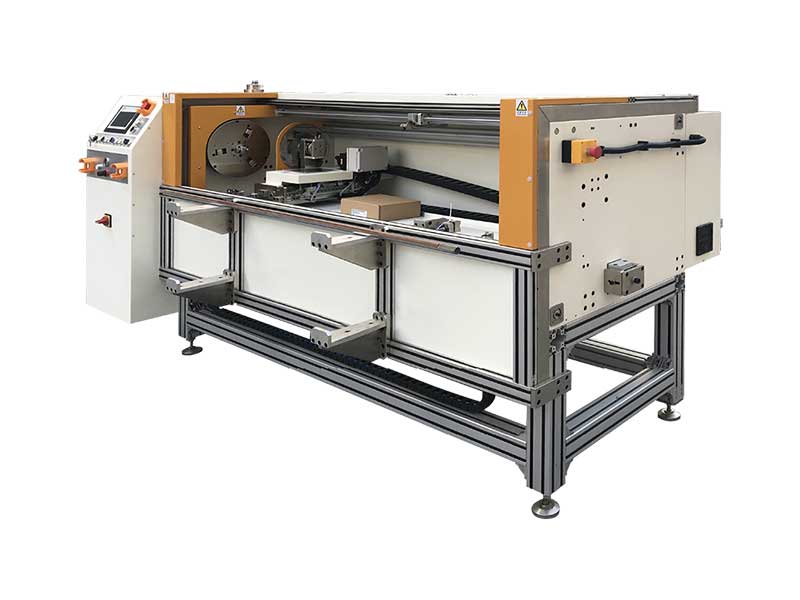 Automatic Foil Roll Cutting Machine
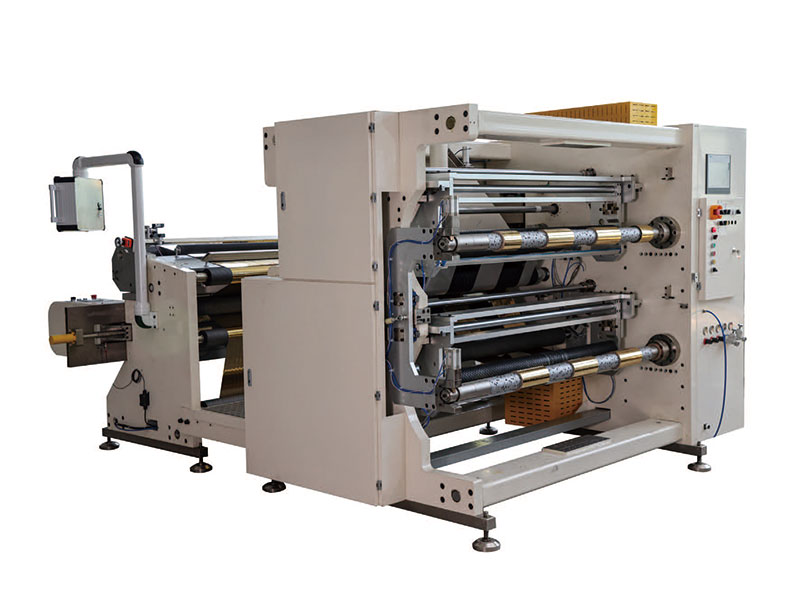 1400mm Hot Stamping Foil Slitting Machine
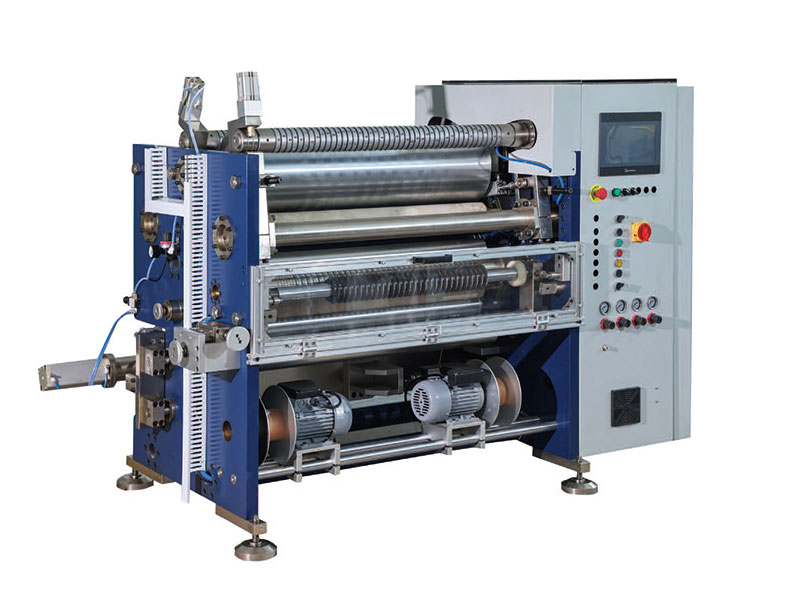 800mm Hot Stamping Foil Slitting Machine
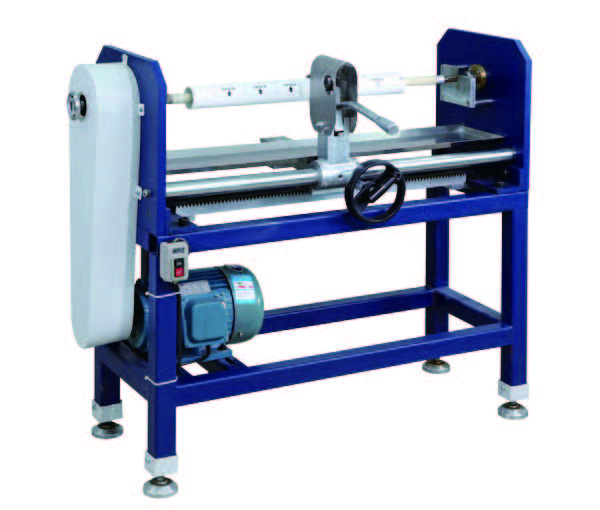 Manual Foil Roll Cutting Machine