
In the slitting process of ribbon (heat transfer ribbon), the slitting machine is the core equipment. Its operational stability is directly related to slitting accuracy, product yield and production efficiency. However, after long-term and high-load operation, equipment often produces various abnormal sounds, which are usually a precursor to mechanical failure. Bearings, gears and transmission belts are the three main sources of abnormal noise. Accurately identifying and quickly eliminating these anomalies is key to ensuring production continuity.
1. Bearing noise: high-frequency, continuous metal friction or howling
Bearings are the core support of rotating parts of the slitting machine, such as unwinding shafts, take-up shafts, guide rollers, and groove rollers. Its abnormal noise characteristics are mostly high frequency, continuous, and change with rotational speed, which may be accompanied by vibration.
Typical abnormal noise types and causes:
1. Crisp "click" or "click" sound (cage damage): The bearing cage is worn, broken, or the rolling element is damaged, causing the rolling element to collide with the non-stressed surface. It is commonly used for long periods of overspeed or shock loads.
2. High-pitched "hiss" or "whistling" sound (poor lubrication): The grease dries up, deteriorates, or excesses, causing dry or sticky-slip friction between the rolling element and the raceway. Commonly found in high-temperature environments or equipment that has not been maintained for a long time.
3. Dull "rumble" or "rattle" (raceway or rolling element fatigue peeling): Pockmarks, peeling, indentation appear on the surface of the bearing raceway or rolling element. It is mostly caused by overload, improper assembly or the end of its natural life.
4. Irregular "rustling" sound (impurity intrusion): dust and ribbon debris enter the bearing, grinding to produce sound. Paper powder and toner in the carbon belt slitting environment are very easy to pollute open bearings.
Troubleshooting and Handling:
• Sensory examination: After stopping, use a stethoscope or long-handled screwdriver to press against the bearing seat to determine the source of abnormal noise. Jog or run at low speed to see if the sound is synchronized with the rotational speed.
• Temperature detection: Touching the housing with the back of your hand, noticeably hot (>70°C) usually indicates lubrication or damage issues.
• Disassembly verification: Remove the suspicious bearing, check the condition of the raceway, rolling element, and cage after cleaning. If any peeling, cracks, or gaps are found, they must be replaced.
• Improvement measures: choose bearings with high sealing grade (e.g. 2RS); Develop a regular fat regimen (e.g. every 3 months); avoid the shaft from bearing eccentric loads; Use special tools for installation, and knocking is strictly prohibited.
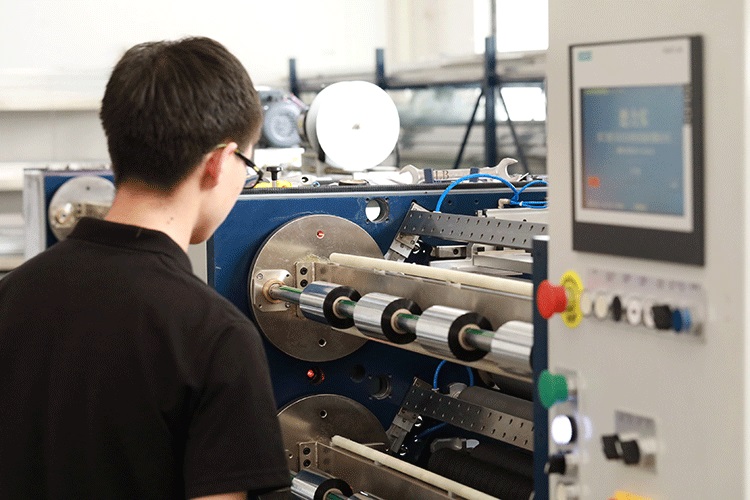
2. Abnormal gear noise: periodic and rhythmic knocking or grinding sound
Gear drive is widely used for tension control, winding synchronization and tool holder feeding of slitting machines. Its abnormal noise is usually distinctly periodic, consistent with the frequency of tooth meshing, and the sound is sharp or heavy.
Typical abnormal noise types and causes:
1. Strong "click, click" or "click" impact sound (excessive tooth side clearance): caused by gear wear, loose bearings, increased center distance, or loose keyways. This is especially noticeable when starting, stopping or reversing.
2. Continuous and uniform "chirping" or screaming friction sound (tooth surface wear or pitting): severe wear of the tooth profile, pitting or gluing on the surface, resulting in meshing impact and friction. It is often caused by poor lubrication, overload, or hard particles.
3. Periodic low "woo-dong" sound (eccentricity or pitch error): The geometric eccentricity of the gear or the accumulation error of tooth pitch, resulting in a sound that changes the frequency with each revolution. Common in poor build quality or shaft bending.
4. Irregular "crunch" or metal scraping sound (foreign object stuck between teeth): Metal chips, ribbon fragments, or fasteners falling off into the gear pairs.
Troubleshooting and Handling:
• Observation method: Open the gearbox viewing window (if any) and check the lubrication and wear marks on the tooth surface. After stopping the machine, turn the gear to feel whether the meshing clearance is uniform.
• Measurement method: Use a feeler gauge or dial indicator to measure tooth side clearance and gear radial runout. According to the equipment manual, the clearance exceeds 0.2mm (depending on the module) and needs to be adjusted.
• Auscultation positioning: Use the stethoscope to move along different positions of the gearbox, and the source of the fault is the place where the abnormal noise is the lowest. Compare the sound change during forward and reverse rotation, and distinguish the wear on one side of the tooth surface.
• Repair measures: for minor wear, the lubricating oil can be replaced and anti-wear agents can be added; Severe pitting or tooth breakage requires gear replacement. Also check the shafts, bearings and keyways, readjust the center distance or fasten the base.
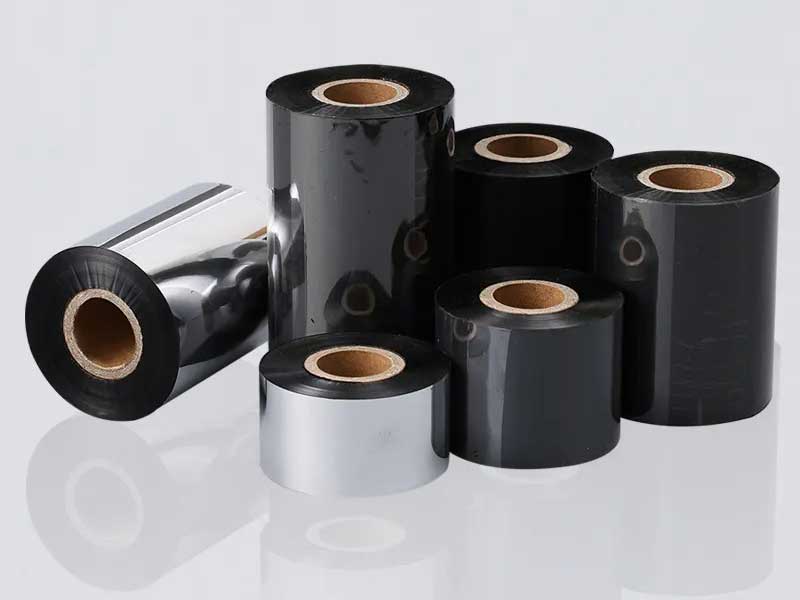
3. Abnormal noise of the transmission belt: low-frequency, rhythmic "squeak" or "wow" sound
Belt drive is mostly used for flexible variable speed transmission from the main motor to the cutter shaft or rewinding shaft. The abnormal noise is relatively easy to recognize and is mostly related to tension, wear or slippage.
Typical abnormal noise types and causes:
1. High-pitched and short "squeak" (slipping): insufficient belt tension, sudden increase in load, or belt oil, ribbon wax. It is common at the moment of start-up or when slitting thick ribbons at high speed.
2. Continuous "hissing" or "whining" (worn or hardened back of the belt): excessive belt wear, cracks on the back, or friction with the tensioner wheel. It can also be caused by a mismatched belt model or worn wheel grooves.
3. "Pop, pop" slapping sound (belt is too loose or the length is inconsistent): V-ribbed belt or timing belt is loose, and the belt body shakes and hits the protective cover or other parts during operation.
4. Regular "gurgling" or "crunching" (belt tension pulsation or pulley eccentricity): Unbalanced pulley installation, loose taper bush, or uneven belt joints (like toothed belts).
Troubleshooting and Handling:
• Visual tension check: Press the midpoint of the belt span with your fingers, and there should be a reasonable deflection (usually 1-2mm down every 100mm from the center distance). Observe whether the belt shakes and crawls teeth during operation.
• Belt condition assessment: Check whether the belt contact surface is smooth and shiny (slippage marks), cracks, missing teeth or delamination. Clean the toner and oil sludge in the wheel groove.
• Wheel alignment and balance: check pulley parallelism using a ruler or laser aligner; Measure the radial runout of the pulley.
• Adjustment plan: first tighten the belt properly (check spring with automatic tensioning wheel), clean the belt and wheel grooves. If the belt is aged, toothed or severely worn, it should be replaced in groups. When replacing the timing belt, it is necessary to ensure that it is of the same model and length, and check whether the pulley keyway and taper bush are tight.
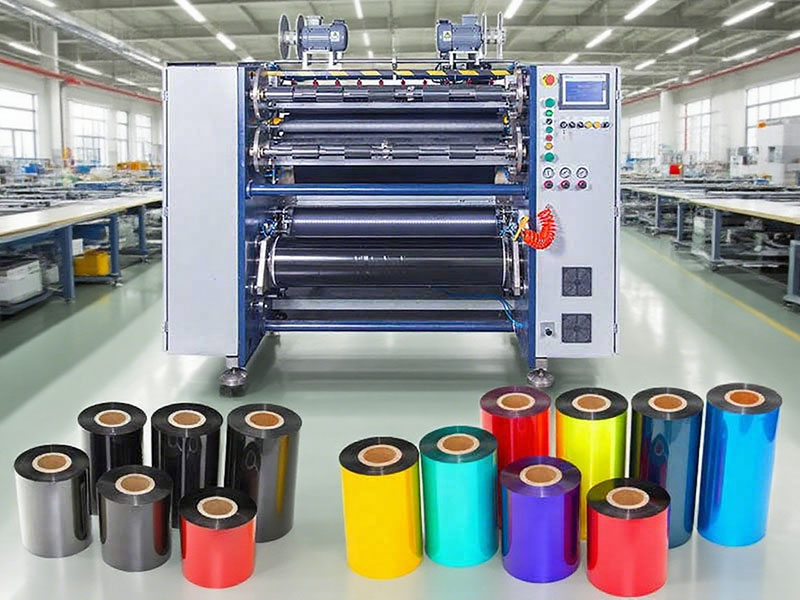
4. Comprehensive investigation process suggestions
When the ribbon slitting machine has abnormal noise, it is recommended to follow the following steps to systematically troubleshoot:
1. Safe shutdown: Stop the equipment immediately, cut off the power supply, and lock the tag.
2. Preliminary qualitative: rely on position, tone, cycle and load changes to preliminarily determine whether the abnormal noise belongs to the bearing, gear or belt, and record the working conditions (speed, tension, slitting length).
3. Isolation test: Disconnect the main drive or drive each axis separately to gradually narrow the range. For example, remove the belt and manually rotate the motor shaft and cutter shaft to determine whether the noise is coming from the motor side or the load side.
4. Disassembly Inspection: For the most suspicious parts, disassemble them to the visible core fault interface. Confirm the form of injury with the help of magnifying glasses, endoscopes and other tools.
5. Root cause management: Not only to replace damaged parts, but also to investigate the triggering causes, such as overload, lubrication, alignment, balancing, foundation looseness or carbon belt dust accumulation.
6. Test operation verification: After repair, idle at low speed for half an hour, and then gradually load to the production speed after there is no abnormal noise. Vibration and temperature baselines are recorded at the same time as a basis for subsequent spot inspections.
5. Key points of preventive maintenance
• Make a checklist: listen to the sound, touch the temperature, and look at the belt every day; Check the bearing grease every week; Monthly testing of tooth side clearance and belt tension.
• Enhanced cleaning: Regularly clean the inside of the slitting machine, especially near the bearings, toner and paper scraps. You can use a vacuum cleaner or a special blow gun.
• Spare parts management: stock common bearings (6204, 6205, etc.), gears (common modulus), V-ribbed belts and timing belts to ensure replacement of the same model and brand.
• Operating specifications: avoid overspeeding and overload slitting; Sudden reverse or emergency braking is prohibited (except in emergencies); Train operators to recognize early noises.
• Condition monitoring: Predictive maintenance can be achieved using a handheld vibration analyzer or online temperature sensor for critical stations (e.g., rewinding shafts, tooling rollers).
Summary
The abnormal noise of the ribbon slitting machine is the language of the equipment "for help". Bearing noise is mostly high-frequency, continuous metallic sound, which is rooted in wear, lubrication or pollution; Gear abnormal noise has a clear periodic meshing impact, which is often related to side backlash and tooth surface damage. Belt noises are mostly low-frequency slipping or slapping sounds, caused by tension, aging or staining. Through the system of listening, touching, seeing, and measuring, coupled with scientific preventive maintenance, unplanned downtime can be significantly reduced, and the slitting accuracy and equipment life can be guaranteed. Remember: ignoring small noises can lead to major failures. For precision slitting, every abnormal vibration should not be tolerated.
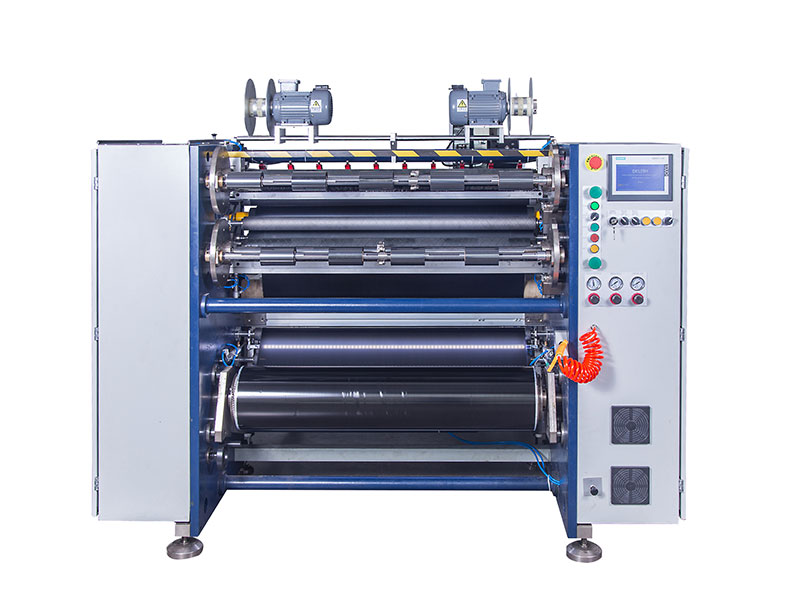 Can a barcode ribbon slitting machine cut and thermal transfer ribbons?
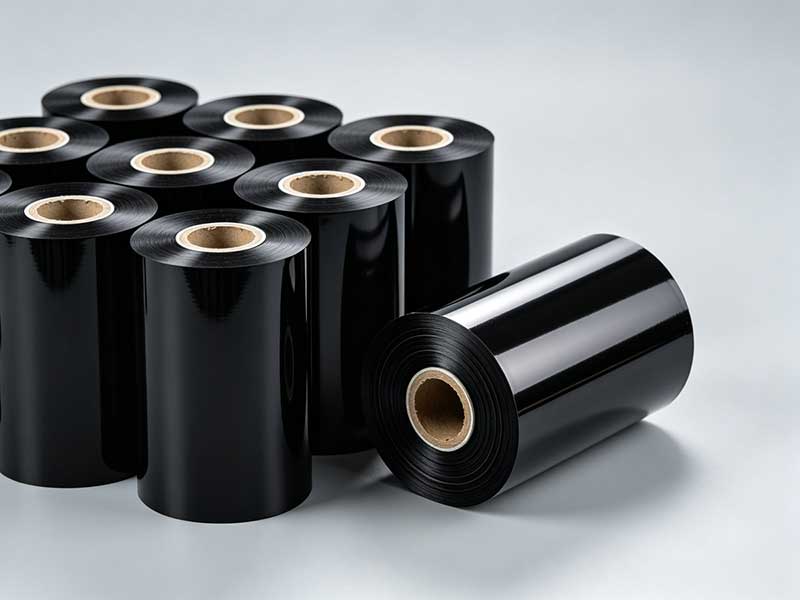 What ribbon materials are suitable for the barcode ribbon slitting machine?
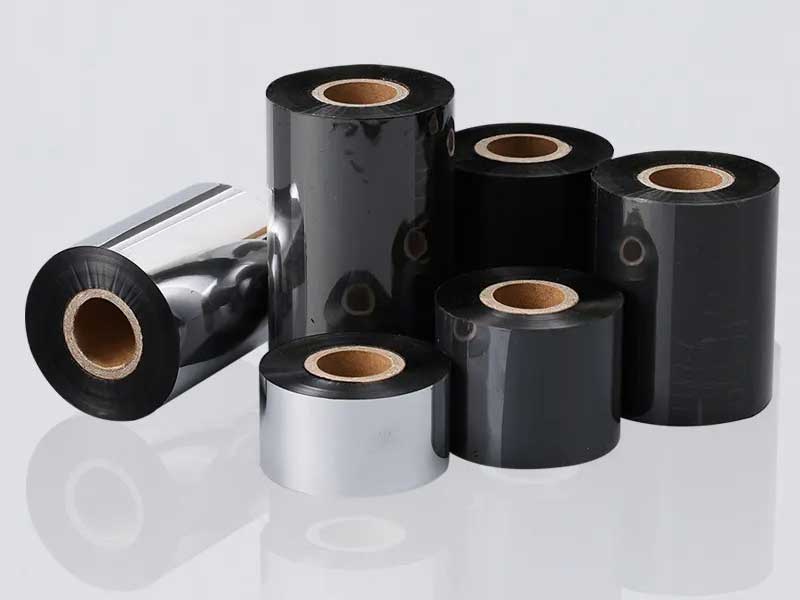 How to propose customized requirements for barcode ribbon slitting machines?How to choose a barcode ribbon slitting machine? Core Features and Key Selection Points
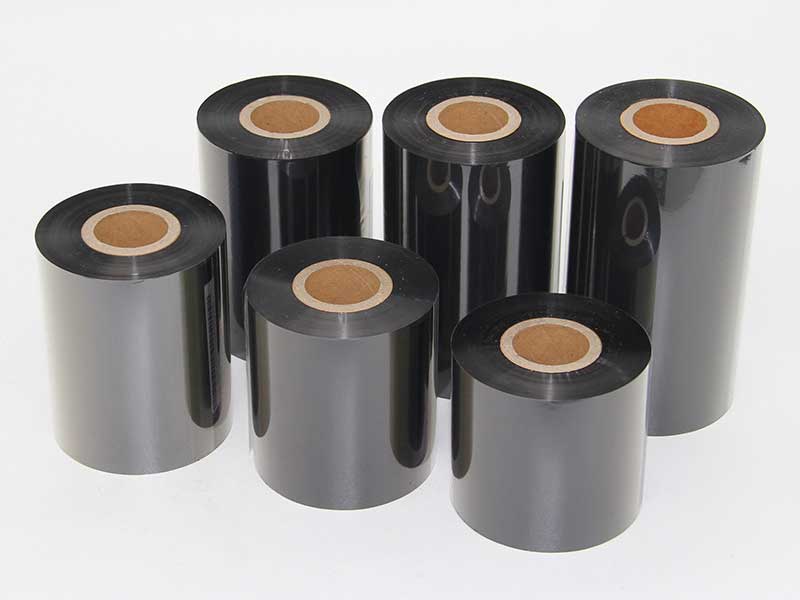 The ribbon slitting machine for the barcode printer is suitable for ribbon types


 English
 Deutsch
 Français
 Español
 Português
 日本語
日本語 русский
 한국어
한국어 عربي
عربي ภาษาไทย
 Tiếng Việt
 Italiano
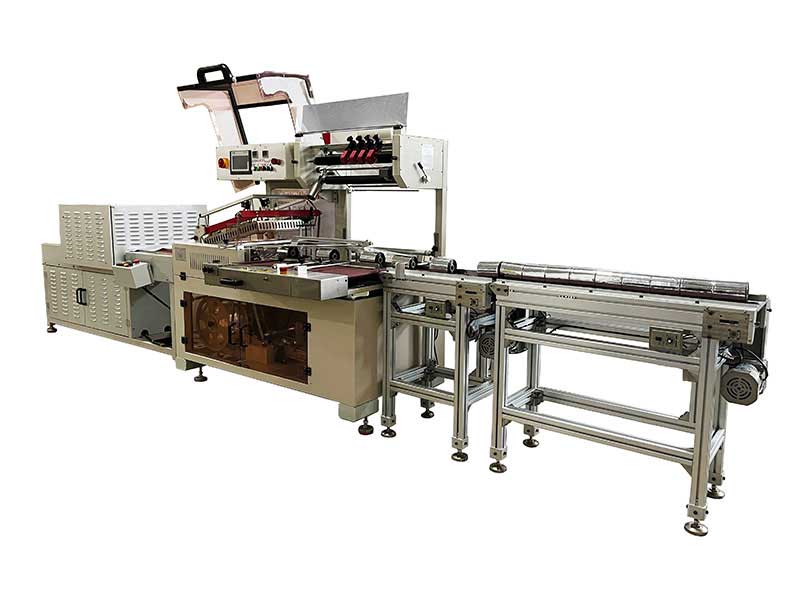 Thermal Transfer Ribbons Packaging Machine
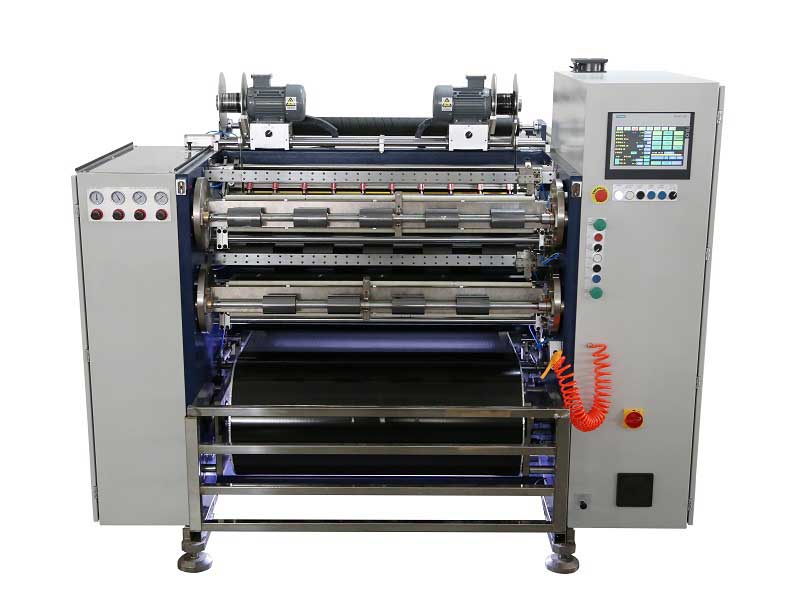 Automatic Thermal Transfer Ribbon Slitting Machine RSDS8 H PLUS
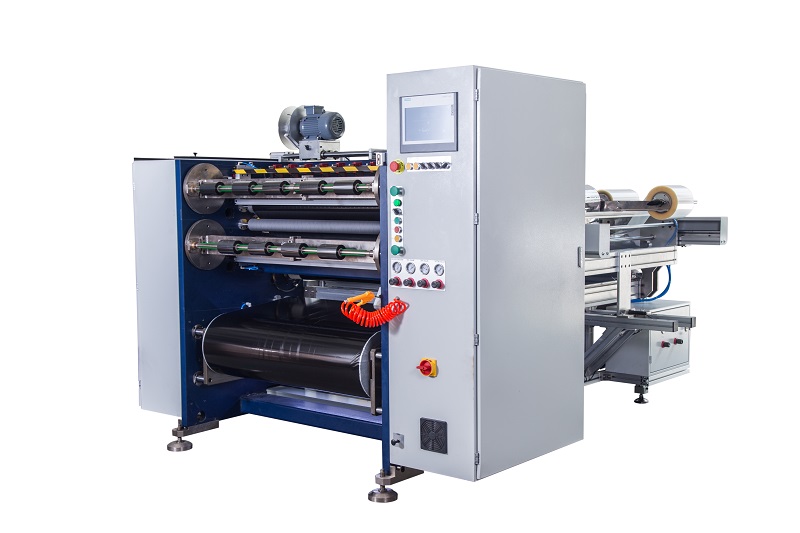 Semi Automatic Thermal Transfer Ribbon Slitting Machine RSDS5 PLUS
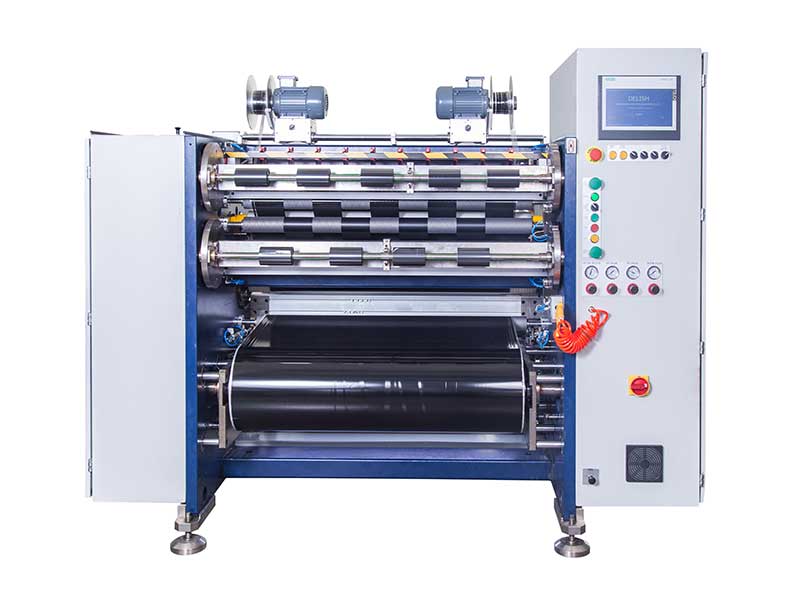 TTR Slitting Machine