
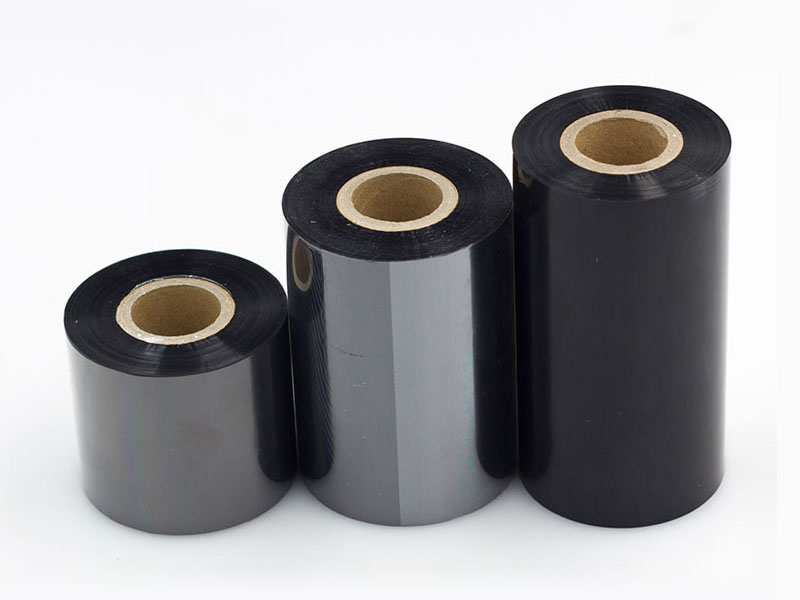
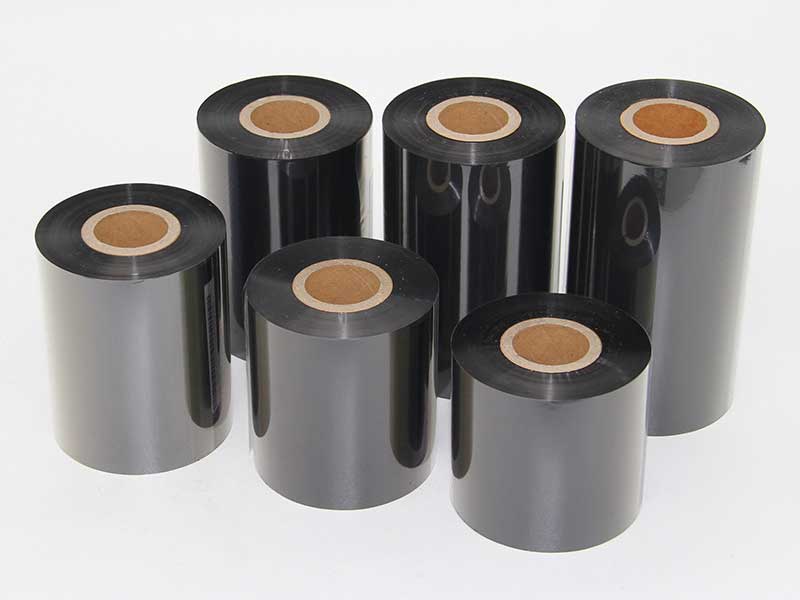
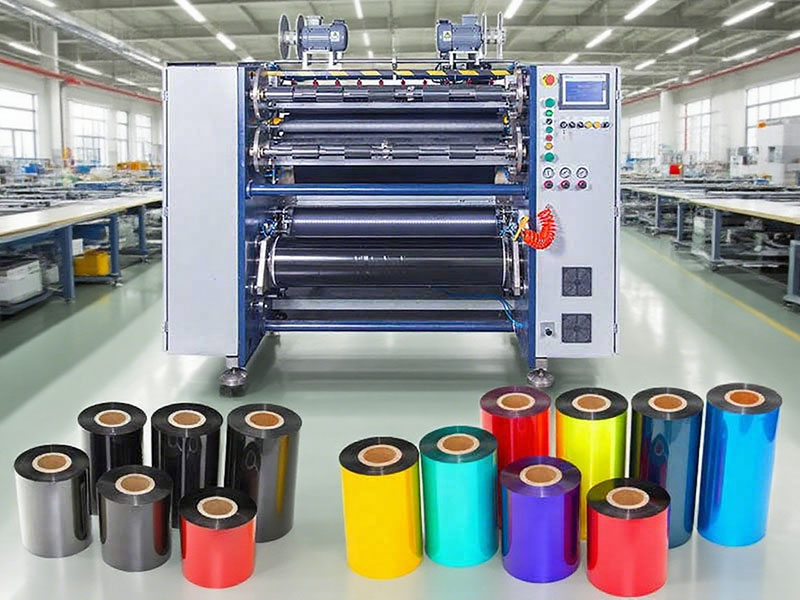
In the production process of heat transfer ribbons, slitting is a key step in slicing wide, large roll master rolls into small rolls of specific widths and lengths according to customer requirements. The operational stability of the slitting machine is directly related to delivery times, costs, and product quality. For a long time, our ribbon slitting machines frequently experienced unplanned downtime, resulting in low production efficiency and high defect rates. Through systematic analysis and targeted improvements, we ultimately achieved a fundamental shift from "frequent shutdowns" to "continuous production."
1. Problem diagnosis: root cause analysis of downtime
Before improvement, the slitting machine stopped 4-5 times per day on average, with each session taking 15-30 minutes. Through on-site tracking and data recording, three main types of shutdown reasons were summarized:
1. Ribbon breakage (about 60%)
◦ Slitting tension fluctuates excessively, especially tension control imbalance during high-speed operation.
◦ Blade wear or improper tool gap settings can cause edge burrs and adhesion, which can tear the ribbon.
◦ Uneven thickness of the substrate or weak joints.
2. Poor winding/unwinding (about 25%)
◦ Uneven winding end faces cause edges to lift and collide with equipment covers, triggering shutdown.
◦ Severe vibration of the reel reel causes ribbon to deviate.
◦ Loose core clamping device causes core slippage.
3. False alarms from electrical and sensors (about 15%)
◦ Static interference causes frequent false triggers of the broken band detection sensor.
◦ Unstable encoder signals cause abnormal length counting and emergency stops.
2. Improvement plan: Phased implementation
1. Tension control system upgrade
• Changed the original open-loop torque motor control to a closed-loop vector frequency converter + floating roll tension feedback, enabling real-time PID adjustment.
• For ribbons of different widths and thicknesses, 20 sets of tension process parameters are pre-stored and accessed with one click.
• Added acceleration/deceleration S-curve control to avoid tension spikes during startup and stopping.
2. Slitting tool optimization
• Upgraded from ordinary round inserts to high-hardness tungsten carbide inserts, extending lifespan by three times.
• Establish standard blade gap adjustment specifications: blade overlap 0.1-0.3mm, side clearance can be finely adjusted, and must be inspected before each shift starts.
• Introduced an automatic tool sharpening device for online grinding of the blade edge, ensuring cutting consistency.
3. Path Paths and Correction and Improvement
• Added a pair of active rubber rollers to tighten the ribbon before and after slitting, reducing runout.
• Replaced the ultrasonic correction sensor with a high-precision infrared digital sensor, improving response speed by 50%.
• Equipped with an electrostatic elimination rod (AC ionization type) to effectively reduce the interference of static electricity on the sensor and ribbon.
4. Anti-interference transformation of electrical systems
• All signal wires are replaced with twisted pair shielded wires and are individually grounded.
• Input/output filters are installed on the frequency converter.
• Add signal dejitter filtering logic (50ms delay confirmation) to the PLC program to avoid false alarms and shutdowns caused by instantaneous interference.
5. Establish a preventive maintenance system
• Formulate the "Daily Inspection Table of Slitting Machine": cutting edge, tension roller cleaning, electrostatic rod status, air source pressure, etc.
• Replace the urethane rubber ring of the winding roller every 200 hours of operation to prevent slippage.
• Establish a minimum inventory of spare parts to avoid long downtime waiting for parts.
3. Effect verification
After the improvement is implemented, the data is continuously tracked for three months:
| Indicators | Before improvement | After improvement | Rate of change |
| Average number of unplanned downtime/day | 4.6 times | 0.3 times | -93.5% |
| Mean time to failure | 22 minutes/time | 5 minutes/time | -77.3% |
| Slitting yield | 93.2% | 98.7% | +5.5% |
| Single shift output (10,000 meters) | 6.5 | 9.8 | +50.8% |
Key results: The longest continuous operation of 72 hours without downtime has been achieved, completely bidding farewell to the situation of "cutting a piece and stopping", and the monthly production capacity has increased by nearly 50%.
4. Continuous improvement direction
While continuous production has been achieved, next steps include:
• Introduced real-time condition monitoring system (vibration, temperature, current) of slitting machine to predict tool life and bearing health.
• Explore fully automatic rewinding and unloading, reducing manual assistance time.
• Establish a digital signage to show OEE and downtime cause analysis.
Epilogue
The key to the transformation of the thermal transfer ribbon slitting machine from a "bottleneck process" with frequent downtime to a stable and reliable "flow cytometry production node" lies in systematically analyzing the true causes of downtime and combining mechanical, electrical, process and management methods to comprehensively manage it. This process proves that even old equipment, with the right methods, can still be reborn and achieve continuous, efficient and high-quality production.
If you need to further elaborate on a specific improvement detail (such as tension calculation, blade selection, PLC program logic), I can provide you with specific details.
 Causes of uneven end faces in ribbon slitting machinesHow to solve wrinkled winding in ribbon slitting machinesRibbon slitting machine selection: wax-based, mixed-based, or resin-basedWhich ribbon slitting machine is the best? Start by asking these seven questionsThermal Transfer Ribbon Slitting Machine Buyer‘s Guide: Width, Speed, and Tension Explained


 English
 Deutsch
 Français
 Español
 Português
 日本語
日本語 русский
 한국어
한국어 عربي
عربي ภาษาไทย
 Tiếng Việt
 Italiano
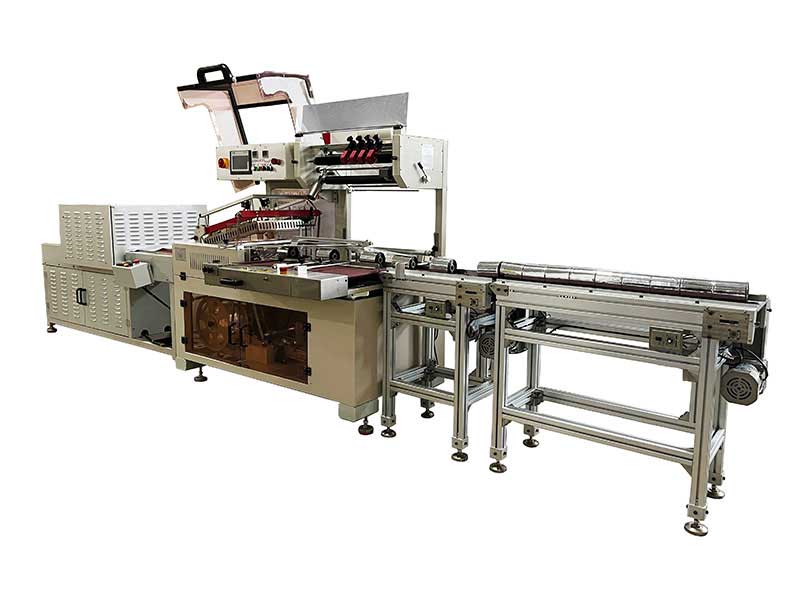 Thermal Transfer Ribbons Packaging Machine
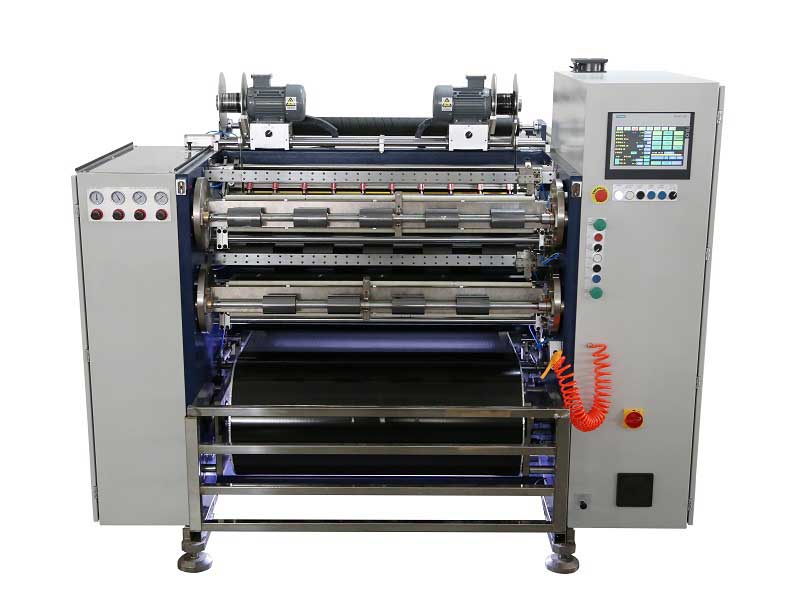 Automatic Thermal Transfer Ribbon Slitting Machine RSDS8 H PLUS
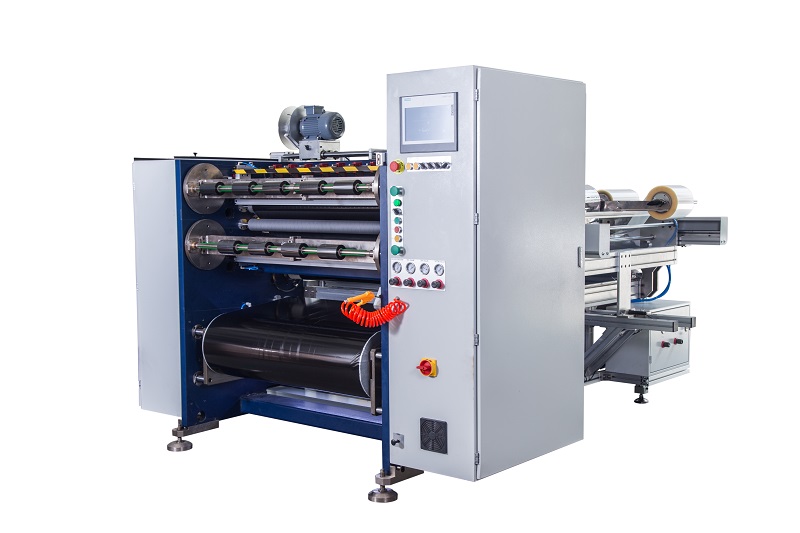 Semi Automatic Thermal Transfer Ribbon Slitting Machine RSDS5 PLUS
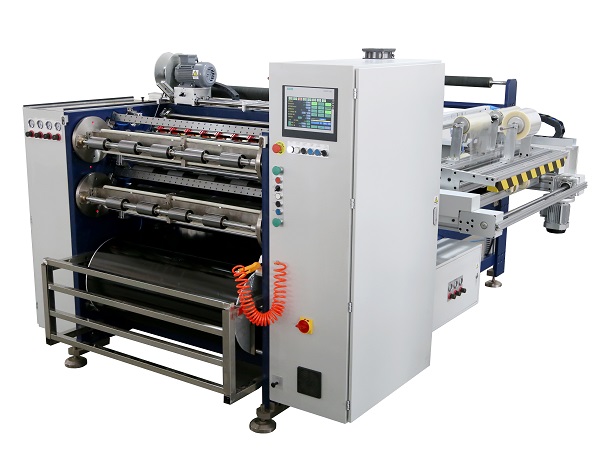 Automatic Thermal Transfer Ribbon Slitting Machine RSDS8 PLUS