
Film slitting machines play a key role in industries such as packaging, printing, and electronic materials, and their operational stability directly affects product quality and production efficiency. However, in actual production, slitting machines often have faults such as cutting burrs, uneven winding, and film breakage. This article will start with common fault phenomena, systematically analyze the causes, and provide troubleshooting and solution ideas.
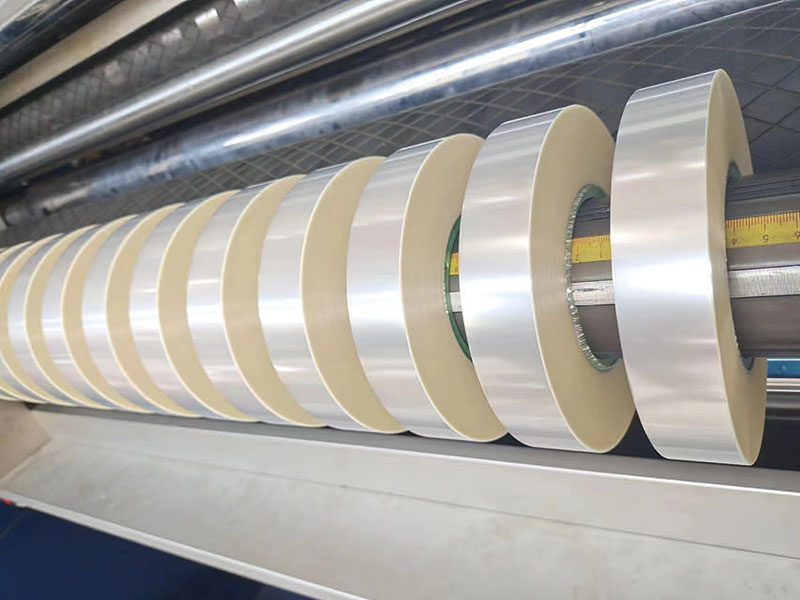
1. Cutting edge burrs
Phenomenon: After slitting, the edge of the film has fine burrs, white edges or unevenness, and in severe cases, the edges are jagged.
Possible causes:
1. Worn or chipped round blades
2. Improper clearance between the upper and lower knives (or slots).
3. The knife shaft runs out or axial travel
4. Film tension fluctuations cause the cutting line to shift
Troubleshooting and Resolution:
• Check the blade: Observe the knife edge under a magnifying glass, and use oil stone for minor wear and tear, and replace the blade if it is severely chipped.
• Adjust the knife gap: Generally, the overlap of the upper and lower blades is controlled at 0.5-1.5mm, and the side clearance is 5%-10% of the thickness of the film. Check point by point with a feeler gauge or special gauge.
• Check the knife shaft: Use a dial indicator to detect the radial runout of the knife shaft (it should be ≤ 0.02mm) and check whether the bearing is worn.
• Stabilize tension: Observe if the tension display value fluctuates and check the response of the tension sensor, brakes or clutch.
2. The end face of the winding is uneven
Phenomenon: After winding, the end face of the film roll is tower-shaped, honeycomb-shaped or individually protruding.
Possible causes:
1. Uneven winding tension or improper pressure of the roller
2. The guide rollers are not parallel or there are foreign objects on the surface
3. The winding shaft is bent or the jacking force is insufficient
4. Film transverse thickness deviation accumulation
Troubleshooting and Resolution:
• Tension Curve Analysis: See if the taper tension setting is suitable for the material (usually decreasing tension is required for large coils).
• Roller parallelism: Check the parallelism of all guide rollers with a level or laser centering instrument, adjust to within ±0.1mm/1000mm.
• Rewinding shaft: check whether the shaft is deformed, whether the top cone is aligned, and replace or correct if necessary.
• Material testing: If the thickness tolerance of the film itself is too large, it is necessary to communicate with the previous process or adjust the slitting process parameters.
3. Longitudinal stripes
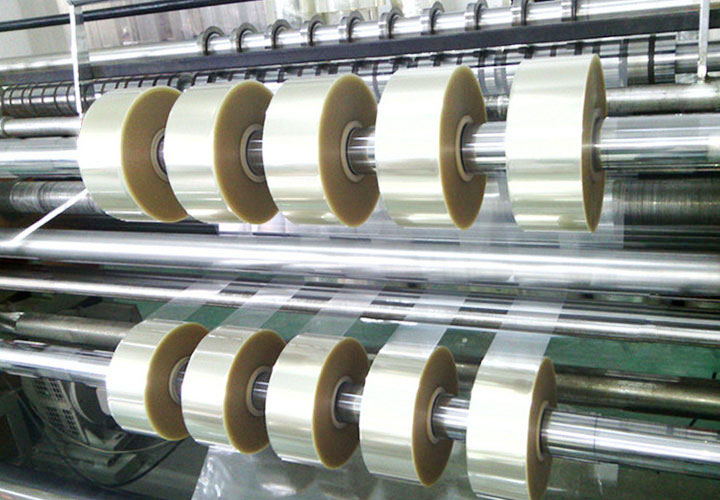
Phenomenon: There are obvious raised or sunken stripes on the surface of the film roll.
Possible causes:
1. The film is partially folded during the slitting process
2. The surface of the winding roller is uneven or the pressure is concentrated
3. Flattening rollers (such as arc rollers, threaded rollers) fail
4. The paper core tube is deformed or the joint is raised
Troubleshooting and Resolution:
• Flattening device: check whether the arc of the arc roller is appropriate, and whether the thread direction of the thread roller is symmetrical outward.
• Roller status: Use a ruler to check whether there are depressions or bulges on the surface of the roller, and measure whether the pressure at both ends of the roller is balanced.
• Core quality: Replace the qualified paper core, ensure that the inner diameter is tightly matched with the winding shaft, and the joints are pasted flat with tape.
• Speed reduction observation: reduce the slitting speed to observe whether the stripes disappear, if they disappear, it may be related to the interference of airflow at high speeds.
4. Broken membrane
Film breakage is one of the most serious failures in slitting, disrupting production and causing material waste.
1. Frequent film breakage (sudden breakage during operation)
Possible causes:
• Excessive tension or violent fluctuations
• The film itself has joints or tears
• Guide rollers jammed or scratched surfaces
• Static buildup leads to adsorption breakdown
Troubleshooting and Resolution:
• Real-time tension monitoring: Observe the tension curve at the moment of fracture, and if the peak exceeds the breaking strength of the material, you need to reduce the set tension or adjust the PID parameters.
• Inspection of the whole line guide roller: After stopping, use a manual to move each guide roller, which should rotate flexibly and without obvious resistance; Check the roller surface for adhesive or scratches.
• Static removal measures: install static elimination rods (ionic air or contact type), especially in dry winter environments.
• Material verification: Take samples at fractures to check whether there are raw material quality problems or small holes and creases left by the previous process.
2. Break the film when starting or decelerating
Possible causes:
• Acceleration and deceleration time settings are too short (inertia shock)
• The rewinding and unwinding rates do not match
• Delayed brake or motor response
Troubleshooting and Resolution:
• Extend the slope time: gradually adjust the acceleration/deceleration time from 5 seconds to 15-30 seconds and observe the effect.
• Synchronization Calibration: For servo-driven slitting machines, check the electronic gear ratio settings to ensure that the rewinding and unwinding line speeds are synchronized.
• Brake inspection: Test whether the magnetic powder brakes or pneumatic brakes are linear and if there is any jamming.
5. Comprehensive investigation ideas and prevention suggestions
When the fault is difficult to locate directly, it is recommended to follow the principle of "mechanical first electrical, static first and then dynamic":
1. Static inspection: check all blades, rollers, bearings, belts, air circuit pressure after shutdown.
2. No-load operation: Detach the film, run the machine, listen to abnormal noises, measure vibration, and see if the guide roller idles smoothly.
3. Test cut verification: use a short film to try cutting at low speed, and eliminate it section by section.
4. Parameter Record: Establish a table of slitting parameters (material, thickness, width, tension, speed, knife clearance) for easy comparative analysis.
Routine maintenance points:
• Define blade replacement intervals (e.g. every 8 hours or every 100,000 meters)
• Clean the roller surface regularly to avoid adhesive buildup
• Critical bearing temperatures are monitored and recorded
• Conduct emergency treatment training for operators
Epilogue
Troubleshooting of film slitting machines is a systematic work, and cutting burrs are often the most intuitive early signals, while film breakage is an extreme manifestation of multiple problems accumulated. By establishing a standardized spot inspection process, keeping fault logs, and cultivating the comprehensive judgment ability of maintenance personnel to "look (observe the cross-section), smell (burnt smell), ask (operation feedback), and cut (measure gap and tension)", most faults can be accurately located and solved within 20 minutes. Remember: preventive maintenance costs only one-fifth of the cost of repairs after the fact.
 Complete Guide to Selecting Film Slitting MachinesThe Game and Symbiosis of Speed and Precision in Film Slitting MachinesApplications of new energy film slitting machinesTechnical analysis of the automatic deviation correction system for film slitting machines
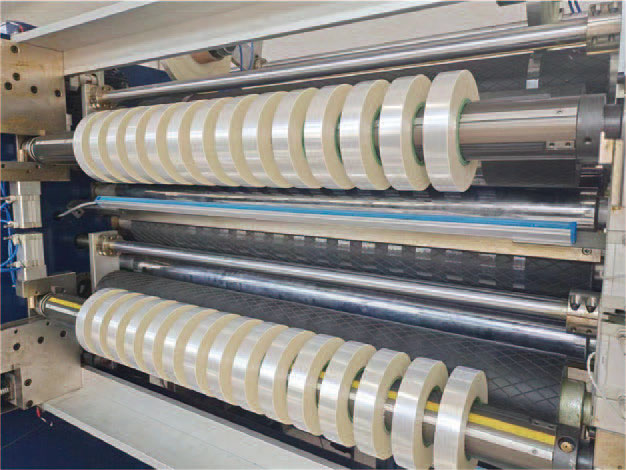 Tension Control Technology for Film Slitting Machines: From Principle to Implementation


 English
 Deutsch
 Français
 Español
 Português
 日本語
日本語 русский
 한국어
한국어 عربي
عربي ภาษาไทย
 Tiếng Việt
 Italiano
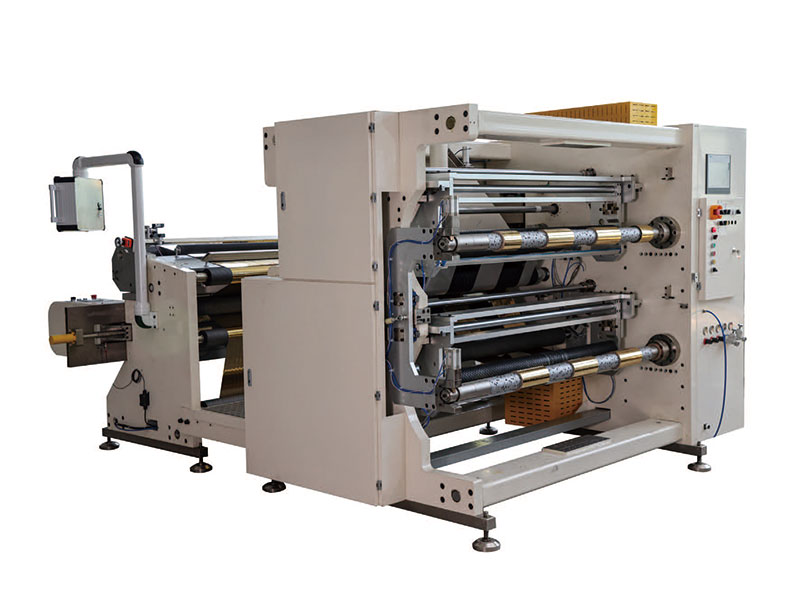 1400mm Hot Stamping Foil Slitting Machine
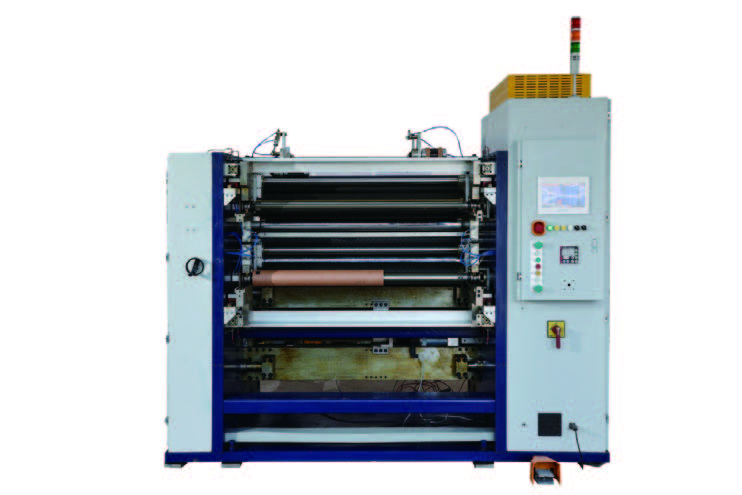 New Energy Ultra-thin Film Slitting Machine For Capacitive Film
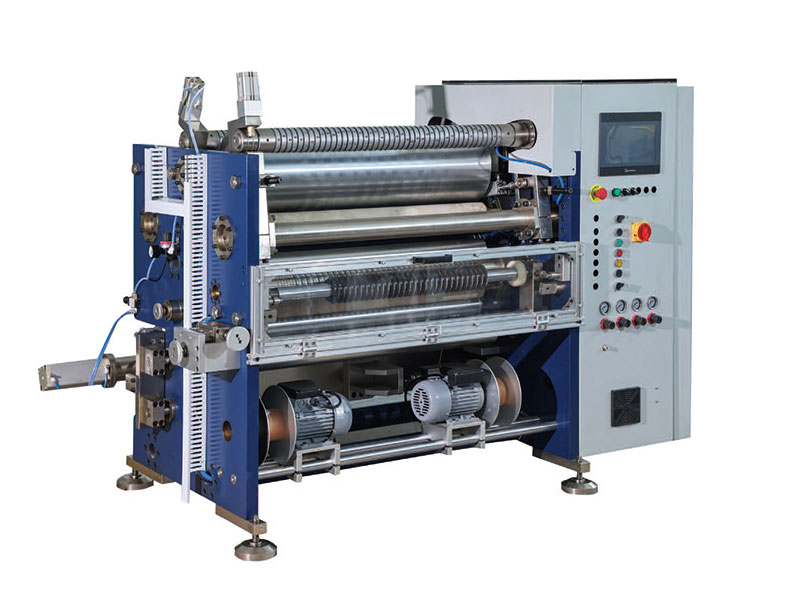 800mm Hot Stamping Foil Slitting Machine
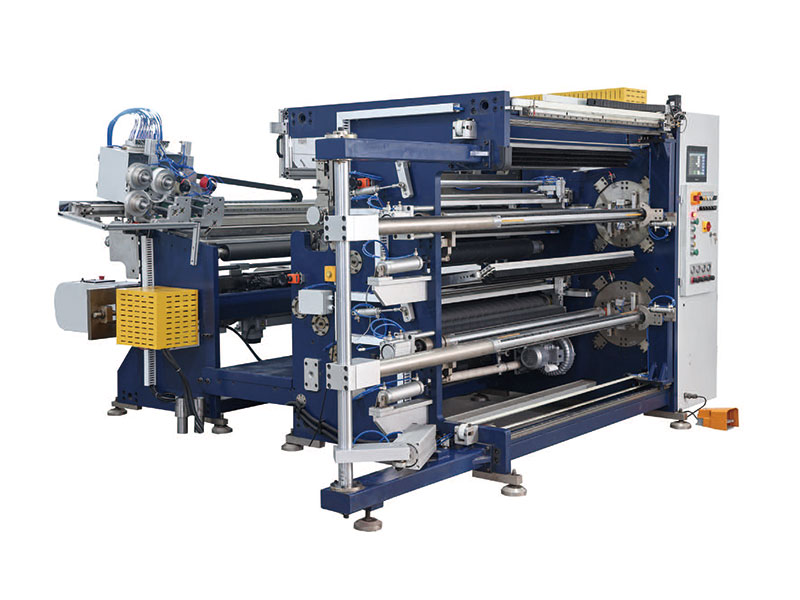 1350mm Hot Stamping Foil Slitting Machine