
In many high-end manufacturing fields such as packaging printing, textile decoration, and electronic devices, hot stamping is always a key factor in enhancing product added value thanks to its gorgeous and exquisite metallic luster. As the core consumable of hot stamping technology, the quality of hot stamping foil, especially the edge condition after slitting, directly determines the clarity, completeness, and production efficiency of hot stamping patterns.
However, for a long time, the slitting process of hot stamping foil has faced two major stubborn pain points—edge burrs and film surface folds. These two major issues not only lead to "flying gold" and "defective products" during hot stamping, but also lead to material waste and equipment downtime, becoming obstacles to improving quality and efficiency. Today, the new generation of hot stamping foil slitting machines uses multiple innovative technologies to precisely address these core pain points, bringing disruptive solutions to the industry.
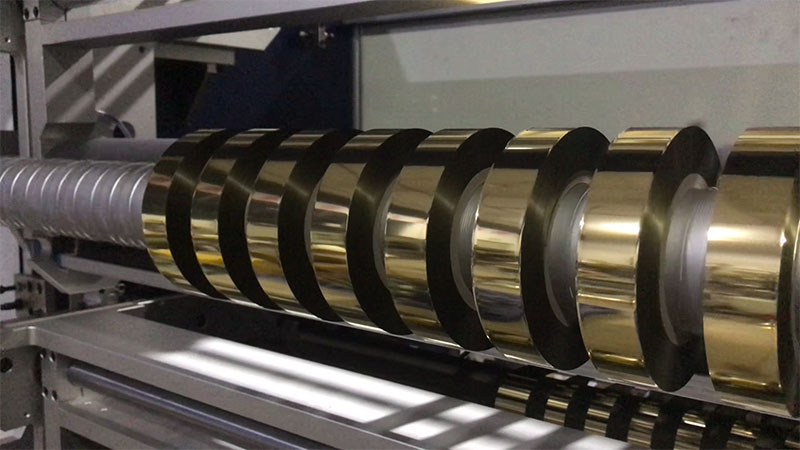
Pain Point One: Edge Burrs—the culprit behind gold stamping "flying gold"
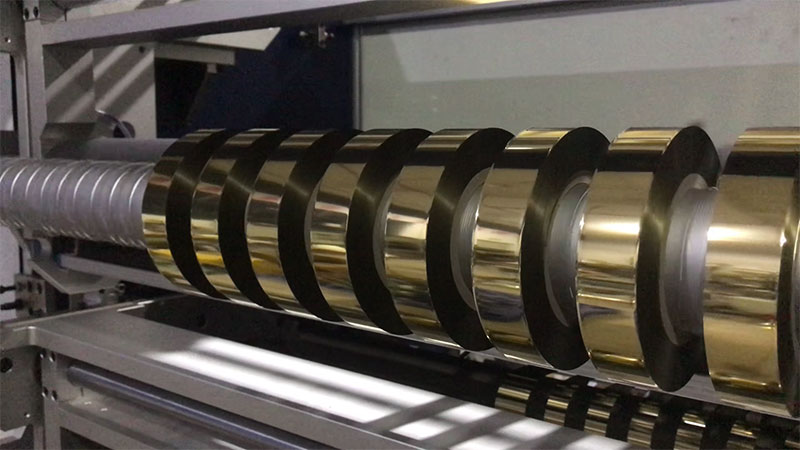
Hot stamping foil is usually made by laminating polyester film base film, release layer, color layer, and metal plating (such as aluminum layer), with an extremely thin total thickness ranging from a few microns to several tens of microns. Traditional slitting relies on mechanical shearing, and friction and stretching inevitably occur between the blade edge and the foil edge. Because the metal coating is hard and brittle, while the release layer is soft and tough, this uneven force easily causes microscopic serrated burrs or tiny cracks on the foil edge.
When these burrs are unwound at high speed on the hot stamping machine, they become points of stress concentration. Once subjected to traction tension, burrs easily tear and fall off, forming fine debris known in the industry as "flying gold" or "powder shedding." Flying gold debris can contaminate the hot stamping plate, causing missing or broken stamping patterns in subsequent hot stamping patterns; If debris sticks to the surface of electrochemical aluminum, it leaves white or dirty spots on the substrate. More seriously, burrs can catch on adjacent foil layers, causing poor winding or even broken strips, forcing the production line to stop for treatment.
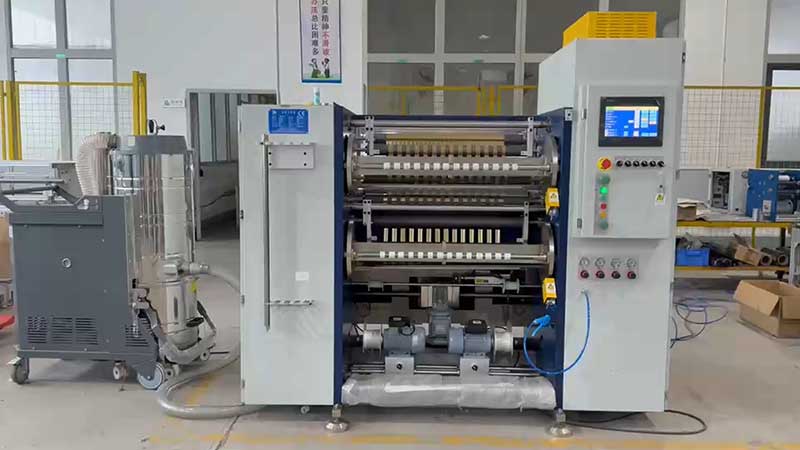
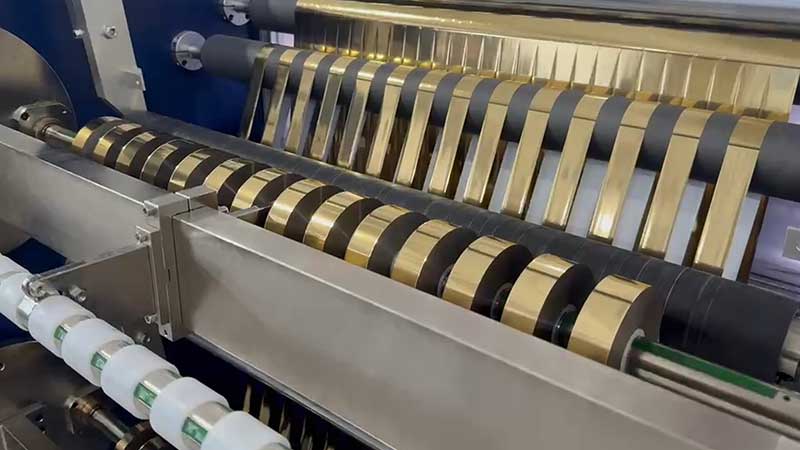
New solution: Modern high-precision slitting machines use double-blade circular compression shear technology, with the gap between upper and lower circular blades precisely adjusted to the micron level, ensuring the cutting edge depth and angle precisely cut through the coating and base film without squeezing or tearing. Combined with pneumatic compression winding rollers and edge dust blowing and suction systems, stable pressure is applied to the edges during winding and chips are sucked away in real time, making the slitting end face smooth as a mirror and eliminating burrs at the source.
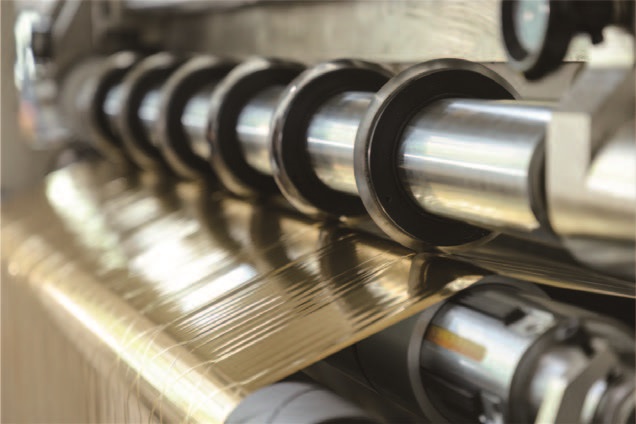
Pain Point 2: Membrane folds—the root cause of incomplete hot stamping
If burrs are microscopic defects, then wrinkles are the fatal flaw at the macroscopic level. The film substrate of hot stamping foil is abnormally sensitive to tension. During slitting, from unwinding, passing the roll, cutting to winding, if the tension in each segment is not evenly controlled, it can cause lateral loosening or stretching of the foil, resulting in longitudinal dead folds or transverse fine wrinkles.
Once wrinkles form, heating and applying pressure during hot stamping can cause overlapping or breakage of the foil at the folds, causing the transfer pattern to be misaligned, missing, or even unable to stamp the entire area. Folding also causes uneven bonding pressure between the foil and the hot stamping plate; excessive pressure in some areas causes "plate pasting," while insufficient pressure in others leads to incomplete transfer. Users are often forced to slow down production or replace entire rolls of materials in advance, resulting in high costs.
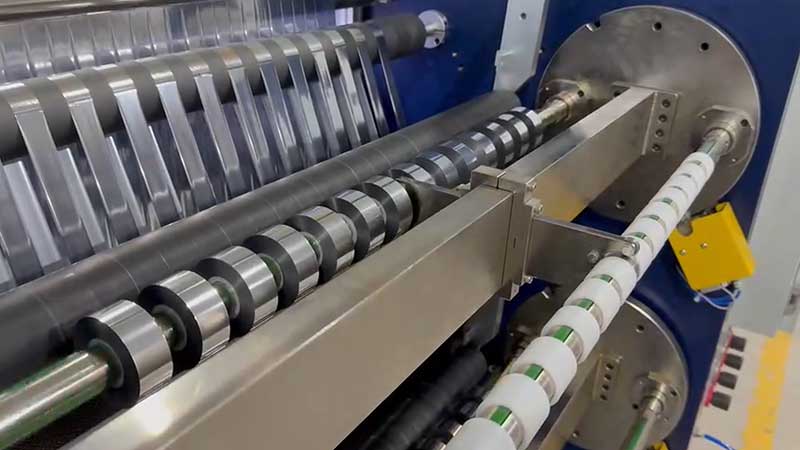
New solution: The new generation slitting machine fully adopts a closed-loop servo tension control system. The unwinding, traction, and rewinding sections are all driven by independent servo motors, which automatically adjust torque through real-time tension sensor feedback to ensure constant low-tension operation. At the same time, curved stretching rollers and an automatic deviation correction system are introduced to completely flatten the foil transversely, ensuring neat winding and consistent tightness, eliminating any possibility of wrinkling.
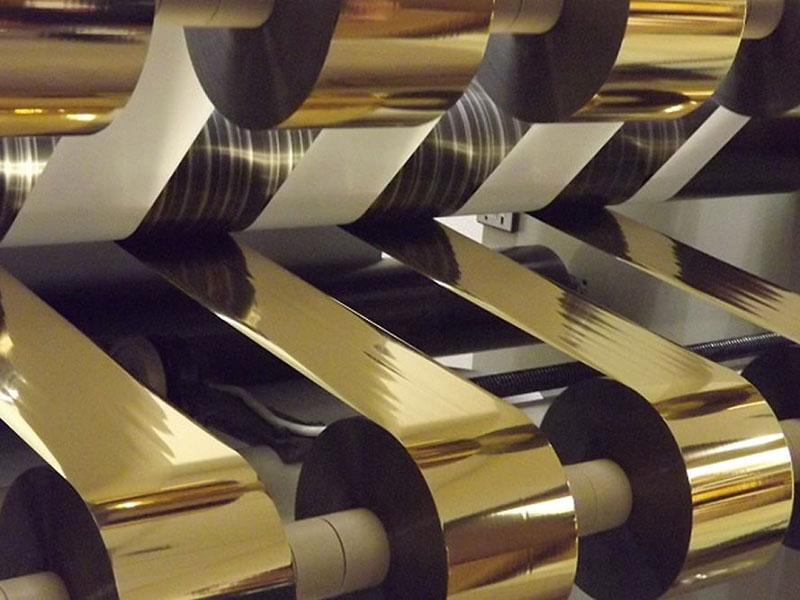
Systematic Solution: Intelligent Slitting Reshapes Quality Standards
Truly solving burrs and wrinkles requires systematic upgrades from hardware, software, to processes. Currently leading hot stamping foil slitting machines have the following features:
• Nano-precision cutter system: uses super-hard alloy inserts and is equipped with a shaft runout suppression mechanism to ensure neat cuts at high speeds.
• Fully automatic tension and pressure management: PLC-based tension taper control, automatically matching process parameters for different widths and thicknesses, achieving constant tension or taper tension winding.
• Non-contact dust removal and static elimination: paired with ion air bars to eliminate static electricity and prevent chip adsorption; Equipped with a high-efficiency dust collection device to keep edges clean.
• User-friendly operation and data traceability: One-touch touchscreen settings, self-diagnosis of faults, and recording of slitting parameters for each batch to achieve quality traceability.
Conclusion: The leap from "usable" to "usable."
Competition in the hot stamping foil industry has entered a fever pitch, and downstream users are demanding increasingly stringent hot stamping results. Edge burrs and film folds are no longer "minor flaws" but key indicators determining order ownership. The emergence of the new generation hot stamping foil slitting machine, through precise control of key processes such as tension, cutters, dust removal, and correction, has completely solved these two major pain points.
It not only makes the slitting end surface mirror-like and the film smooth like silk, but also significantly reduces material waste, improving hot stamping yield and production efficiency. For hot stamping foil manufacturers, introducing such intelligent slitting equipment is not only a quality upgrade but also an inevitable choice for cost optimization and enhanced market competitiveness. In the future, with the continuous evolution of automation and sensor technology, hot stamping foil slitting will steadily advance toward the goal of completely defect-free and zero-waste intelligent manufacturing.
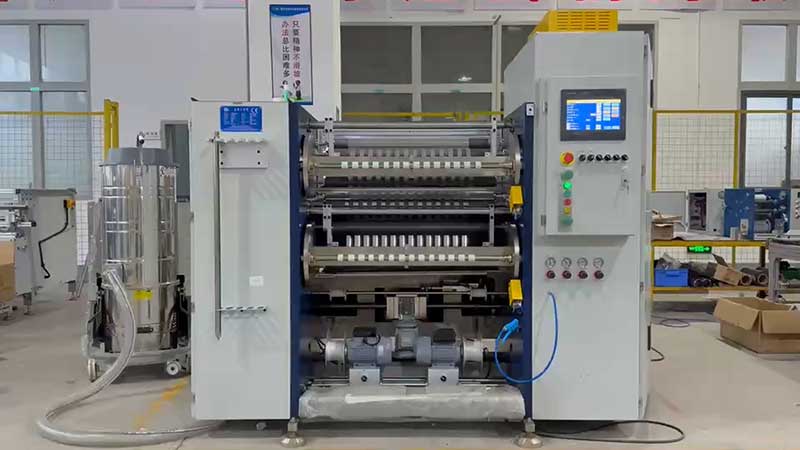 Common Problems with Hot Stamping Foil Slitting Machines and How to Solve Them
 What Specifications Should You Look for in a Hot Stamping Foil Slitting Machine?
 Hot Stamping Foil Slitting Machine Selection Guide: Tension Control Is Key
 How to choose a hot stamping foil slitting machine? Let's first look at these three parameters
 Selection of hot stamping foil slitting machines: how to match width and speed


 English
 Deutsch
 Français
 Español
 Português
 日本語
日本語 русский
 한국어
한국어 عربي
عربي ภาษาไทย
 Tiếng Việt
 Italiano
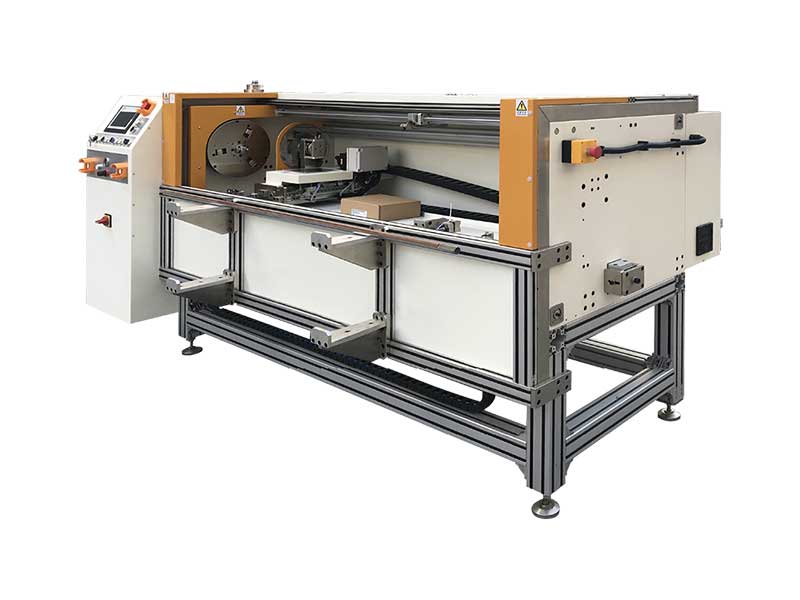 Automatic Foil Roll Cutting Machine
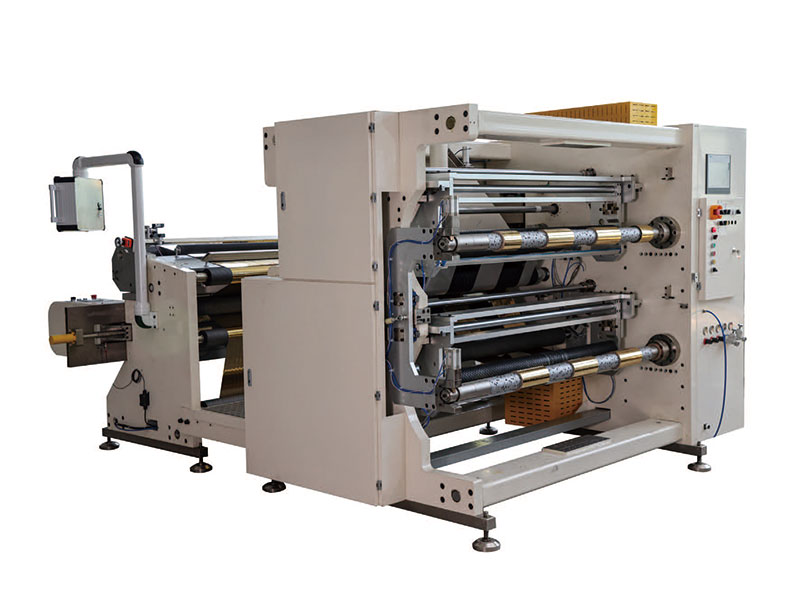 1400mm Hot Stamping Foil Slitting Machine
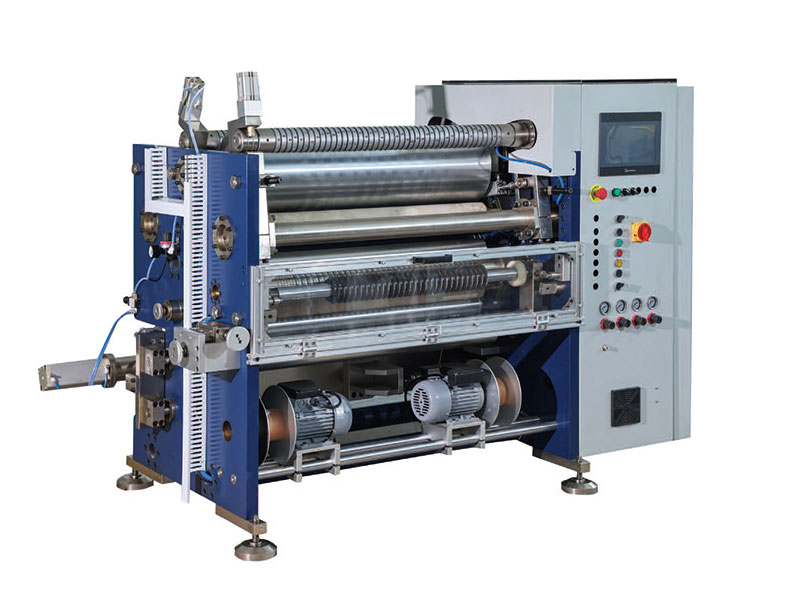 800mm Hot Stamping Foil Slitting Machine
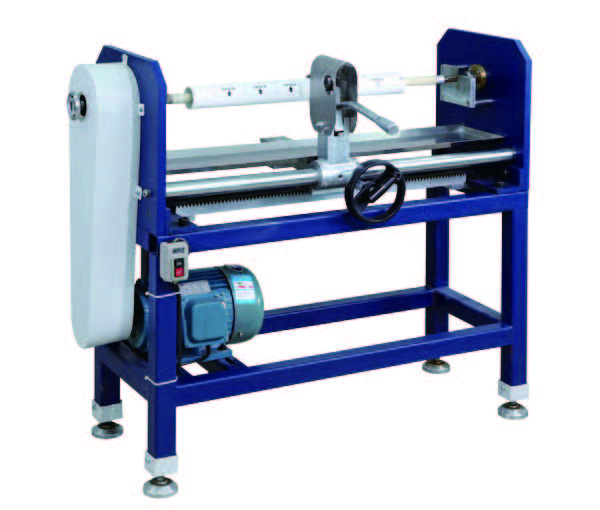 Manual Foil Roll Cutting Machine