
During long-term operation, material jamming is one of the more common faults of the solar film slitting machine. Once material jamming occurs, it not only affects production efficiency but may also damage blades or equipment components. The following three-step troubleshooting method helps operators quickly locate problems and resume production.
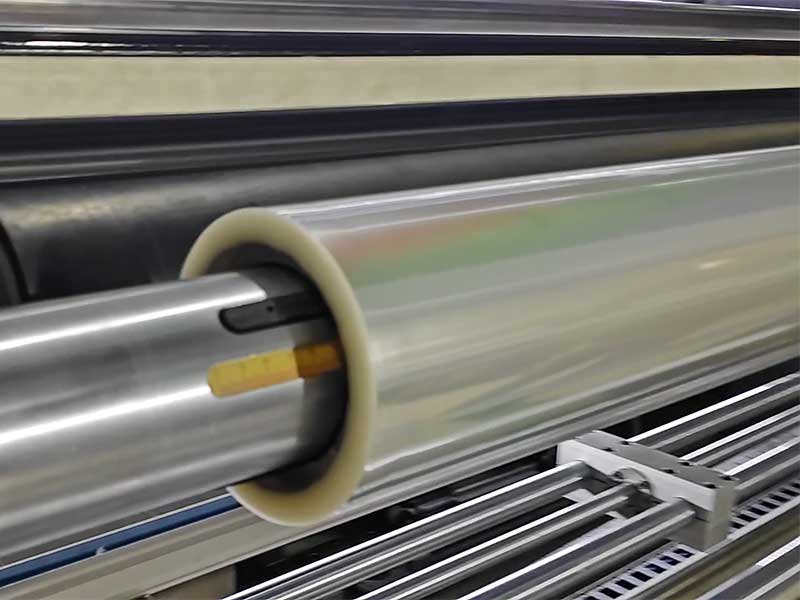
Step 1: Stop the machine to check and confirm the jammed position
If material jamming is detected, immediately press the emergency stop button to cut off the equipment's power source. Do not forcibly pull the film material to avoid wrinkles on the membrane surface or equipment deformation.
Then, open the protective cover and observe the specific area where the jamming occurs:
• Material clamping in the unwinding area: The film is wound onto the unwinding spindle or guide roller
• Grooved Zone Material Clamping: Film material is clamped between the slitting blade and the bottom roller
• Material jamming in the rewinding area: film material accumulates or deviates at the reel reel
Also check the condition of the film—whether there are wrinkles, tears, or curled edges; this information helps identify the root cause.
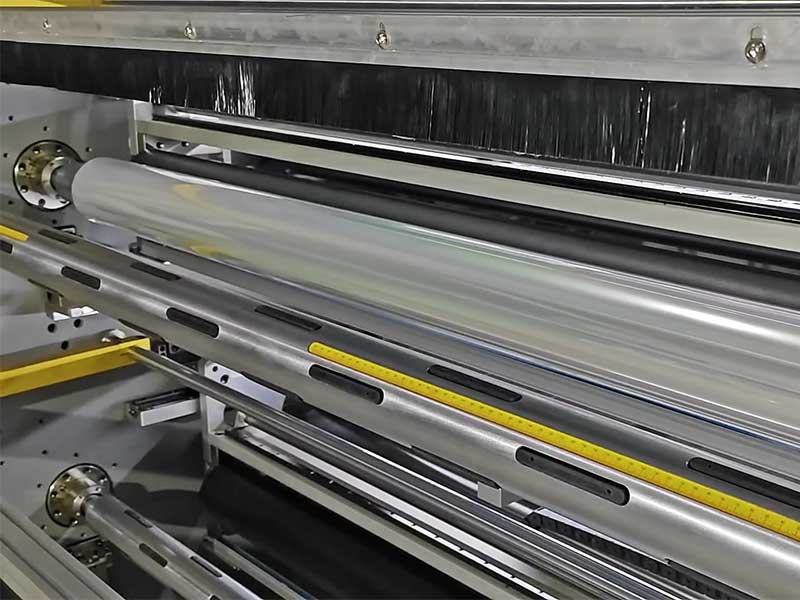
Step 2: Clean up residues and inspect key components
After confirming the jamming position, carefully remove the jammed film material. For tight wrapping, use a utility knife to carefully cut along the roller side, taking care not to scratch the roller surface or blade.
After cleaning, focus on inspecting the following components:
1. Blade Condition: Is there a notch, passivation, or looseness? Blunt blades are prone to wire drawing and material jamming
2. Roller surface: Is there any residual glue, dust, or foreign matter? The surface of the cleaning roller can be wiped with alcohol
3. Gas expansion shaft pressure: Is it within the normal range (usually 0.4-0.6MPa)? Insufficient air pressure can cause slippage during winding
4. Guide roller rotation: Manually move the guide roller to check whether the bearing is jammed or makes abnormal noises
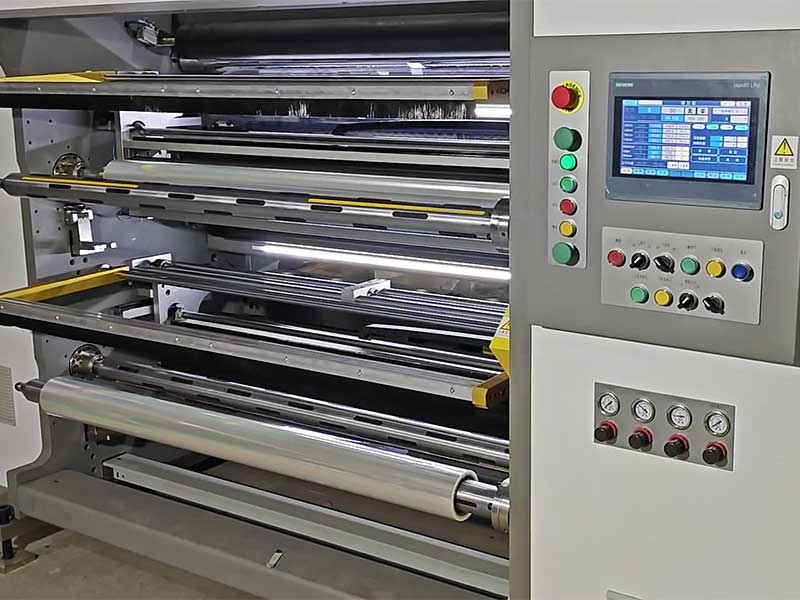
Step 3: Trial operation adjustments and resumption of normal production
After cleaning and inspection, manually turn the machine spindle (manually rotate the spindle) to ensure the membrane path is unobstructed and free of abnormal resistance. Then run idle at low speed for 10-15 seconds to observe whether each roller runs smoothly.
When reloading, pay attention to the following points:
• Ensure the film material has moderate tension; if too tight, it can break; if too loose, it can drift off
• Adjust the slitting knife pressure to just cut through the film; excessive pressure can accelerate groove buildup
• Check whether the deviation correction system is working properly; the edge sensor should align with the membrane edge
It is recommended to record the timing, location, and handling method of this jam to facilitate subsequent analysis patterns—for example, whether it always occurs at fixed tool positions or speeds, thereby optimizing process parameters accordingly.
Tips to prevent material jams
• Regular maintenance: Clean the rollers weekly, inspect bearings, and replace worn blades monthly
• Standardized Operation: Ensure the film edges are aligned during feeding to avoid skewed feeding
• Parameter matching: Set slitting speed and tension values reasonably based on film thickness and material
By following these three steps, most material jamming issues can be resolved within 5-10 minutes. If the fault recurs, contact the manufacturer to check the equipment's accuracy or upgrade the control system.
Solar Film Slitting Machine: How High-Precision Cutting Safeguards Film PerformanceSolar film slitting machine: slitting and rewinding processAccurate and consistent: Tension control and closed-loop correction full analysis of the high-precision solar film slitting machineChoosing these three key points for a solar film slitting machine can save 20% of film material loss annuallyIs the solar film slitting machine too electrostatic? Try this grounding solution


 English
 Deutsch
 Français
 Español
 Português
 日本語
日本語 русский
 한국어
한국어 عربي
عربي ภาษาไทย
 Tiếng Việt
 Italiano
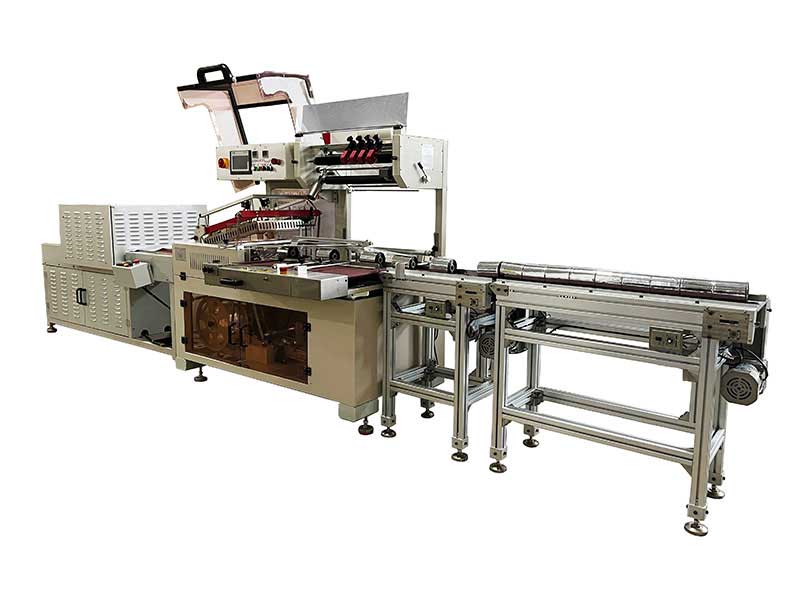 Thermal Transfer Ribbons Packaging Machine
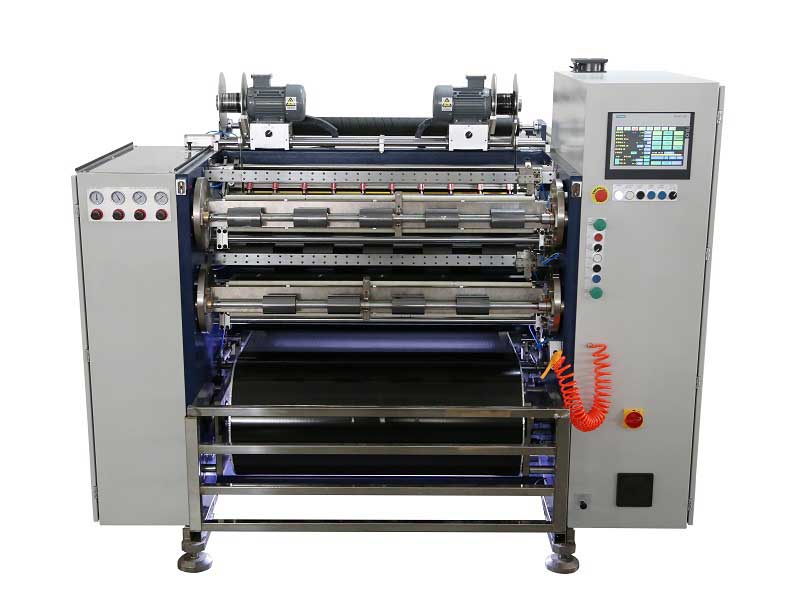 Automatic Thermal Transfer Ribbon Slitting Machine RSDS8 H PLUS
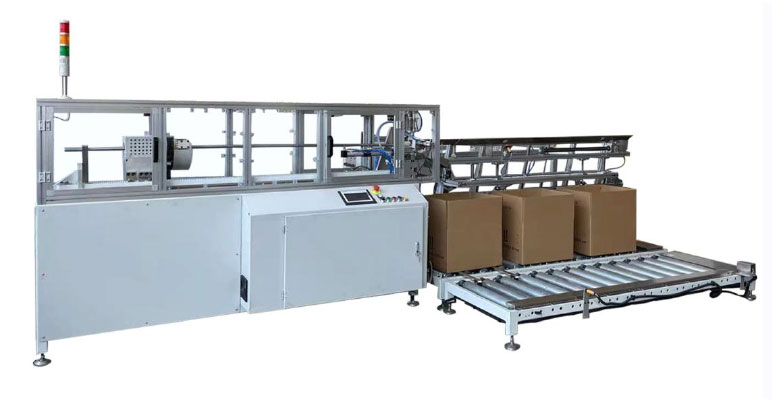 Automatic Paper Core Cutting Machine
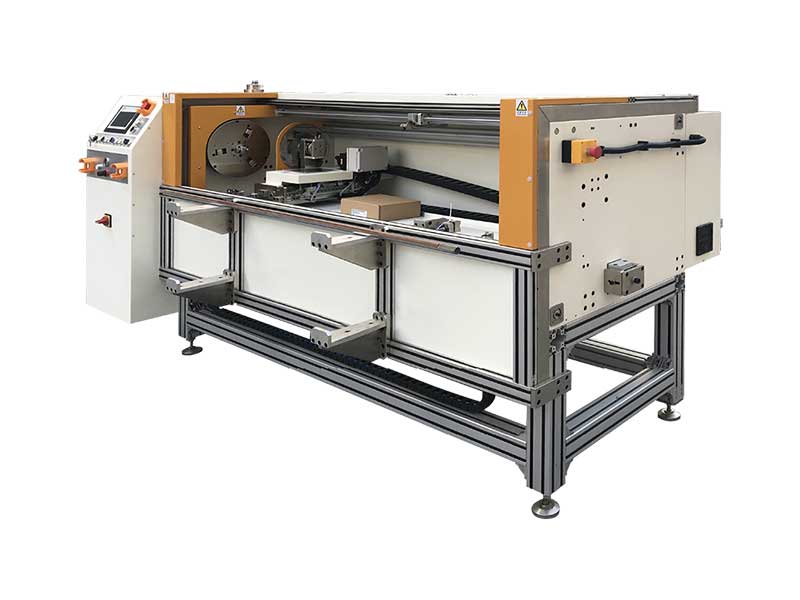 Automatic Foil Roll Cutting Machine