
1. Introduction
The thermal transfer ribbon slitting machine is a key device for slitting wide main rolls into customer-required specifications, and its operational stability directly affects product quality and delivery cycles. The ribbon substrate is typically PET film of 4.5~10μm, which is easy to stretch and wrinkle, making tension control and cutting precision the two core challenges during slitting. Frequent shutdowns not only reduce production efficiency but also cause considerable material waste. This article starts from common fault phenomena and systematically organizes their causes and key maintenance points.
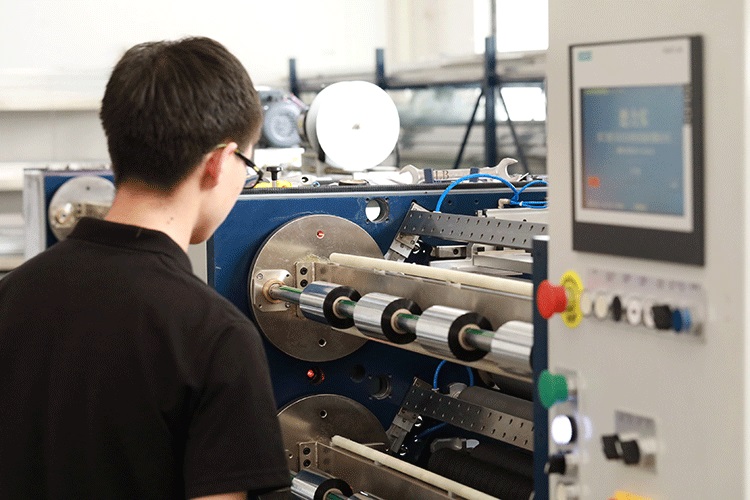
2. Common Fault Types and Cause Analysis
1. Uneven slitting edges (burrs, serrations, powder shedding)
This is the most direct quality issue, usually manifested as a whitening cut edge, obvious stringiness, or powder peeling off at the edges.
• Tool Factors: Blade dullness or chipping are the most common causes. Blunt blades turn 'cutting' into 'squeezing,' causing edge stretching and deformation; Although cemented carbide inserts have a long lifespan, excessive spindle runout on the equipment can easily cause the blade to chip. Additionally, the overlap between upper and lower blades (recommended 0.01~0.03mm) and lateral clearance (0.02~0.05mm) are out of balance, causing uncut or indentation.
• Tension fluctuations: Fluctuating tension causes ribbons to drift at the edge, causing intermittent burrs. Uneven wear of unwinding brake pads or unstable pressure in the floating roller cylinder are common triggers.
• Electrostatic interference: Electrostatic adsorption of dust generated by high-speed slitting, contaminating the edge and interfering with sensors, also worsening trimming quality. The grounding resistance should be less than 4Ω.
2. Uneven winding (off-layer end face, tower shape, daisy core)
An uneven winding end face not only affects appearance, but also leads to inaccurate subsequent length measurement and edge sagging during transportation.
• Unreasonable tension taper: During winding, the diameter increases, and if the tension does not decrease with the taper, the outer layer will crush the inner layer, forming a "chrysanthemum core" wrinkle. The taper coefficient is usually set at 0.3~0.5.
• Mechanical parallelism deviation: The winding shaft is not parallel to the guide roller, or the tension force at both ends of the winding shaft is inconsistent, resulting in "bell-mouth" or "tower-shaped" rolls. During calibration, the horizontal error must be controlled within 0.2mm/m.
• Uneven pressure on the pressure rollers: For the center + surface composite winding method, when the pressure difference between the two ends of the roller exceeds 0.05MPa, local "bars of bar" may bulge.
3. Ribbon breakage and loss of tension
Broken strips are the leading cause of unplanned shutdowns, accounting for up to 60%.
• Excessive tension: Excessive tension can directly stretch or even break the PET substrate. Reference tension differences for ribbons of different widths are significant: below 25mm width, 3~5N; for 50mm width, 6~10N.
• Foreign objects in the roller: Burrs, glue scale, or carbon powder clumps on the guide roller surface can scratch or rub against the carbon ribbon, causing breakage.
• Weak joints or incorrect tape threading: Insufficient strength of the female coil joint or sharp angle friction along the tape path can also easily cause tape breakage.
4. Inconsistent slitting widths and abnormal noise
• Width deviation: Usually, tolerances ± within 0.3mm. Loose blade shaft locking mechanism, insufficient dimensional accuracy of spacers, or axial movement of blade shafts exceeding 0.02mm can all cause width drift.
• Abnormal noise: Bearing damage, gear oil shortage, or belt slippage are the main sources of noise. If the bearing temperature is too high or feels vibration-inducing, it must be replaced immediately.
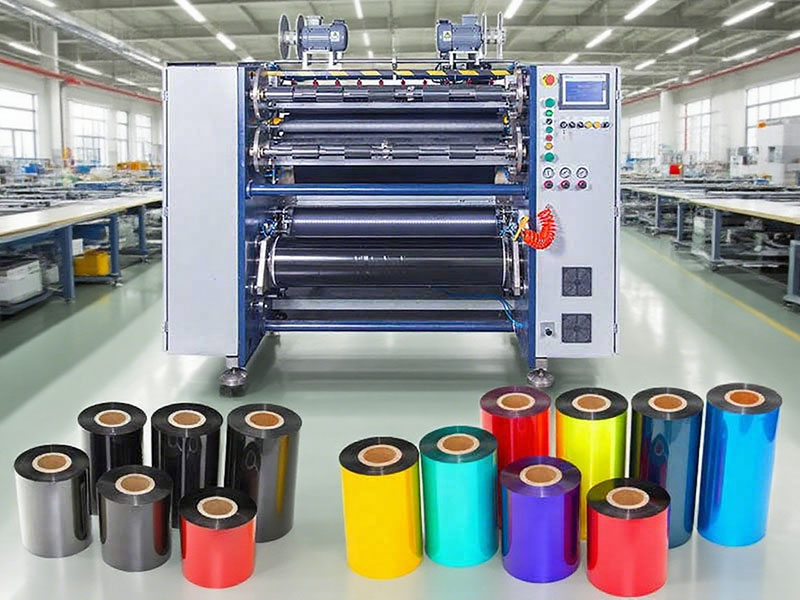
3. Key points for systematic maintenance
Effective maintenance should shift from "post-event repairs" to "preventive maintenance," which can be summarized in eight words: "cleaning, lubrication, adjustment, and tightening."
1. Daily cleaning (per shift)
• Material path: Wipe all rollers and guide wheels with over 95% alcohol to remove carbon powder and adhesive scale to prevent scratches and deviation.
• Grooves and scrap: Clean dust accumulated between the round blade and the bottom groove; Promptly clean the scrap trim shaft to prevent overwinding of waste wire and damaging the bearing.
• Electrical cooling: Clean the cooling filters of inverters and servo drives to prevent dust clogging that could trigger overheating alarms.
2. Key Institution Inspections (Daily/Weekly)
• Expansion shaft: Check airtightness to ensure the key bar bulges evenly after inflation. The runout of the reel should be less than 0.05mm; otherwise, it will cause severe tension fluctuations.
• Tool group: Before each shift, inspect the cutting edge, establish a tool life ledger, and record the number of meters used after grinding. It is strictly forbidden to forcibly slice with a dull knife.
• Slip shaft: Manually rotate the slip ring to check if it rotates smoothly. Slip shaft jamming is the direct cause of the "ridge lifting" phenomenon.
3. Tension and Control System Maintenance (weekly/monthly)
• Sensor calibration: Check the tension sensor mounting screws weekly and perform zero-point calibration without film penetration. It is strictly forbidden to impact or step on the sensor roller.
• Transmission components: Check whether the coupling top wire is loose; The middle part of the timing belt should have a deflection of 10~15mm. Looseness can cause inaccurate positioning, and slipping can cause uneven acceleration.
4. Pneumatics and lubrication (monthly/by operating duration)
• Air source treatment: daily drainage of accumulated water from the filter; Check the oil level of the oil mist unit; it is recommended to use ISO VG 32 turbine oil. Moisture entering the cylinder can cause rust and slow operation.
• Rail lead screw: Clean old sludge weekly and refill lithium-based grease. Lack of oil on the tool guide rail increases resistance and causes wear of the ball screw.
• Bearings: lubricate the main shaft bearings quarterly. If there is a "clucking" abnormal response during operation, replace immediately without delay.
5. Accuracy Verification (Quarterly/Annually)
• Slitting width: Use standard measuring tools to calibrate tool accuracy to ensure tolerance of ±0.3mm.
• Winding end face: Check the height difference of the finished product end face; if exceeding standards, check the parallelism of the pressure rolls and axial movement of the winding shaft.
4. Comprehensive Setup and Troubleshooting Logic
When burrs and unwinding occur simultaneously, it is recommended to follow the inspection sequence of "static before moving, cutting before force":
1. Static inspection during shutdown: Confirm the parallelism of the tool group, guide rollers, and the runout of the winding shaft.
2. Tool Replacement Verification: Replace the blade for trial cutting to quickly eliminate tool issues.
3. Sectional tension check: Disconnect the winding/unwinding linkage, test the unwinding braking performance and winding traction performance separately, and lock the fault section.
4. Parameter standardization: Establish process cards for each ribbon model, specifying tool clearance, tension curves, and speed limits to reduce manual trial and error.
5. Conclusion
The stable operation of the thermal transfer ribbon slitting machine is essentially the result of the synergy of mechanical precision, tension control, and tool condition. Extensive practice has proven that systematically upgrading closed-loop tension control and tool positioning systems, supplemented by standardized inspection procedures, can reduce unplanned downtime by more than 90% and stabilize the finished product rate above 98%. It is recommended that enterprises implement a management system of "fixed personnel, fixed machines, fixed responsibilities," and truly integrate maintenance work into daily production rhythms.
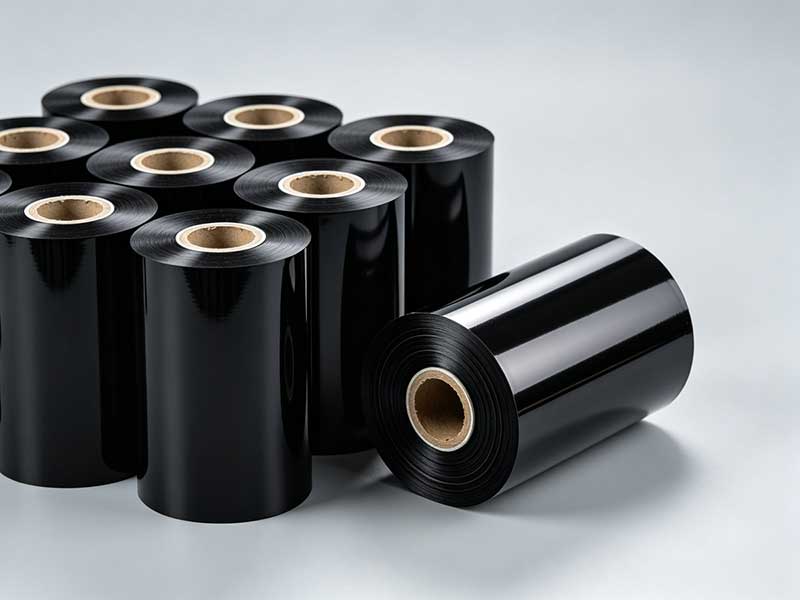 Fully automatic ribbon slitting machine: efficient, stable, and labor-saving
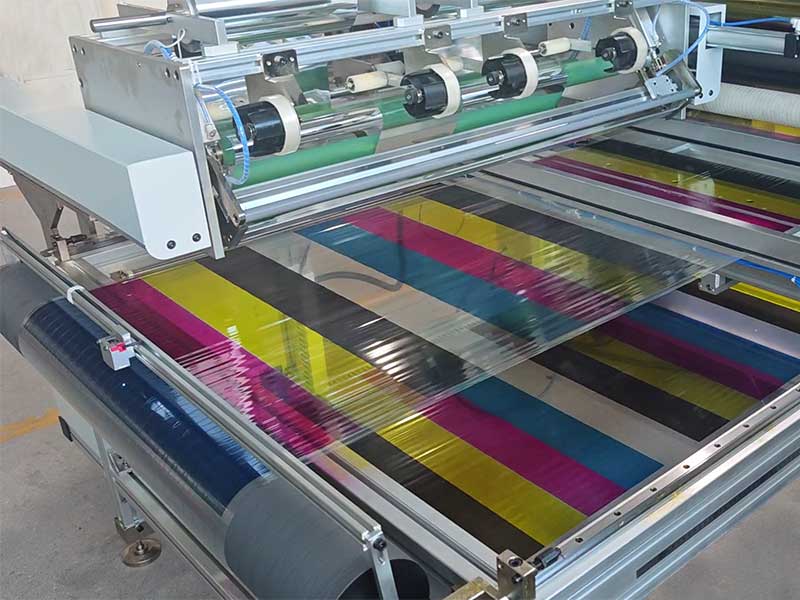 How to choose a color ribbon slitting machine? Three core parameters to understand
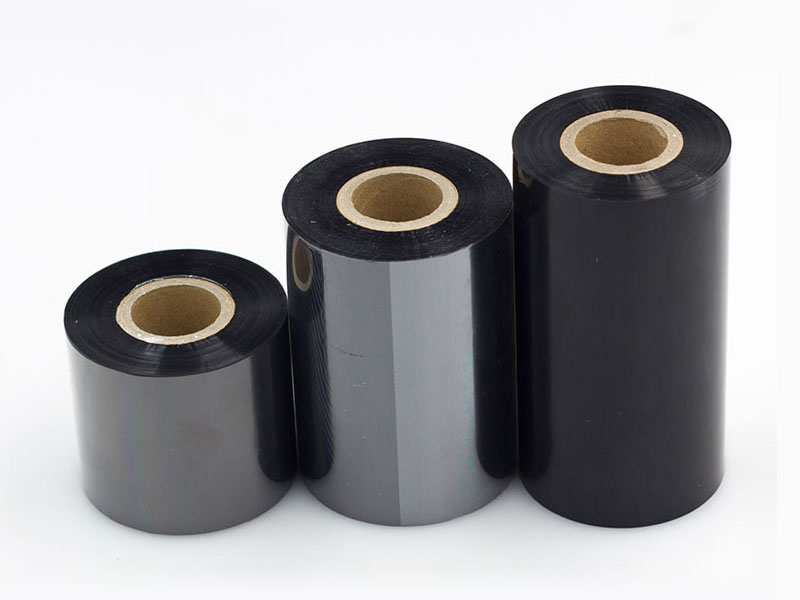 Detailed explanation of the meter-counting shutdown function of the ribbon slitting machine
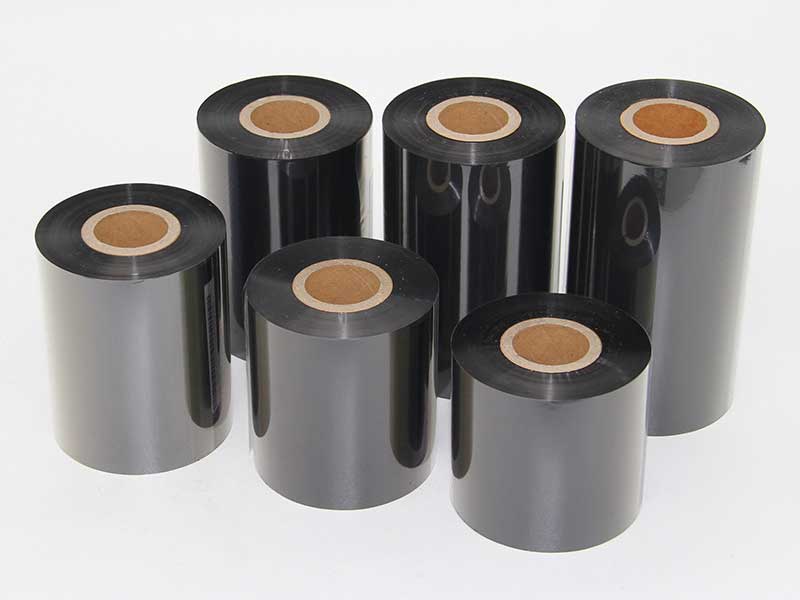 Introduction to the automatic offset correction function of the ribbon slitting machineProduction efficiency improvement plan for ribbon slitting machines


 English
 Deutsch
 Français
 Español
 Português
 日本語
日本語 русский
 한국어
한국어 عربي
عربي ภาษาไทย
 Tiếng Việt
 Italiano
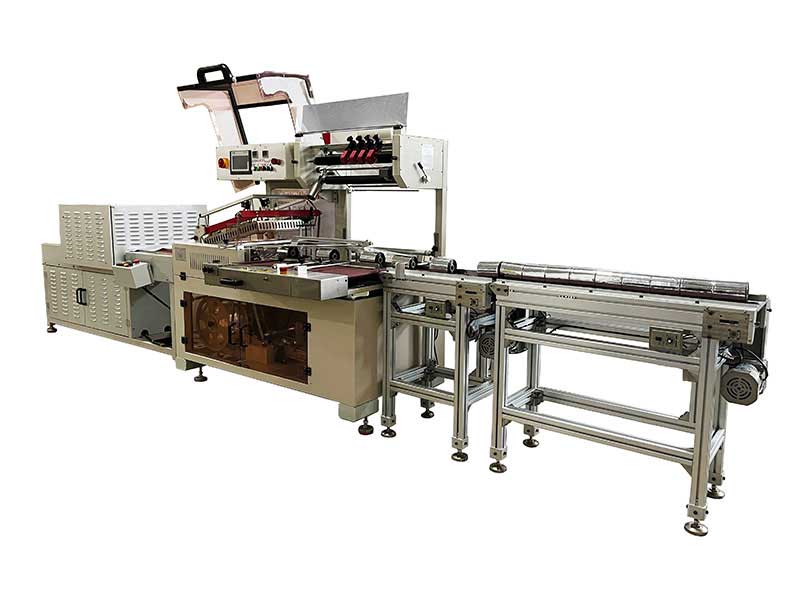 Thermal Transfer Ribbons Packaging Machine
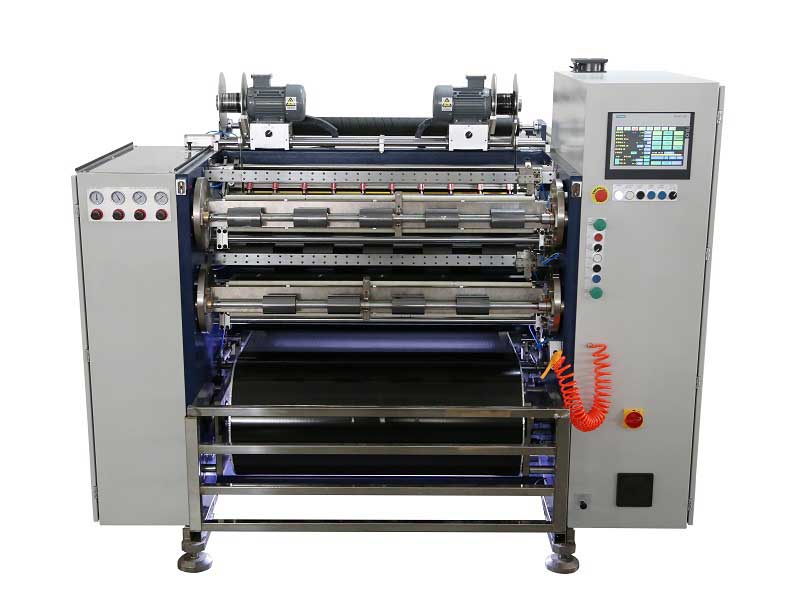 Automatic Thermal Transfer Ribbon Slitting Machine RSDS8 H PLUS
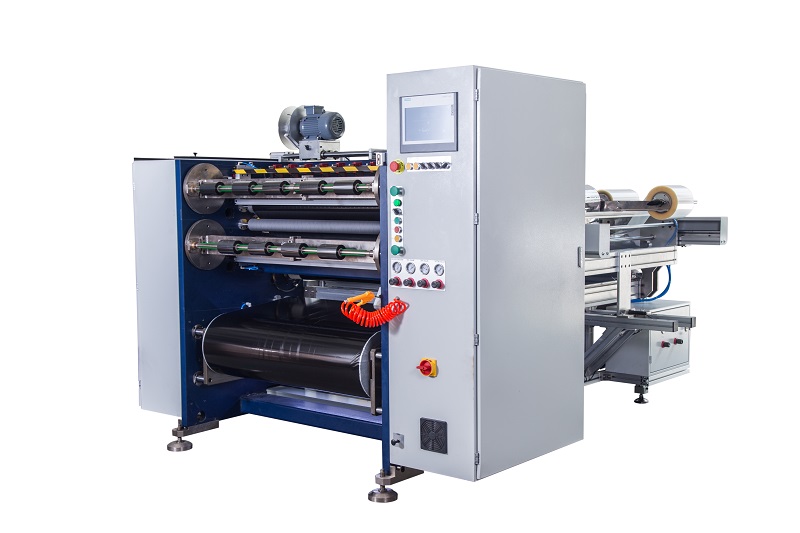 Semi Automatic Thermal Transfer Ribbon Slitting Machine RSDS5 PLUS
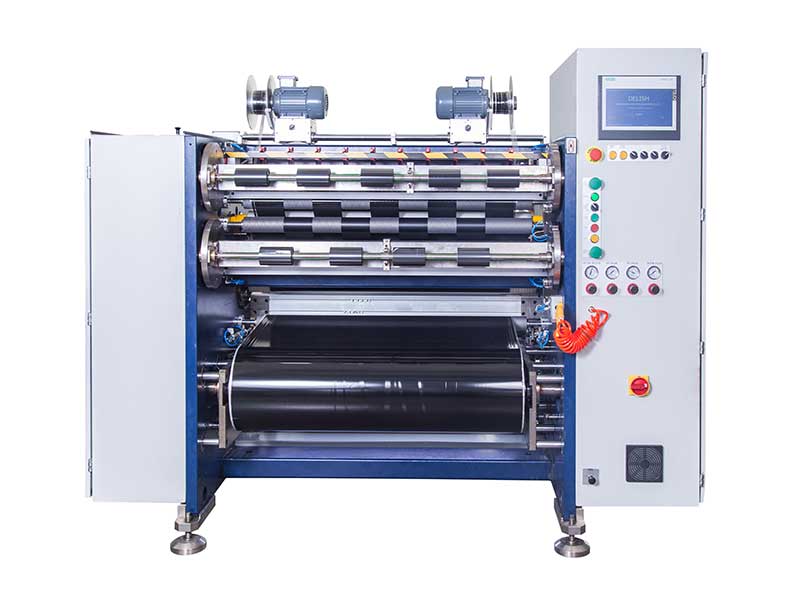 TTR Slitting Machine