
In industries such as plastic films, lithium battery separators, optical films, and packaging materials, slitting machines are the core equipment for slicing wide, large rolls into narrow rolls of specific specifications. As downstream demands for precision, efficiency, and environmental protection continue to improve, film slitting machines are rapidly evolving toward quieter, more stable, and more durable designs.
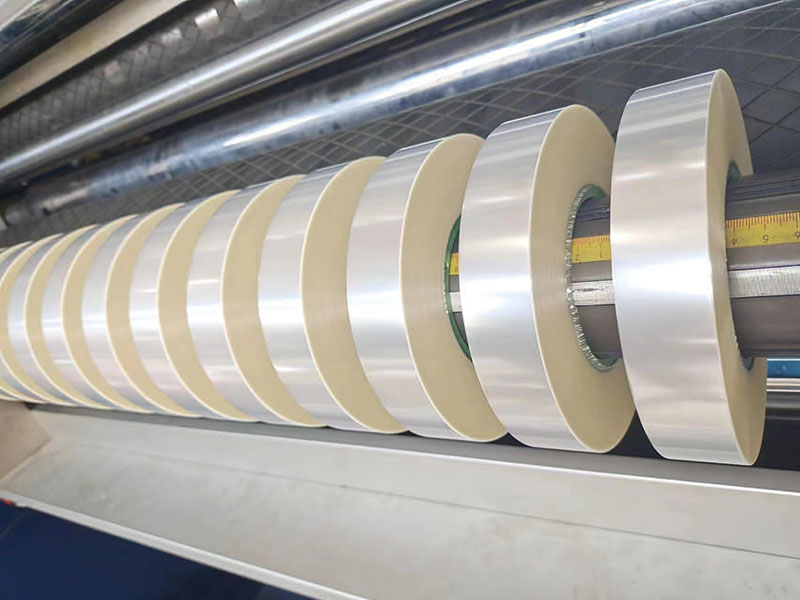
1. Quieter: From passive noise cancellation to active acoustic optimization
When traditional slitting machines operate at high speeds, friction between the cutter and the film, roller rotation, and pneumatic component actions all generate noticeable noise. Prolonged exposure to environments above 85 decibels not only affects operator health but also poses challenges to factory environmental compliance.
In recent years, silent design has become an important direction for slitting machine iteration. On one hand, equipment manufacturers reduce mechanical vibration at the source by optimizing the tool groove structure, adopting high-precision bearings, and low-noise gearboxes; On the other hand, pneumatic systems are gradually being replaced by servo-electric clamping mechanisms, greatly eliminating exhaust noise. Some high-end models also introduce soundproof covers and dynamic sound-absorbing materials, reducing overall operating noise below 70 decibels, approaching the sound level of ordinary conversational environments.
More notably, with acoustic simulation software, manufacturers can anticipate and eliminate specific frequency noise sources during the design phase, enabling an engineering model of "silent first, manufacture later." This is especially critical for fields with stringent production environments, such as medical packaging and electronic materials.
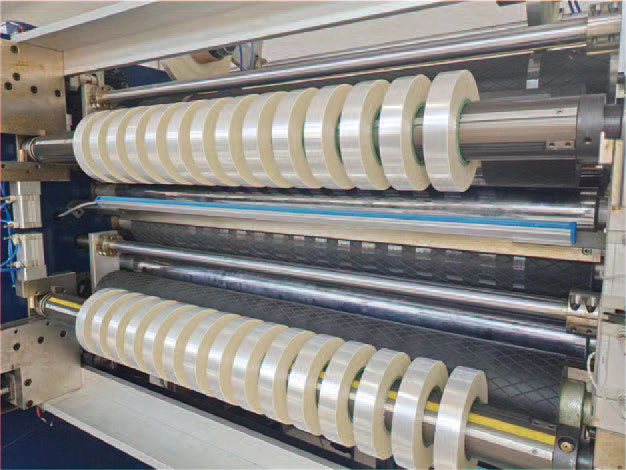
2. More Stable: Tension closed-loop and intelligent correction work together
The stability of the slitting process directly determines the yield of finished products. Films are prone to stretching, wrinkles, deviation, or even material breakage during high-speed feeding, especially lithium battery separators or optical-grade PET films with thicknesses of only a few microns, which are extremely sensitive to tension fluctuations.
The current mainstream technology trend is to adopt a fully closed-loop tension control system, which provides real-time feedback signals from tension sensors located in the unwinding, traction, and rewinding sections, with millisecond-level adjustments made by servo motors. Compared to open-loop control, closed-loop systems can keep tension fluctuations within ±0.5N, significantly improving the processing quality of thin, easy-stretch materials.
At the same time, high-precision ultrasonic or CCD correction systems have become standard. The new generation slitting machine achieves edge positioning accuracy ±0.1mm and maintains stability at speeds above 500m/min. In addition, the rollers with higher dynamic balance grades, the more rigid frame structure, and the guide-rail tool holder design together suppress vibration transmission, ensuring uniform clearance between the blade and bottom roller even when the equipment runs at full speed.
For multilayer composite films or materials prone to static electricity, stable unwinding and rewinding compression curves are equally critical. Currently, high-end models support segmented compression force settings, paired with shaftless winding racks, avoiding internal tightness and external looseness issues with large roll diameters.
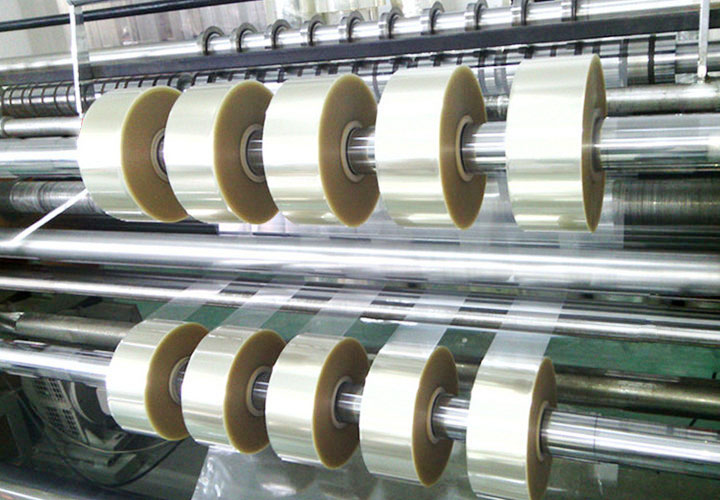
3. More durable: Improved lifespan and maintainability of key components
Slitting machines usually require continuous long-term operation, especially in large-scale production scenarios such as packaging films and protective films, where the equipment can run for over 6,000 hours annually. How to extend the lifespan of wear parts and reduce maintenance costs throughout the entire lifecycle is a core concern for both users and equipment manufacturers.
Blade lifespan is the primary breakthrough point. Traditional carbon steel circular blades require frequent grinding or replacement after slitting by the number of meters, but nowadays, high-hardness carbide-coated tools, ceramic inserts, and wear-resistant bottom rollers are becoming increasingly common. Some solutions can extend the tool change cycle by 3 to 5 times.
In terms of the transmission system, lubricating-free bearings, sealed bearing units, and lifetime maintenance-free servo motors are used, reducing the workload of daily inspections. At the same time, the modular design concept is widely adopted—the rewinding arm, cutter holder, and roller assembly can all be quickly replaced. Combined with the equipment health management system on the human-machine interface, it can provide early warnings of bearing wear and belt aging, turning passive maintenance into proactive maintenance.
In addition, the anti-corrosion treatment of the equipment main structure, stress relief processes at key welding points, and increased strength of the protective shell all enable the slitting machine to have a longer service life in hument, dusty, or somewhat corrosive environments. Some leading manufacturers even offer five-year full device warranties, reflecting strong confidence in durable design.
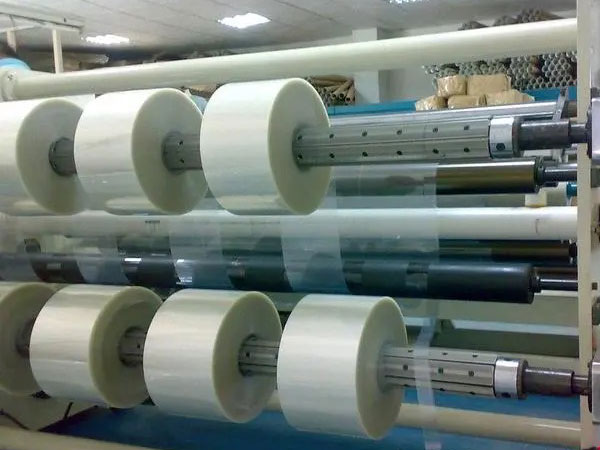
Conclusion: The integration of three trends and industrial upgrading
Quieter, more stable, and more durable are not isolated performance metrics, but rather a mutually supportive whole. Low-noise designs are often accompanied by more precise machining, thereby improving operational stability; Enhanced stability also reduces abnormal vibrations and shocks, thereby extending the lifespan of the entire machine and tools.
For film slitting machine manufacturers, this trend requires them to shift from mere functional satisfaction to comprehensive optimization of user experience and total cost of ownership; For end users, this means a more friendly working environment, higher yields, and lower maintenance costs.
It is foreseeable that as downstream industries such as new energy, optical displays, and high-end packaging continue to upgrade, the quietness, stability, and durability of slitting machines will gradually become the core measures of brand competitiveness. Companies that first find the optimal balance among these three will also take the initiative in the new round of technological reshuffling.
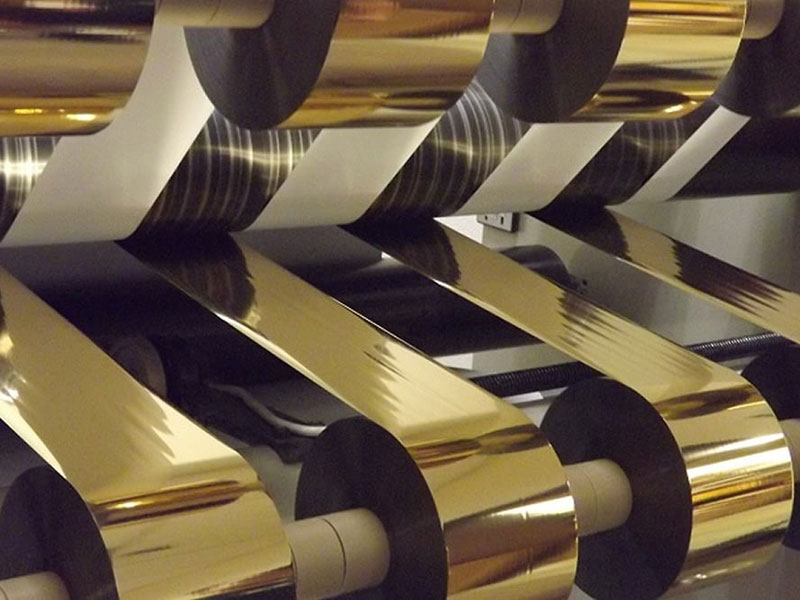 Detailed explanation of the automation functions of the hot stamping foil slitting machine
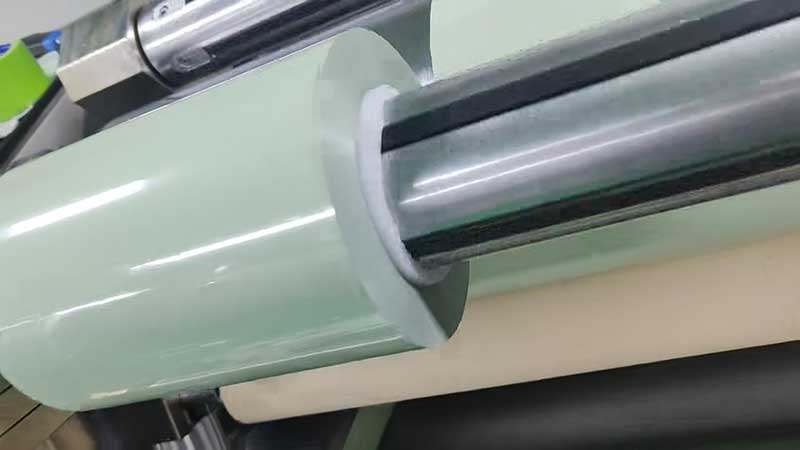 Complete Guide to Selecting Film Slitting MachinesThe Game and Symbiosis of Speed and Precision in Film Slitting MachinesApplications of new energy film slitting machinesTechnical analysis of the automatic deviation correction system for film slitting machines


 English
 Deutsch
 Français
 Español
 Português
 日本語
日本語 русский
 한국어
한국어 عربي
عربي ภาษาไทย
 Tiếng Việt
 Italiano
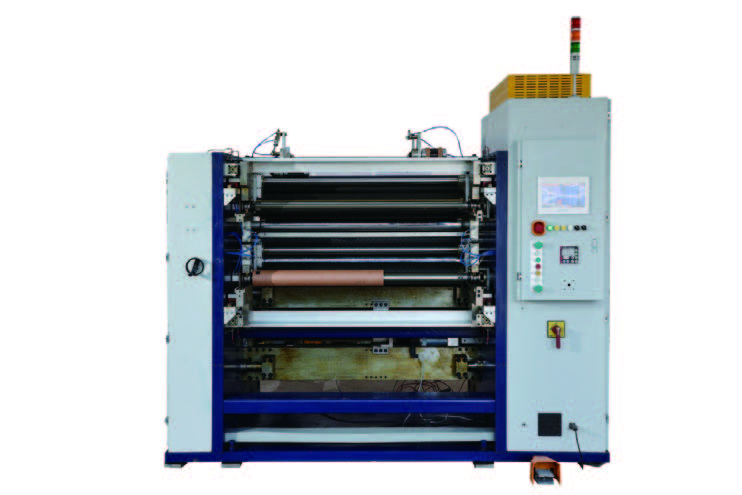 New Energy Ultra-thin Film Slitting Machine For Capacitive Film
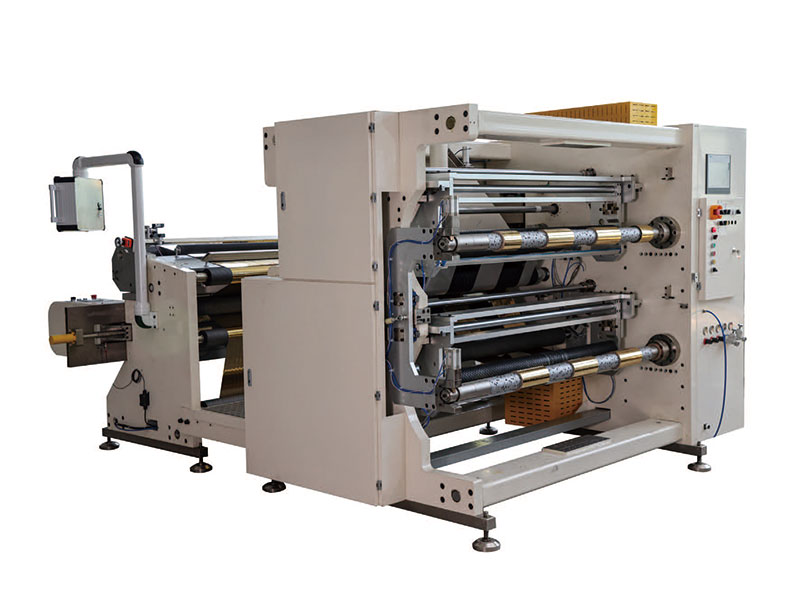 1400mm Hot Stamping Foil Slitting Machine
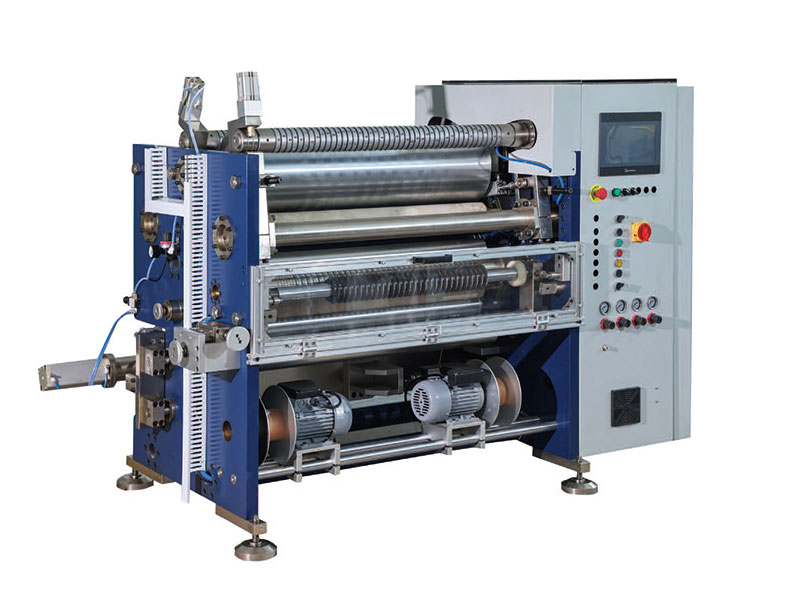 800mm Hot Stamping Foil Slitting Machine
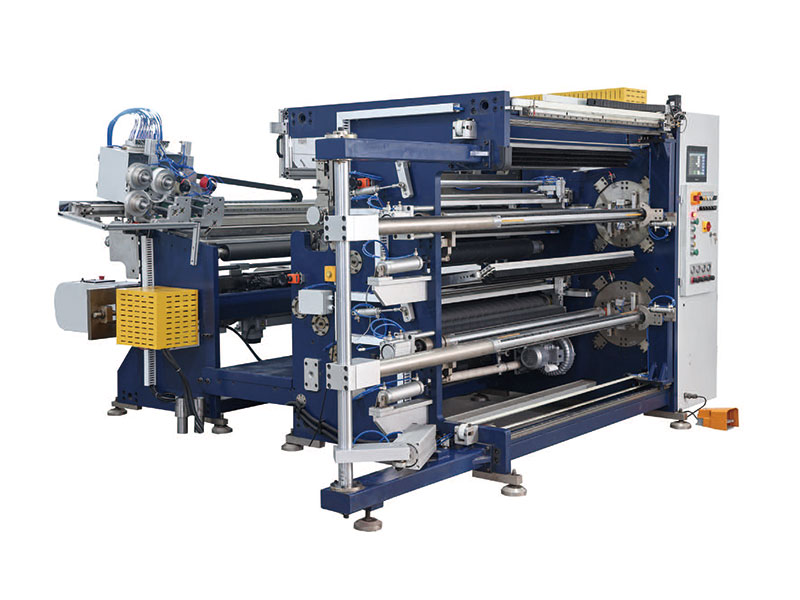 1350mm Hot Stamping Foil Slitting Machine