
At the intersection of packaging printing and high-end manufacturing, hot stamping technology, with its unique metallic luster and luxurious texture, has always been an important means to enhance product added value. However, driven by consumption upgrades and the wave of Industry 4.0, market demands for hot stamping products have shifted from "aesthetics" to "precision," and from "bulk" to "customization." In this transformation, hot stamping foil slitting machines, as key hubs for the production and application of bonding materials, are injecting strong momentum into precision manufacturing through deep technological innovation.
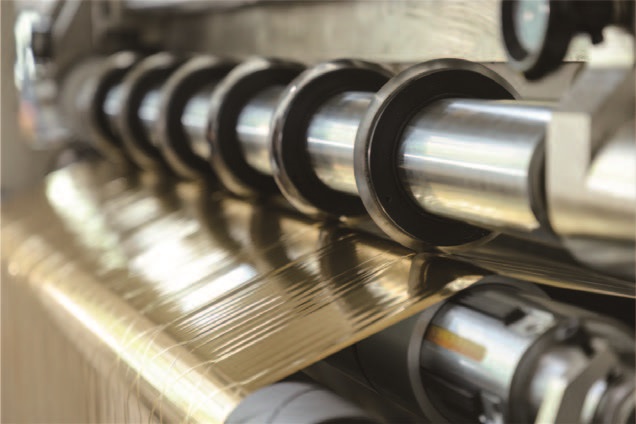
Precision Slitting: From "Auxiliary Processes" to "Precision Engines"
Traditional hot stamping foil slitting is often seen as a simple material cutting step, but in modern precision manufacturing systems, its role has undergone a fundamental transformation. The material of hot stamping foil is special, with a thin base film and sensitive coating. The quality of the slitting directly determines the success of subsequent stamping—edge burrs can cause incomplete stamping patterns, uneven tension can cause wrinkles on the foil surface, and width deviations may lead to material waste.
Modern high-performance slitting machines push slitting accuracy to the micron level through multidimensional technological collaboration. On the mechanical side, high-rigidity frames such as cast iron or alloy steel and precision guidance systems are used to suppress vibration and deformation from a physical structure; On the control side, the servo drive system of the 24-bit encoder combined with closed-loop PID tension control can keep tension fluctuations within ±0.5N, ensuring the foil surface remains flat at high speeds. More importantly, the introduction of the visual inspection system gives slitting an "eye"—CCD online detection and image processing algorithms can monitor edge deviations in real time and dynamically correct them, keeping long-term slitting accuracy within ±0.1mm. It is precisely this pursuit of ultimate precision that has upgraded the slitting machine from an auxiliary device to a "precision engine" ensuring the quality of the hot stamping process.
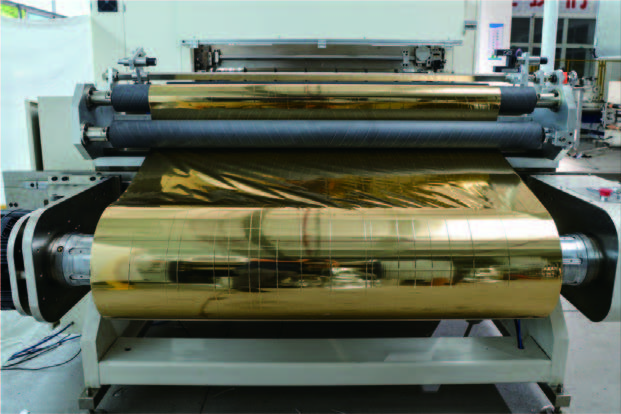
Intelligent flexibility: Breaking the dilemma of small-batch customization
The arrival of the era of personalized consumption has brought new characteristics of the hot stamping foil market characterized by "multiple varieties, small batches, and short delivery times." Traditional slitting production methods struggle to meet the demands of frequent order changes and diverse specifications—tool change and debugging are time-consuming, material waste is severe, and efficiency is greatly reduced.
The intelligent slitting machine responds to this challenge with the concept of "flexible production." With the rapid changeover system, tool adjustment time is reduced from several hours to under 3 minutes, and one-click access to preset parameters allows operators to switch between different orders without repeated settings. The modular design allows the equipment to flexibly configure functional units such as visual inspection, static elimination, and automatic deviation correction, easily meeting processing needs for a variety of materials from ordinary electrochemical aluminum to laser foil and special textured foil. In a high-end packaging company's practical application, after introducing an intelligent slitting machine, order changeover time was reduced by 80%, material loss rate dropped from over 5% to below 1%, and production capacity increased by 30%, successfully turning "small-batch customization" from a cost burden into a competitive advantage.
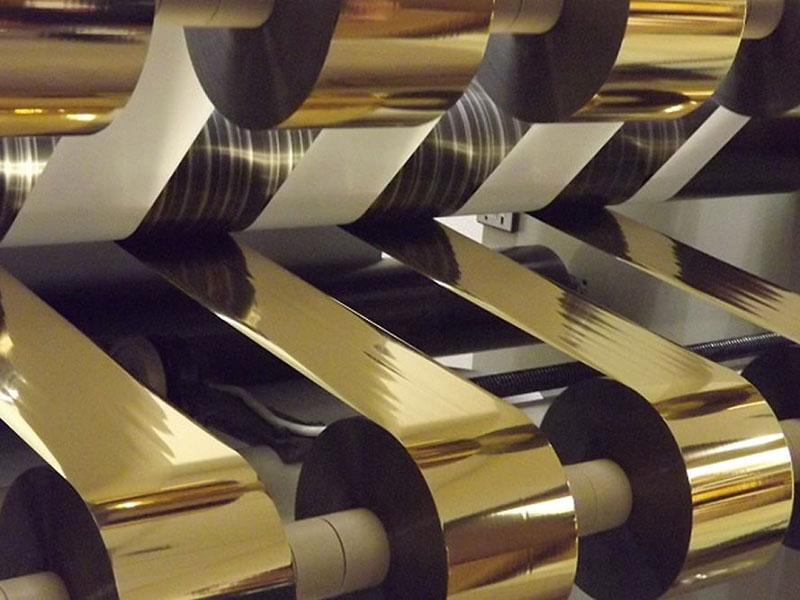
Green intelligent manufacturing: energy saving, consumption reduction, and a sustainable future
Against the backdrop of increasingly stringent global "dual carbon" goals and environmental regulations, hot stamping foil slitting machines have also become an important practical field for green manufacturing. The new generation of equipment achieves dynamic power regulation through servo motors and variable frequency technology, reducing energy consumption by more than 30% compared to traditional models; Some high-end models have even introduced energy recovery systems that feed excess electrical energy during braking back into the grid.
In terms of material utilization, AI slitting optimization algorithms and intelligent scheduling systems can significantly reduce scrap generation, while integrated automatic waste collection devices enable centralized recycling and treatment of discarded foil materials. At the same time, the coordinated production system between the slitting machine, hot stamping machine, and die-cutting machine (seamlessly connected via IoT technology) eliminates repeated handling and waiting energy consumption in intermediate steps, driving the entire production line toward lean and low-carbon development.
Conclusion
The technological innovation of the hot stamping foil slitting machine reflects a profound industrial logic in precision manufacturing: in the highly specialized modern industrial system, any seemingly basic link can become a lever for overall efficiency improvement through technological innovation. When slitting accuracy reaches the micron level, order change efficiency is calculated in minutes, and energy consumption levels are continuously optimized, this equipment is no longer just a "cutter" of materials, but a key force empowering precision manufacturing and driving industrial upgrading.
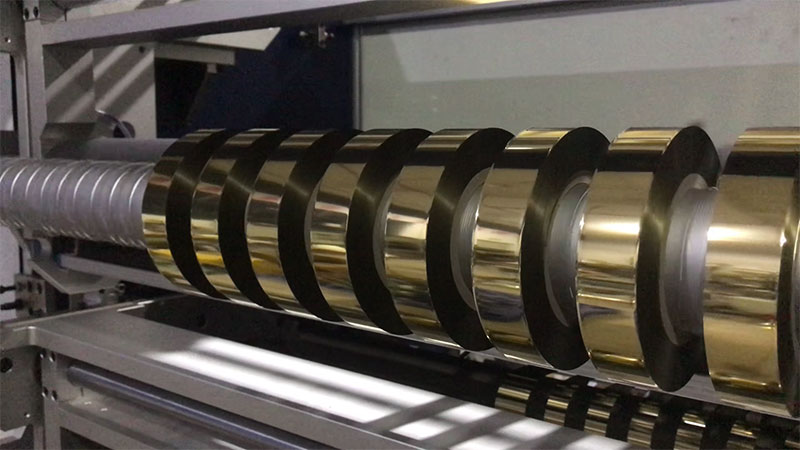 Hot Stamping Foil Slitting Machine Selection Guide: Tension Control Is Key
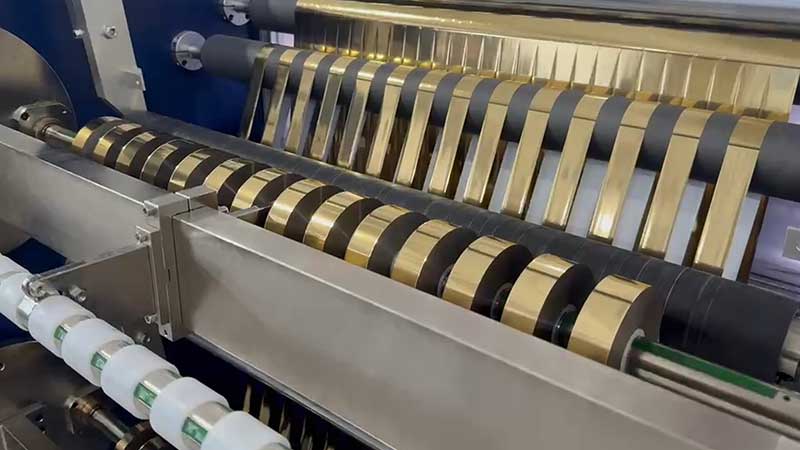 How to choose a hot stamping foil slitting machine? Let's first look at these three parameters
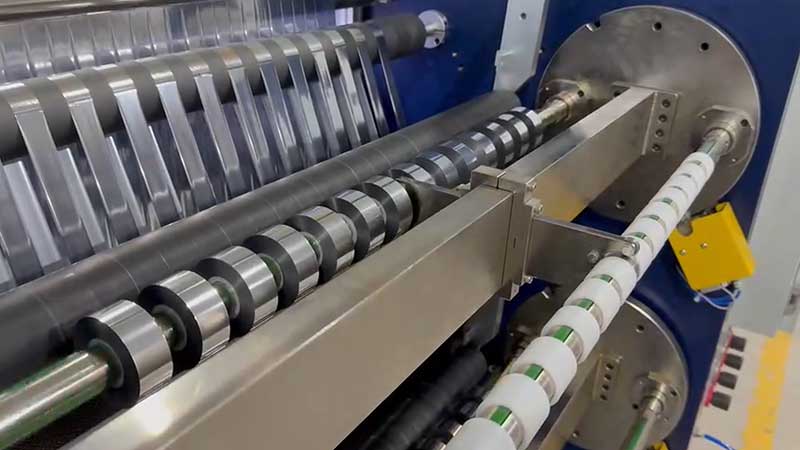 Selection of hot stamping foil slitting machines: how to match width and speedSelecting a hot stamping foil slitting machine: how to match width and speedHot Stamping Foil Slitting Machine Selection Guide (2026 Edition)


 English
 Deutsch
 Français
 Español
 Português
 日本語
日本語 русский
 한국어
한국어 عربي
عربي ภาษาไทย
 Tiếng Việt
 Italiano
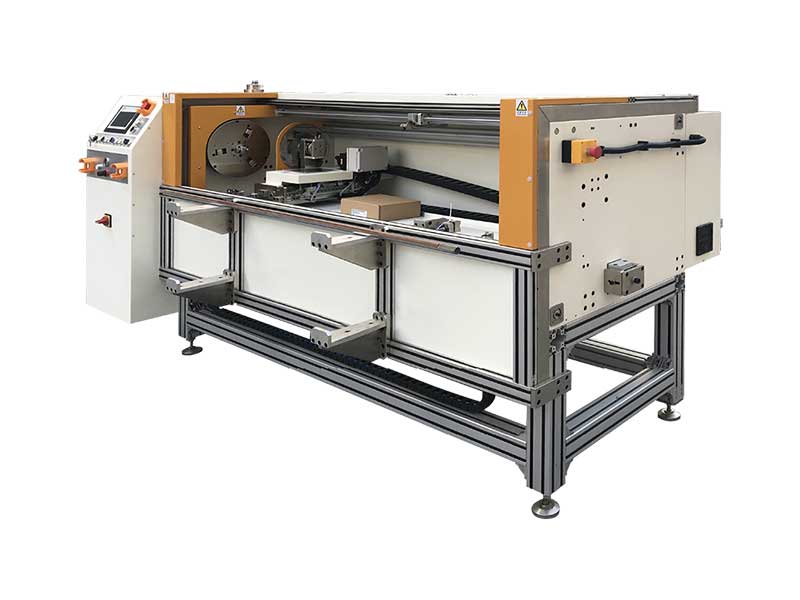 Automatic Foil Roll Cutting Machine
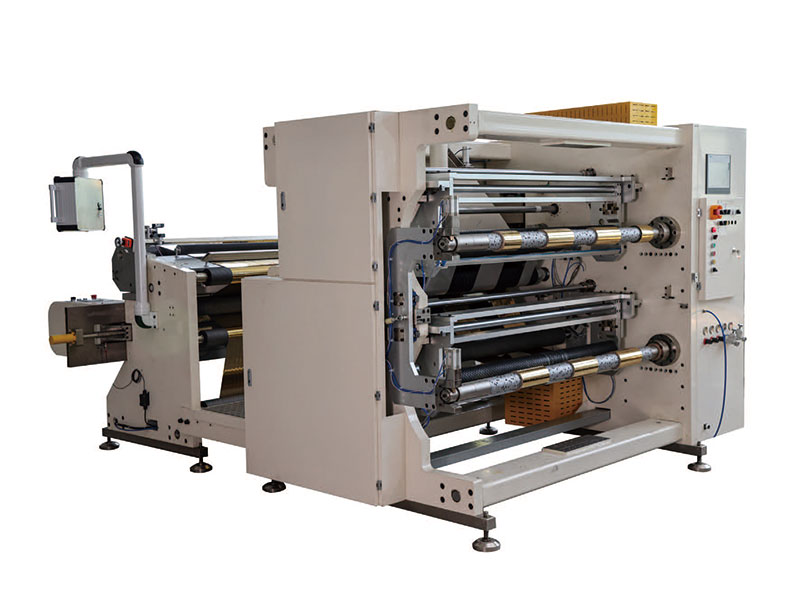 1400mm Hot Stamping Foil Slitting Machine
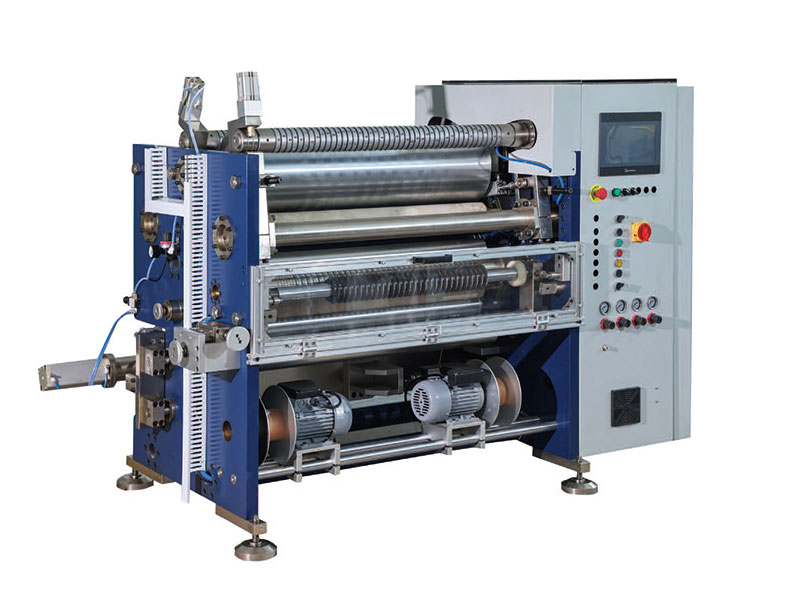 800mm Hot Stamping Foil Slitting Machine
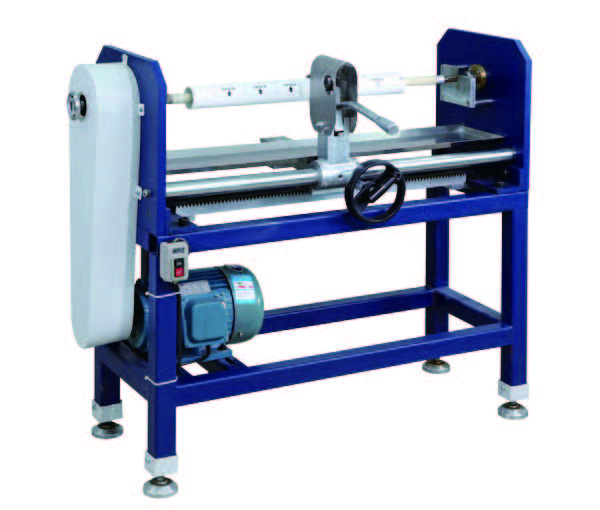 Manual Foil Roll Cutting Machine