
In the PET film processing industry, the slitting machine is a key device connecting production and delivery—if chosen correctly, production efficiency is high, loss is low, and finished product yield is stable; If you choose the wrong one, film breakage, wrinkles, and dimensional misalignment come one after another. The production department is full of complaints, and the purchasing department is left speechless. As film applications extend into high value-added fields such as optical films, lithium battery separators, and ultra-thin capacitor films, the threshold for selecting slitting machines is getting higher. This article systematically reviews the key points for selecting a PET film slitting machine, covering core parameters, common misconceptions, and practical validation.
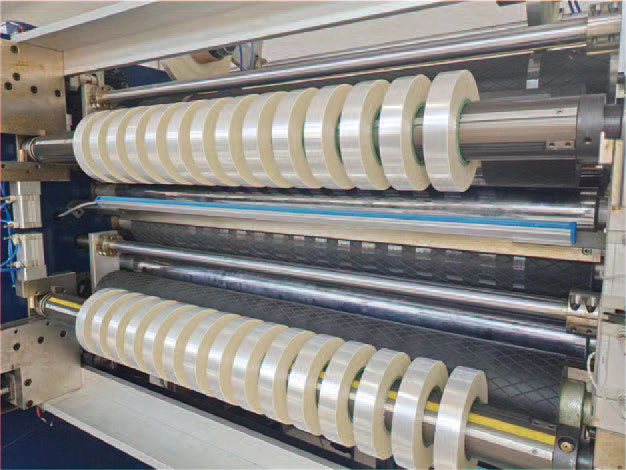
1. Self-diagnosis before selection: Start from material characteristics
Before choosing equipment, you must first clarify your processing conditions. The requirements for slitting machines vary greatly depending on the PET film used in different applications:
• Thickness range: Standard packaging film (12-75μm), optical film (50-250μm), or thick film/sheet (>250μm)? The thinner the thickness, the higher the requirements for tension control and unwinding accuracy; The thicker the thickness, the higher the requirements for blade lifespan and spindle rigidity.
• Width and roll diameter: Is the main roll width 1.6 meters, 2.2 meters, or above 5 meters? Is the maximum winding diameter 400mm or 800mm? This directly determines the basic specifications of the equipment.
• Sensitivity: Is it a high value-added optical grade PET (requiring no scratches, no white spots, no crystalline dots)? Is it a coating film (requiring no adhesion or indentation on the slitting end face)?
PET film typically has higher hardness and stiffness, and a higher modulus compared to BOPP film, which requires equipment to have stronger traction and more precise tension control; At the same time, films with high surface value are extremely sensitive to dust and scratches during slitting. The core logic for selection can be summarized as: during high-speed operation, achieve the most precise cutting with the gentlest tension.
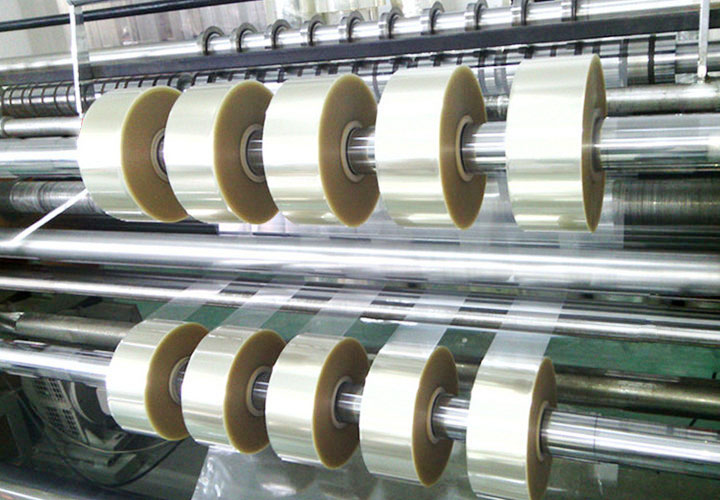
2. Five Core Parameters: The Secrets Behind Each Number
1. Slitting width: Be wary of the gap between "maximum" and "effective."
The "maximum machine width" and "effective slitting width" of the equipment are two different things; the latter is the actual usable range. If you focus only on the former and ignore the latter, the large master roll may not be effective at all.
Pitfall Advice: The effective slitting width should be at least 50-100mm larger than the main roll width to facilitate film penetration and adjustment; At the same time, the maximum width of the current main roll is confirmed, with room reserved for future expansion.
2. Tension Control System: The "Lifeline" of PET Film
Tension is the soul of the slitting process, but it is precisely the easiest to underestimate. PET film is highly rigid and sensitive to tension. Poor tension control can lead to uneven rolling, misaligned end layers, wrinkling, edge warping, and even stretching deformation. Optical-grade or thin PET (such as 12μm or smaller) is especially selective.
Three levels of tension control:
| Control type | Implementation methods | Applicable scenarios | Problem |
| Open-loop torque control | Output according to the set torque | Low-demand scenarios | Tension fluctuations caused by changes in roll diameter cannot be sensed |
| Magnetic particle brake control | Magnetic powder clutch | Low-speed scenarios | Low precision, slow response, and severe heat generation |
| Closed-loop servo tension control | Tension sensor + PLC real-time feedback | Mid-to-high-end equipment is standard | True constant tension guarantee, highest precision |
Pitfall tip: Don't accept vague claims like "tension control" and ask whether it's an open or closed loop, or if it comes with a physical tension sensor. At the same time, confirm that the tension control range covers all thickness ranges of your materials. During winding, as the diameter increases, the inner layer tension must decrease proportionally (taper control). An excellent taper algorithm ensures that the large roll core does not collapse and the outer layer is not scratched.
3. Blade type and tool holder rigidity: the foundation of cut quality
PET film slitting commonly uses circular blades, razors, or scissor blades. Incorrect blade shape can cause burrs, white edges, or incomplete cuts.
Selection Reference:
• Thin PET (≤50μm): Prefers razor type, with neat cuts and minimal dust
• Thick or hard PET (>100μm): Recommended round cutter shear type, offering strong cutting force and durability
• Optical grade or thick film: Prioritize imported pneumatic circular blades, with high initial investment but yield returns far exceeding the price difference
The tool holder is the hidden core: insufficient rigidity leads to rough edges, powder shedding, and a sharp reduction in blade life. Inferior tool holders are difficult to adjust, easily loosen after locking, and have poor slitting bar width and accuracy. When purchasing, try shaking the knife holder on the display machine with your hand to feel its rigidity—if it feels obviously loose, discard it immediately.
4. Winding Quality: The final presentation of the finished roll
The winding method directly affects the neatness of the finished roll's end face and storage stability. Common methods include center winding (driven by the shaft core) and "center + surface" winding (adding contact pressure rollers). For PET films with large roll diameters or those prone to slipping, it is recommended to choose "center + surface" winding, using pressure rollers to expel air from the film layer and prevent loosening or end face misalignment.
The material of the pressure roller (rubber, PU, or overmolding hardness) and the corner design are equally crucial. When slitting ultra-thin PET, special air flow design is even required.
5. Running speed: Don't be blinded by the "highest."
Top speed is usually the "maximum value that can be run," but many quality issues actually occur during start-up, stop, and low-speed phases. Rather than focusing on top speed, it's better to focus on low-speed stability and acceleration/deceleration performance.
Speed reference:
• Conventional PET slitting: 200~400m/min meets most small to medium-scale production
• Mass processing: 500m/min or above can be considered, but requires stable winding and rewinding tension
• Require manufacturers to demonstrate slitting effects at different speeds on-site, especially during startup and shutdown sections
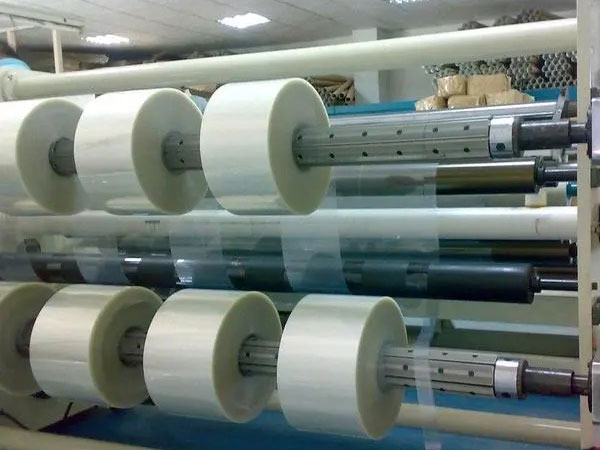
3. Four Common Misconceptions: Pitfalls on the Selection Path
Misconception 1: Blindly believing in "maximum width" and "maximum speed"
A larger number does not necessarily mean better. "Effective slitting width" and "stable production speed" are the truly valuable reference indicators.
Misconception 2: Taking "whether tension control exists" as the answer, ignoring "What tension control is it?"
Many suppliers say, "We have PLC constant tension control," but the implementation methods for open-loop, magnetic particles, and closed-loop servos are worlds apart. Ask for details, don't accept vague answers.
Misconception 3: Only knowing how to "choose blades," neglecting "tool holders" and "correction"
While inserts are important, the tool holder and the straightening system (EPC) that support the blade are the hidden core that determines long-term stability. Correction accuracy: Standard models ±0.2~0.5mm, high-end models can reach ±0.05mm or even higher. High value-added films must be selected for high precision.
Misconception 4: Neglecting dust removal and static removal configurations
PET film is a major hotspot for static electricity; static electricity not only causes rolling misalignment but also attracts dust, causing coating defects. Equipment must be equipped with active ion air rods; high-end models should include contact dust rollers or non-contact dust removal devices.
4. Three practical tips beyond picking the character
1. Trial cutting verification is the bottom line
Before placing an official order, provide your typical PET film for the manufacturer to trial cut, keep sample rolls and reports as proof of acceptance. Key observations: post-slitting film roll end face flatness, tension stability during winding (no chrysanthemum pattern), and edge burrs/crystal particle formation.
2. After-sales service is non-negotiable
The slitting machine requires regular debugging, tool changes, and calibration. Whether manufacturers can respond within 48 hours when you need it is extremely critical. Core components (except consumables) should enjoy a one-year warranty, and equipment should be serviced for lifetime.
3. Upgrade space and long-term costs
Focus on whether the device reserves IoT interfaces and whether modular design is adopted to facilitate future installation of inspection functions; At the same time, comparing energy consumption—energy-saving models can save 30% electricity through inverter + energy recovery systems.
Conclusion
Choosing a PET film slitting machine essentially means a comprehensive balance of five dimensions: "sufficient width, meeting precision standards, precise tension, solid blade holder, and reliable after-sales service." Different industries prioritize different demands: the flexible packaging industry focuses on speed and width, the electronic materials industry emphasizes precision and cleanroom environments, and the new energy film industry emphasizes low tension and anti-metal chip designs. Rather than being misled by the numbers on flyers, it's better to bring your own materials and try cutting them on-site—this is the only standard for testing equipment strength.
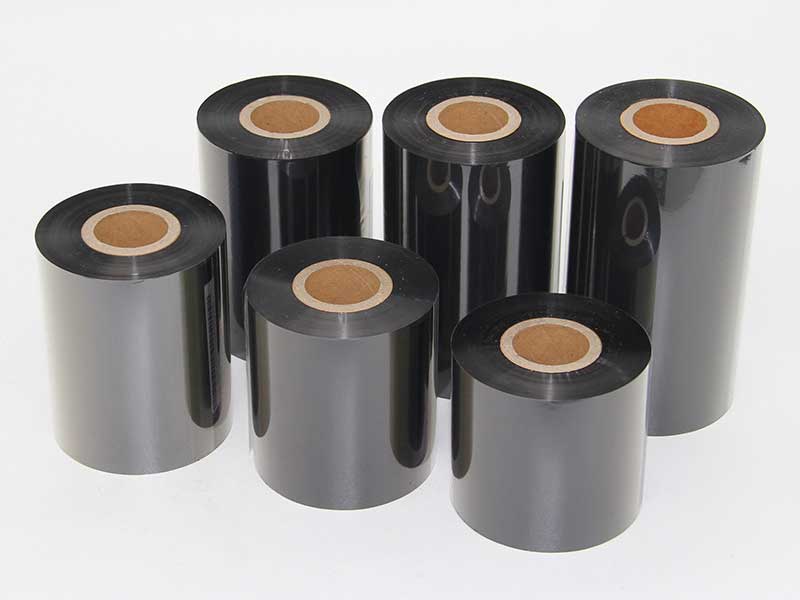 Considerations for selecting ribbon slitting machine equipment
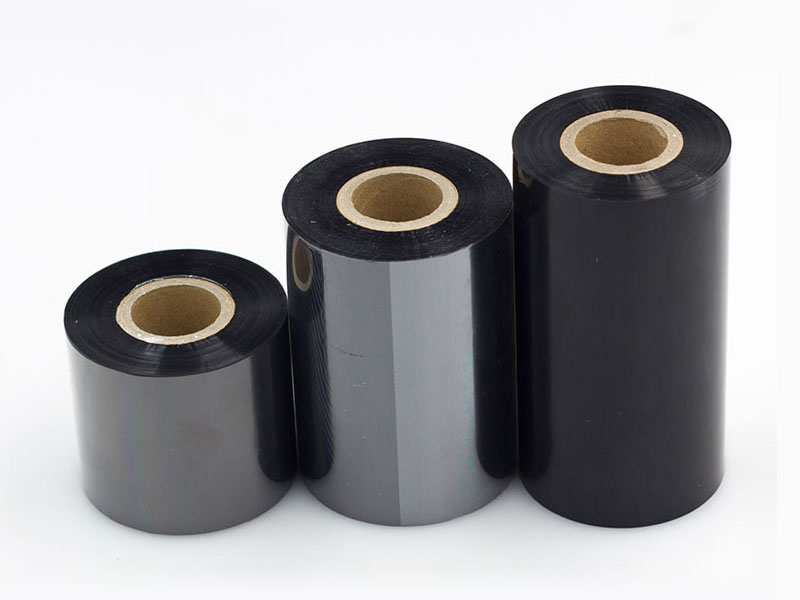 Core factors affecting the quality of ribbon slitting
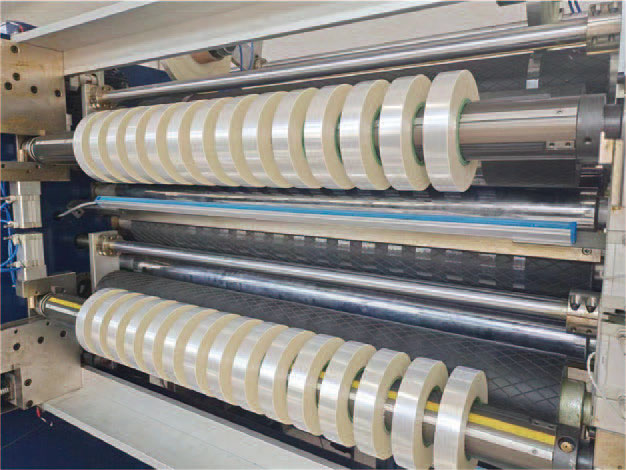 How to select a film slitting machine? The key is to look at these five points
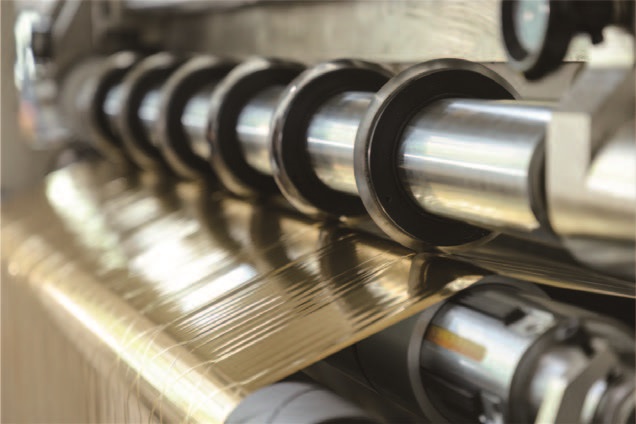 What is the difference between hot stamping foil slitting machines and ordinary film slitting machines?
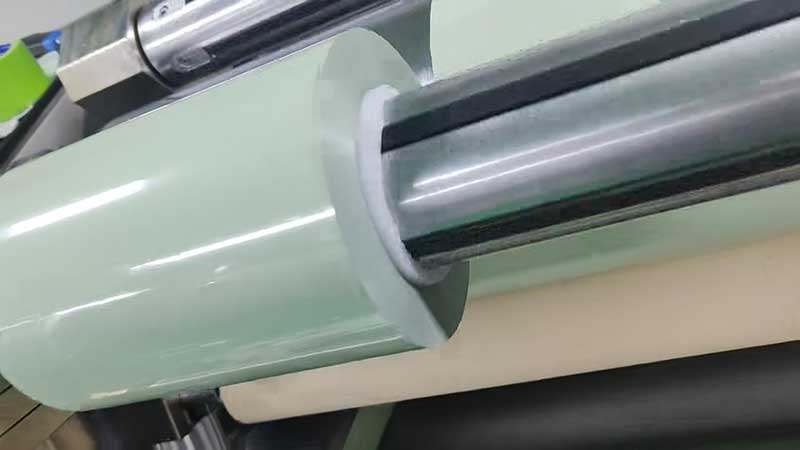 What should you do if the film slitting machine wrinkles? A comprehensive analysis from root causes to countermeasures


 English
 Deutsch
 Français
 Español
 Português
 日本語
日本語 русский
 한국어
한국어 عربي
عربي ภาษาไทย
 Tiếng Việt
 Italiano
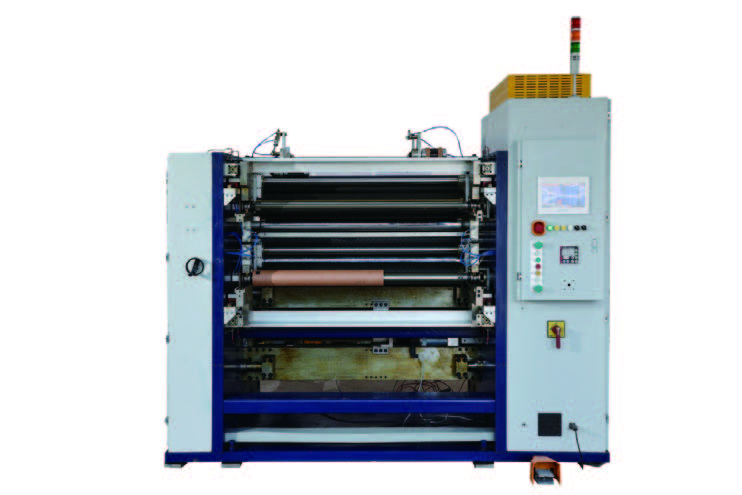 New Energy Ultra-thin Film Slitting Machine For Capacitive Film
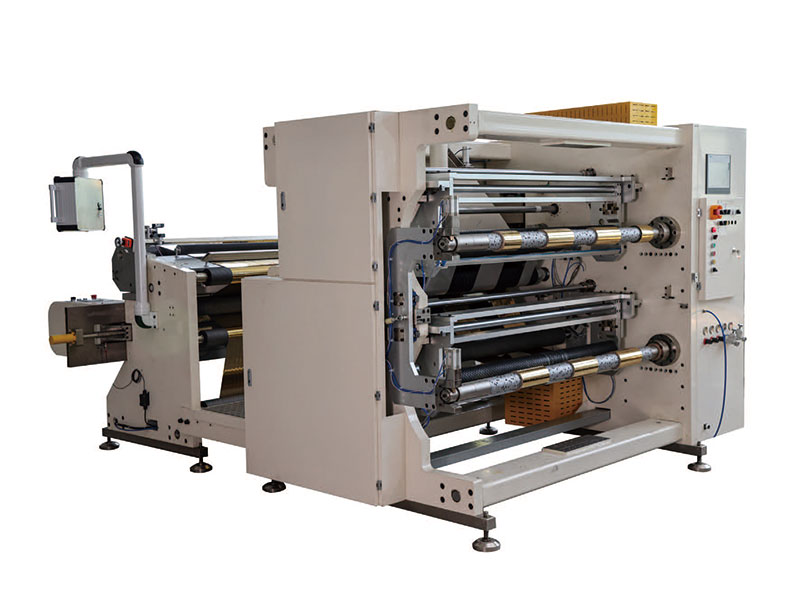 1400mm Hot Stamping Foil Slitting Machine
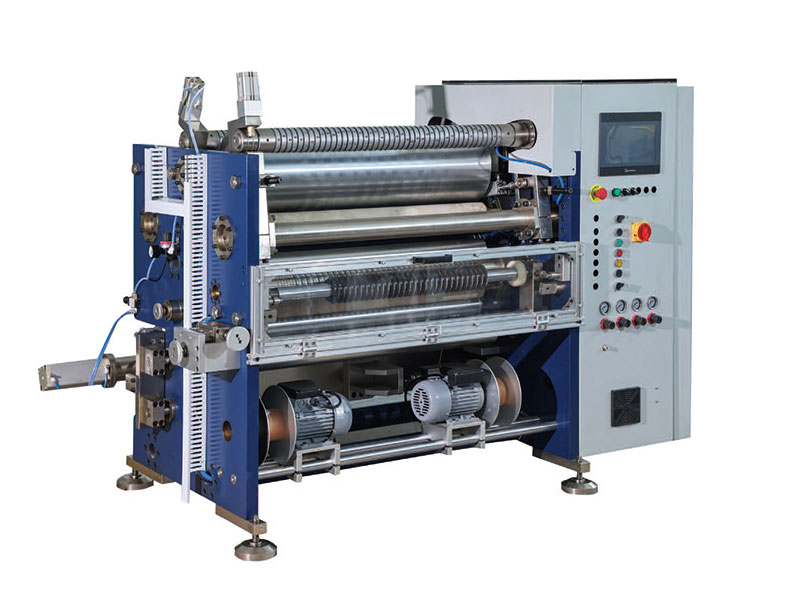 800mm Hot Stamping Foil Slitting Machine
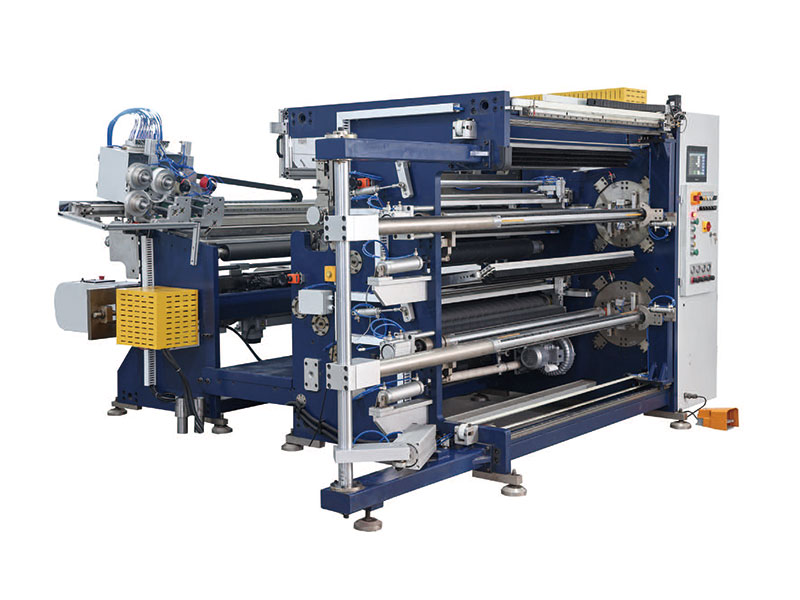 1350mm Hot Stamping Foil Slitting Machine