
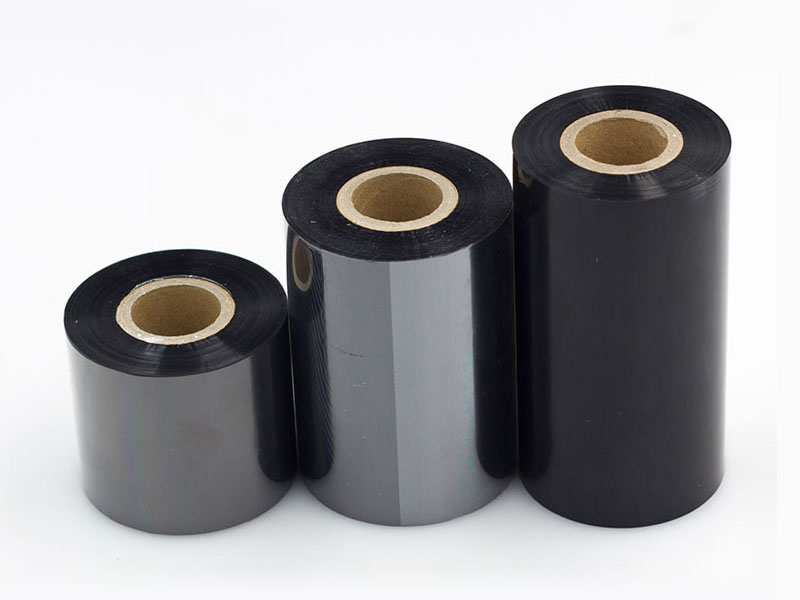
In the production cost of heat transfer ribbons, material costs often account for 60 to 70 percent of the production costs. Slitting, as a key step from master roll to finished product, seems simple but is actually a "hardest-hit area" for losses—trimming waste, machine adjustment trial cuts, and scrapping caused by improper tension, each silently eroding profits. Reducing material waste is not simply about "cutting a little," but a systematic engineering system that spans equipment, processes, operations, and management.
1. Plug Leaks at the Source: Find the Right 'Bleeding Points' of Waste
If you want to save on materials, you first need to know where all the material is wasted. Losses during ribbon slitting mainly concentrate in the following stages:
• Edge trimming scrap: To ensure the finished product width standard, both sides of the mother roll must be trimmed at the edges, which is structural loss but can be optimized in amplitude.
• Setup and trial cutting losses: Parameter adjustments and trial cutting verification during specification changes often consume tens or even dozens of meters of material.
• Start-stop and joint losses: Tension fluctuations during equipment start-stop stages can easily produce defective products, and improper handling of joints inside the busbar can also cause batch scrapping.
• Slitting quality issues: Issues caused by improper craftsmanship, such as burrs, mislayering, wrinkles, and stretch deformation, can result in product degradation at best and entire rolls being scrapped.
2. Tooling and trimming optimization: Making every millimeter fully utilized
1. Intelligent tool layout: calculate the "optimal solution"
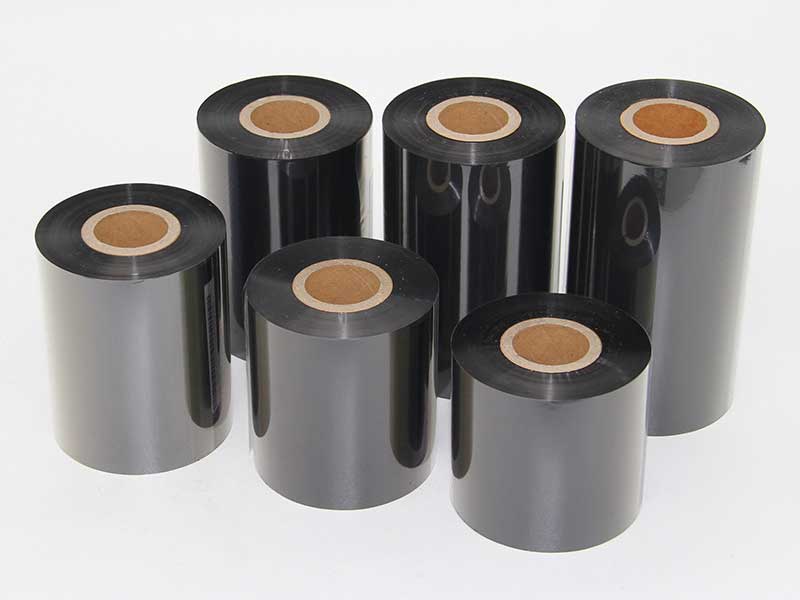
The combination of slitting widths directly determines material utilization. Traditional manual tool setting relies on experience and is prone to deviations. Modern slitting machines are equipped with intelligent blade layout algorithms that can automatically calculate the least wasteful slitting plan based on order requirements, and even use "nest cutting" technology to cut multiple product widths simultaneously from a single-width busbar, turning leftover materials into marketable finished products.
2. Precise edge trimming to push the ultimate width
The invalid area at the edge of the main roll is not a fixed value. Equipment equipped with dynamic edge cutting can automatically detect the effective width and control the trimming blade's cutting position in real time, compressing the trimming width within 2-3mm. Additionally, using ultra-thin inserts with a thickness of only 0.1mm and staggered arrangement tools can directly reduce material loss caused by tool gaps, with some solutions cutting edge waste by 30%-50%.
3. Careful and budget-friendly order changes to shorten the transition period
Order exchange operations are a major waste in daily life. By carefully pre-splicing (using butt rather than lap joints, with splicing tape width controlled within 5mm) and preset the shortest transition length (such as reducing the default 20 meters to 8 meters), a single change can save considerable material costs. A further solution is to use a tension-free receiving system to achieve non-stop coil changes, completely eliminating start-stop losses.
3. Squeezing out losses with precision: tension and tool management
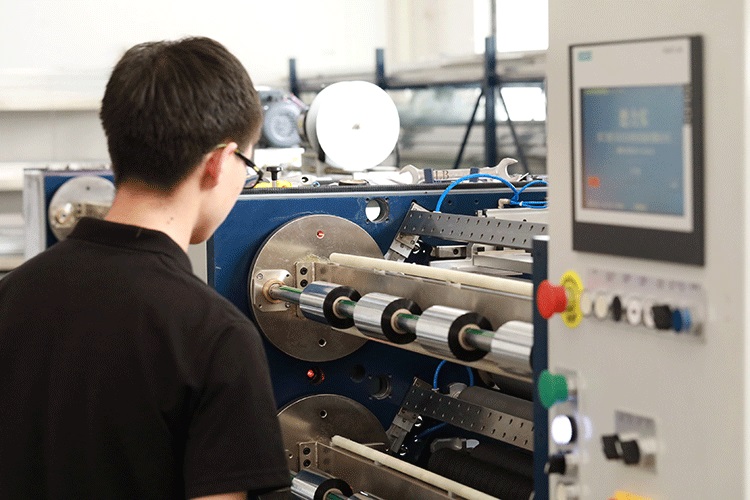
If slitting accuracy is insufficient, all material-saving measures are empty talk. The ribbon is made by combining PET substrate and a heat-sensitive coating, with a thickness of only 4-20μm, making it extremely sensitive to tension and tools.
1. Tension Control: The Invisible "Trader"
Unstable tension is the primary cause of ribbon stretching, deformation, wrinkles, and misalignment. The key to material savings lies in precise segmented control:
• Unwinding zone: Tension decreases as the roll diameter decreases, preventing material stretching.
• Slitting area: Maintain constant tension to ensure the cut is neat.
• Winding Zone: Uses a taper tension strategy—the larger the roll diameter, the lower the tension, preventing tight inside and loose outside or "daisy core" winding, ensuring every meter of finished product is flat and usable.
Using a closed-loop tension control system can compress volatility from ±10% to ±1%. At the same time, attention should be paid to tension differences among ribbon materials: wax-based materials are suitable for low tension (3-5N), mixed bases for medium tension (5-8N), and resin-based materials require higher tension (8-12N).
2. Tool Management: Good knives produce great work
Blunt blades cause squeeze cutting rather than shear cutting, leading to burrs and stringing, turning the entire roll material into waste. The key to material savings lies in refined tool management:
• Regular sharpening: Establishing a blade sharpening system is much less expensive than replacing new blades and can extend lifespan by 3-5 times.
• Micron-level assembly: Ensure the overlap between upper and lower blades is controlled at 0.01-0.03mm, avoiding tearing or burrs caused by improper clearance.
4. Processes and Operations: Integration and Standardization
1. Integrated processes reduce handling losses
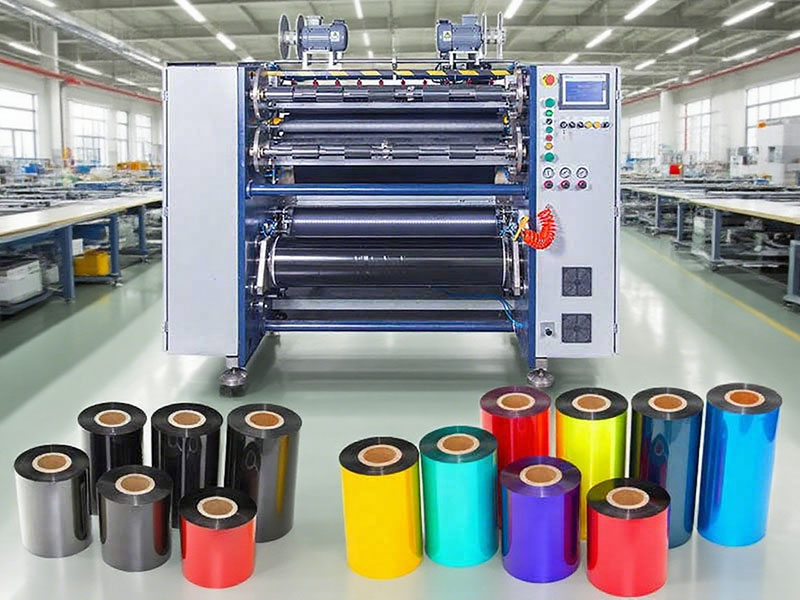
Traditional decentralized processes (slitting, inspection, and packaging independently) require multiple handlings, increasing the risk of scratches and connection time. The integrated slitting machine integrates multiple processes, reducing material loss from 5.2% to 4.1% while improving production efficiency by 35%.
2. Data recording and skill improvement
Establish a ledger for order exchange waste, record the length of scrap products per order, and use data analysis to identify the order types with the highest waste and optimize accordingly. At the same time, operator proficiency directly affects waste; regularly organizing order-change skill competitions and standardized training is a soft investment with direct returns.
Conclusion
The waste reduction and efficiency improvement of ribbon slitting machines represent an evolution from "rough cutting" to "lean slitting." By compressing edge seams with intelligent tool arrangement, stabilizing quality with closed-loop tension, improving precision with micrometer tools, and standardized operations to reduce trial and error, the company can not only reduce the defect rate from the traditional 3%-5% to below 0.5%, but also block every unnecessary loss at the source, building true cost competitiveness in the era of thin profits.
Fully automatic ribbon slitting machine: high precision and low loss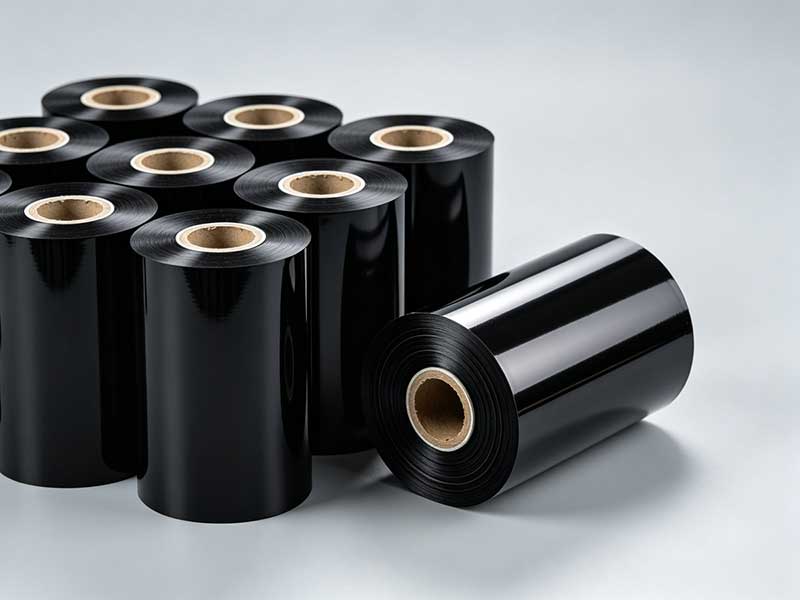 Fully automatic ribbon slitting machine: efficient, stable, and labor-saving
 How to choose a color ribbon slitting machine? Three core parameters to understandDetailed explanation of the meter-counting shutdown function of the ribbon slitting machineIntroduction to the automatic offset correction function of the ribbon slitting machine


 English
 Deutsch
 Français
 Español
 Português
 日本語
日本語 русский
 한국어
한국어 عربي
عربي ภาษาไทย
 Tiếng Việt
 Italiano
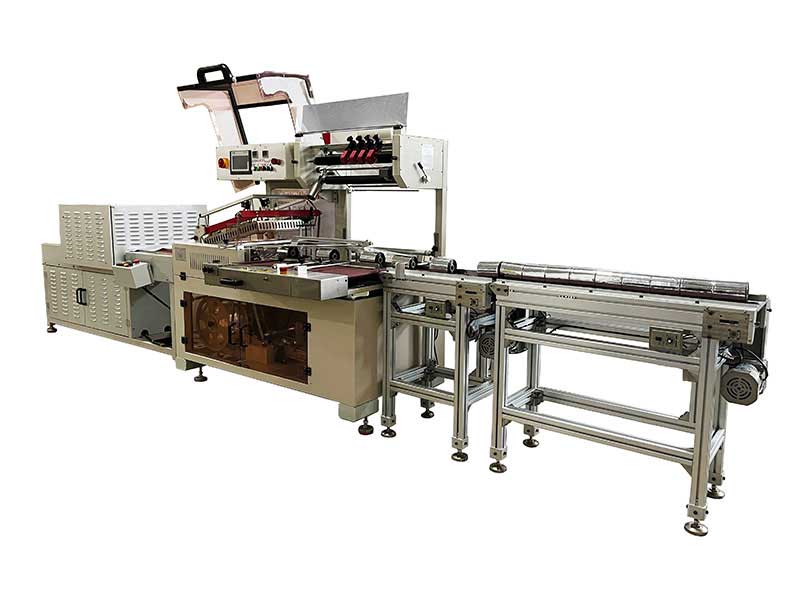 Thermal Transfer Ribbons Packaging Machine
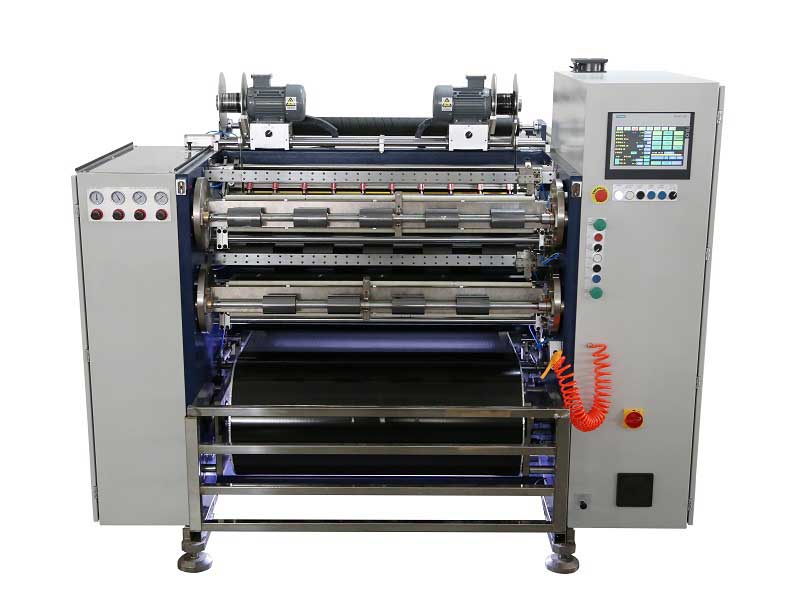 Automatic Thermal Transfer Ribbon Slitting Machine RSDS8 H PLUS
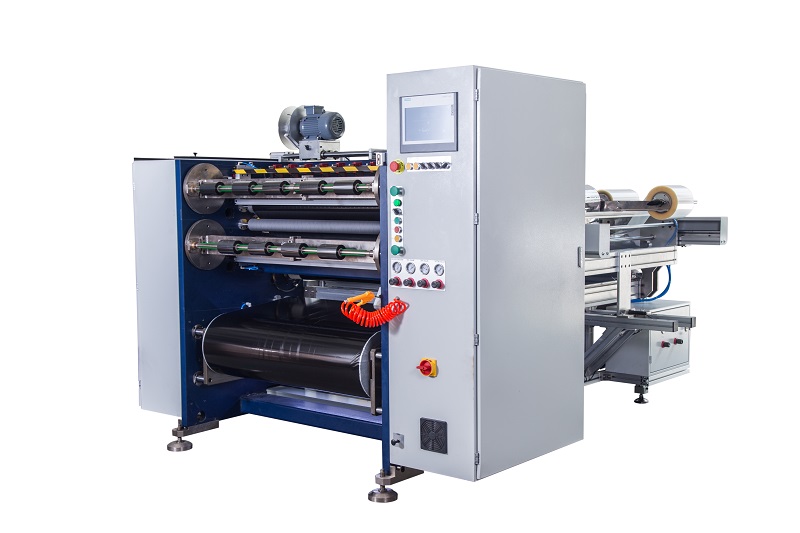 Semi Automatic Thermal Transfer Ribbon Slitting Machine RSDS5 PLUS
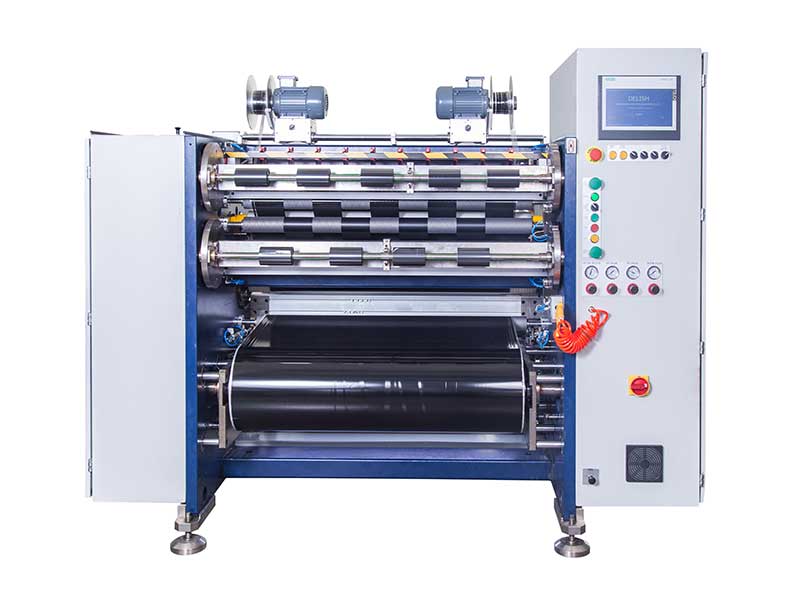 TTR Slitting Machine