
In the field of thermal transfer printing, ribbon slitting machines are key processing equipment connecting ribbon manufacturers and end users. Its core task is to precisely slice the ribbons of wide, large rolls into small roll sizes suitable for various barcode printers. However, not all ribbons are suitable for the same slitting process. The coating formula, base film characteristics, and physical specifications of the ribbon directly affect the suitability and yield of the slitting machine.
Core adaptation of slitting machines: three basic ribbon types
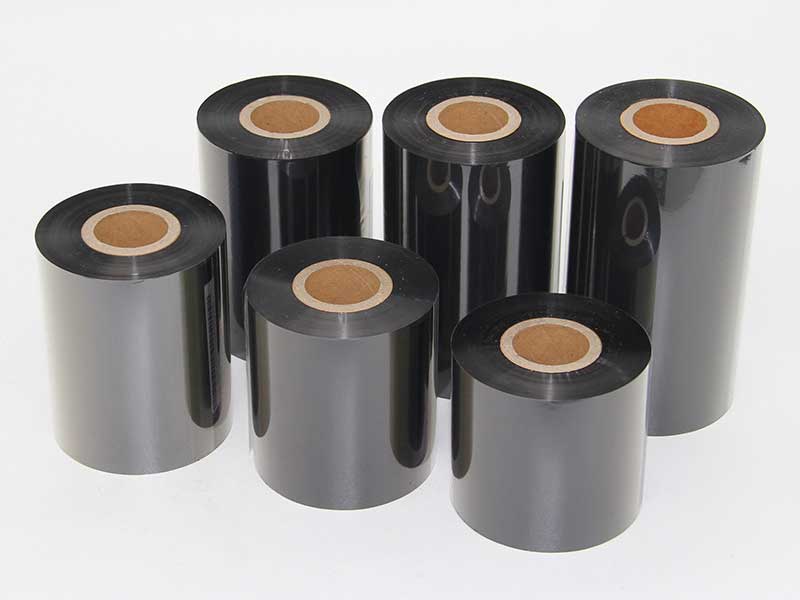
Barcode ribbons are mainly divided into three types based on coating formulation: wax-based, blended, and resin-based, which are the mainstream materials that slitting machines need to process.
Wax-based ribbons are the most widely used type on the market, accounting for about 70% of the market share. It uses wax and carbon black as the main coating materials, is cost-effective and highly sensitive, suitable for non-coated paper labels such as ordinary coated paper and coarse paper. For slitting machines, wax-based ribbon coatings are relatively soft, so tension control during slitting is necessary to avoid coating peeling or uneven edges.
The hybrid ribbon (half wax, half resin) balances printing effect and durability. The coating mixes wax and resin in a certain ratio, allowing for high-speed printing while providing good scratch resistance and chemical corrosion resistance. Mixed-base carbon ribbons have a wider range of applications, including coated paper, synthetic paper, and some PET/PVC film materials. When slitting such ribbons, the slitting machine needs a more precise tension adjustment system, because the coating hardness lies between wax-based and resin-based, allowing relatively narrow tolerance for slitting parameters.
Resin-based ribbons represent the highest level of durability performance among ribbons. Due to the high molecular weight and strong stability of the resin, resin-based ribbons excel in scratch resistance, high-temperature resistance, and chemical corrosion protection. It is mainly used for non-paper labels such as PET, PVC, synthetic paper, and washable labels, with heat resistance up to 180°C. Resin-based ribbon coatings are the hardest and most brittle, requiring the highest sharpness and tension stability during slitting. Even slight carelessness can cause coating chipping or base film wrinkling.
Considerations for special types of adaptation
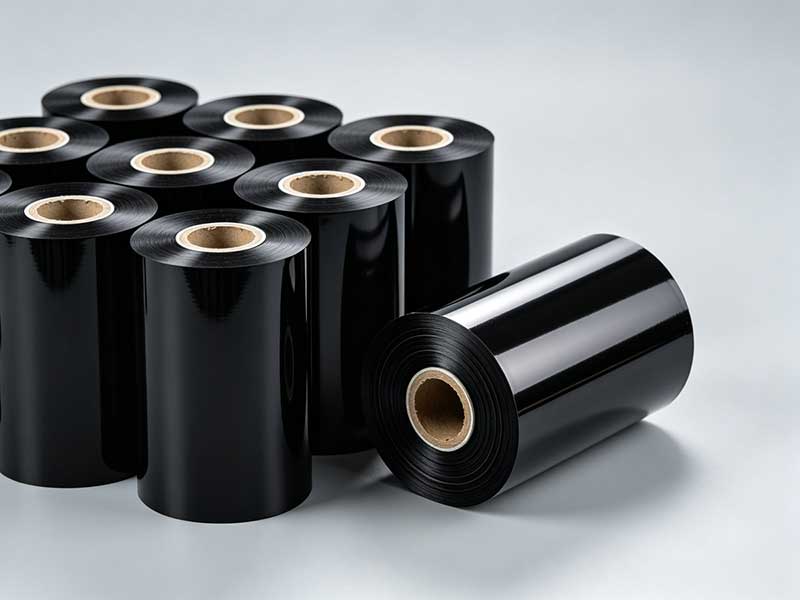
In addition to the three basic types, slitting machines also need to handle some special carbon ribbons.
Washable fabric ribbons belong to a resin-based subcategory, specifically designed for textile washable label printing. It must withstand detergents, dry cleaning, and ironing at 150°C, with a special coating formula. When slitting such ribbons, ensure smooth edges; otherwise, edge burrs may cause print head wear or image defects during subsequent printing.
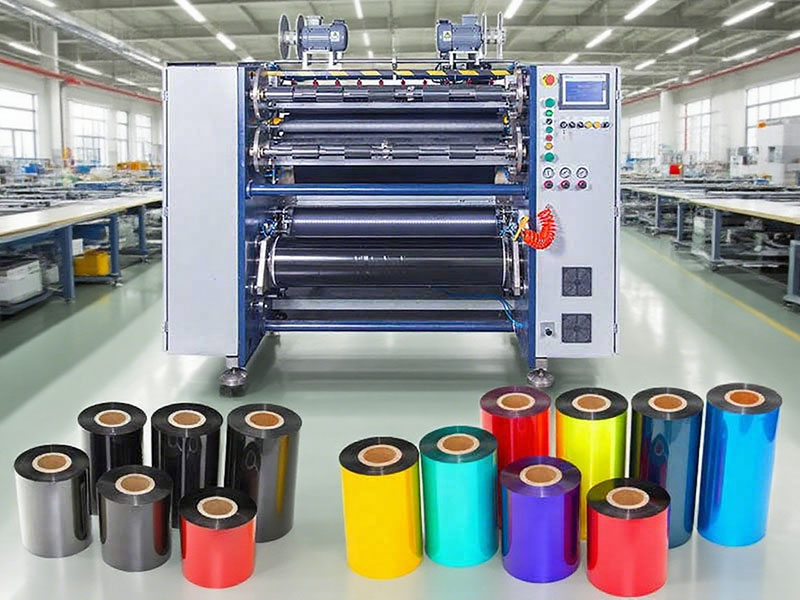
In recent years, the demand for colored ribbons has grown significantly, with colors including red, blue, green, white, gold, and silver. The coating pigment system of colored ribbons differs from those of black ribbons; some pigment particles are harder and cause greater wear on the tool during slitting. The slitting machine needs to have the flexibility to handle multiple batches and multi-color ribbons, while avoiding cross-contamination between batches of different colors.
Near Edge ribbons are high-performance ribbons used in conjunction with edge-press printers. Their coating release characteristics differ from flat-press ribbons and require more stringent slitting accuracy. Edge press printing itself aims for higher resolution and more ribbon savings. If the ribbon edges are slightly uneven after slitting, they will be enlarged during edge press printing.
In terms of physical specifications, slitting machines typically support widths from 10mm to 150mm, are compatible with 1-inch and half-inch core sizes, and can cut lengths from 60m to 600m.
Key determinants of slitting fit
Whether ribbons can be smoothly cut depends on the compatibility of the coating formula with the characteristics of the base film. Carbon ribbons typically consist of an ink layer, release layer, base film, and backing coating, with the base film often selected as a 4.5μm thick polyester film. Different types of carbon ribbons have varying softening points and adhesion characteristics, and mechanical stress during slitting may cause microcracks or delamination in the coating. Resin-based ribbons have brittle coatings and usually require a certain reduction in slitting speed, whereas wax-based ribbons can accommodate higher slitting efficiency.
Another overlooked adaptation factor is the storage environment after slitting. Ribbons are sensitive to temperature and humidity; recommended environments are 5°C-35°C and relative humidity 45%-85%. If the slitted ribbon is not stored properly, the resin-based ribbon may absorb moisture and cause the coating performance to deteriorate, while the wax-based ribbon may become soft and sticky.
Conclusion
The applicability of a ribbon slitting machine for barcode printers essentially depends on understanding the ribbon coating properties and matching tension control and tool management. Wax-based ribbons pursue efficiency, blend-based ribbons emphasize balance, and resin-based ribbons test precision. For ribbon processors, clarifying the capability boundaries of slitting machines and the correspondence between ribbon types is fundamental to ensuring yield and printing quality. As niche scenarios such as washable labels, color labels, and high-temperature resistant labels expand, slitting equipment also needs to continuously improve its flexible adaptability to special ribbons.
Core functions of the ribbon slitting machine for barcode printers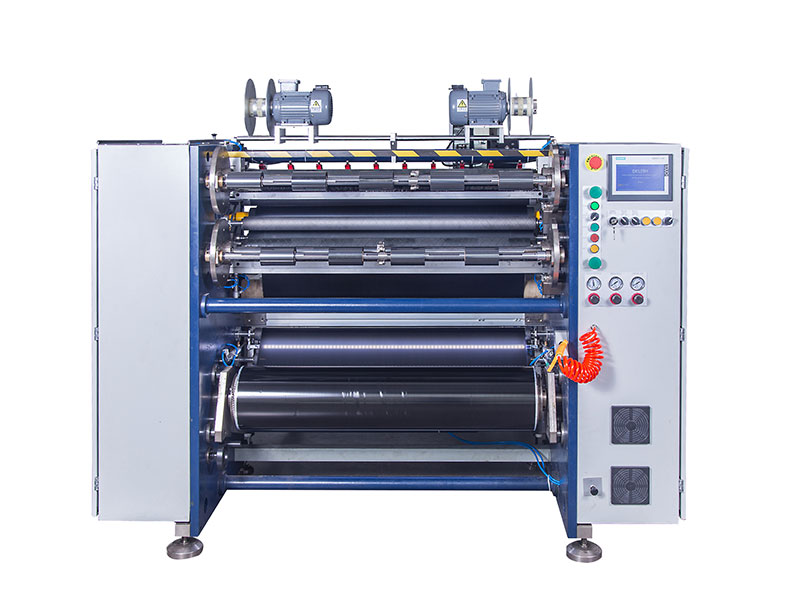 How to choose a ribbon slitting machine for a barcode printer?Causes of uneven end faces in ribbon slitting machinesHow to solve wrinkled winding in ribbon slitting machinesRibbon slitting machine selection: wax-based, mixed-based, or resin-based


 English
 Deutsch
 Français
 Español
 Português
 日本語
日本語 русский
 한국어
한국어 عربي
عربي ภาษาไทย
 Tiếng Việt
 Italiano
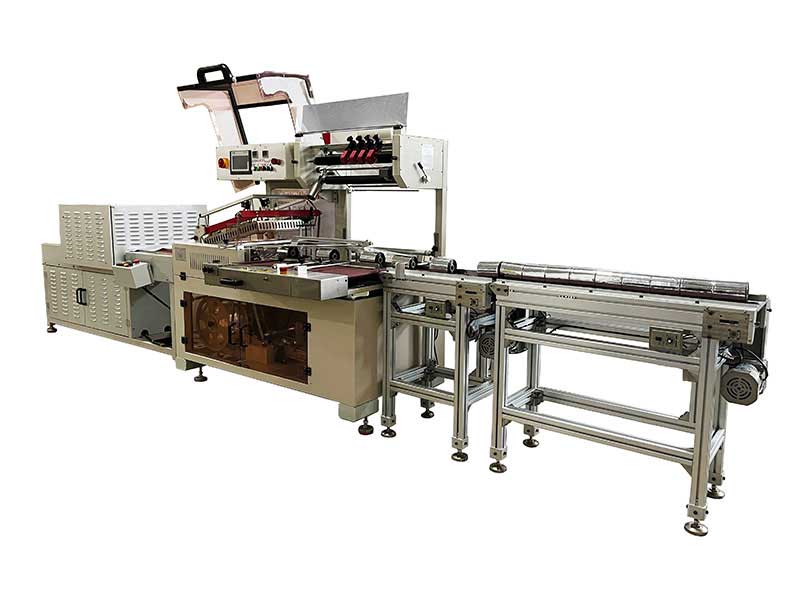 Thermal Transfer Ribbons Packaging Machine
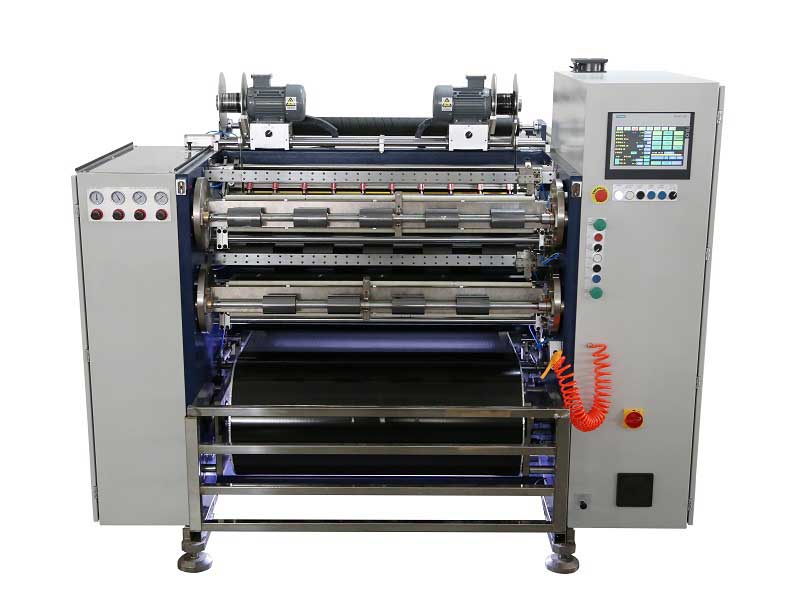 Automatic Thermal Transfer Ribbon Slitting Machine RSDS8 H PLUS
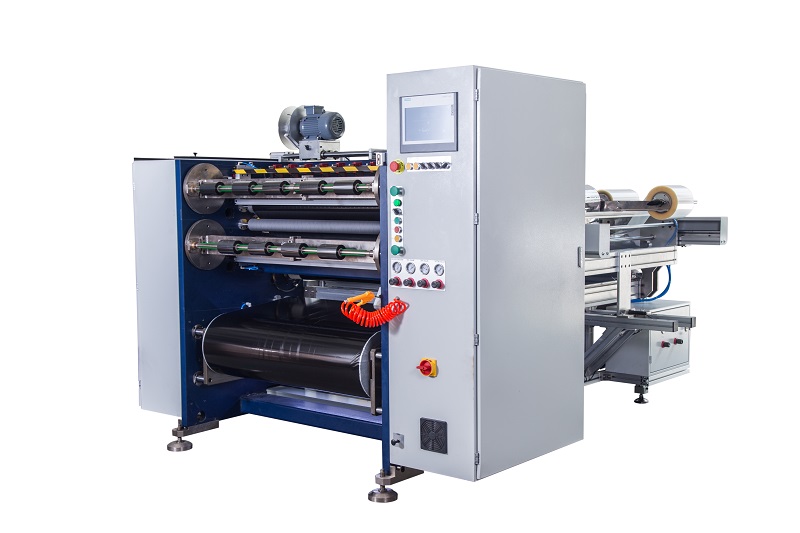 Semi Automatic Thermal Transfer Ribbon Slitting Machine RSDS5 PLUS
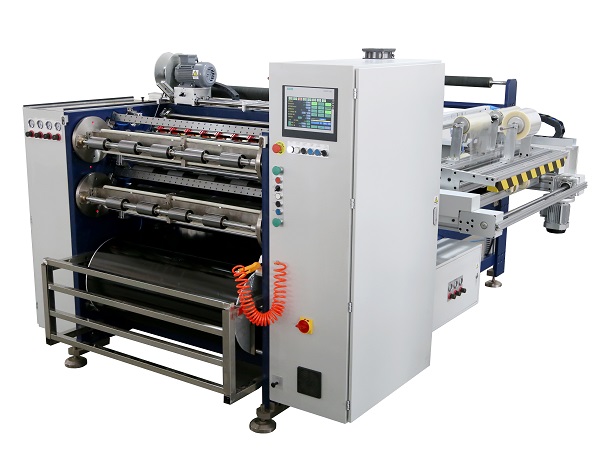 Automatic Thermal Transfer Ribbon Slitting Machine RSDS8 PLUS