
As an ultra-thin composite material, carbon ribbons consist of a polyester base film and an ink layer coated on top, with an overall thickness often ranging from a few microns to over ten microns. This "as thin as a cicada's wing" physical property makes it extremely sensitive to tension during slitting and rewinding—even slight fluctuations in tension can cause irreversible stretching, deformation, or wrinkle and deviation. For this reason, constant tension control has become the core technology of ribbon slitting machines, with advantages reflected in product quality, production efficiency, and operational experience.
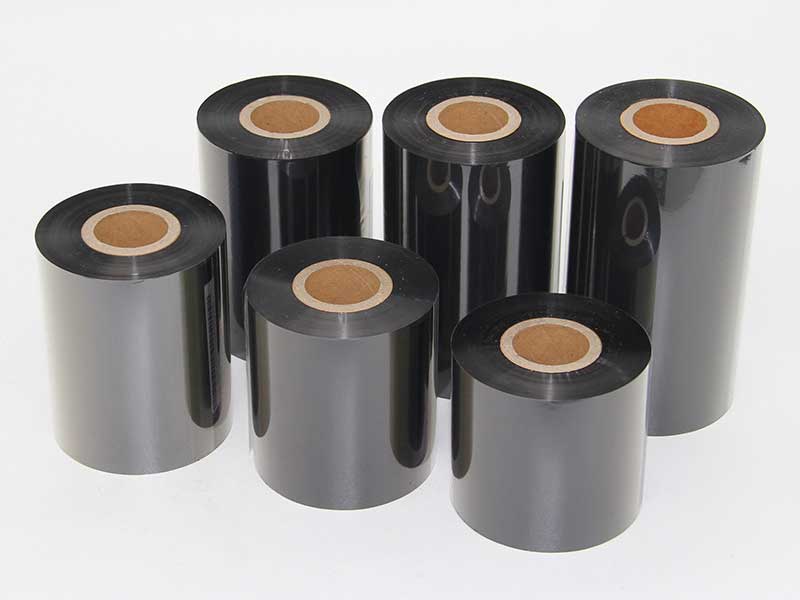
Stabilize slitting quality and curb waste generation at the source
The most common quality defects in ribbon slitting—wrinkles, misalignment, and broken ribbons—are almost all directly related to uncontrolled tension. When tension is too high, the PET base film is stretched and deformed, causing microcracks in the ink layer adhering to it, ultimately resulting in white lines, uneven density, or even ink breakage during printing; If the tension is too low, the ribbon cannot maintain a stable trajectory at high speeds, making it prone to deviation, wrinkling, and uneven slitting edges. The significance of constant tension control lies in compressing tension fluctuations to a minimal range, keeping the ribbon under "just right" tension throughout the slitting process. Data shows that after closed-loop constant tension control, tension fluctuations can be reduced from 15% in open-loop systems to within ±3% in ±, wrinkle scrapping drops by about 70%, and the number of band breaks per roll drops from an average of 3 times to 0.2 times.
Adapts to roll diameter variations to ensure consistency across the entire roll
During slitting, the ribbon diameter on the spinning reel continuously changes from large to small. Under traditional open-loop or manual tension control, even if the operator adjusts the tension at startup, the actual tension naturally increases as the unwinding diameter decreases—by the later slitting stage, the tension may already far exceed the safe range. Constant tension control dynamically adjusts the winding and unwinding torque by detecting tension in real time or automatically calculating the coil diameter, ensuring the ribbon maintains the same tension from full to empty coil. This dynamic adjustment capability is key to ensuring consistent quality from the inside out of the same ribbon. As the goal pursued by slip shaft technology: to ensure that multiple rolls on the shaft are always evenly, neatly, and under constant tension from the core to the outer layer.
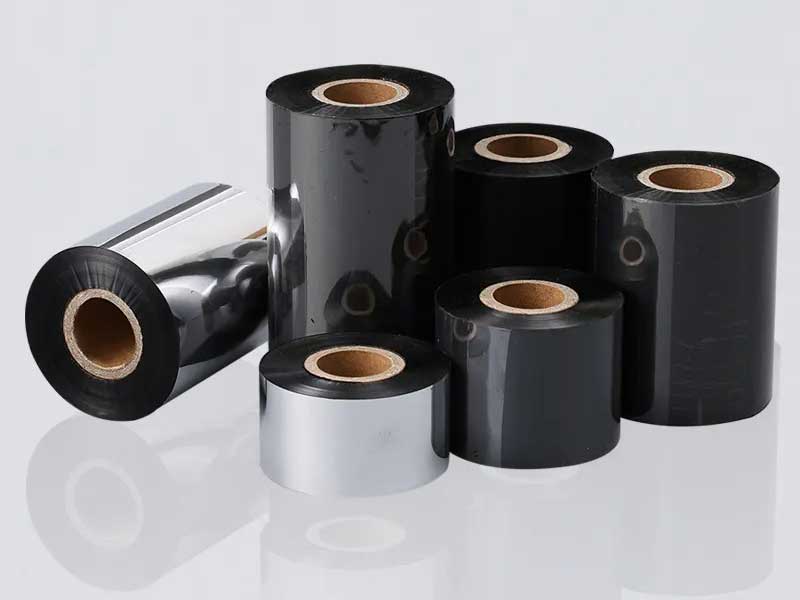
Protect the base film and maintain the core functions of the ribbon
The value of carbon ribbons lies in their stable transfer performance, which heavily depends on the integrity of the base film. The longitudinal stretching of ribbons is irreversible—once the base film is stretched, the entire roll becomes defective, resulting in inaccurate printing positioning and image distortion. These hidden dangers are extremely difficult to detect during finished product inspection and often only become apparent when used on the user side. Constant tension control prevents overstretching from the source. At the same time, stable tension ensures that the ribbon edges remain parallel to the die after rewinding, ensuring even stress on the ribbon edges during printing and making it less likely to break.
Improves slitting speed and production efficiency
There is a direct positive correlation between tension control accuracy and slitting speed. The ribbon slitting speed has increased from the early 100m/min to 300m/min, supported by constant tension control technology that supports high-speed operation. At high speeds, inertial forces during acceleration and deceleration accumulate onto the ribbon. Without a compensation mechanism, the ribbon can be instantly stretched during startup and suddenly loosen during braking, making belt breakage almost inevitable. Modern constant tension control systems introduce acceleration feedforward compensation and inertia compensation to actively counteract inertial effects, making the ribbon almost invisible during high-speed slitting. Combined with multi-shaft synchronous drive, each winding reel maintains independently controllable tension during high-speed operation, achieving both efficiency and quality.
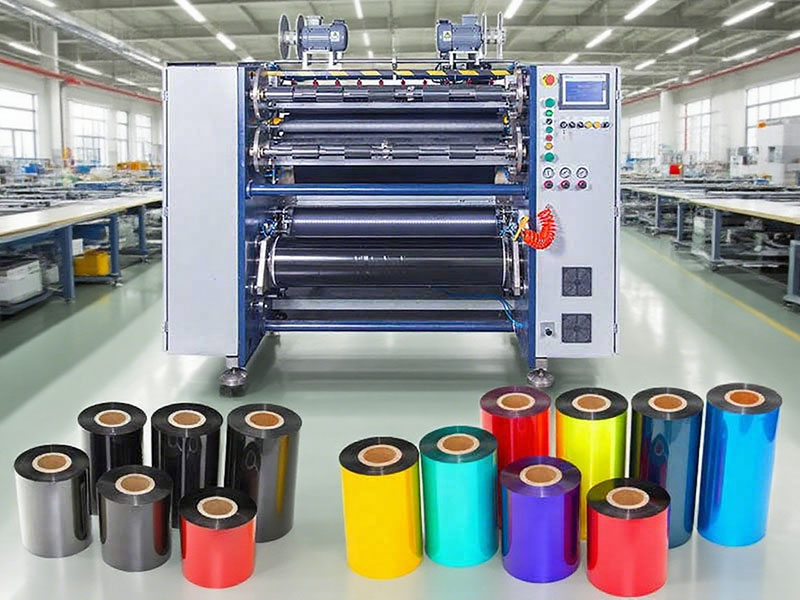
Lowering operational barriers and minimizing manual intervention
The tension adjustment of traditional ribbon slitting machines relies on the operator's experience—manually turning the knob of the magnetic powder clutch to judge tightness by feel. This "guess-based" operation not only demands high skill levels from personnel but also makes batch consistency difficult to guarantee. The constant tension control system automates this process: operators only need to select the corresponding product model, and the system automatically loads optimized tension curves and parameters, avoiding manual trial and error causing "first roll scrap." The closed-loop system also monitors the status of actuators in real time, issuing early warnings when hidden abnormalities such as magnetic powder clutch wear appear, turning post-event repairs into preventive maintenance.
Essentially, constant tension control in ribbon slitting is a mechanical balance achieved at the micron scale. The ribbons are too thin and sensitive to withstand intense fluctuations in tension. The value of constant tension control lies in replacing rough manual experience with precise closed-loop adjustment, allowing every meter of ribbon to complete slitting and rewinding under the same and just the right tension. When tension is precisely controlled, the transfer quality, slitting yield, and production efficiency of the ribbon are fundamentally guaranteed.
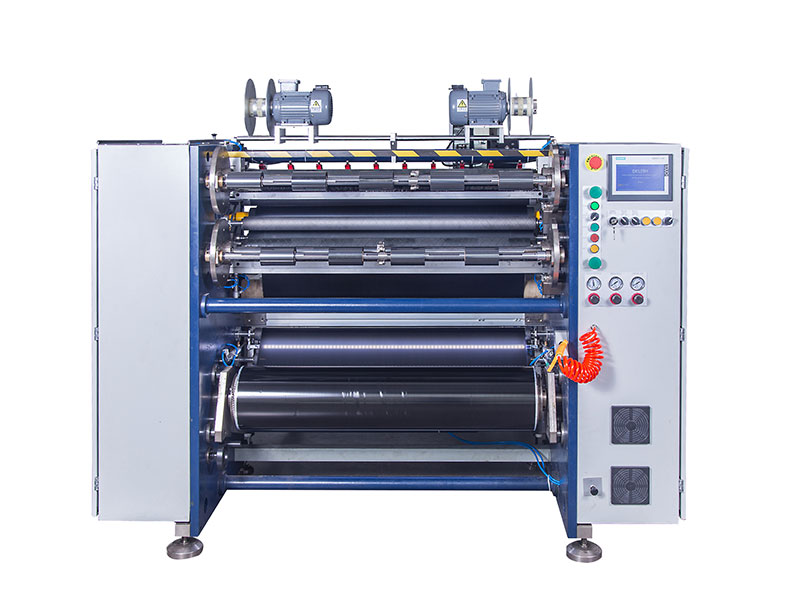 Key points for selecting ribbon slitting machines to reduce ribbon losses
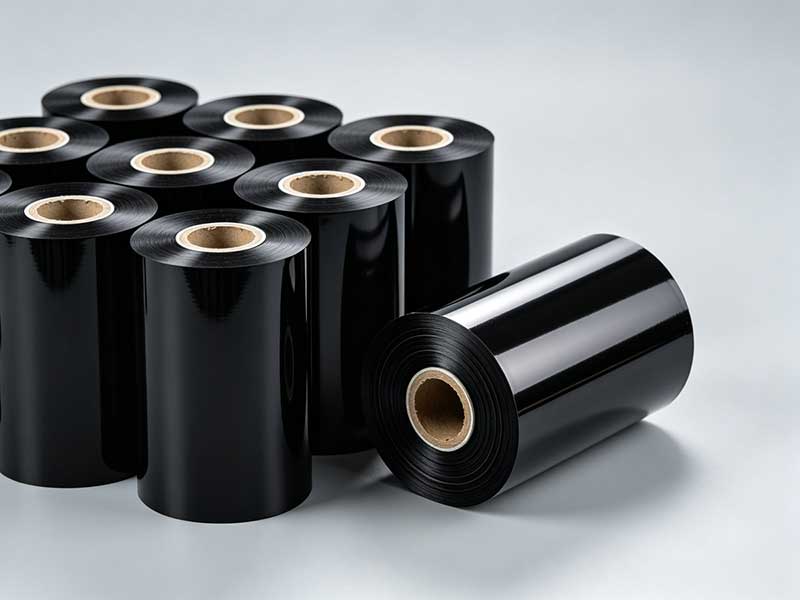 Ribbon slitting machine: high-precision slitting without burrsCan a barcode ribbon slitting machine cut and thermal transfer ribbons?What ribbon materials are suitable for the barcode ribbon slitting machine?
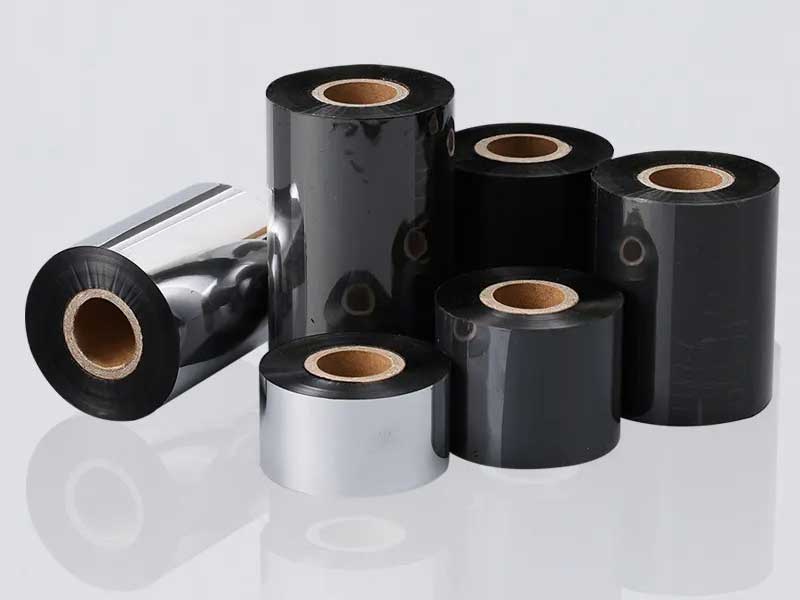 How to propose customized requirements for barcode ribbon slitting machines?


 English
 Deutsch
 Français
 Español
 Português
 日本語
日本語 русский
 한국어
한국어 عربي
عربي ภาษาไทย
 Tiếng Việt
 Italiano
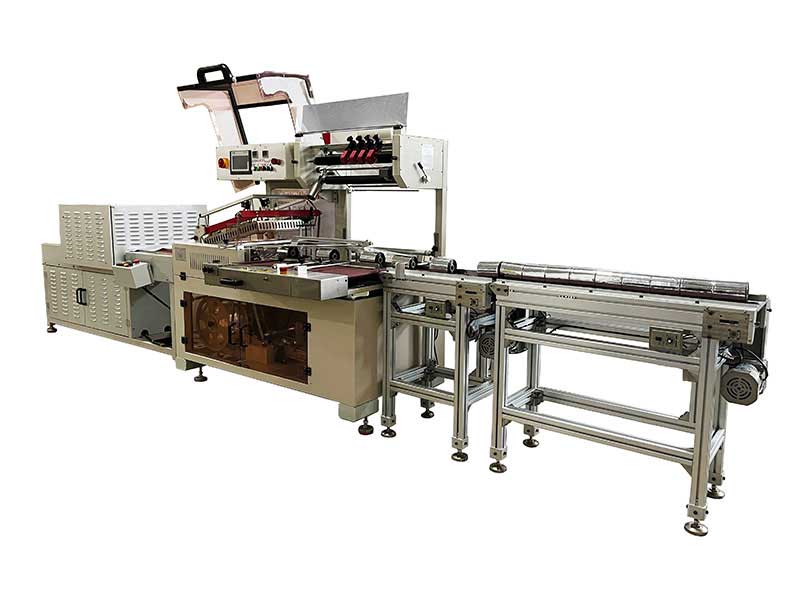 Thermal Transfer Ribbons Packaging Machine
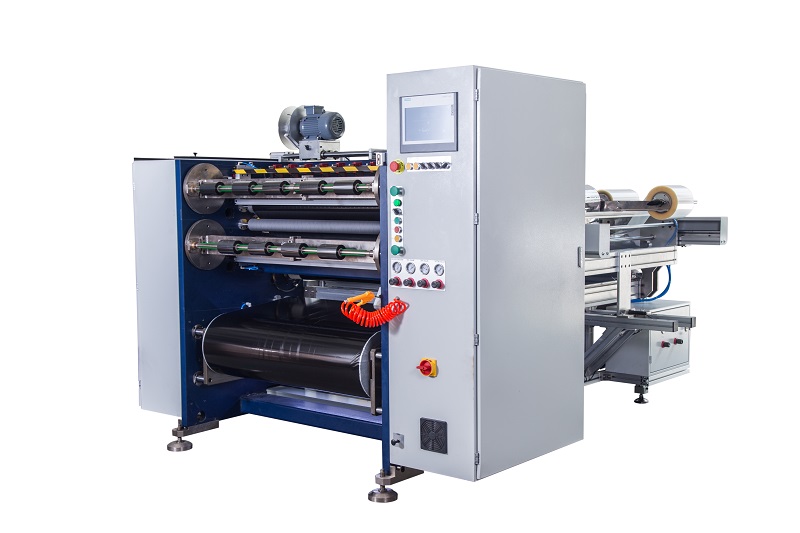
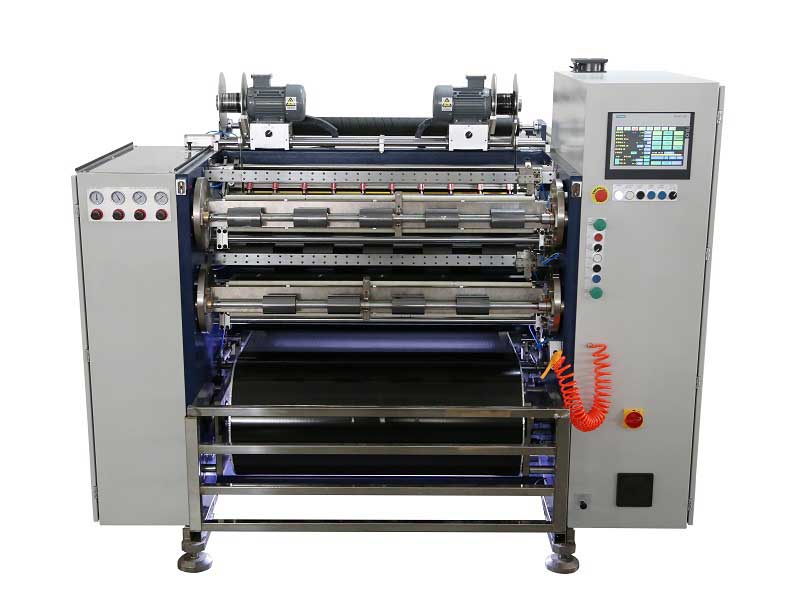 Automatic Thermal Transfer Ribbon Slitting Machine RSDS8 H PLUS
 Semi Automatic Thermal Transfer Ribbon Slitting Machine RSDS5 PLUS
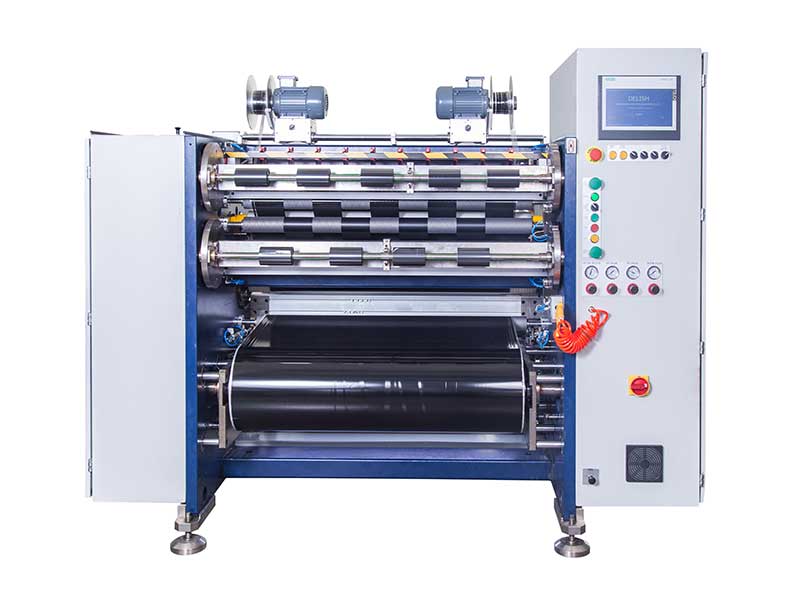 TTR Slitting Machine