
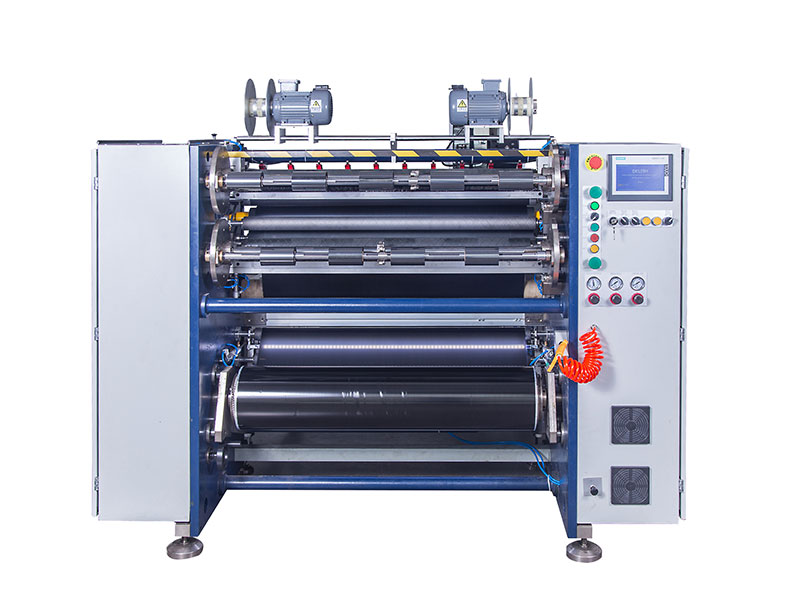
In the world of barcode label printing, ribbons serve as the physical carrier of information transmission, and their quality directly affects the final printing effect. One of the key links that determine the quality of ribbons is the slitting process. The slitting precision of the ribbon slitting machine is like a carving knife in the hands of an invisible artist, carving the genes of print quality on a microscopic scale.
Multi-dimensional embodiment of precision
Ribbon slitting accuracy is not a single-dimensional concept, but a comprehensive embodiment of width consistency, edge quality, winding flatness and other aspects. The consistency of width determines the stability of the ribbon in the printer. The smoothness of the edge affects the smoothness of the ribbon release and recovery. The flatness of the winding is related to the uniformity of the contact between the ribbon and the label medium.
When slitting precision is insufficient, ribbon edges may experience burrs, jaggedness, or microscopic tears. These defects can cumulatively affect during high-speed printing, causing the ribbon to operate poorly within the printer, causing shifts, folds, and even breakage. More subtlely, the ribbon with uneven edges will cause the pressure of the print head to be unevenly distributed, resulting in insufficient transfer in some areas, forming a "zebra effect" with different shades of printed color blocks and intermittent lines.
Accuracy is directly related to print quality
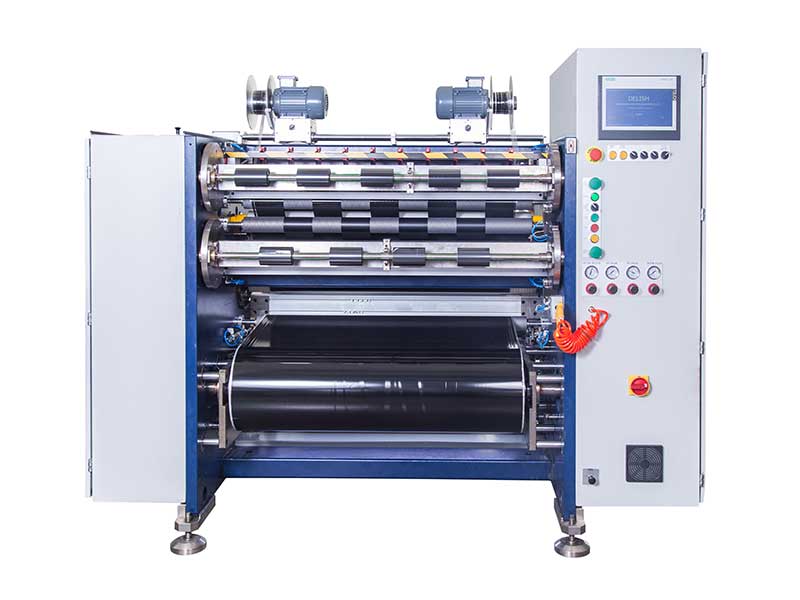
The impact of slitting accuracy on print quality is direct and multi-layered. At the microscopic level, the precise width of the ribbon ensures the stability of heat transfer during thermal transfer. When the width error of the ribbon exceeds the allowable range (usually required to be controlled within ±0.05mm), the too wide ribbon will rub against the edge of the label to produce debris and pollute the print head. A ribbon that is too narrow will prevent some label areas from being able to obtain ink transfer, resulting in white border defects.
This is especially true in barcode printing. Barcode readability is highly dependent on clear boundaries of strips and uniform ink coverage. Uneven printing caused by insufficient slitting accuracy will directly affect the width modulation of the barcode and reduce the first reading rate. Especially in high-density barcode printing (such as Data Matrix, QR code), small printing defects can cause the entire code map to be unreadable.
Edge quality is about print continuity. Rough edges release tiny particles during printing, which gradually accumulate and form dirt on the printhead, affecting heat transfer efficiency. Long-term use of ribbons with poor edge quality may shorten the printhead life by more than 30%, while the print quality gradually decreases.
Industry standards and technological innovation
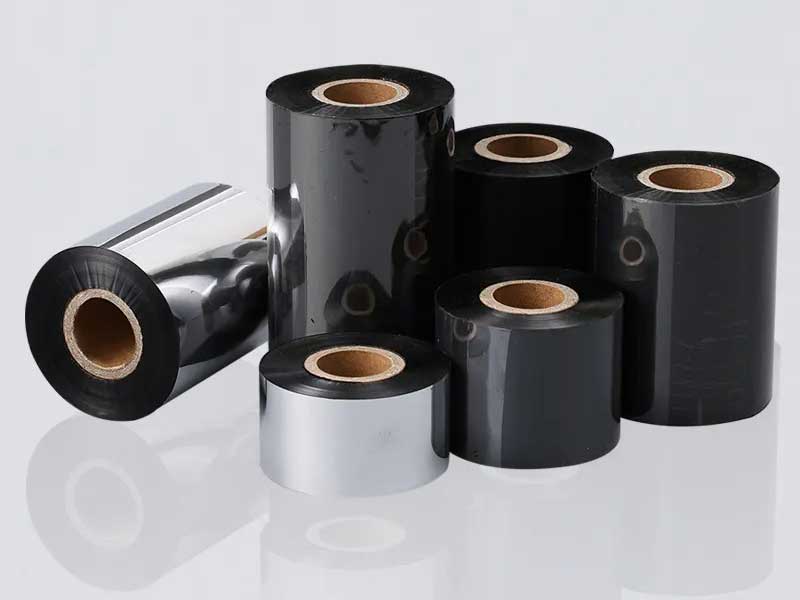
Currently, the precision of high-end ribbon slitting machines has reached an astonishing level. The leading equipment can achieve width tolerance control within ±0.02mm, edge roughness Ra value less than 0.2μm, and winding tension control accuracy of ±2%. Behind these technical indicators is the comprehensive application of advanced technologies such as laser measurement systems, intelligent tension control and air suspension bearings.
Different application scenarios have different requirements for slitting accuracy. Durable label printing in industrial environments may require higher width consistency, while small-size labels on pharmaceuticals and electronics are more sensitive to edge quality. Some special applications, such as ribbons for printing RFID tags, also need to consider the potential impact of the slitting process on the antenna structure inside the ribbon.
The Challenges and Future of Precision Control
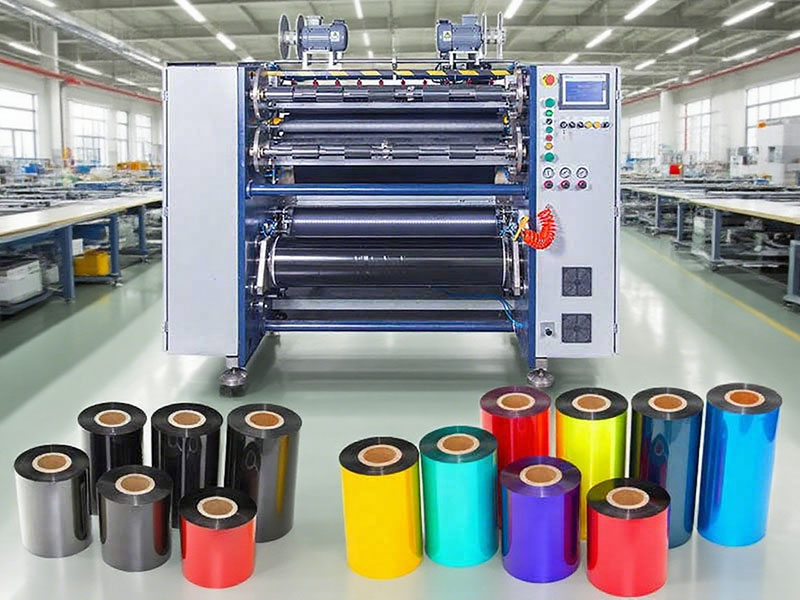
There are many challenges in controlling ribbon slitting accuracy. Differences in material properties—such as different combinations of polyester-based films and wax-based, resin-based ink layers—require fine adjustment of slitting parameters. Changes in material elasticity caused by changes in ambient temperature and humidity also require real-time compensation capabilities for slitting equipment.
With the advancement of the Internet of Things and intelligent manufacturing, the requirements for ribbon printing quality will become more stringent. Future ribbon slitting technology may integrate more intelligent elements, such as machine vision-based online quality inspection, parameter adjustment for adaptive material properties, and correlation models that predict slitting quality and final print results through big data analysis.
To some extent, ribbon slitting accuracy plays the role of a "quality amplifier" in the printing industry chain. The persistence of subtlety is finally amplified into clear, durable and reliable information transmission on the print. Today, when barcode technology penetrates into every link of production, logistics, and retail, the pursuit of slitting accuracy is no longer just a game of technical parameters, but the basic guarantee of information accuracy and system reliability.
When we check out quickly in the supermarket, when we take efficient inventory in the warehouse, and when we pick up medicine accurately in the hospital, we may not expect that behind all this smooth experience, there is the silent contribution of the precision slitting machine - in the world of millimeters and microns, guarding the clarity and integrity of every line of information.
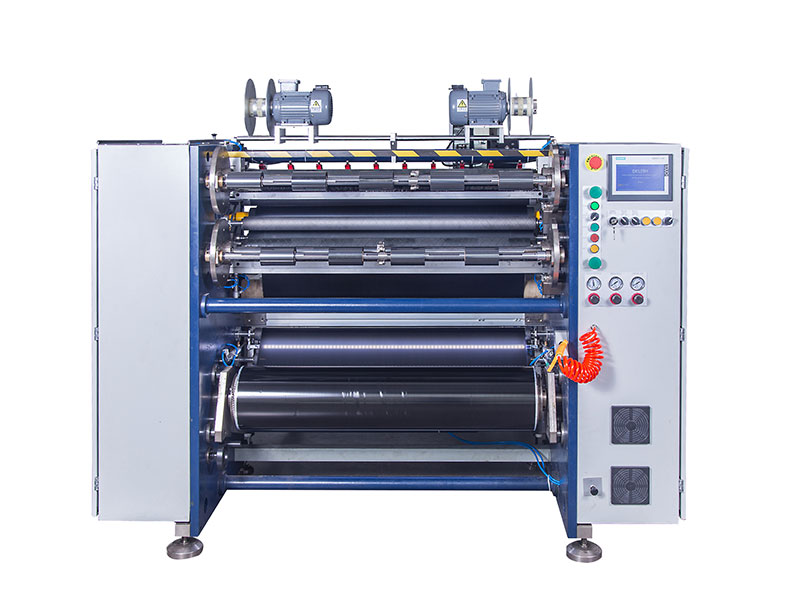 Can a barcode ribbon slitting machine cut and thermal transfer ribbons?
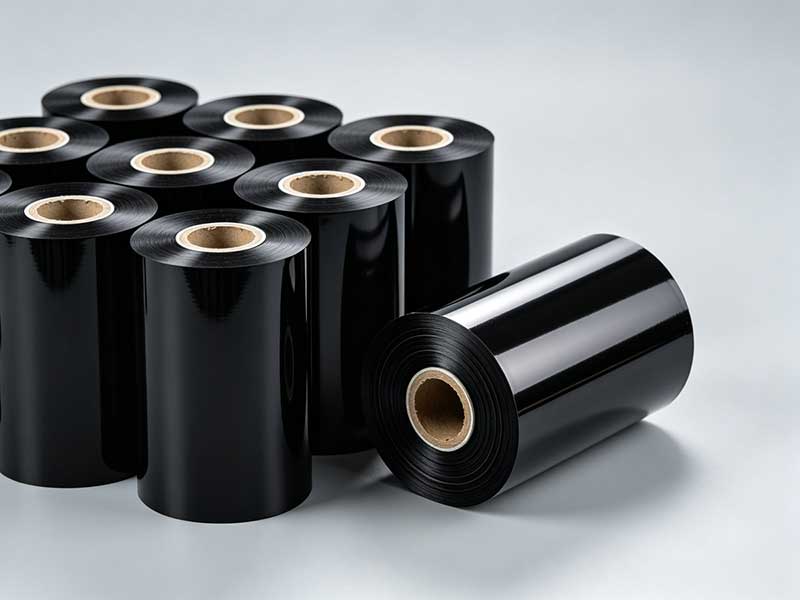 What ribbon materials are suitable for the barcode ribbon slitting machine?
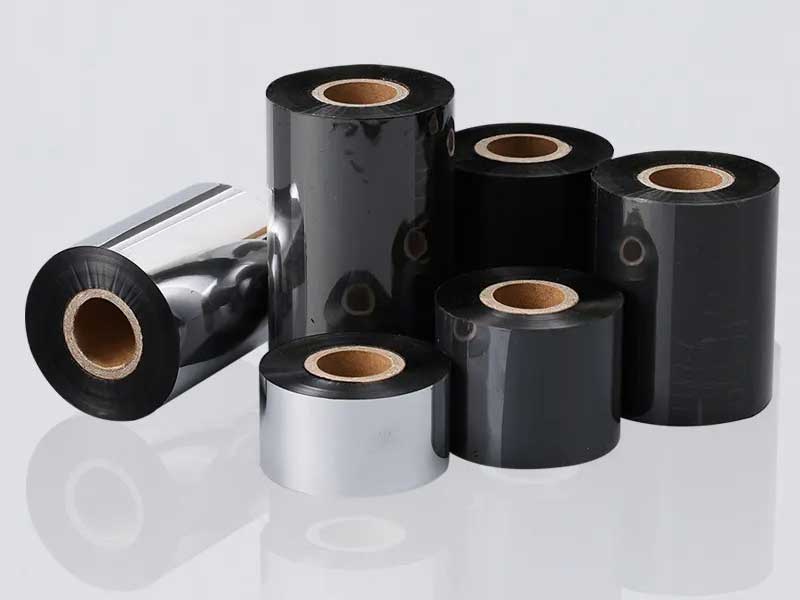 How to propose customized requirements for barcode ribbon slitting machines?How to choose a barcode ribbon slitting machine? Core Features and Key Selection Points
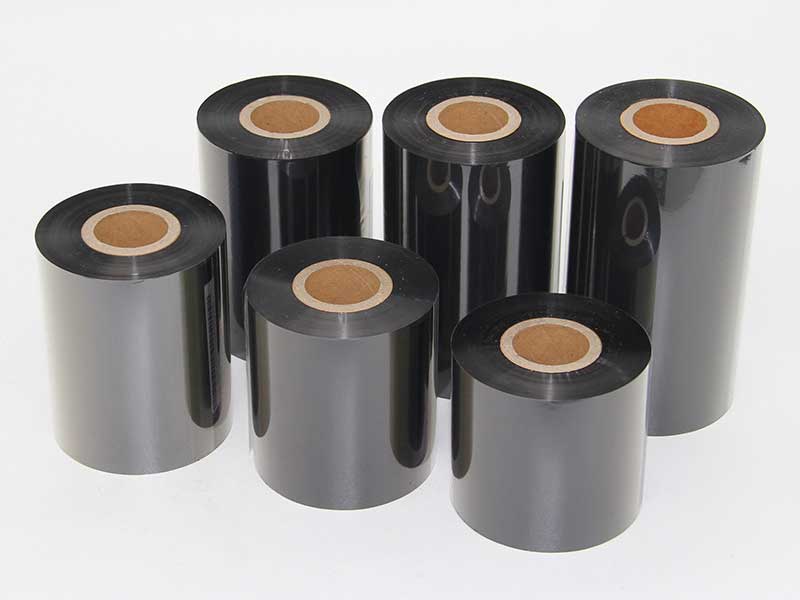 The ribbon slitting machine for the barcode printer is suitable for ribbon types


 English
 Deutsch
 Français
 Español
 Português
 日本語
日本語 русский
 한국어
한국어 عربي
عربي ภาษาไทย
 Tiếng Việt
 Italiano
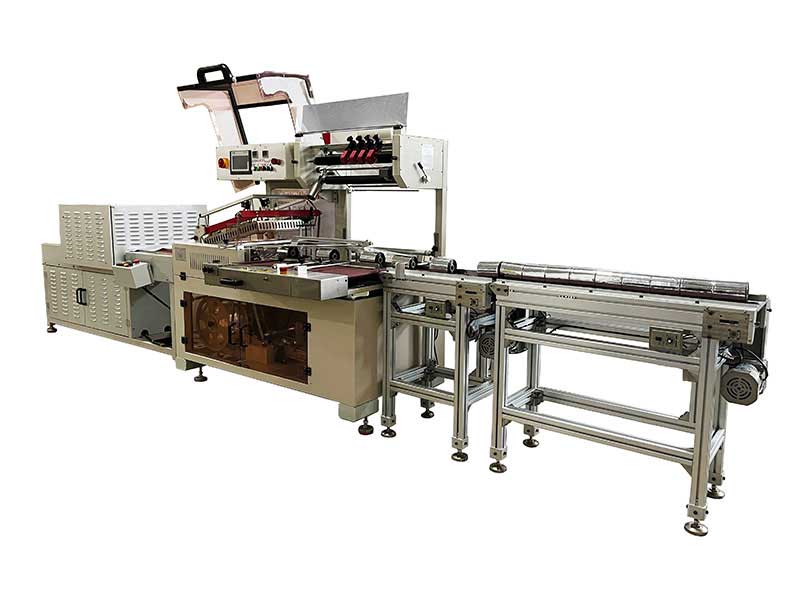 Thermal Transfer Ribbons Packaging Machine
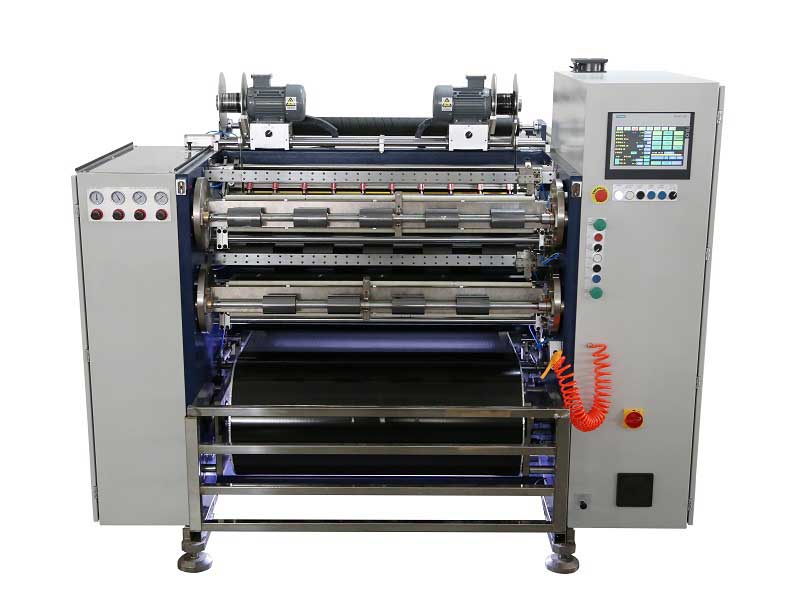 Automatic Thermal Transfer Ribbon Slitting Machine RSDS8 H PLUS
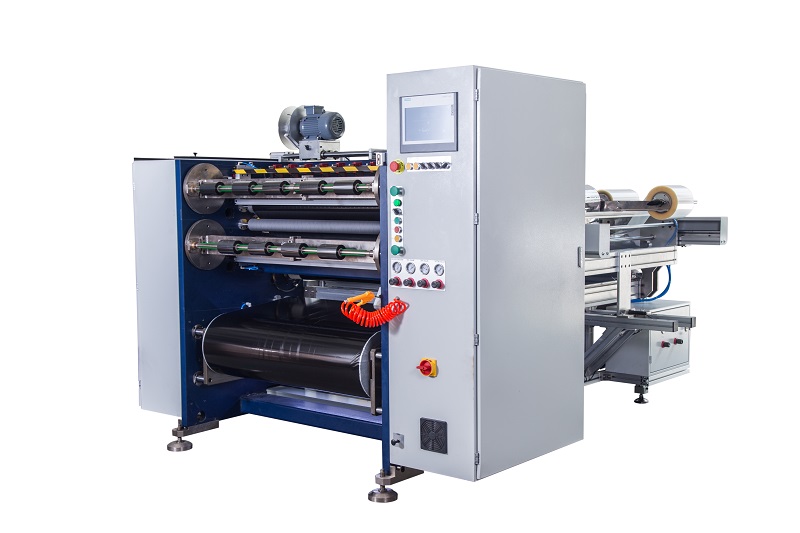 Semi Automatic Thermal Transfer Ribbon Slitting Machine RSDS5 PLUS
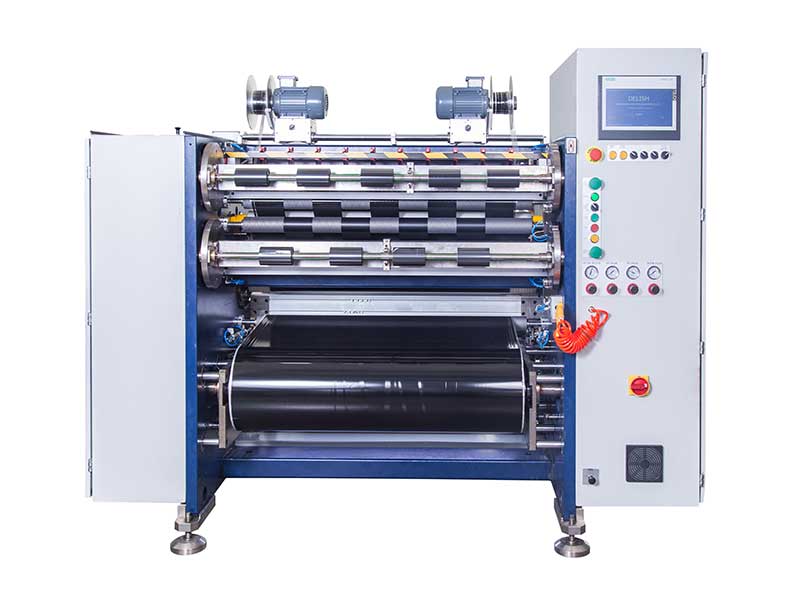 TTR Slitting Machine