
In today's increasingly popular thermal transfer printing technology, ribbon, as the core medium of information transmission, its quality directly determines the clarity of the barcode, the adhesion of the text and the life of the print head. In the entire production process of ribbon, the slitting link is undoubtedly a crucial link. It is not only a bridge connecting the master coil and the end product, but also a "litmus test" to measure the technical strength of a ribbon manufacturer.
With the continuous improvement of the market's requirements for label fineness, traditional slitting equipment has become difficult to meet the needs of high-end applications. It is in this context that the new generation of ribbon slitting machines is redefining the production standards of the industry with "precision manufacturing" as the core.
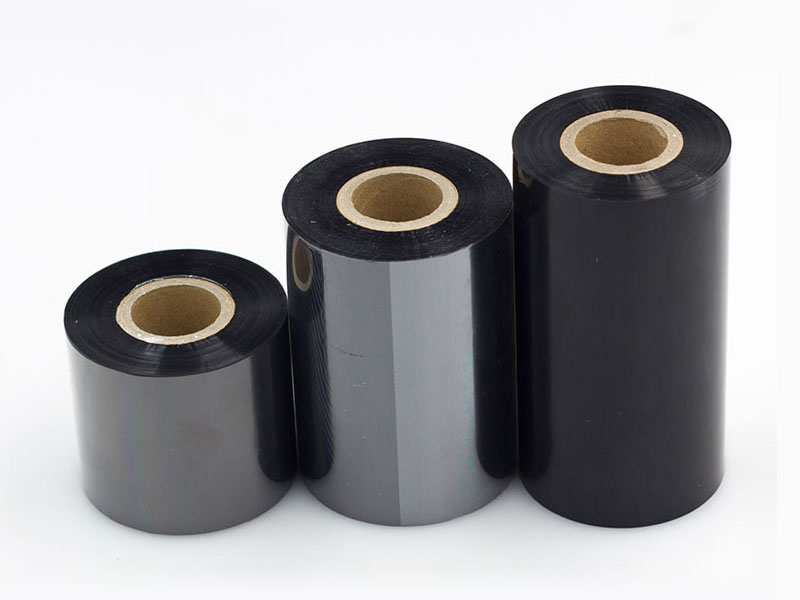
1. Precision Revolution: From "Silk" to "Micron"
In the past, ribbon slitting often only focused on the accuracy of width, but in today's application scenarios, such as pharmaceutical traceability and electronic component identification, extremely high requirements are put forward for the edge neatness and tension uniformity of the ribbon.
The core breakthrough of the new generation of ribbon slitting machine lies in "refinement":
• Servo Tension Control: Through imported servo motors and closed-loop control systems, the tension of the whole process from unwinding to winding is constant. Whether it is a thick base base or a thin base ribbon, tensile deformation or wrinkles caused by tension fluctuations can be avoided, ensuring the integrity of every millimeter of coating.
• High-precision slip shaft: The winding end adopts high-precision slip shaft technology, which effectively solves the problem of loose and external tightness in the winding caused by the increase in the coil diameter, making the end face of the finished coil as flat as a mirror, and effectively preventing the edge of the ribbon from overflowing or curling.
• Micron-level guidance: Equipped with high-performance ultrasonic or photoelectric guidance systems, it tracks the edges of the ribbon in real time to ensure that the offset of the slitting position is controlled at the micron level, providing the best protection for downstream customers' printheads.
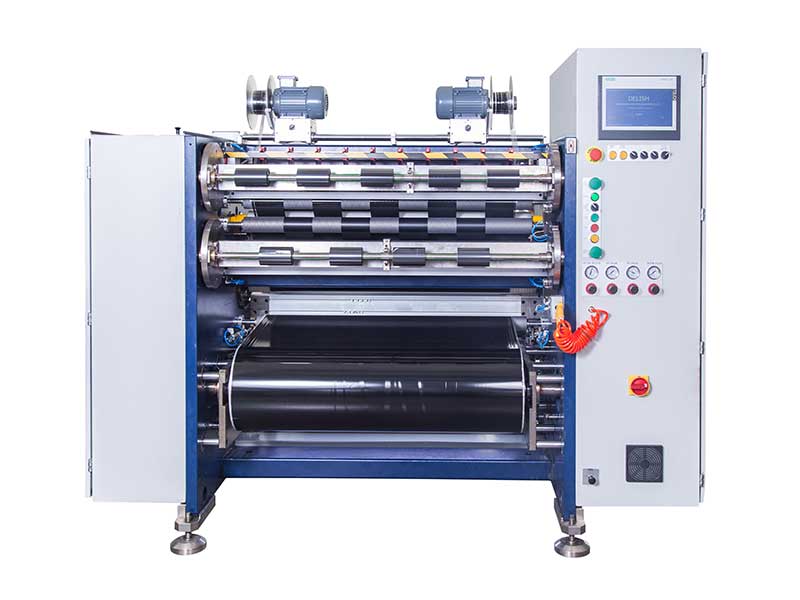
2. Efficiency first: intelligence drives productivity
Precision manufacturing doesn't mean sacrificing efficiency. In the competition of modern factories, how to efficiently and low-loss convert large master coils into multiple small-sized finished rolls is the embodiment of equipment competitiveness.
Intelligent design leads efficiency transformation:
• One-key widening and automatic tool rowing: Traditional slitting machines often require more than half an hour of mechanical adjustment to change specifications, while the new ribbon slitting machine can realize the rapid positioning of the slitting tool seat through digital control, greatly shorten the order change time, and realize flexible manufacturing of "small batch, multi-batch" production.
• Intelligent defect detection: Integrated online visual inspection system, real-time monitoring of coating defects, joints and other defects during the slitting process, and automatically marking or shutting down, preventing defective products from flowing into the downstream market, truly achieving "zero defect" output.
• Energy saving and consumption reduction: The optimized transmission structure and low-power motor design reduce energy consumption while ensuring strong power, which is in line with the industrial trend of green manufacturing.
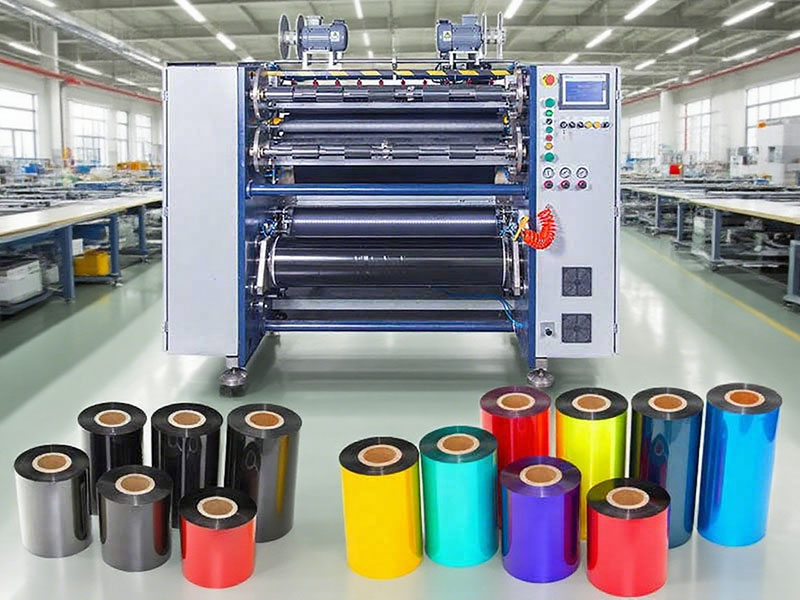
3. Define new standards: not only slitting, but also protection
For ribbons, slitting is not only about physical separation, but also about "pampering" its chemical coating. Precision equipment means less scratches, less dust generation, and more uniform winding hardness.
The ribbon slitting machine under the new standard, through the unique arc roller flattening technology and non-contact static elimination device, ensures that the ribbon coating is not physically damaged under high-speed operation, and at the same time eliminates the adsorption problem caused by static electricity, so that each roll of ribbon from the factory has excellent printing performance.
4. Looking forward to the future: precision slitting empowers everything to be played
With the popularization of the Internet of Things, labels are entering more extreme environments (such as ultra-low temperature, strong acid and alkali, outdoor weather resistance). This poses challenges to ribbon substrates and coatings, and also forces slitting equipment to be more compatible and stable.
The future ribbon slitting machine will not only be a mechanical equipment, but also an intelligent terminal that integrates big data collection, process recipe management and remote operation and maintenance. It will help ribbon manufacturers occupy the commanding heights of the industry with better quality, lower cost and faster response speed in the fierce market competition.
Epilogue
In the tide of precision manufacturing, ribbon slitting machines are no longer simple processing equipment but core equipment that defines product quality standards. It supports the clarity and stability of the thermal transfer world with meticulous mechanical precision. Whoever masters the ultimate slitting technology will be able to carve their own standards in the future map of the ribbon industry.
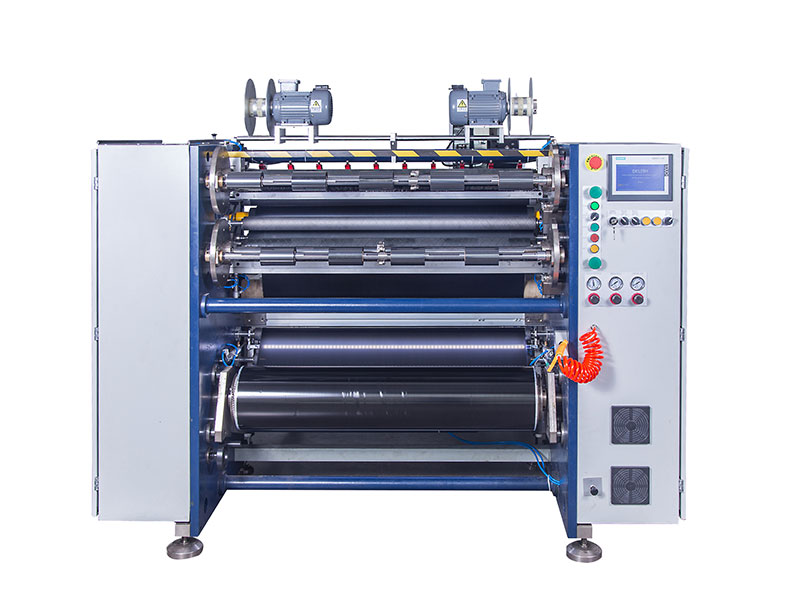 Can a barcode ribbon slitting machine cut and thermal transfer ribbons?
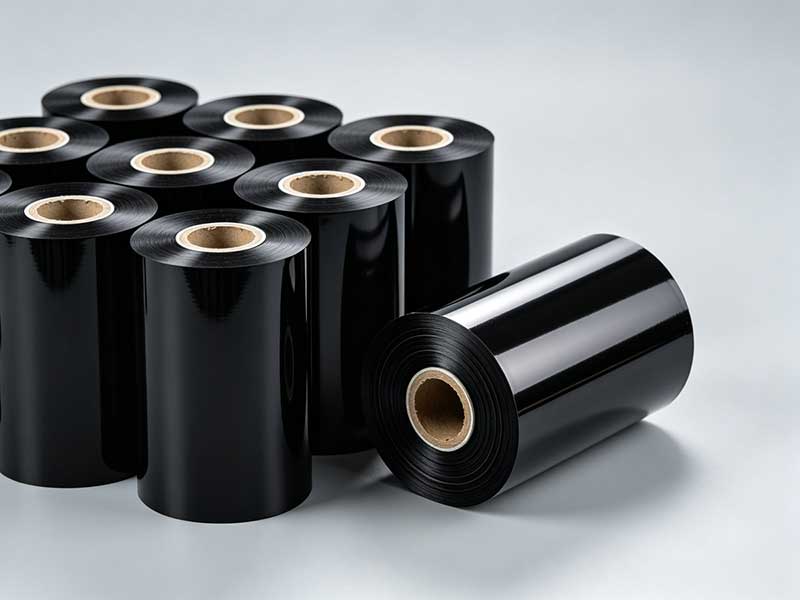 What ribbon materials are suitable for the barcode ribbon slitting machine?
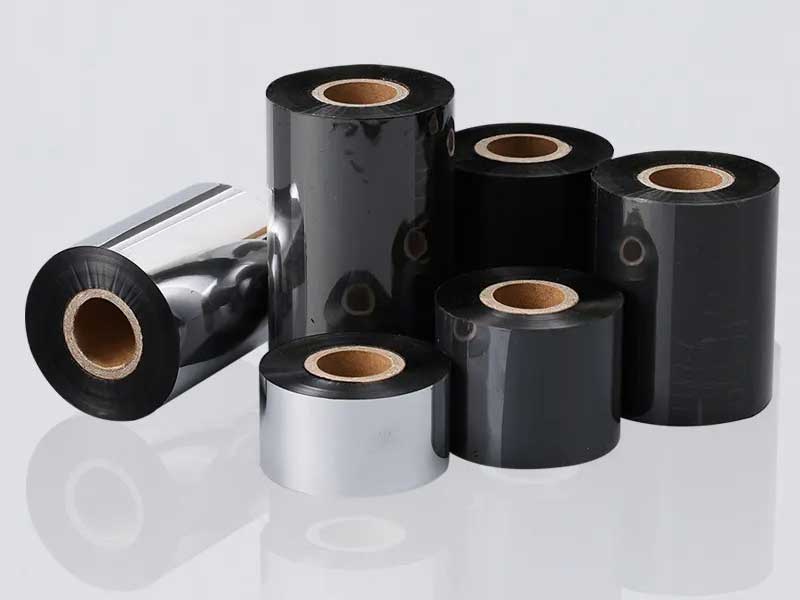 How to propose customized requirements for barcode ribbon slitting machines?How to choose a barcode ribbon slitting machine? Core Features and Key Selection Points
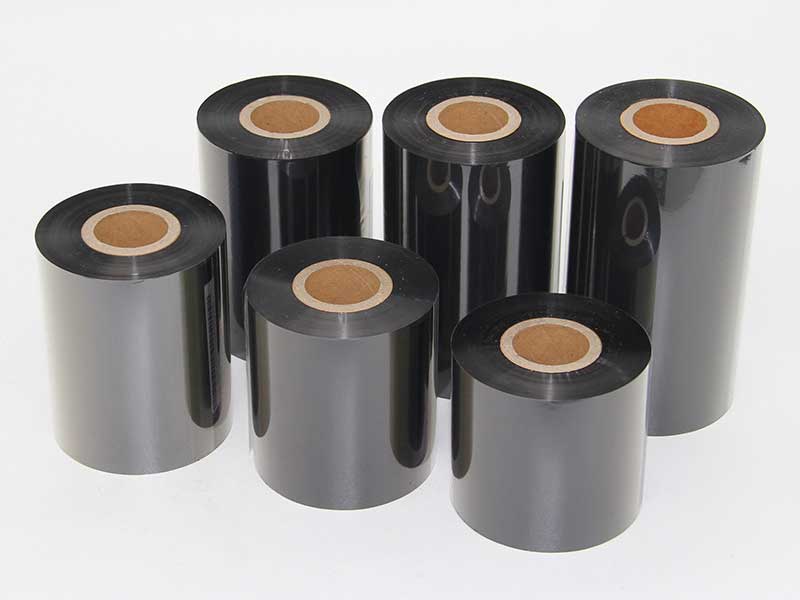 The ribbon slitting machine for the barcode printer is suitable for ribbon types


 English
 Deutsch
 Français
 Español
 Português
 日本語
日本語 русский
 한국어
한국어 عربي
عربي ภาษาไทย
 Tiếng Việt
 Italiano
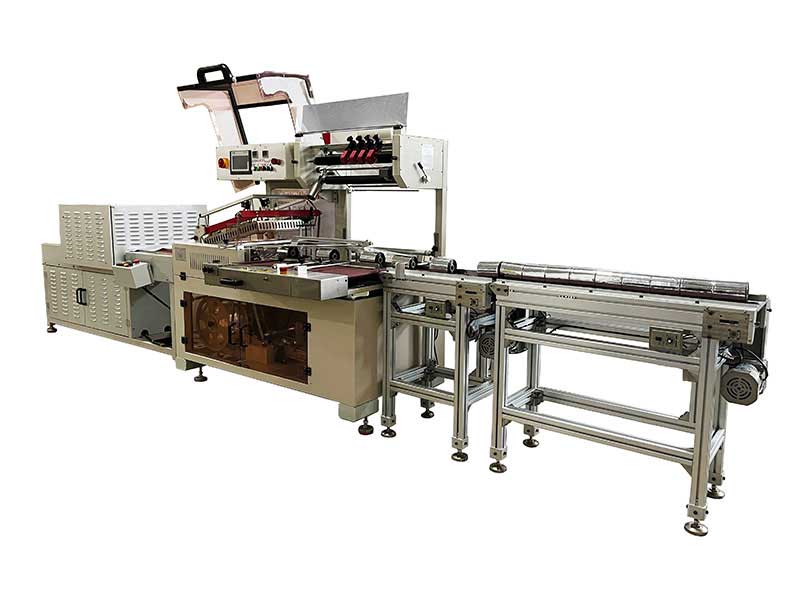 Thermal Transfer Ribbons Packaging Machine
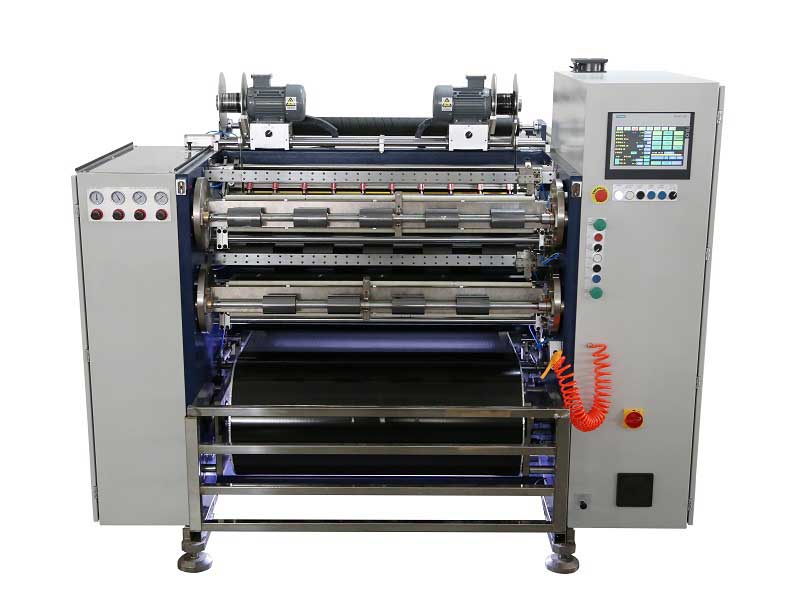 Automatic Thermal Transfer Ribbon Slitting Machine RSDS8 H PLUS
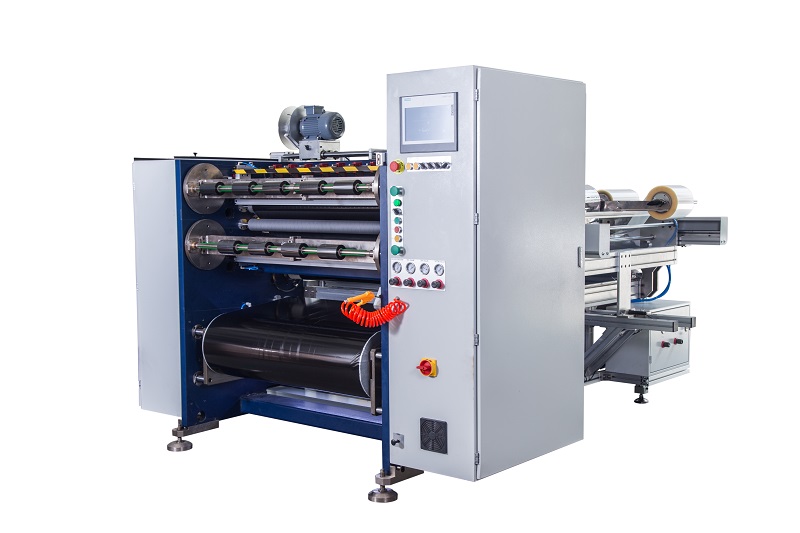 Semi Automatic Thermal Transfer Ribbon Slitting Machine RSDS5 PLUS
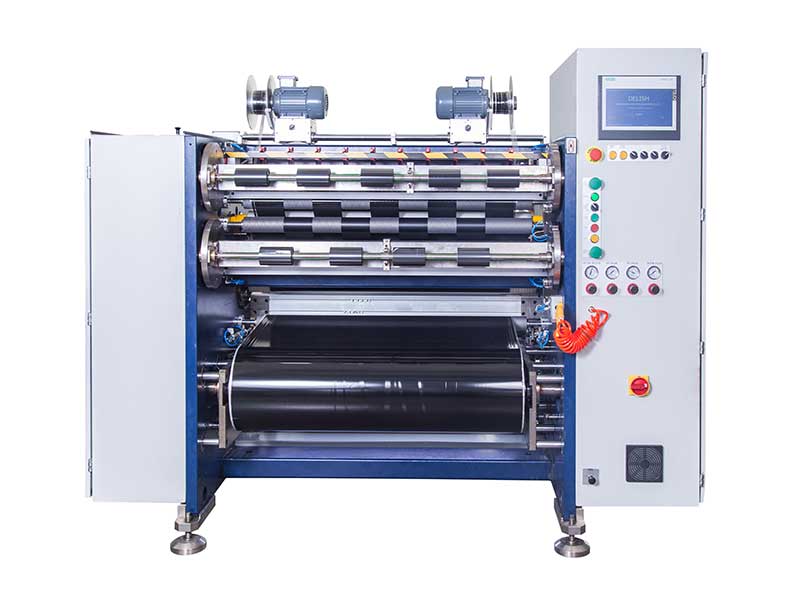 TTR Slitting Machine