
In the field of consumables manufacturing, ribbon (thermal transfer ribbon) is the core medium of barcode and label printing, and the quality of its slitting process directly determines the printing effect and market competitiveness of the final product. In the past, in the face of increasing customized orders and strict requirements for yield rates, the bottlenecks of traditional slitting equipment in tension control, order change efficiency and loss rate have become increasingly prominent.
Now, with the advent of a new generation of automatic ribbon slitting machines, we are witnessing a profound change in "production efficiency". This is not only an iteration of equipment, but also a comprehensive redefinition of production efficiency, material utilization and intelligent management standards.
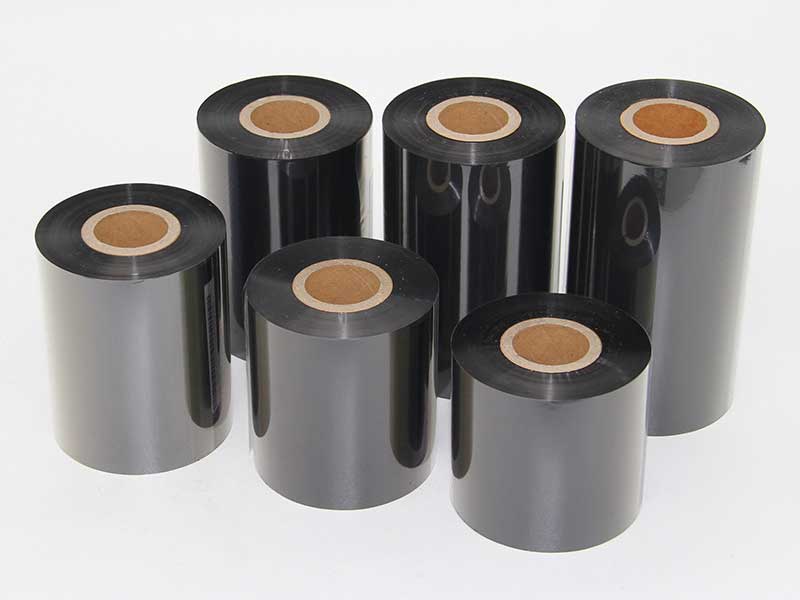
1. Efficiency redefinition: from "single machine high-speed" to "production line intelligence"
Efficiency in traditional concepts is often equivalent to cutting quickly. However, the real constraints on production capacity are often downtime. The new generation of ribbon slitting machine has achieved a leap from stand-alone automation to production line collaboration by being equipped with an intelligent Internet of Things hub system.
• Predictive maintenance: Instead of passively waiting for repairs, vibration sensors and data analysis can provide early warning of bearing wear or blade passivation, reducing unplanned downtime by more than 70%.
• One-click order change: In response to the characteristics of small batches and multiple specifications in the ribbon industry, the new generation of equipment supports digital storage and one-click retrieval of process parameters (such as tension curves and rewinding pressure). The order change time has been shortened from the traditional 30 minutes to less than 3 minutes, making the "zero waiting" production line a reality.
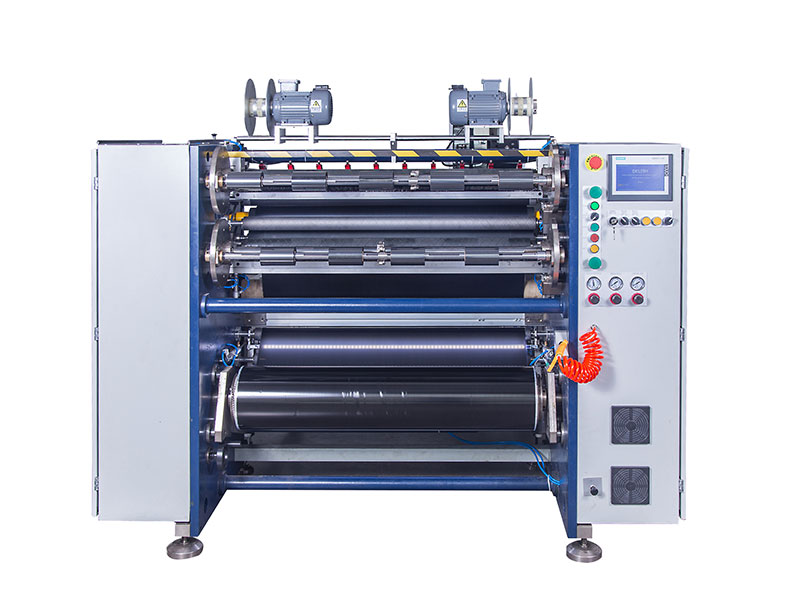
2. Precision redefined: nanoscale tension to protect the consistency of the coating
The ribbon is composed of a base film, a coating (ink), and a back coating, with a thin structure and a fragile coating. During high-speed slitting, small tension fluctuations can cause the coating to peel off or wrinkle, resulting in a large amount of scrap.
The new generation of slitting machine adopts a full closed-loop servo tension control system, with low inertia guide rollers, to achieve micron-level tension control from unwinding to winding.
• Eliminate internal looseness and external tightness: The algorithm dynamically compensates for the tension difference caused by the change of roll diameter, ensuring that the winding hardness of each meter of ribbon is uniform and the edges are as neat as a mirror, greatly improving the smoothness of subsequent printing.
• Face flatness revolution: Face warping is a pain point in ribbon slitting. The new generation of equipment optimizes contact pressure and winding angle to achieve an industry-leading ± of 0.1mm, effectively extending the service life of the print head.
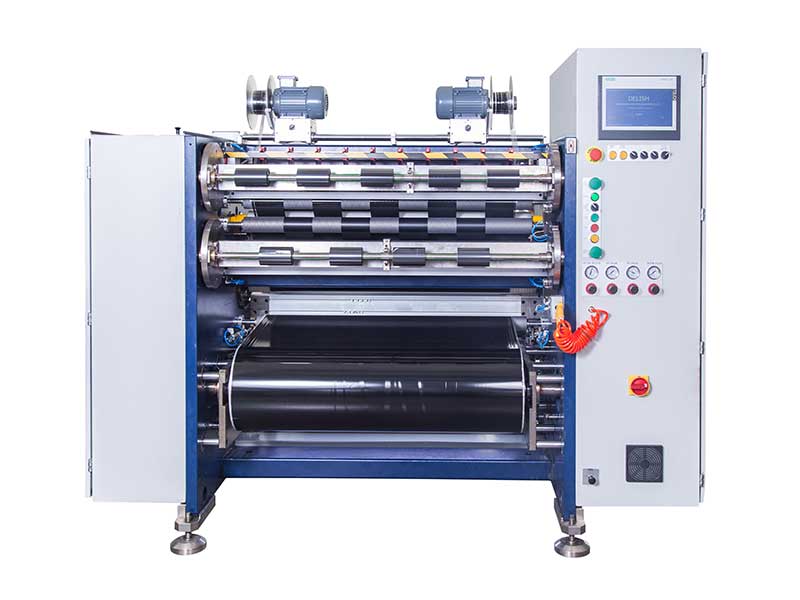
3. Loss redefinition: extreme utilization, to the millimeter
In today's rising cost of raw materials, reducing waste is a direct profit. The new generation of ribbon slitting machines redefines losses with visual edge finding and automatic tool setting technology.
• Intelligent waste discharge: The system automatically identifies the defective areas of the film roll and dynamically adjusts the cutting position during the slitting process, converting redundant scraps that must be removed into qualified products.
• Extremely narrow slitting: In response to the needs of ultra-small ribbons such as medical and jewelry labels, the new generation of equipment breaks through the mechanical limit and stably achieves ultra-narrow slitting of 5mm or even 3mm without serpentine twisting, helping customers develop high value-added market segments.
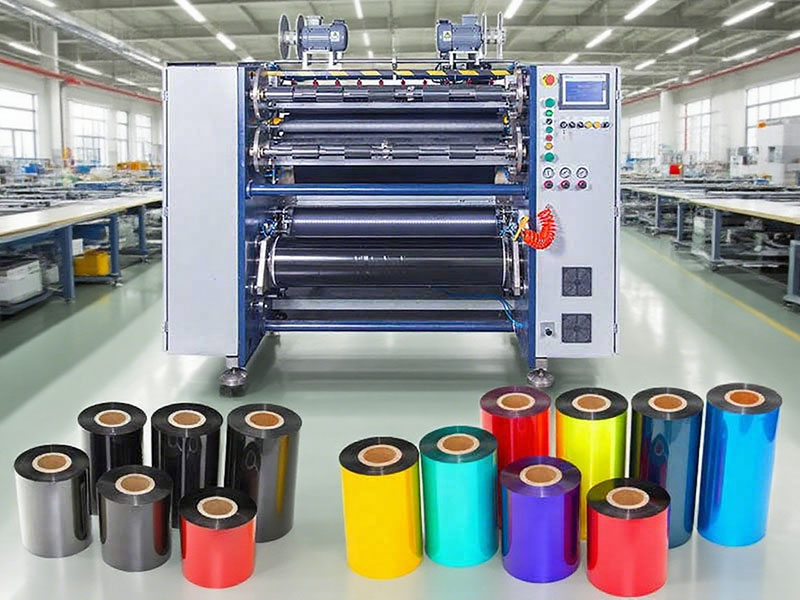
4. Define the future slitting center
The new generation of ribbon slitting machine is no longer just a processing machine, it is more like a data-driven lean manufacturing center.
It collects data such as meter length, defect distribution, winding hardness and other data of each ribbon in real time, and uploads it to the MES system. Managers can check the OEE (Comprehensive Equipment Efficiency) of the workshop at any time through the mobile phone, and even trace back to the specific operators and slitting parameters of a certain batch of products.
Epilogue
When the slitting accuracy moves from silk millimeters to microns, and when production management moves from empirical judgment to data decision-making, the new generation of ribbon slitting machine is building a solid competitive barrier for label consumables companies with its excellent performance. It not only redefines production efficiency, but also promotes the entire industry to move towards smarter, leaner, and higher added value.
If you're looking for a tool to break through in the fierce market competition, it's time to revisit your slitting process.
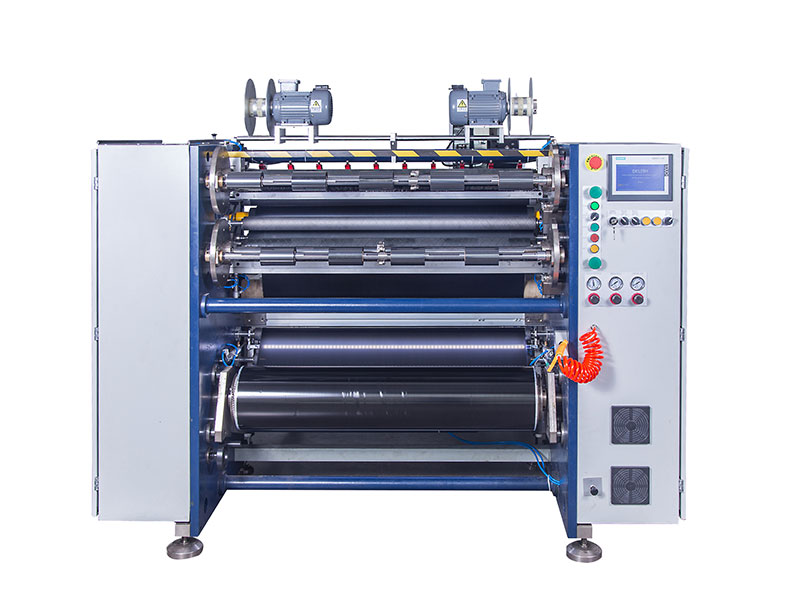 Can a barcode ribbon slitting machine cut and thermal transfer ribbons?
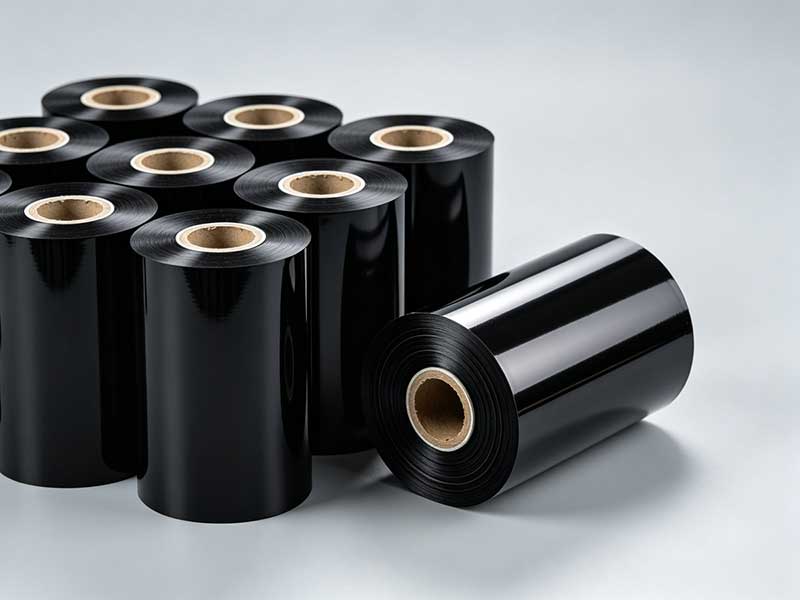 What ribbon materials are suitable for the barcode ribbon slitting machine?
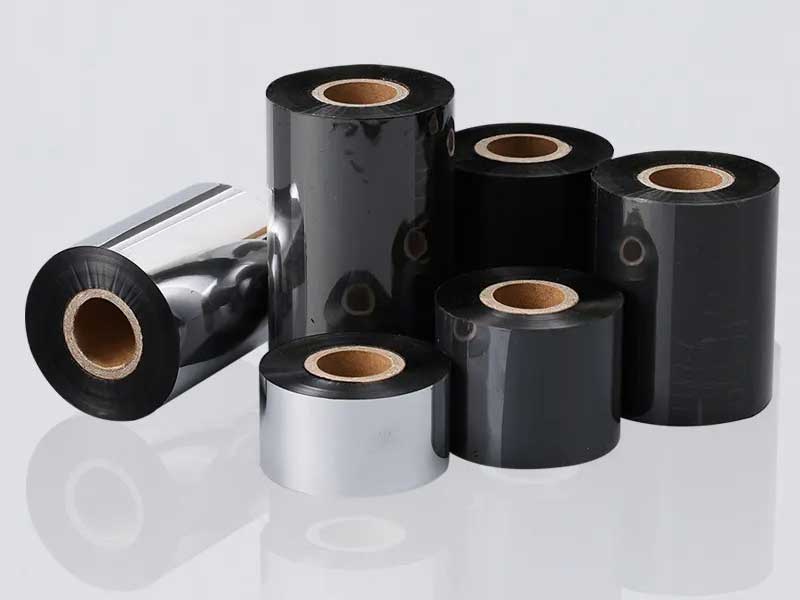 How to propose customized requirements for barcode ribbon slitting machines?How to choose a barcode ribbon slitting machine? Core Features and Key Selection PointsThe ribbon slitting machine for the barcode printer is suitable for ribbon types


 English
 Deutsch
 Français
 Español
 Português
 日本語
日本語 русский
 한국어
한국어 عربي
عربي ภาษาไทย
 Tiếng Việt
 Italiano
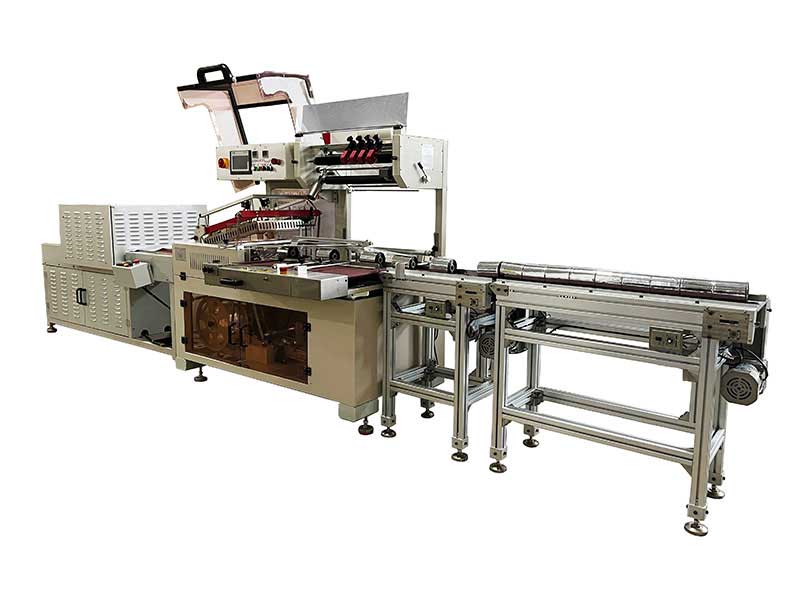 Thermal Transfer Ribbons Packaging Machine
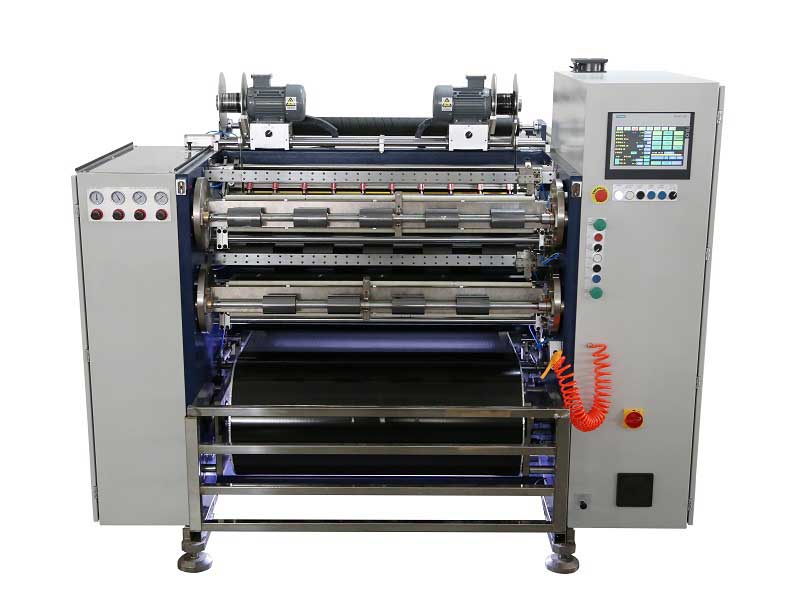 Automatic Thermal Transfer Ribbon Slitting Machine RSDS8 H PLUS
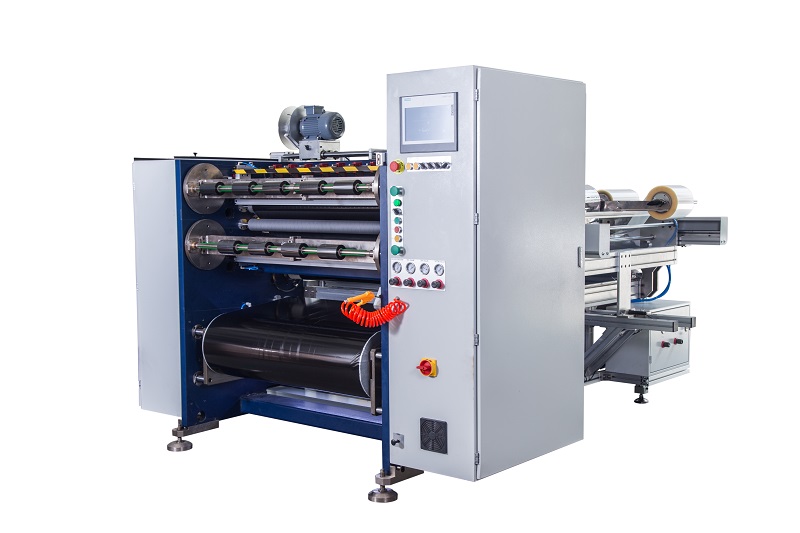 Semi Automatic Thermal Transfer Ribbon Slitting Machine RSDS5 PLUS
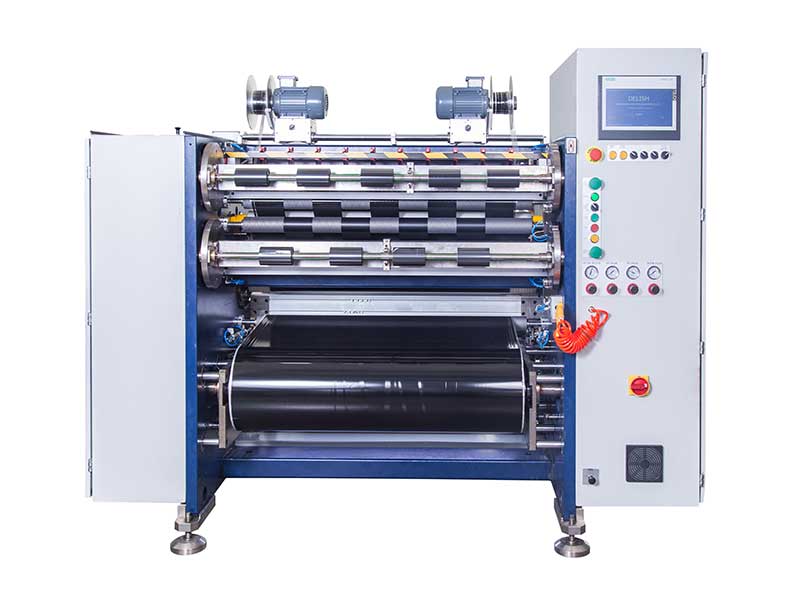 TTR Slitting Machine