
1. Preamble
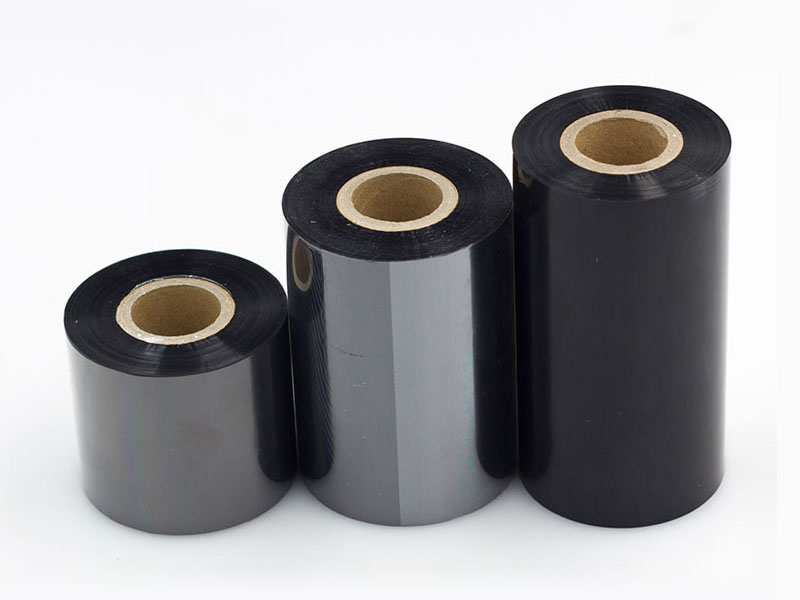
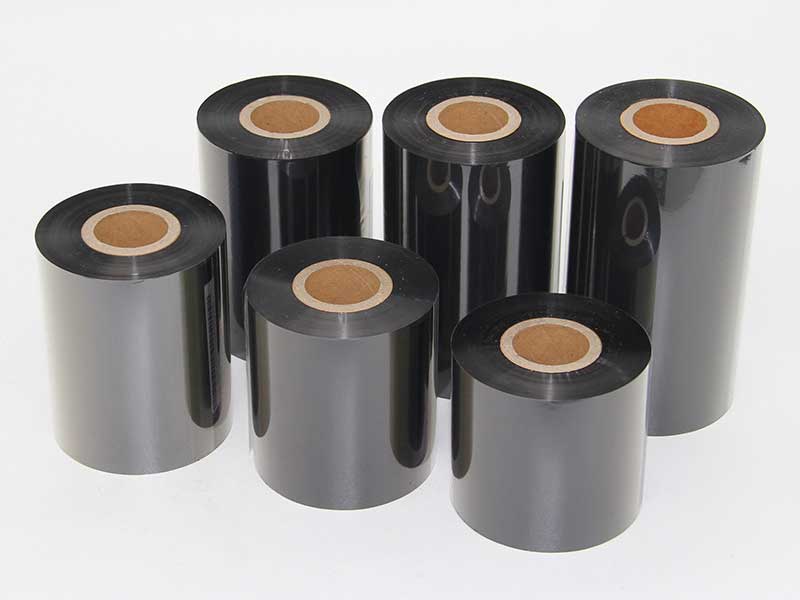
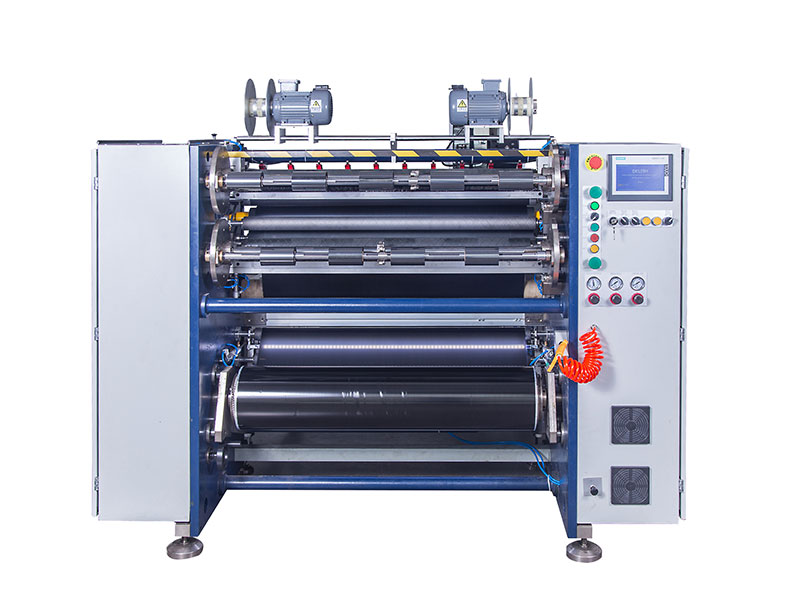
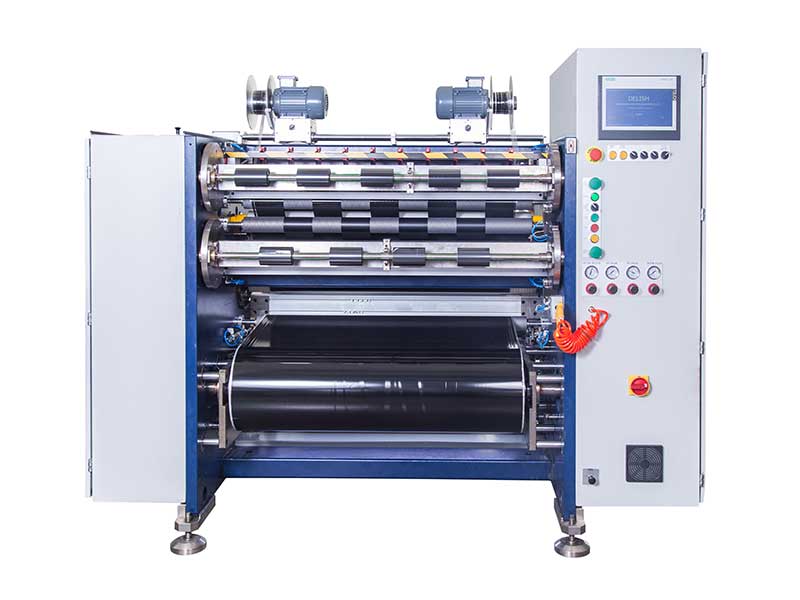
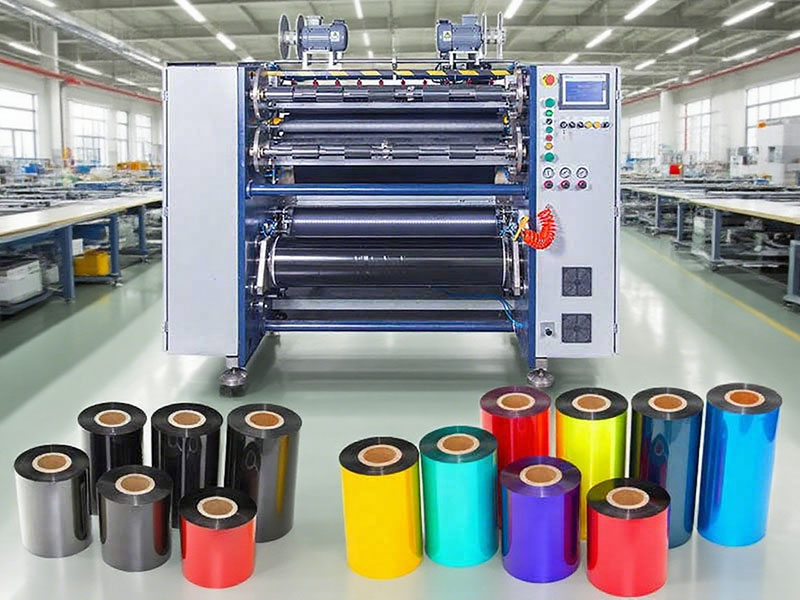
The ribbon slitting machine is a key equipment in the production of barcode printing consumables (thermal transfer ribbon), which is responsible for slitting large master rolls into small rolls of specific widths according to customer needs. Since equipment involves high-speed rotating components, precision tension control, and sharp tools, operating practices and safety management are critical. This article aims to systematically sort out the standardized operation process and safety points of ribbon slitting machine to ensure personnel safety, improve product quality and equipment life.
2. Operating specifications
1. Check before power-on
• Equipment status: Confirm that the power supply and air source (if applicable) are properly connected, the emergency stop button has been reset, and the protective cover is intact and not loose.
• Tool inspection: Check whether the circular knife or slitting blade is sharp and free of chips, the tool shaft rotates flexibly, and the blade fixing screw is not loose.
• Cleaning: Remove residual rubber powder, dust or debris from the guide rollers, retraction and slitting areas to prevent foreign objects from pressing into the ribbon and causing waste.
• Material preparation: Confirm that the model, width, and length of the ribbon to be slitted are consistent with the work order, and that the master coil has no uneven end faces, wrinkles, or moisture.
2. Charging and film penetration
• Loading the master coil: Use auxiliary feeding devices (such as air expansion shaft and crane arm) to smoothly load the master roll into the unwinding seat to ensure that the air expansion shaft is inflated in place and the coil core is firmly fixed.
• Film passing path: Strictly follow the film route marked by the equipment, and pass through the unwinding, tension roller, slitting knife group, and winding shaft in order to ensure that the ribbon is not twisted or crossed.
• Tension setting: According to the thickness, width and coating characteristics of the ribbon substrate, the unwinding and unwinding tension values are set through the control system. The general principle is: low tension of thin substrate, appropriate increase of tension for wide products, and avoid tensile deformation or uneven winding.
3. Slitting parameter setting
• Slitting width: According to the requirements of the work order, accurately adjust the position of each tool holder, use calipers or equipment automatic positioning system to review the knife spacing, and the allowable tolerance is usually controlled within ±0.1mm.
• Slitting speed: During the initial slitting, it is advisable to use low speed (such as 50-80m/min) for trial cutting, and then gradually increase to normal production speed (generally 150-300m/min, depending on equipment performance).
• Winding mode: According to the customer's requirements for roll diameter and hardness, choose "surface winding" or "center winding", and set the appropriate winding taper (decreasing tension) to prevent small rolls from appearing "chrysanthemum heart" or warping.
4. Operational monitoring
• First article confirmation: After the slitting starts, immediately check the width, end face flatness, winding hardness and ribbon coating of the first roll product for scratches.
• Process inspection: Check the operating status every 15-20 minutes to observe tension fluctuations, winding alignment and whether there are any entanglements in the tool set. If there is any abnormality, fine-tune it in time.
• Rewinding and splicing: After a roll is slitted, it is necessary to use residue-free tape for receiving or stopping the machine to change the shaft, and keep your hands clean during operation to avoid oil pollution of the ribbon coating.
5. Shutdown and close
• Stopping sequence: first stop winding, then stop unwinding, and finally turn off the main motor power, and it is strictly forbidden to directly shoot emergency stop during high-speed operation (except for emergencies).
• Discharge protection: When unloading the finished roll, use a special tray or cart to handle it gently and avoid bumping into the end face. For special ribbons that are easy to smear and have poor heat resistance, they need to be marked in the direction and stored away from light.
• Equipment reset: clean the tool groove and guide rollers, restore the equipment to the initial state, and fill in the "Slitting Machine Operation Record Form" to record the output, abnormality and consumables replacement.
3. Safety precautions
1. Mechanical injury protection
• Do not reach out: During the operation of the equipment, it is strictly forbidden to extend hands, hair, and clothing into the area of moving parts such as slitting knife sets, rewinding rollers, and traction rollers. Any adjustments must be made after the device has been completely stopped.
• Use of protective cover: The safety shield of the slitting area and transmission part must be closed during operation, and the safety door switch must not be removed or shorted at will.
• Blade management: When replacing or adjusting blades, it is essential to wear cut-resistant gloves. The disassembled blade should be immediately placed in the special tool holder box, and should not be placed on the machine body or the operation table at will.
2. Electrical and pneumatic safety
• Power supply specifications: keep the electric control cabinet dry and free of dust accumulation, and it is strictly forbidden to operate the electrical buttons with wet hands. When repairing or cleaning, the "power off, tag, lock" procedure must be performed.
• Air pressure system: The compressed air pressure should be set within the specified range of the equipment (usually 0.5-0.7MPa), and the air pipe should be regularly checked for aging air leakage and whether the pneumatic components are moving smoothly to prevent sudden movement of the cylinder.
3. Fire risk prevention
• Static Elimination: Static electricity is easy to generate during ribbon slitting, especially during dry seasons. The equipment must be reliably grounded and installed with static elimination rods (ion nozzles) to prevent static electricity build-up and ignition of flammable substrates or solvent residues.
• Cleaning frequency: Clean up the dust and waste wire generated by slitting in time to avoid accumulating around heat-generating components such as motors and electric control boxes. Smoking is prohibited on site, and sufficient carbon dioxide or dry powder fire extinguishers are provided.
4. Ergonomics and labor insurance
• Correct handling: The weight of the mother coil is usually large, and mechanical auxiliary equipment is used when handling to avoid sprains in the waist.
• Labor protection supplies: Operators should wear tight overalls, protective glasses (to prevent broken needles or debris from flying), and long hair must be tucked into the work cap.
5. Emergency treatment
• Emergency shutdown: In case of abnormalities such as hand clamping, material entanglement, abnormal noise, or smoke, the red emergency stop button should be pressed immediately, and the main power supply should be cut off before treatment.
• Cut treatment: If a knife cut occurs, immediately use a clean dressing to stop the bleeding and seek medical attention in time. The on-site first aid kit should be equipped with tourniquets, disinfectants, etc.
• Fire emergency: If a fire occurs, cut off the power supply as soon as possible, use a fire extinguisher to extinguish the initial fire, and activate the emergency evacuation plan.
4. Conclusion
The operation of the ribbon slitting machine is a job that requires high precision, efficiency and safety. Strict implementation of standardized operation procedures can not only ensure the slitting quality of ribbon products (neat end face, accurate length, beautiful winding), but also the fundamental guarantee for preventing safety accidents such as mechanical injuries and fires. Enterprises should regularly organize operators to carry out skills training and safety drills, integrate standardized operation and safety awareness into every link of daily production, and achieve safe, high-quality and efficient production goals.
Preparation instructions: This article is suitable for the slitting process of the thermal transfer ribbon manufacturing industry, please make detailed adjustments in combination with the specific equipment model (such as slitting width, tool set form, automation degree) and the internal safety management system of the enterprise when actually used.
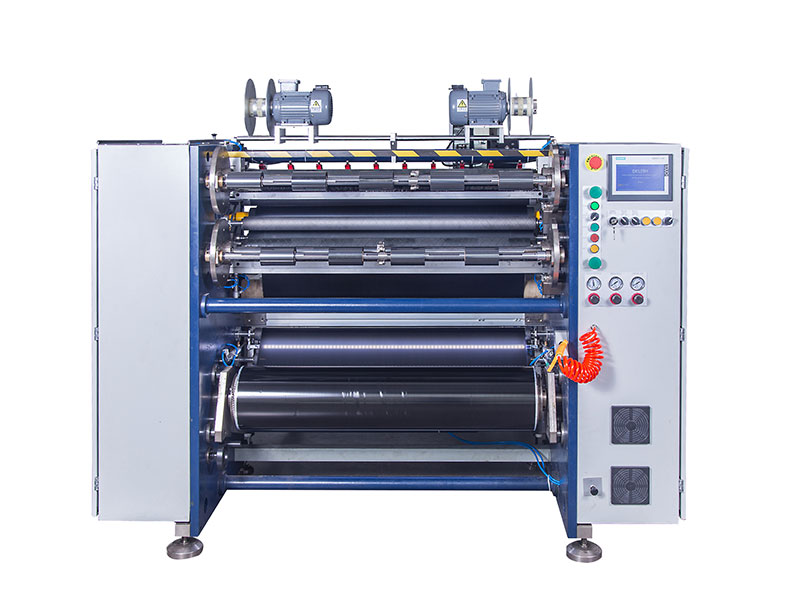 Can a barcode ribbon slitting machine cut and thermal transfer ribbons?
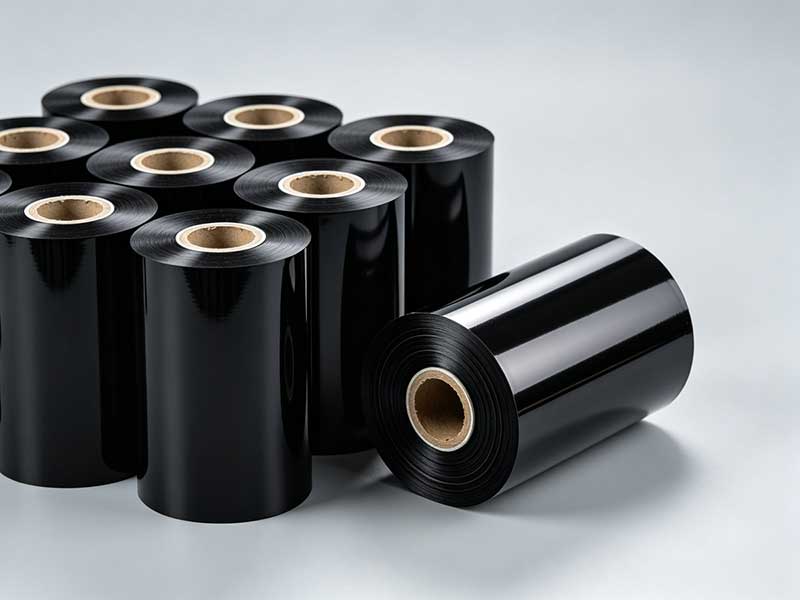 What ribbon materials are suitable for the barcode ribbon slitting machine?
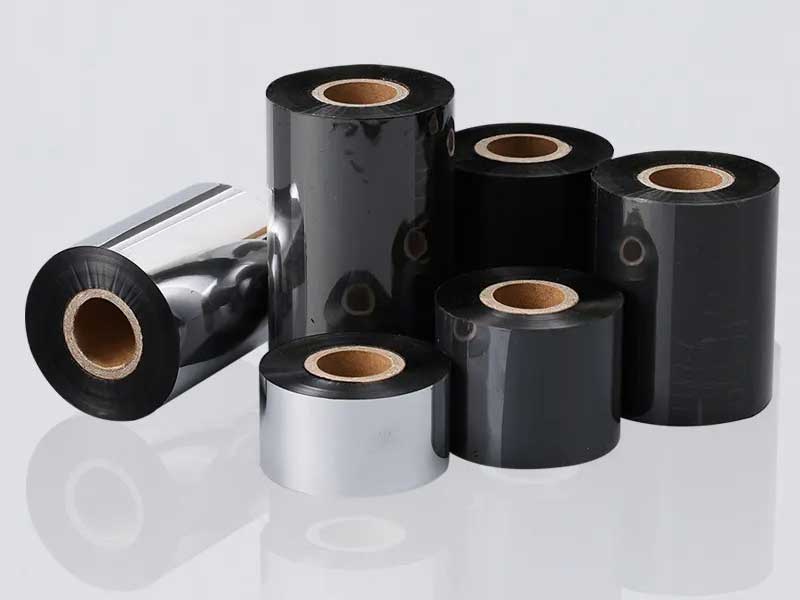 How to propose customized requirements for barcode ribbon slitting machines?How to choose a barcode ribbon slitting machine? Core Features and Key Selection PointsThe ribbon slitting machine for the barcode printer is suitable for ribbon types


 English
 Deutsch
 Français
 Español
 Português
 日本語
日本語 русский
 한국어
한국어 عربي
عربي ภาษาไทย
 Tiếng Việt
 Italiano
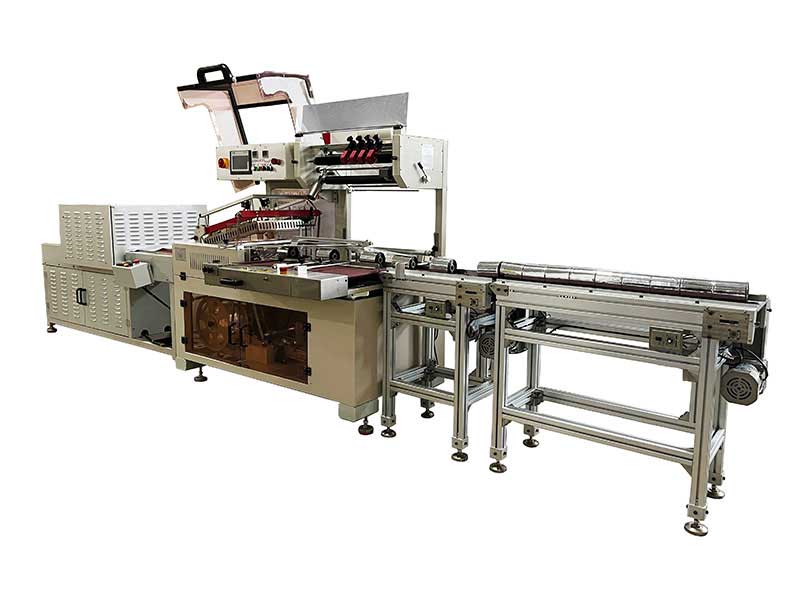 Thermal Transfer Ribbons Packaging Machine
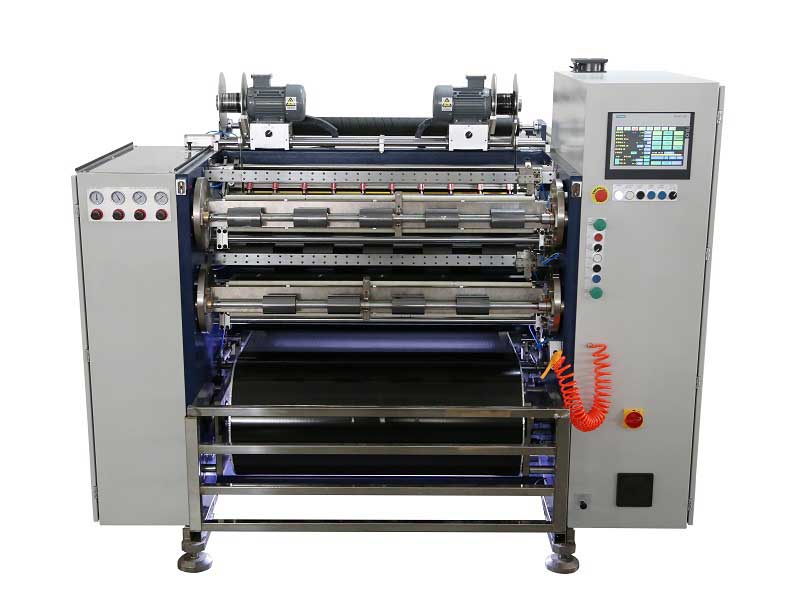 Automatic Thermal Transfer Ribbon Slitting Machine RSDS8 H PLUS
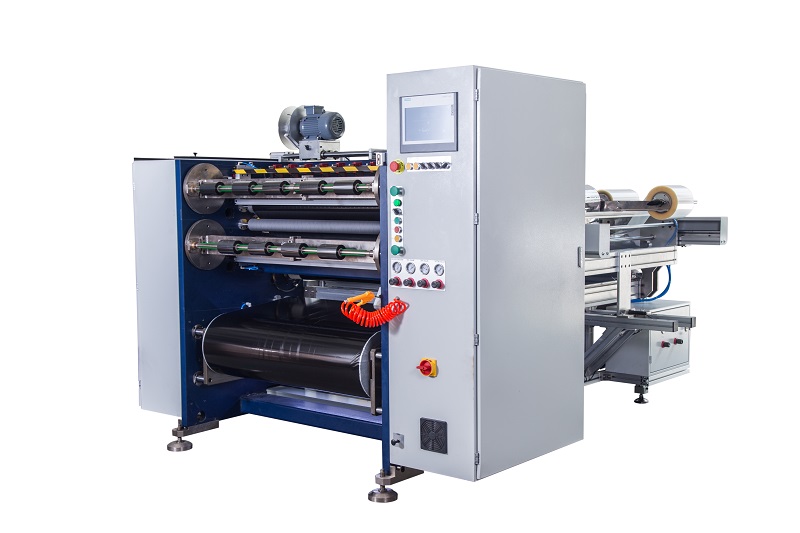 Semi Automatic Thermal Transfer Ribbon Slitting Machine RSDS5 PLUS
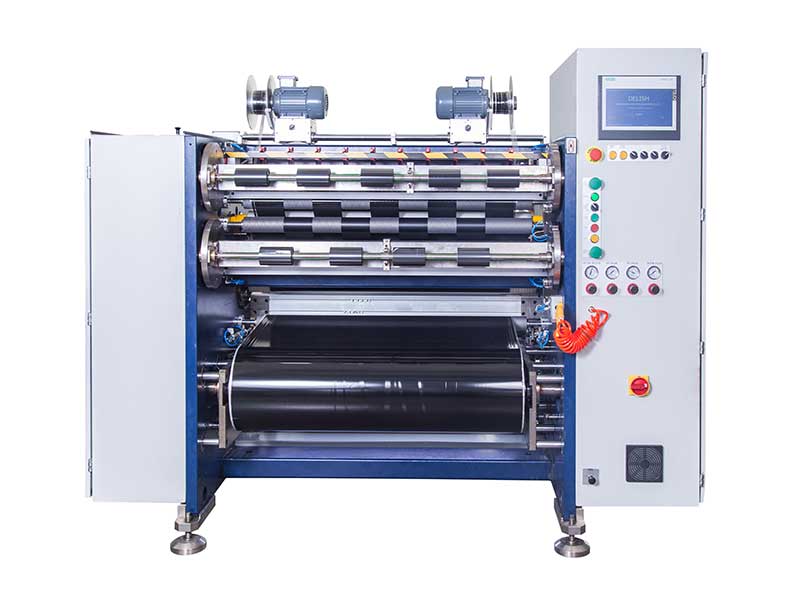 TTR Slitting Machine