
In the processing process of PET film, the slitting process often faces a difficult problem - dust. The fine dust generated during slitting not only affects the workshop environment, but also directly leads to film surface pollution, electrostatic adsorption of impurities, product yield loss, and even damage to the slitting blade. For applications with extremely high cleanliness requirements such as optical films, electronic protective films, and high-end packaging films, the dust problem is an insurmountable red line.
So, how to achieve dust-free slitting of PET film? This article provides a complete set of response ideas from dust sources, impact mechanisms to system solutions.
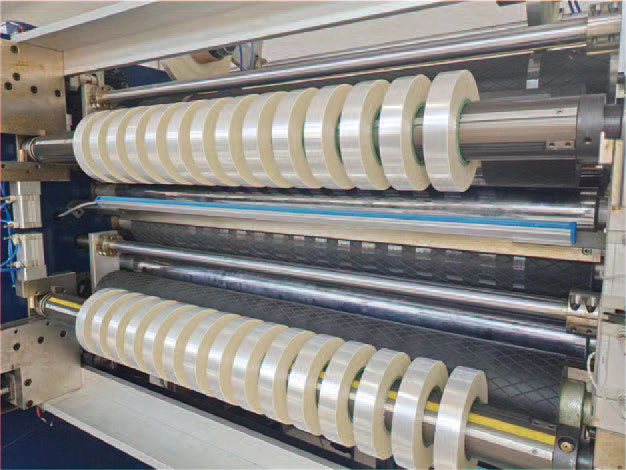
1. Where does the dust come from?
PET film slitting dust mainly comes from the following aspects:
1. Cutting chips of the film itself: The circular slitting knife rubs against the film at high speed, producing micron-sized PET chips during the cutting process.
2. Electrostatic adsorption:P ET film has good insulation, and the dust floating in the air is adsorbed after friction is activated, and the more it accumulates.
3. Blade wear: The cutting is not crisp after passivation, resulting in brushing and burrs, and the amount of chips is multiplied.
4. Rewinding/unwinding friction: The film is in contact with the guide roller and pressure roller, generating grinding dust.
2. Limitations of traditional methods
Many manufacturers have tried the following methods, but the results are limited:
• Ordinary vacuum cleaner: can only suck up some large particles, and fine dust will still float.
• Overall purification of the workshop: high cost and inability to solve the dust produced at the slitting point from the source.
• Frequent blade cleaning: Downtime affects efficiency, and treatment of symptoms does not address the root cause.
True dust-free slitting needs to be implemented from four dimensions: dust suppression, dust suction, anti-static, and tool optimization.
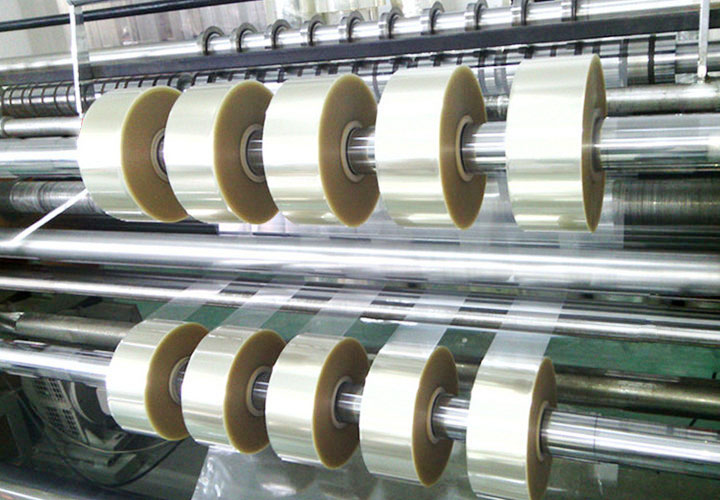
3. Dust-free slitting solution
1. Precision Tool System: Reduces dust generation at the source
• Using ultra-fine carbide circular knife: sharp cutting edge, small cutting resistance, smooth cross-section, and more than 50% reduction in chip volume.
• Precise control of upper and lower cutter clearance: adjust to 0.01–0.03mm to avoid squeeze cutting.
• In-line automatic sharpening device: keeps the blade always sharp, preventing burrs and dust from dull knives.
2. Negative pressure vacuum cover: instant suction at the slitting point
The follow-up closed vacuum hood is designed at the upper and lower knife meshing positions, close to the slitting point, and the dust generated is instantly pumped away by using high negative pressure (-20kPa or more). Key design takeaways:
• The suction port width is slightly larger than the film width.
• Flat fan-shaped nozzle structure for enhanced airflow capture efficiency.
• The air volume can be adjusted to avoid airflow disturbance and film deviation.
3. Static Elimination System: Prevents dust from "sticking" to the membrane
• AC or pulsed DC ion rods are installed before and after slitting to eliminate static electricity on the film surface (target: ≤±300V).
• Equipped with electrostatic monitoring sensors, real-time feedback and automatic adjustment of ion output.
• Grounding conductive rubber rollers assist in conducting static electricity.
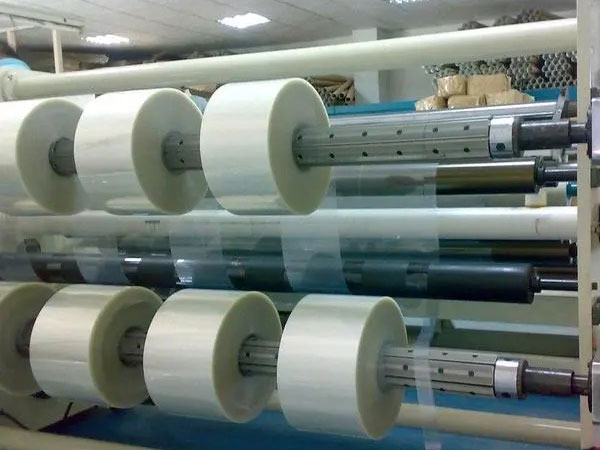
4. Clean guide rollers and closed paths
• Use ceramic or Teflon-coated guide rollers to reduce frictional dust production.
• The membrane running path is as closed as possible to form a micro-positive pressure clean cavity, and the external air is filtered by HEPA and fed, and the internal dust is continuously discharged.
5. Centralized dust collection system
• Three-stage filtration: cyclone (large particles), →baghouse (medium particles), → HEPA filter (0.3μm particulate efficiency 99.97%).
• The exhaust air can be reused in the workshop to reduce energy consumption.
4. Reference for implementation effect
The dust concentration in the original slitting workshop of an optical film enterprise is about 0.8mg/m³, and the number of particles on the surface of the product (≥10μm) exceeds 500 per square meter. After adopting the above dust-free slitting scheme:
• Workshop dust concentration is reduced to less than 0.05mg/m³.
• The number of particles on the surface of the film is reduced to ≤50/m².
• 2x longer blade life and 15% faster slitting speed.
5. Selection suggestions
If your PET film slitting machine needs to be renovated or newly purchased, it is recommended to pay attention to the following points:
| Level of demand | Recommended Scheme | Applicable scenarios |
| Foundation dustproof | Negative pressure vacuum hood + ordinary round knife | Ordinary packaging film |
| Intermediate clean | Vacuum hood + ion rod + precision round knife | Electronic protective film, tape |
| Premium dust-free | Fully enclosed cavity + HEPA cycle + electrostatic closed-loop control | Optical film, polarizer, release film |
Epilogue
PET film slitting dust is large, which is not unsolvable. The key is to start from the dust generation mechanism, combined with precision tools, instant suction, static elimination and clean path design to achieve systematic dust-free. For high-end film manufacturing enterprises, investing in dust-free slitting solutions is not only a quality guarantee, but also a ticket to enter the high value-added market.
If you're struggling with slitting dust, start with a knife and a hood, and the results are often immediate.
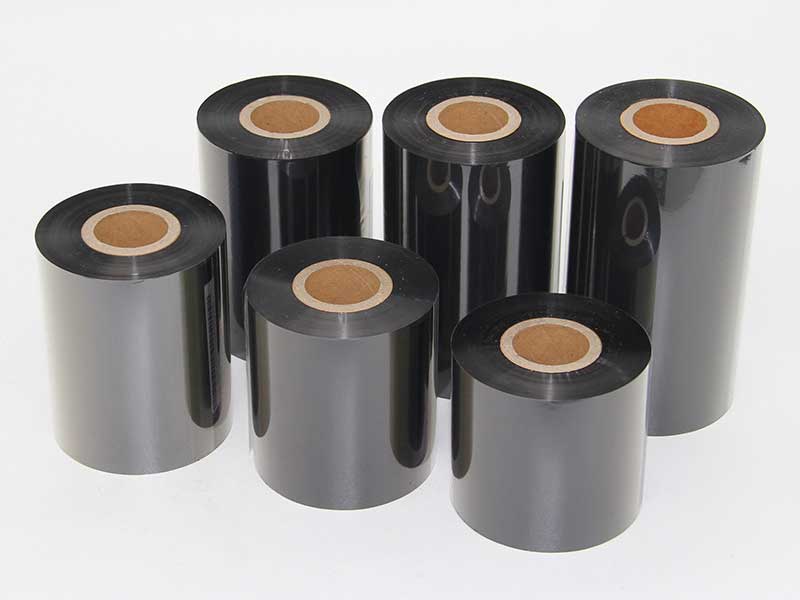 Considerations for selecting ribbon slitting machine equipment
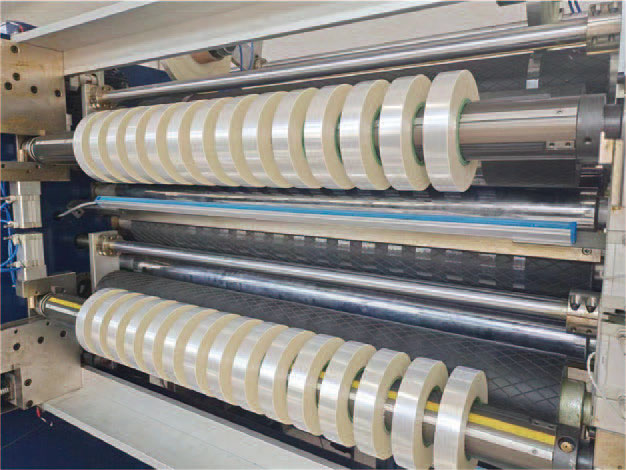 Key points for purchasing a PET film slitting machine
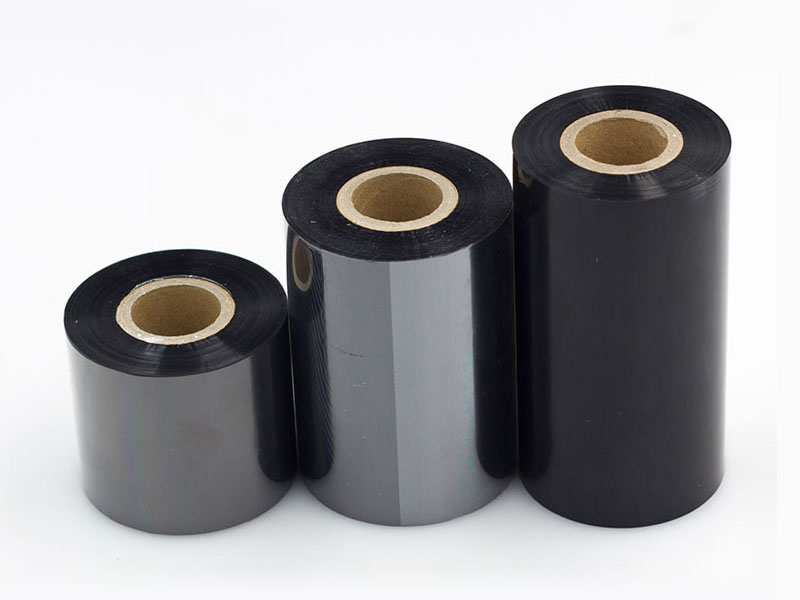 Core factors affecting the quality of ribbon slittingHow to select a film slitting machine? The key is to look at these five points
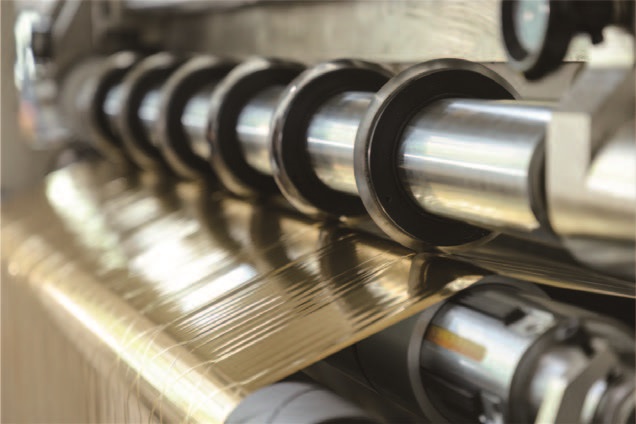 What is the difference between hot stamping foil slitting machines and ordinary film slitting machines?


 English
 Deutsch
 Français
 Español
 Português
 日本語
日本語 русский
 한국어
한국어 عربي
عربي ภาษาไทย
 Tiếng Việt
 Italiano
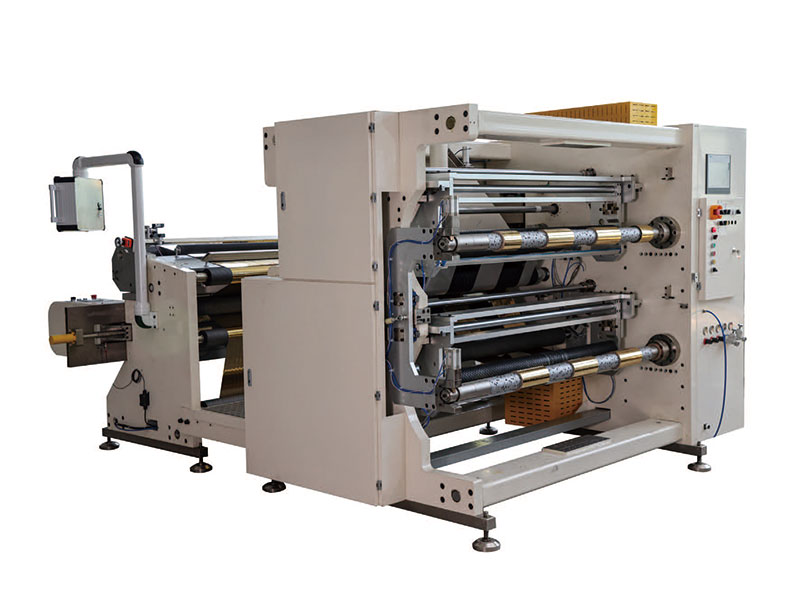 1400mm Hot Stamping Foil Slitting Machine
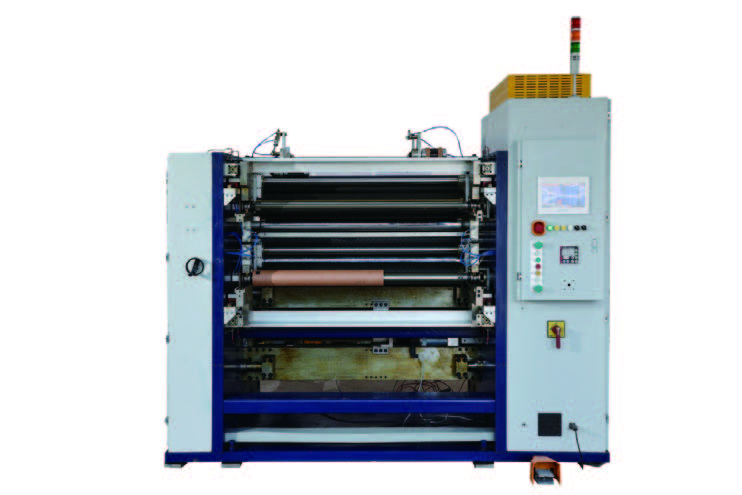 New Energy Ultra-thin Film Slitting Machine For Capacitive Film
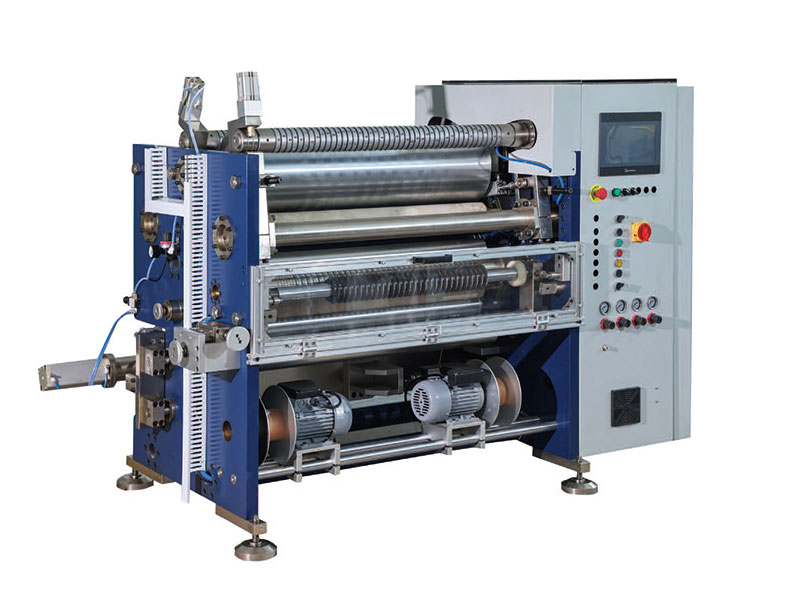 800mm Hot Stamping Foil Slitting Machine
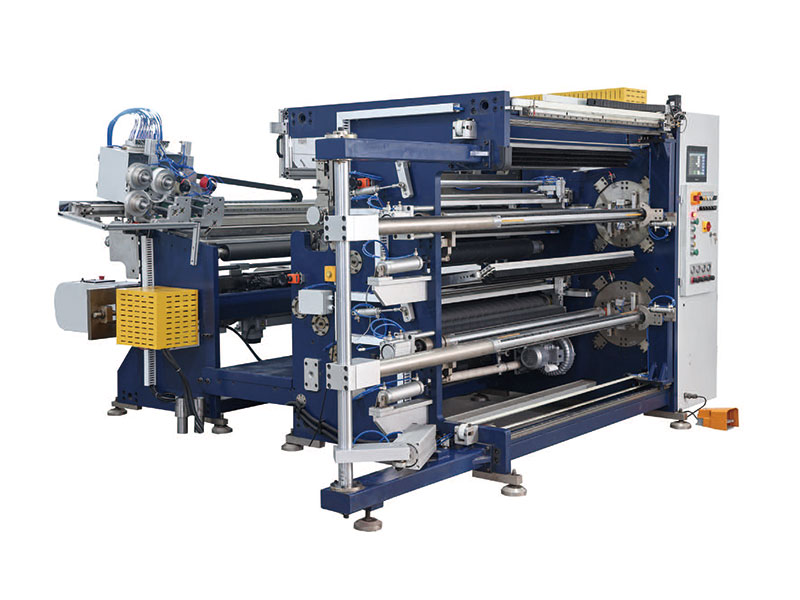 1350mm Hot Stamping Foil Slitting Machine