
In the production and processing of thermal transfer ribbons, the slitting machine is the key equipment for slicing large coils of master coils into the specifications required by customers. However, slitting burrs and uneven winding are the two most troublesome problems in the operation site. Once it appears, it will not only affect the yield, but also lead to increased wear on the cassette and print head during printing. This article will provide a set of systematic solutions for these two major problems, from root cause to practice.
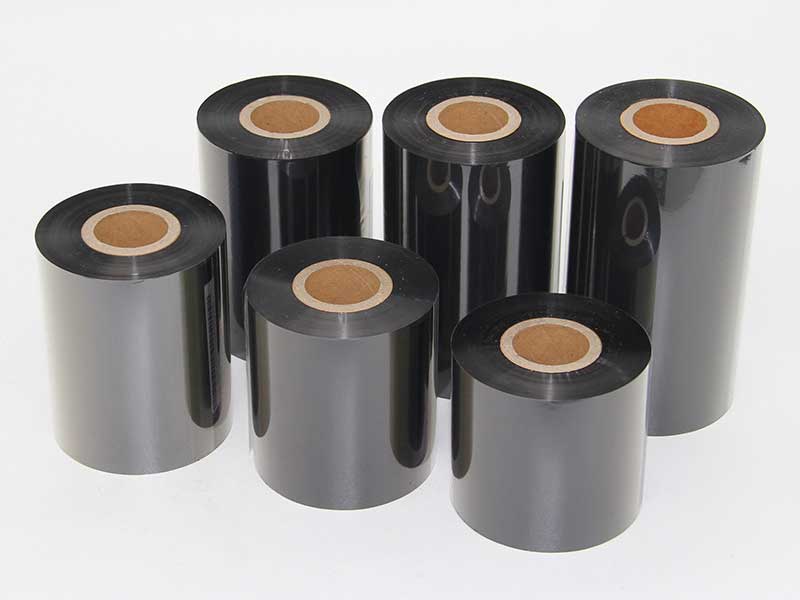
1. Cutting burrs: the incision is not smooth and produces dust
Burrs appear as jagged edges of the ribbon, white powder falling off, or uneven adhesion to the incision. Common causes and elimination methods are as follows:
1. Round blade passivation or notched
• Phenomenon: The incision is whitish and has a brushed feel.
• Exclusion: Use a magnifying glass to check the knife edge. It is recommended to sharpen lightly once a shift for ordinary white steel knives, and replace carbide knives every 100-150 hours of work. Note: The overlap amount of the left and right blades should be controlled at 0.05-0.1mm, too much will cause indentation, and too small will continue to cut.
2. Improper knife pressure and angle
• Phenomenon: There is a clear imprint on the back of the ribbon (coated surface), or the fibers are cut.
• Exclusion: Adjust the overlap between the upper and lower knives. For 4.5μm thin substrates, the knife pressure should be adjusted to just cut; for substrates with thickness of 6μm or more, the pressure can be appropriately increased. The lateral gap between the upper and lower knives should be kept at 0.02-0.03mm, which can be calibrated with a feeler gauge.
3. Tension fluctuations cause running knives
• Phenomenon: The burr is intermittent, good and bad.
• Exclusion: Check whether the brake pads of the unwinding reel are unevenly worn and whether the pressure of the floating roller cylinder is stable. It is recommended to control the unwinding tension at 8-12N (fine-tuning according to the width and thickness of the ribbon), and confirm that the guide roller rotates flexibly and without jamming.
4. Electrostatic interference
• Phenomenon: The edge of the ribbon absorbs dust, and the cut is rough.
• Elimination: Install the static elimination rod (AC type is sufficient) at the over roller of the slitting machine, and ensure that the grounding resistance of the equipment is less than 4Ω.
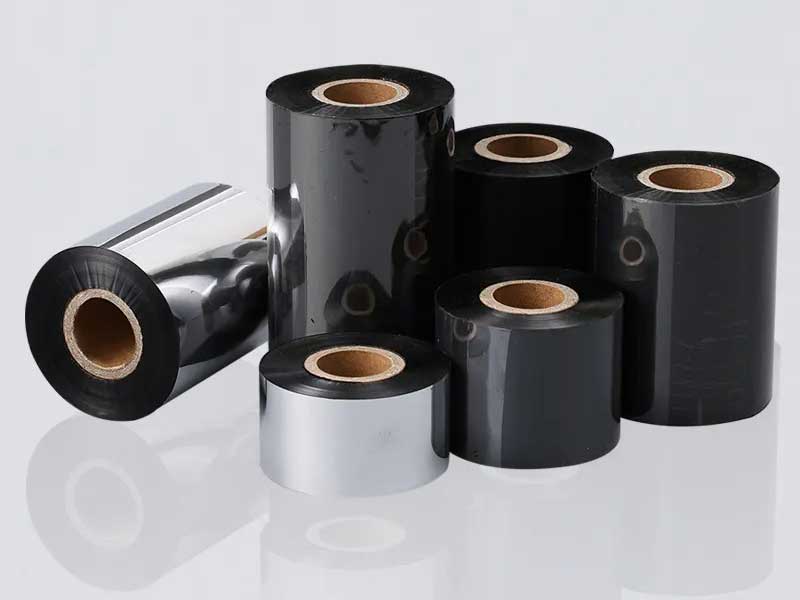
2. Uneven winding: the end face is staggered, tower-shaped, and the elasticity is different
Uneven winding not only affects the aesthetics, but also leads to inaccurate length measurement during subsequent slitting. The following are countermeasures against different uneven patterns:
1. The winding end face is "bell" or "tower-shaped"
• Reason: The winding tension taper is set unreasonably, or the winding shaft is not parallel to the guide roller.
• Exclusion:
◦ Check whether the topping force of the winding shaft is consistent (can be detected by torque wrench).
◦ Adjust the winding tension curve: For the winding core with an outer diameter of 300mm, the starting tension is set to 12N, the end is reduced to 8N, and the tension taper coefficient is set to 0.3-0.5.
◦ Use a level to calibrate the parallelism between the winding shaft and the slitting tool seat guide rail, and the error should not exceed 0.2mm/m.
2. Local bulge or "burst tendon"
• Reason: The thickness of each ribbon after slitting is inconsistent (master coil thickness tolerance), or the pressure of the rewinding roller is uneven.
• Exclusion:
◦ Change to the center + surface composite winding method, that is, while the winding shaft is driven, the rubber press roller lightly presses the coil core with the set pressure.
◦ For strips with poor thickness, a separate layer of tissue paper gasket can be added as compensation.
3. Rewinding deviation (serpentine)
• Cause: The guide roller is not level, or there is unilateral resistance in the path between the slitting knife and the take-up shaft.
• Exclusion:
◦ Check all guide rollers for glue or toner and clean with alcohol.
◦ Use the ultrasonic correction system: Install the sensor at the outlet of the slitting knife and set the edge detection accuracy ± 0.2mm.
◦ Make sure that the position of the divider (or spacer) between the strips is fixed, and the width is 2-3mm wider than the carbon band.
4. Loose winding or wrinkled inner layer
• Cause: The initial winding tension is too small, or the core tube is deformed.
• Exclusion:
◦ Pre-wind 2-3 turns at low speed (20-30m/min) at start-up, and apply an initial tension lift (20% higher than the running tension) to make the inner layer tight.
◦ The core pipe must use ABS or aluminum pipe with a wall thickness of ≥ 3mm, and the chamfer at both ends is free of burrs.
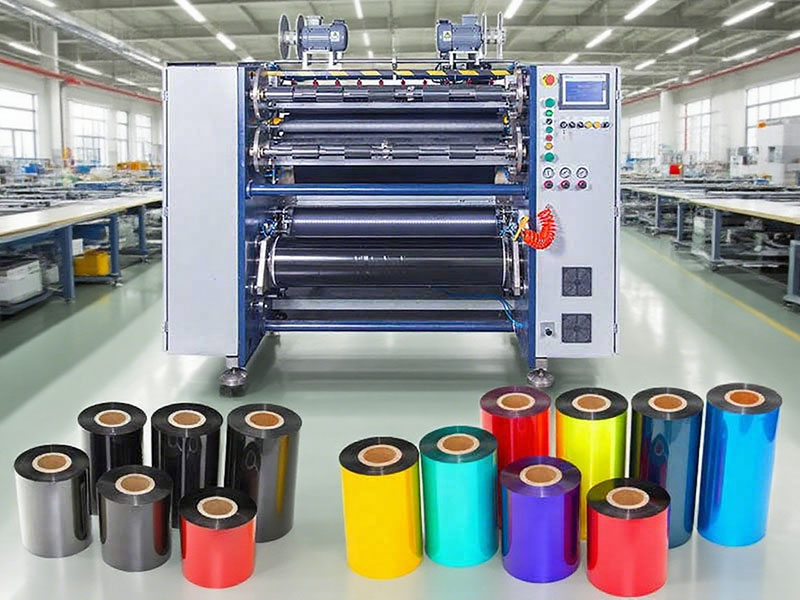
3. Solve the comprehensive adjustment process of burrs and uneven winding at the same time
When two problems arise at the same time, it is often not a single cause. It is recommended to troubleshoot in the following order:
1. Static first and then move: In the stopped state, check the parallelism of the tool group, guide rollers, and rewinding shaft.
2. Knife first and then force: replace or grind the circular knife first to eliminate mechanical cutting problems; Then adjust the tension of unwinding, traction, and winding step by step.
3. Sample verification: Take a 200-meter master roll and try slitting at 80% of the normal speed. observe the winding end face 100 meters before the machine and stop the machine to check the incision; The last 100 meters look at the changes at high speed.
4. Record parameters: Make the blade specification, tension value, and winding roller pressure of each type of ribbon into a tag and stick it next to the equipment to facilitate quick production change.
4. Preventive maintenance suggestions
• Every shift: clean the toner on the tool holder and guide roller, and check whether there is any chipping of the circular knife.
• Weekly: wipe all rollers, especially the surface of the rubber rollers, with denatured alcohol; Check whether the tightening sleeve of the retracting shaft is slipping.
• Quarterly: Replace the circular cutter bearing, calibrate the equipment level.
Epilogue
The "burrs" and "uneven winding" of the ribbon slitting machine are essentially the coupling problems of the two systems of cutting accuracy and tension control. By accurately adjusting the knife set, scientifically setting the tension taper, and supplemented by static electricity elimination and correction devices, most faults can be solved within 30 minutes. Remember one principle: stability overrides everything – whether it's blade condition, tension fluctuations or guide roll cleanliness, maintaining repeatability of process parameters is key to long-term failure avoidance.
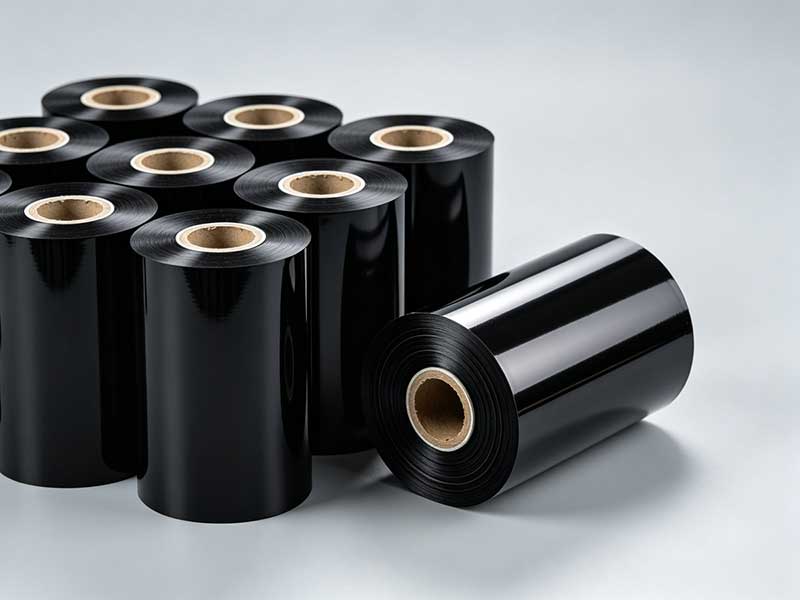
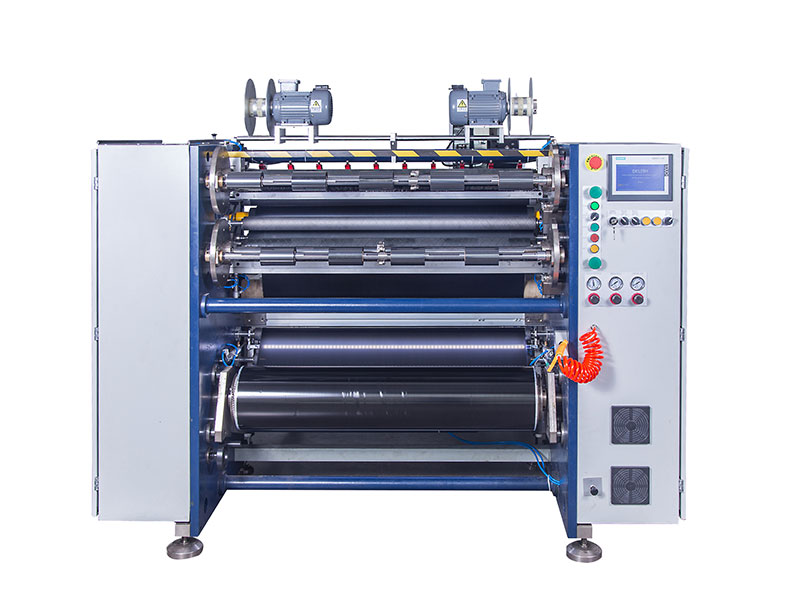 Can a barcode ribbon slitting machine cut and thermal transfer ribbons?
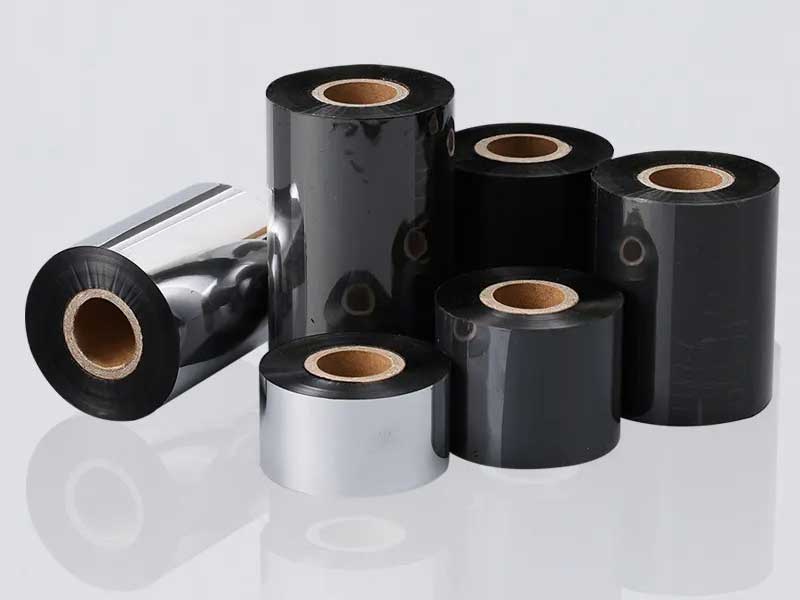
 What ribbon materials are suitable for the barcode ribbon slitting machine?
 How to propose customized requirements for barcode ribbon slitting machines?How to choose a barcode ribbon slitting machine? Core Features and Key Selection PointsThe ribbon slitting machine for the barcode printer is suitable for ribbon types


 English
 Deutsch
 Français
 Español
 Português
 日本語
日本語 русский
 한국어
한국어 عربي
عربي ภาษาไทย
 Tiếng Việt
 Italiano
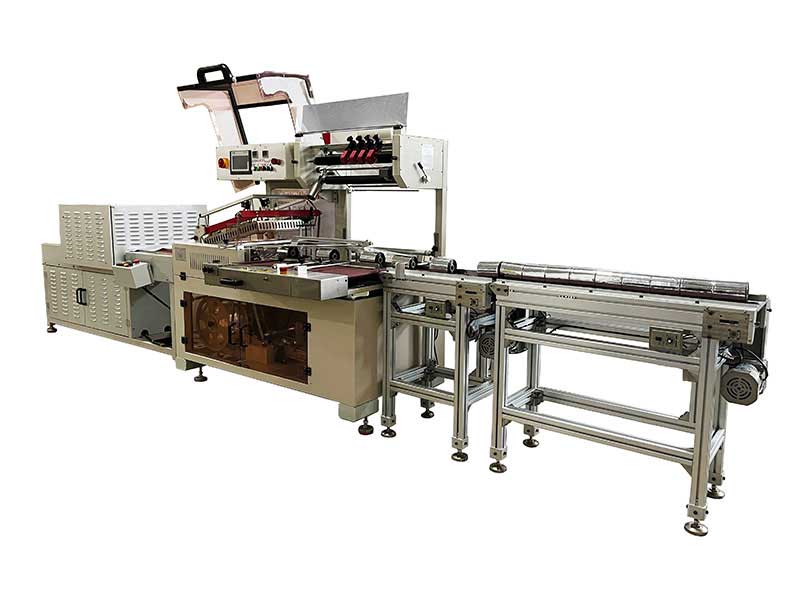 Thermal Transfer Ribbons Packaging Machine
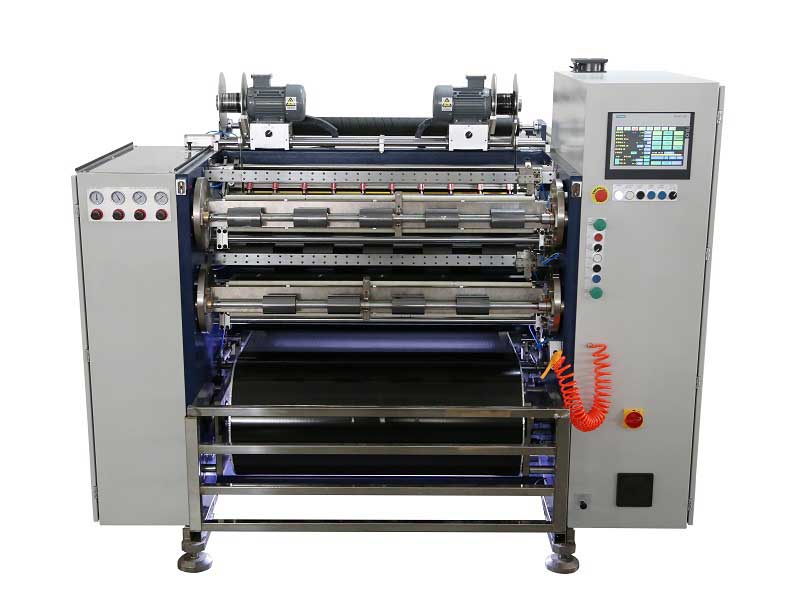 Automatic Thermal Transfer Ribbon Slitting Machine RSDS8 H PLUS
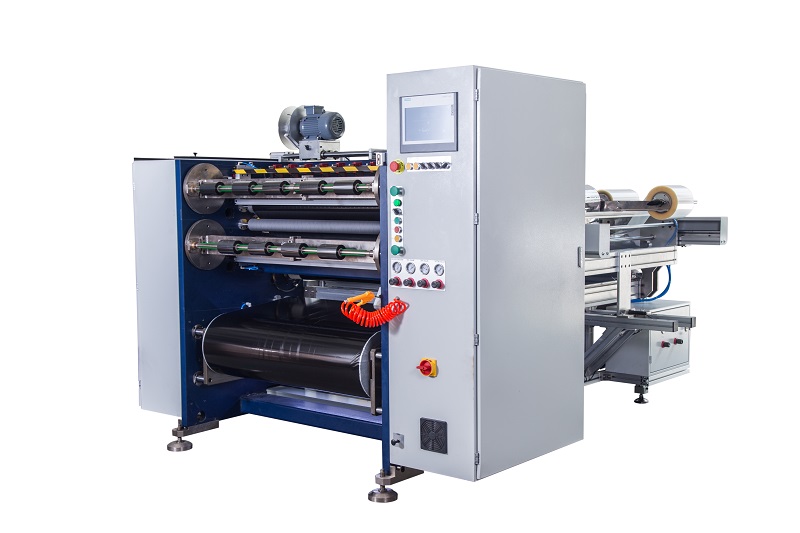 Semi Automatic Thermal Transfer Ribbon Slitting Machine RSDS5 PLUS
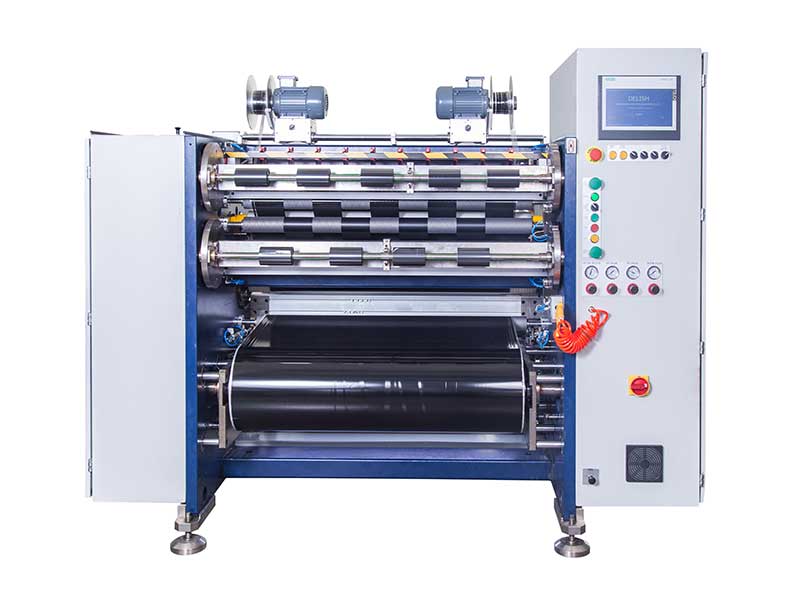 TTR Slitting Machine