
1. Introduction: Precision is competitiveness
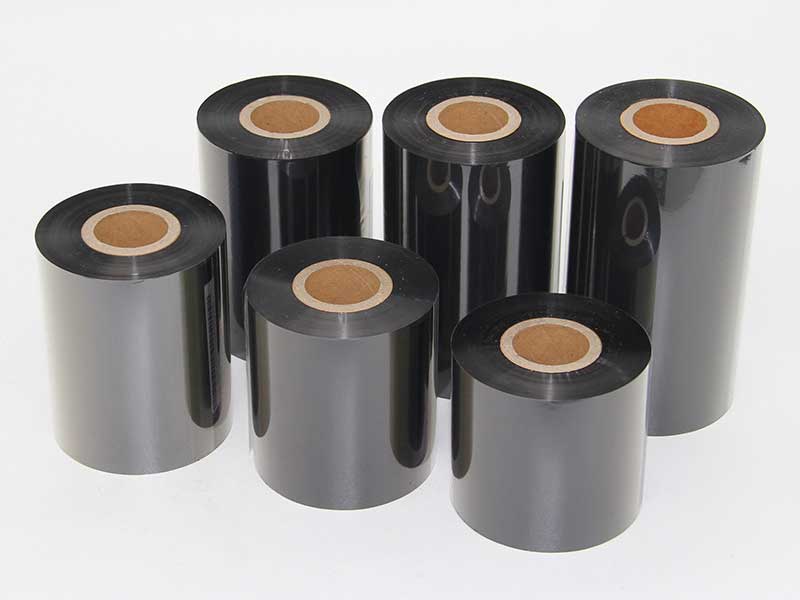
As a core consumable in fields such as barcode printing, logistics labels, and electronic component identification, ribbons (thermal transfer ribbons) have slitting accuracy that directly determines the final printing quality—whether the barcode is clear, whether the print head is damaged by burrs, and whether material utilization meets standards. The ribbon is made by laminating PET substrate with a thermally sensitive coating, with a thickness of only 4-20μm. Its lightweight and soft properties make it extremely sensitive to tension, tool tool, and feeding stability during slitting.
Currently, industry slitting accuracy is generally around the ±0.1mm level, with a defect rate of about 3%-5%. In contrast, applications such as high-end anti-counterfeiting tags, medical identification, and RFID electronic tags have tightened their tolerance requirements to ±0.05mm or even less. Research shows that improving slitting accuracy from ±0.1mm to ±0.05mm can reduce the defect rate to below 0.5%, resulting in significant economic benefits. Achieving this leap requires advancing from four major system dimensions: tension control, tool systems, deviation correction and positioning, and mechanical rigidity.
2. Tension Control: The "Soul of Stability" for Precision
Tension is the most critical variable in ribbon slitting and the root cause of most precision issues. Ribbons are extremely sensitive to tension: excessive tension causes the PET base film to stretch, causing the width to shrink after slitting and resulting in inaccurate dimensions, which in severe cases can lead to coating peeling and powder shedding; If the tension is too low, the material becomes loose and wrinkled, uneven rolling, and the cut edges become serpentine.
Traditional slitting machines mostly use magnetic powder clutches or mechanical friction discs to control tension, resulting in slow response and large fluctuations (up to ±10%), making it difficult to meet high-precision requirements. The key to achieving a precision breakthrough lies in three-stage independent closed-loop tension control:
• Unwinding zone: Tension decreases as the coil diameter decreases to prevent material stretching and deformation;
• Slitting zone: maintains constant tension to ensure the cut is neat;
• Rewinding Zone: Uses a "taper decreasing" strategy to automatically reduce tension as the diameter increases, preventing the outer layer from being overly tight and crushing the inner layer.
Through real-time feedback from the tension sensor and dynamic adjustment by the PLC via PID algorithm, tension fluctuations can be controlled within ±0.5N, compressing the fluctuation rate from ±10% to ±1%. Additionally, different ribbon materials require matching differentiated tension parameters: wax-based ribbons are suitable for low tension (3-5N), mixed ribbons require medium tension (5-8N), and resin-based ribbons require higher tension (8-12N).
3. Blade System: The "Last Mile" of Edge Cutting Quality
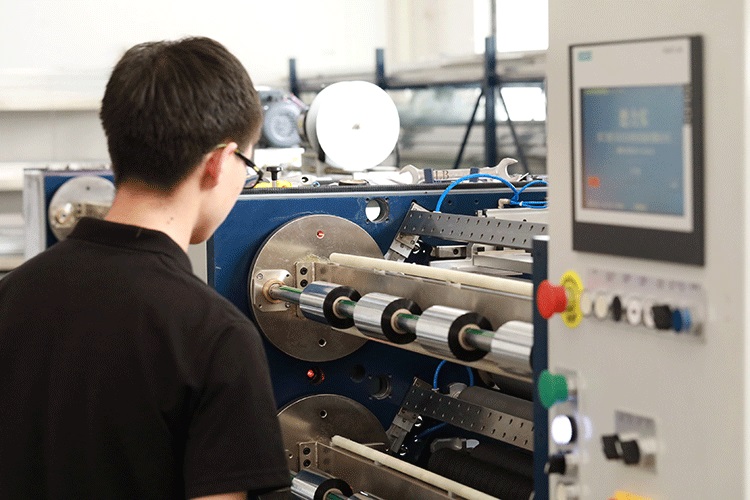
Even if tension control is perfect, if the cutting system is not up to standard, issues such as burrs, flanging, and coating peeling will still occur at the slitting edges. Ribbon slitting should pursue "shear cutting" rather than "squeeze cutting"—the latter is a typical feature of passivated tools and leads to edge stretching and deformation.
Tool optimization requires attention to three aspects:
(1) Material and lifespan management. Cemented carbide round cutters are suitable for most scenarios and have a lifespan of about 800-1200km; Diamond-coated knives are suitable for special ribbons with silicon/metal coatings, with a lifespan of over 2000km. Establish tool replacement records and regularly check the degree of edge wear to avoid progressive accuracy loss.
(2) Assembly accuracy. The overlap between upper and lower blades should be controlled between 0.01-0.03mm, requiring microscopic calibration; too little overlap can cause tearing, excessive friction and heat can cause burrs. Using laser tool setters or automatic tool setting systems ensures micron-level assembly accuracy.
(3) Auxiliary technology. Ultrasonic vibrating blades (20-40kHz) can reduce cutting resistance and are suitable for high-viscosity resin-based carbon ribbons; The cold air jet system blows cold air at -10°C at the blade edge, preventing the resin material from being hot-melted and drawn.
4. Correction and Material Offset: Eliminate "serpentine" deviations
Even if tension and tool are stable, if the ribbon deviates during feeding, the slitted strip will still twist in a "serpentine" shape, uneven in width. The value of the correction system lies in real-time monitoring and instant correction.
High-end models are equipped with CCD line array cameras or high-precision photoelectric sensors, with detection accuracy up to 1μm, and when combined with servo motor-driven correction mechanisms, response times are less than 5ms. For high-end applications such as ultra-narrow strips (width ≤3mm) or RFID tags, models with correction accuracy ±0.05mm and tool runout ≤ 0.005mm should be selected.
The mechanical foundation of the feeding system should not be overlooked: all guide rollers must undergo high-precision dynamic balancing tests to ensure parallelism; Any radial runout or axis misalignment can cause the material to swing laterally. In addition, high-speed ribbon slitting (up to 300-500m/min) easily generates static electricity, causing the substrate to absorb dust or stick to the tool. Installing an active static elimination rod can effectively reduce interference.
5. Mechanical Rigidity and Environmental Control: Micron-Level "Base"
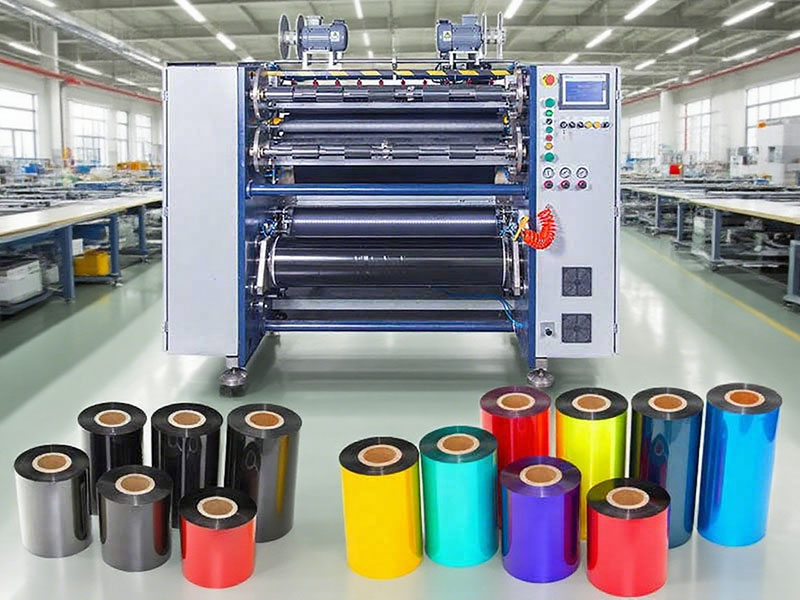
When precision targets enter the micron level, mechanical rigidity and environmental factors become indispensable.
Mechanical Level: Uses C-grade or higher-precision linear guides and ball screws (axial clearance ≤0.05mm) to ensure no return stroke error during tool post movement; independent servo motors drive axial displacement of the tool holder, eliminating positioning errors caused by screw backlash.
Environmental aspect: Temperature fluctuations can cause thermal expansion and contraction of materials. A constant temperature workshop (temperature fluctuations within 1°±C) is a basic requirement for high-precision slitting. Active vibration damping bases (air springs or magnetic levitation isolation) can reduce ground vibration conduction.
6. Intelligence: From "Experience-Based Setup" to "Automatic Parameter Optimization"
Traditional slitting machines rely heavily on the experience and debugging of experienced craftsmen, while modern equipment is rapidly evolving toward intelligence:
• One-click change: Remembers the optimal parameters for different ribbon specifications (tension, speed, tool distance), switching time < 1 minute;
• Online detection: Real-time monitoring of slitting width via laser diameter gauge or video microscope, automatic adjustment of cutter distance (accuracy ±2μm);
• AI defect detection: Online scanning of ribbon coating uniformity, automatic marking of pinholes, bubbles, and other defects, integrated with MES system for full-process traceability.
7. Conclusion
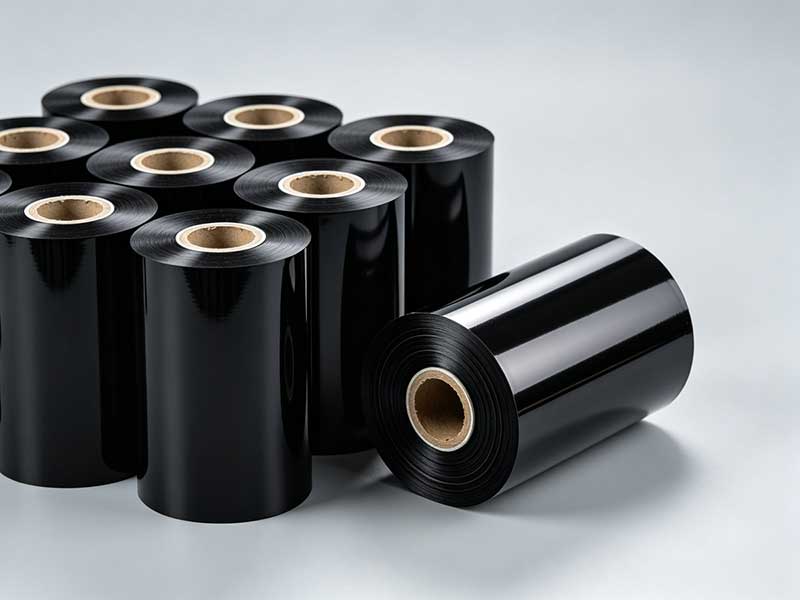
The improvement in the precision of ribbon slitting machines is not just an upgrade of a single component, but the collaborative optimization of five major systems: tension control, tool system, correction and positioning, mechanical rigidity, and intelligent control. From ± 0.1mm to ±0.05mm, and then to the micron level (≤10μm), every step means an exponential drop in scrap rates and a significant increase in material utilization. For ribbon manufacturers, systematic advancement of precision improvement is not only a practical need for cost reduction and efficiency improvement, but also a strategic choice to enter the high-end application market.
 Fully automatic ribbon slitting machine: efficient, stable, and labor-saving
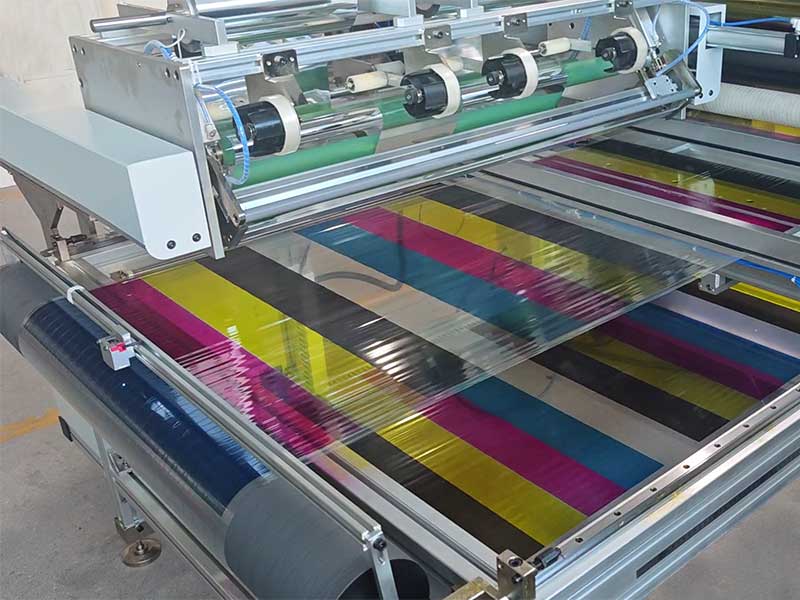 How to choose a color ribbon slitting machine? Three core parameters to understand
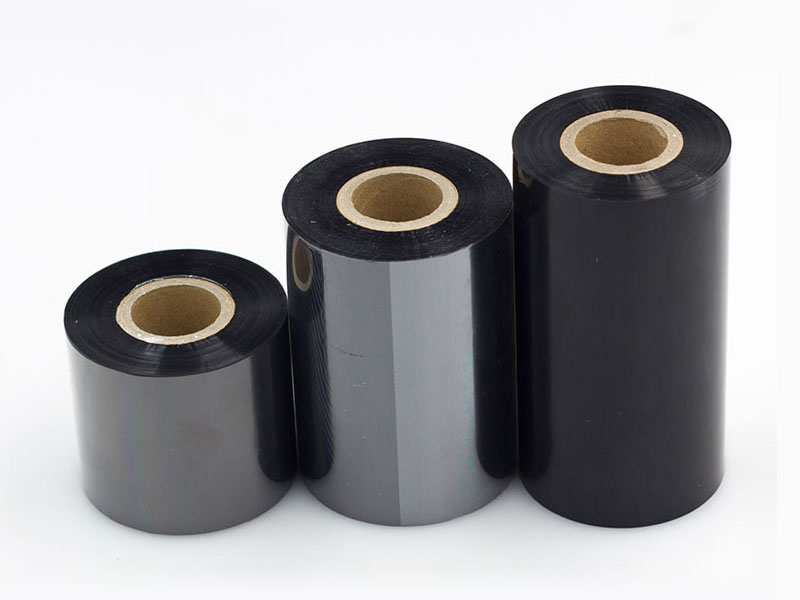 Detailed explanation of the meter-counting shutdown function of the ribbon slitting machineIntroduction to the automatic offset correction function of the ribbon slitting machineProduction efficiency improvement plan for ribbon slitting machines


 English
 Deutsch
 Français
 Español
 Português
 日本語
日本語 русский
 한국어
한국어 عربي
عربي ภาษาไทย
 Tiếng Việt
 Italiano
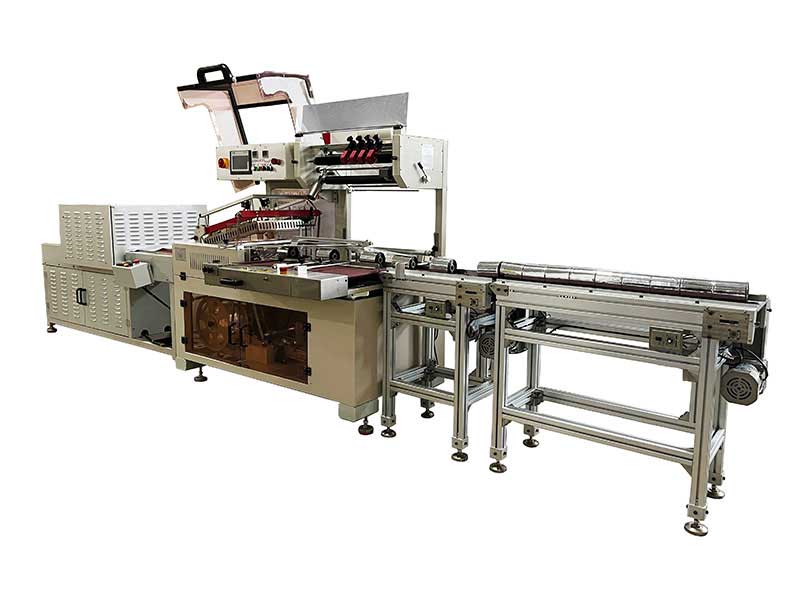 Thermal Transfer Ribbons Packaging Machine
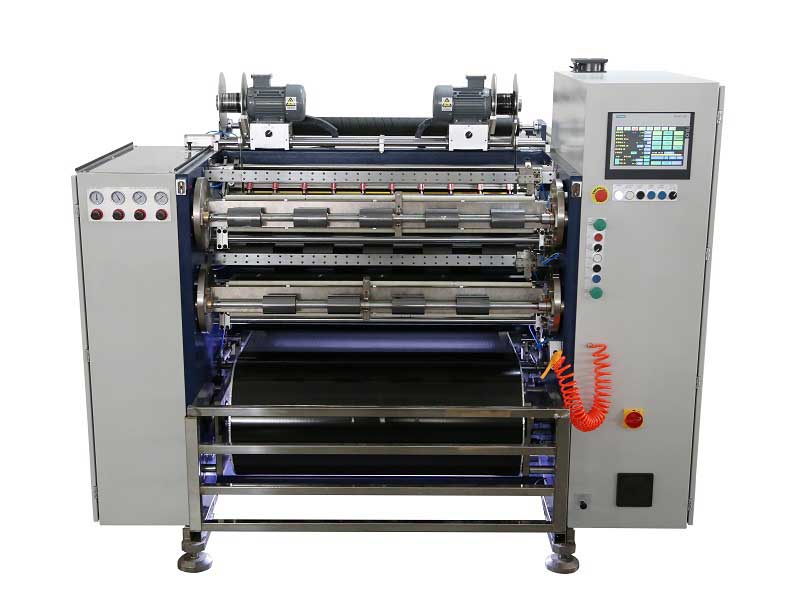 Automatic Thermal Transfer Ribbon Slitting Machine RSDS8 H PLUS
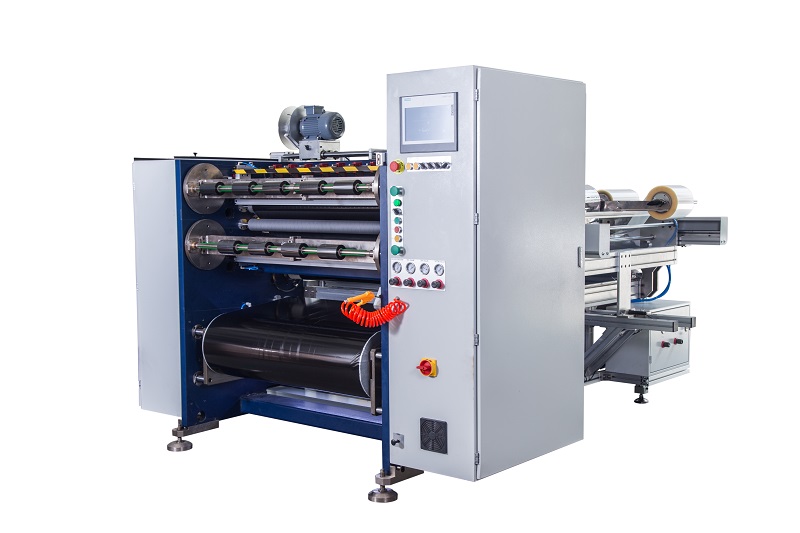 Semi Automatic Thermal Transfer Ribbon Slitting Machine RSDS5 PLUS
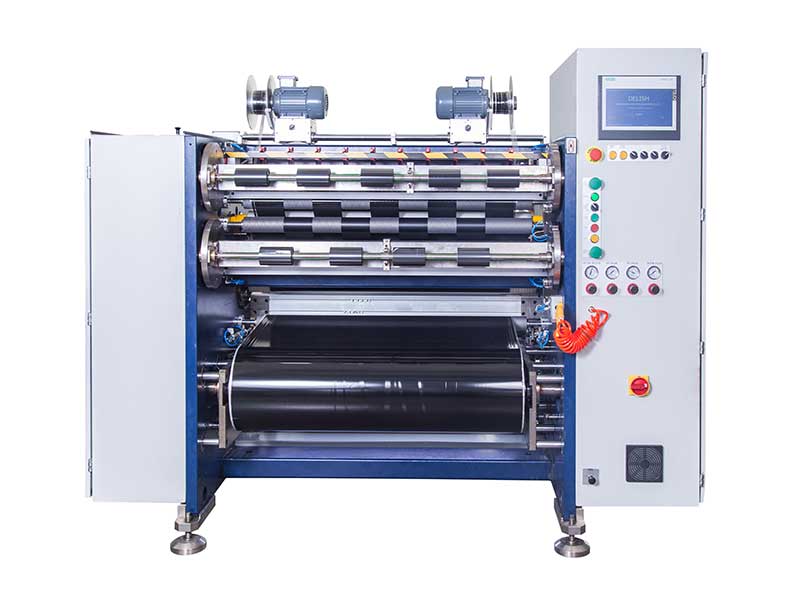 TTR Slitting Machine