
Introduction
If you work with hot stamping foil, you already know the truth: the final quality of your stamping depends largely on what happens before the foil ever reaches the press. The slitting stage—where jumbo rolls are converted into finished widths—is where precision is either won or lost. As the industry saying goes, “30% hot, 70% cut.”
Hot stamping foil is typically only 12–30μm thick, composed of multiple layers including a PET base film, release layer, color layer, aluminum coating, and adhesive. This delicate structure makes it extremely sensitive to tension fluctuations, mechanical vibration, and even ambient conditions. When slitting machines run at 200–400 m/min with accuracy requirements of ±0.1mm, small issues compound quickly into expensive waste.
This guide covers the most common problems you will encounter with hot stamping foil slitting machines and provides practical, field-tested solutions. Whether you operate a slitting line or source slit rolls from a supplier, understanding these failure modes helps you protect quality and reduce downtime.
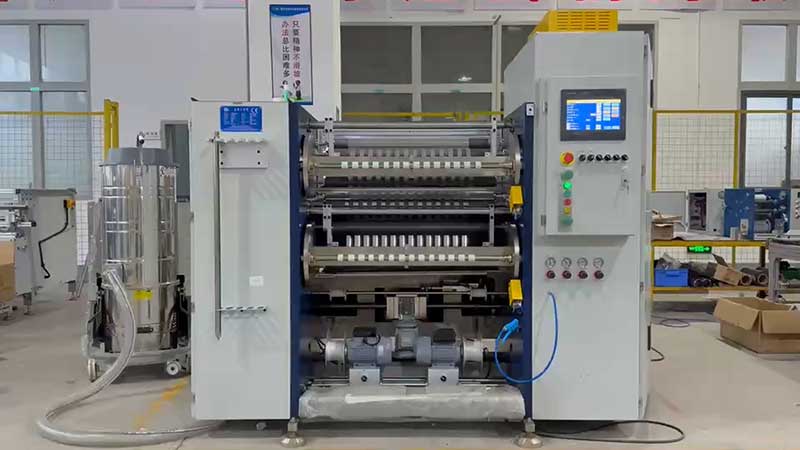
1. Burrs and Rough Edges: The Most Frequent Complaint
What it looks like: The slit edge shows filamentous burrs, a sawtooth pattern, or visible debris shedding. The foil surface may also attract powder that interferes with subsequent stamping.
Why it happens: Burrs almost always trace back to one of four sources—blade condition, tension instability, static electricity, or roller surface issues.
How to solve it:
Start with the blades. Dull or chipped blades are the primary culprit. A worn blade no longer cleanly shears the foil; it tears, creating micro-cracks along the edge that later expand into burrs or full breaks. Check for edge chipping and measure the overlap between upper and lower blades—typically 0.5–1.5mm depending on foil thickness, with thinner materials using the lower end of that range. Lateral clearance between blades should be 0.03–0.08mm, roughly the thickness of one sheet of A4 paper. For foil under 12μm, aim for the tightest tolerance possible: just cut cleanly without squeezing.
Stabilize tension. Unstable tension is the most commonly overlooked hidden cause. When unwinding tension fluctuates, the foil strip wanders slightly in the cutting zone, producing wavy or irregular edges. Check whether your unwinding brake or tension controller is holding steady. A simple test: run at low speed (10–20 m/min) and observe whether all slit strips feel equally tight. If the middle strips are tight and the edge strips are loose, the leveling roller angle or taper setting needs adjustment.
Eliminate static. Hot stamping foil is built on a plastic film substrate, and high-speed friction generates static electricity that attracts foil dust and debris to the cut edge. Install static elimination bars or ionizing air nozzles before and after the cutter, and verify that machine grounding resistance is below 4Ω.
Clean and inspect rollers. Foreign objects or adhesive buildup on roller surfaces create uneven local pressure. Wipe guide rollers with a clean, lint-free cloth and check for embedded particles that could score the foil surface.
2. Foil Breakage: When Production Stops
What it looks like: The foil strip tears or breaks during slitting, forcing the line to stop. This wastes material, kills productivity, and often happens repeatedly once it starts.
Why it happens: Many operators instinctively adjust tension when foil breaks. But tension is only one of four likely sources. Checking them in order solves over 90% of breakage incidents.
How to solve it:
Check the blade first. A dull blade does not cut—it tears. The resulting edge cracks propagate under tension until the strip fails completely. If the blade edge feels dull or shows nicks when you run a finger lightly along it (carefully!), replace it. Also verify blade overlap—typically 0.05–0.1mm for hot stamping foil—and lateral pressure, which should be even across the width.
Inspect guide rollers and foil rollers. Scratches, foreign matter, or adhesive buildup on roller surfaces act like tiny blades, repeatedly scraping the foil. Bearing sticking creates drag that makes the foil “slip” and snap under tension. Manually rotate each guide roller to check for smooth movement, and clean surfaces with an appropriate solvent.
Test the static elimination system. Static buildup causes the foil to adhere to rollers or the machine frame, creating irregular resistance that can instantly break the strip. When running at low light, look for blue-violet sparks where the foil leaves a roller. Check whether the static bar has accumulated dust and lost effectiveness, and verify the high-voltage power supply and grounding.
Then examine the tension system. If the first three checks pass, investigate tension sensors (covered in dust or mechanically stuck), magnetic powder clutches/brakes (aging causes nonlinear torque output), and taper settings. A clutch that performs normally at low speed but breaks foil after acceleration is a classic sign of magnetic powder degradation.
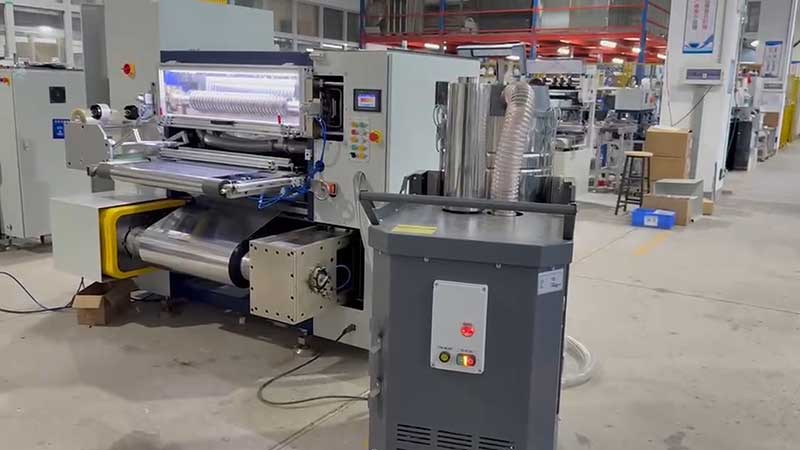
3. Edge Misalignment and “Tower” Rolls
What it looks like: During slitting or rewinding, the foil strip drifts laterally. The finished roll end face appears tower-shaped or bell-shaped, and edges may collide and damage the foil.
Why it happens: The edge correction system, guide roller parallelism, or unwinding alignment is compromised.
How to solve it:
Start with the correction sensor. Photoelectric and ultrasonic probes are frequently blocked by dust or foil fragments—a common “blind spot” that makes the correction system effectively blind. Clean the probe lens regularly and position it at the midpoint of the foil edge. Set a dead zone of about ±1mm to prevent constant, nervous corrections.
Verify guide roller parallelism. Non-parallel rollers push the foil sideways. Use a laser alignment tool or wire method to check that roller axes are parallel within 0.2mm/m. Pay particular attention to pressure rollers, traction rollers, and the rollers immediately before and after the cutter.
Check unwinding alignment. The jumbo roll must be centered on the unwinding shaft. If the roll core is off-center or the shaft is not level, the foil feeds at an angle that no amount of downstream correction can fully compensate for.
Examine the blade holder for lateral forces. Asymmetric pressure from the upper and lower blades can push the strip to one side. Check axial clearance of the knife shaft—it should be ≤0.03mm—and ensure the tool holder is arranged symmetrically.
4. Wrinkles and Uneven End Faces on Finished Rolls
What it looks like: The wound roll has a wrinkled surface, interlayer slippage, or an end face that is uneven, dished, or shows “chrysanthemum core” patterns near the core.
Why it happens: This is almost always a tension control problem, specifically insufficient taper tension or incorrect winding pressure.
How to solve it:
Apply taper tension correctly. As the roll diameter grows, maintaining constant tension means the outer layers compress the inner layers, causing wrinkles. Taper tension reduces tension as diameter increases, typically with a taper coefficient of 15–25%. Start with initial tension around 8–12% of the material’s breaking strength and reduce to 40–70% of that value by the end of the roll.
Match roller pressure to roll diameter. Traditional fixed-pressure rollers create a contradiction: as the roll grows, outer tension drops but roller pressure stays high, causing wrinkles. Floating pressure roller mechanisms that adjust position automatically represent the better approach. If your machine has fixed rollers, set pressure at the lower end of the range for large-diameter rolls.
Verify winding tension sensors. Tension sensors or dancer rollers covered in dust or mechanically stuck will feed incorrect data to the controller. Check that the tension display returns to zero when the machine is idle and changes linearly under static load.
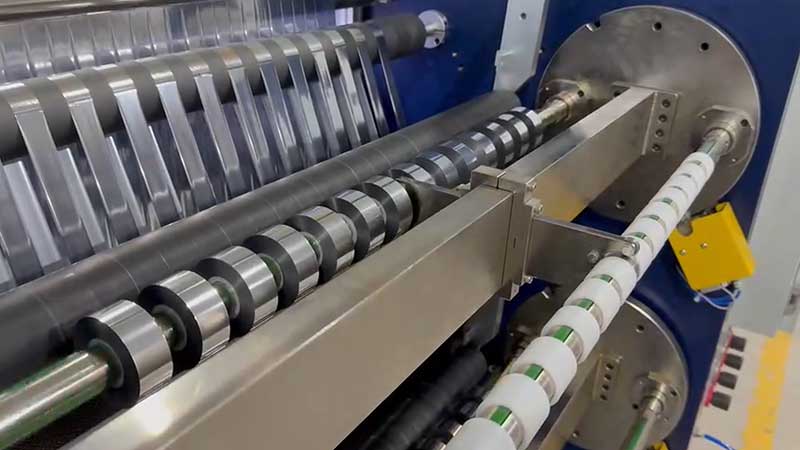
5. Uneven Slitting Width and Dimensional Drift
What it looks like: The slit width is not consistent from start to finish, or the finished roll is not square. One side may be wider than the other.
Why it happens: This usually traces to blade shaft runout, guide roller misalignment, or incorrect tension causing the strip to wander.
How to solve it:
Measure blade shaft runout. This is a precision issue that is easy to overlook. Use a dial indicator to check radial runout of the blade shaft. For high-precision slitting, runout should be within 0.003mm. Bearing wear or a bent shaft will cause the cutting pressure to vary with each rotation, producing wavy or serrated edges.
Check overall material path alignment. Use a tape measure or laser centerer to verify that all guide rollers are parallel to the machine’s reference plane. A difference of more than 0.5mm/m across the width will cause the material to track to one side.
Verify the correction system is working, not just “on.” A correction system that responds sluggishly or overcorrects can cause width variation as the machine hunts for center. Manually trigger the sensor by covering one side and watch whether the alignment roller responds smoothly in the opposite direction.
6. Preventive Maintenance: The Real Solution
Most slitting problems are not sudden failures—they develop over time as blades wear, rollers accumulate debris, and tension components age. A simple maintenance rhythm prevents the majority of emergency breakdowns:
Daily: Clean blades, guide rollers, and sensor lenses. Check for obvious blade chipping.
Weekly: Inspect air systems and transmission components. Verify tension system response. Check static elimination function.
Monthly: Calibrate machine accuracy. Check blade shaft runout and roller parallelism. Inspect magnetic powder clutch/brake performance.
Quarterly: Replace lubricating oil and filters. Review blade life records and replace blades on a scheduled basis rather than waiting for failure.
Keep a simple log of faults, parameters, and material batches. Patterns emerge quickly—a specific foil supplier, a particular tension setting, or a seasonal humidity change that correlates with quality issues.
Conclusion: Precision Is a System, Not a Setting
Hot stamping foil slitting problems rarely have a single cause. A burr might begin as blade wear, worsen because of static attraction, and become a break when tension spikes during acceleration. The operators and manufacturers who achieve the most consistent quality treat slitting as a system: blades, tension, rollers, static control, and material handling all interact.
For businesses sourcing slit hot stamping foil, these same principles matter. A supplier who understands blade geometry, taper tension, and static management produces rolls that run cleaner on your stamping press, with fewer breaks and less downtime. When evaluating foil suppliers, ask about their slitting process and quality control—the answer often explains the difference between foil that merely meets specification and foil that performs.
Have a specific slitting challenge? Our technical team can help you diagnose the root cause and recommend the right solution. [Contact us] for a consultation.
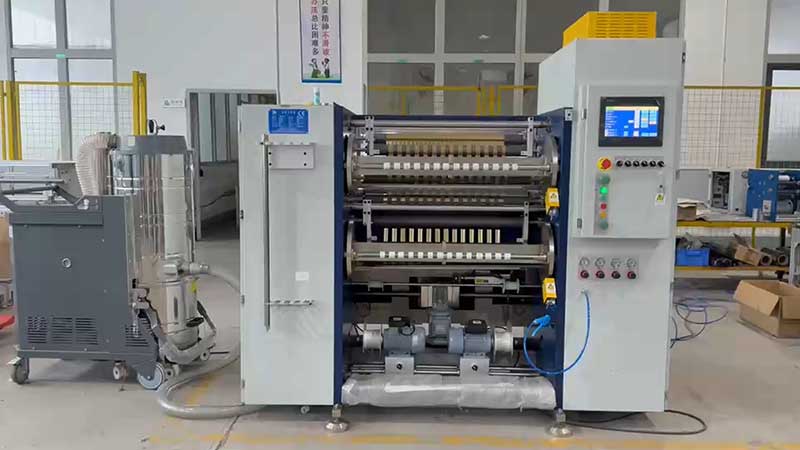 What Specifications Should You Look for in a Hot Stamping Foil Slitting Machine?
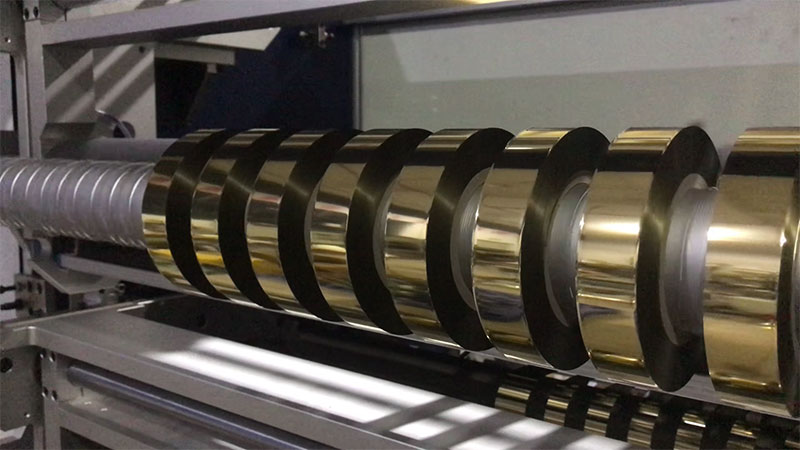 Hot Stamping Foil Slitting Machine Selection Guide: Tension Control Is Key
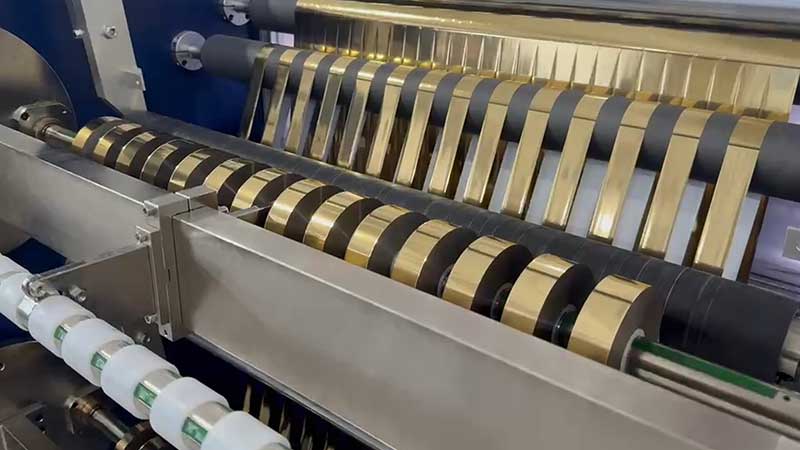 How to choose a hot stamping foil slitting machine? Let's first look at these three parametersSelection of hot stamping foil slitting machines: how to match width and speedSelecting a hot stamping foil slitting machine: how to match width and speed


 English
 Deutsch
 Français
 Español
 Português
 日本語
日本語 русский
 한국어
한국어 عربي
عربي ภาษาไทย
 Tiếng Việt
 Italiano
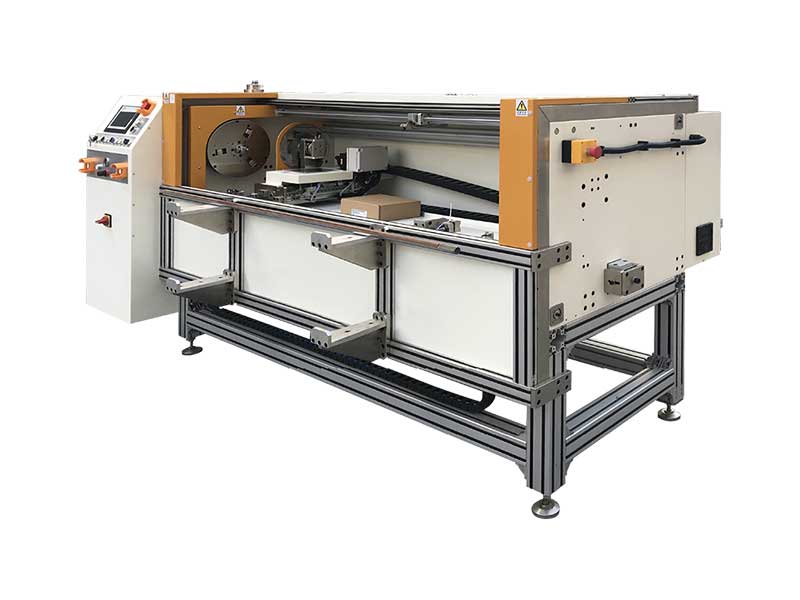 Automatic Foil Roll Cutting Machine
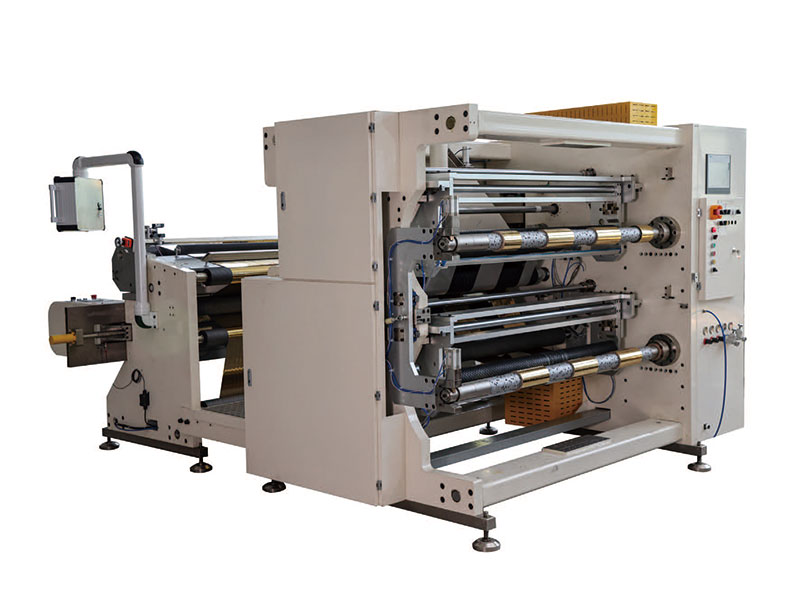 1400mm Hot Stamping Foil Slitting Machine
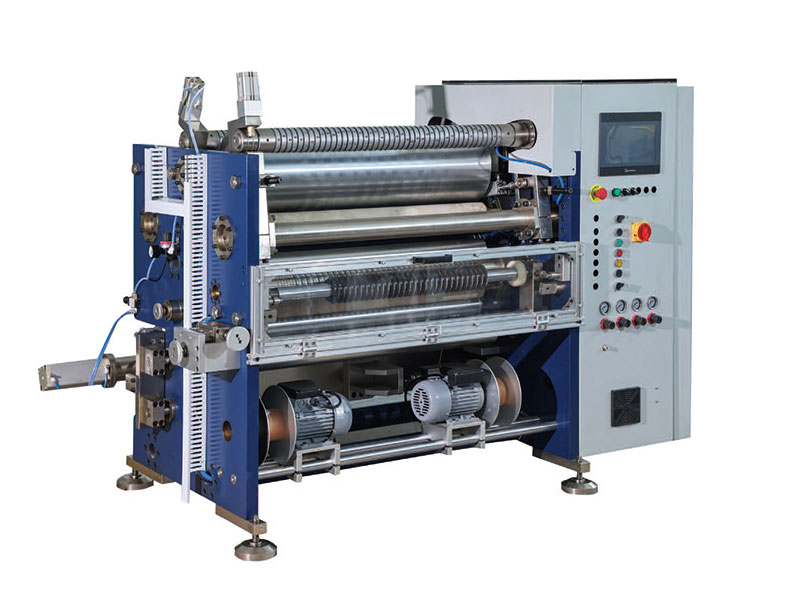 800mm Hot Stamping Foil Slitting Machine
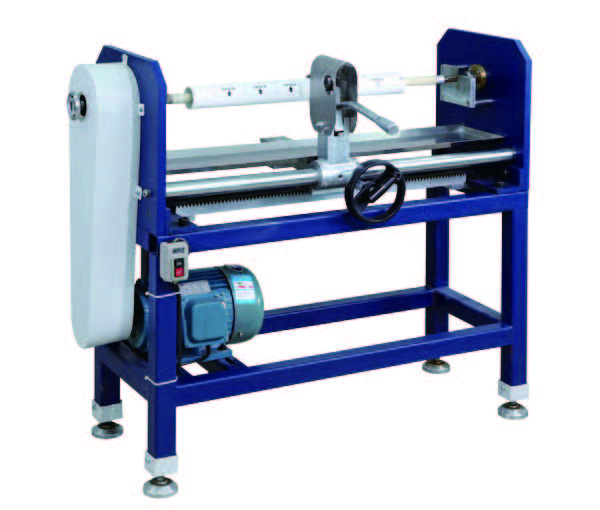 Manual Foil Roll Cutting Machine