
During the slitting process of PET film, film breakage is a headache for many operators. Once the film breaks occurs, it will not only affect production efficiency, but also cause waste of raw materials and even damage equipment blades. There are many reasons for film breakage, among which improper joint handling and speed matching imbalance are the two most common and overlooked key factors. This article will focus on these two aspects and share some practical tips.
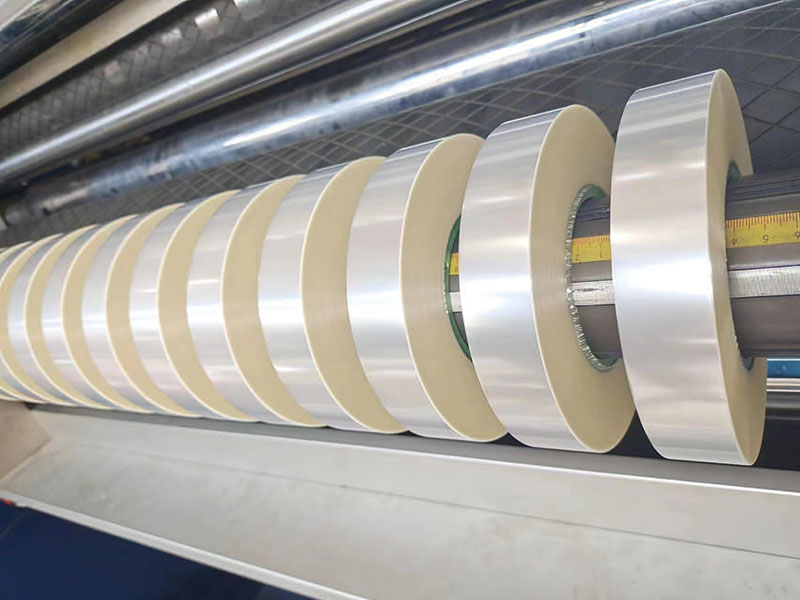
1. Joint treatment: smooth transition to reduce impact
When slitting PET film, if there are joints in the raw material roll itself (such as the splicing points left by the previous process), or if manual film bonding is required during operation, then the joint is the weakest link. If it is not handled well, the slitting machine is easy to break the film here in high-speed operation.
1. The joint method should be correct
• Avoid overlapping joints: Ordinary tape will cause a sudden increase in thickness at the joint, and the blade will be impacted during slitting, which is easy to break the knife or tear the film. It should be butted or mitered.
• Butt method: Align and tighten the ends of the two films, and then use special tape (such as PET high-temperature resistant tape) to paste and fix them on the back. In this way, the thickness of the joint is basically unchanged.
• Miter method: Cut the two sections of film end face into a 45° bevel, and then butt and laminate, the transition is smoother, suitable for high-speed slitting.
2. The selection of tape is exquisite
• Use tape that is compatible with the PET film material, and the width of the tape should be slightly narrower than the width of the film roll to prevent the tape from sticking beyond the edge to the guide roller or tool holder.
• The tape should be pasted flat, without bubbles and wrinkles, otherwise it will cause jumping and breaking the film during slitting.
3. Joint marking and speed reduction
• Mark the joints with eye-catching color stickers for operators to know in advance.
• When the joint passes through the slitting area, it should actively reduce the speed to 50%~70% of the normal speed, and then resume the set speed after the joint passes the blade smoothly. This is the most effective means to avoid joint breakage.
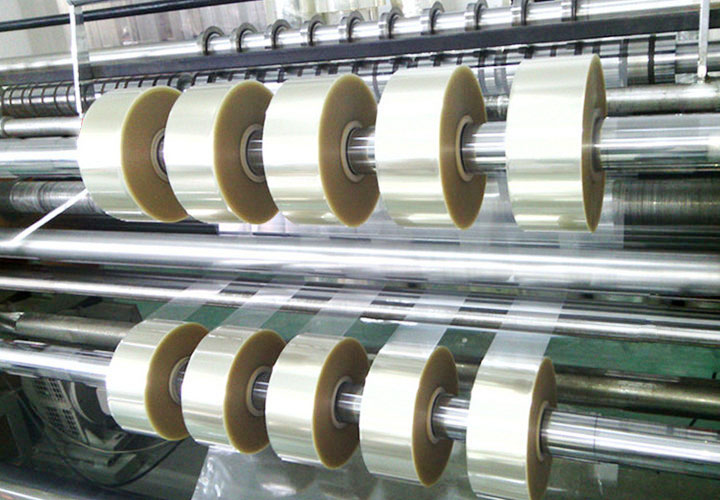
2. Speed matching: the balance between tension and linear speed
PET film has high tensile strength and modulus, but is sensitive to speed changes. The slitting machine is usually driven by multiple motors for unwinding, traction, and winding, and the speed of each section must be precisely matched, otherwise the film will be broken or accumulated and wrinkled.
1. Matching the unwinding tension with the linear speed
• Basic principle: The unwinding tension should gradually decrease with the decrease of the coil diameter, and keep the internal stress of the film constant. Most modern slitting machines are equipped with automatic taper tension control, which requires the initial tension and taper coefficient to be set correctly.
• Speed signal synchronization: The speed of the unwinding motor should follow the linear speed of the host, and adopt the control mode of speed closed-loop + torque limit to avoid unwinding too fast (film relaxation) or too slow (tensile fracture).
2. Speed difference control between traction and rewinding
• The retraction line speed should be slightly lower than the drawline speed to produce the appropriate retraction tightness. However, excessive speed difference will cause the film to be overstretched longitudinally and break.
• It is recommended to control the speed difference between 0.5%~2%, depending on the thickness of the PET film (small value for film and large value for thick film). For example, if the traction speed is 100m/min, the rewinding speed can be set to about 99m/min.
3. Smooth transition of acceleration and deceleration processes
• The acceleration and deceleration stage of the slitting machine when starting, stopping or replacing the coil core is the high incidence period of film breakage. S-shaped acceleration and deceleration curves should be used to avoid stepped speed changes.
• The acceleration and deceleration time is recommended to be set at 10~20 seconds (depending on the performance of the equipment), so that the film has enough time to adapt to the speed change.
4. Speed reference for films of different thicknesses
| PET film thickness (μm) | Recommended slitting speed (m/min) | Speed difference ratio |
| 12~25 | 150~250 | 0.5%~1% |
| 25~50 | 200~350 | 1%~1.5% |
| 50~100 | 250~400 | 1.5%~2% |
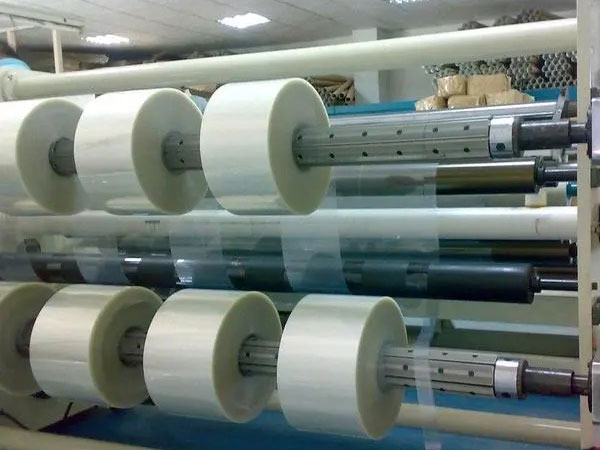
3. Comprehensive suggestions: from operating habits to equipment maintenance
In addition to fitting and speed matching, the following points also help reduce film breakage:
• Check blade sharpness regularly: Dull blades increase film cutting resistance and induce film breakage. It is recommended to check every shift and replace or grind every 8~12 hours.
• Keep the guide rollers clean: Dust and glue stains adhering to the guide rollers will cause film deviation or local tension fluctuations.
• Control the temperature and humidity of the workshop:P ET film is sensitive to humidity, and it is recommended that the ambient temperature is 20~25°C and the relative humidity is 50%~60%, which can reduce the brittleness of the film.
• Operation training: Cultivate the ability of operators to "listen to sound and identify positions" - if there is an abnormally sharp sound or tension fluctuation sound during slitting, it should be quickly reduced for inspection.
Epilogue
The film breakage problem of PET film slitting machine is often not caused by a single cause, but joint handling and speed matching are the two most direct and easy to intervene entry points. The excellent joint process makes the film "not break", and the accurate speed matching makes the film "run steadily and cannot be pulled". I hope the tips in this article can help you effectively reduce the film breakage rate in practice, improve the slitting yield rate and production efficiency.
 Considerations for selecting ribbon slitting machine equipment
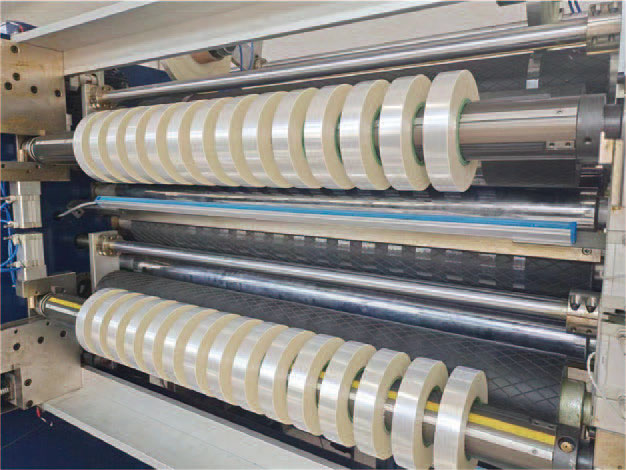 Key points for purchasing a PET film slitting machine
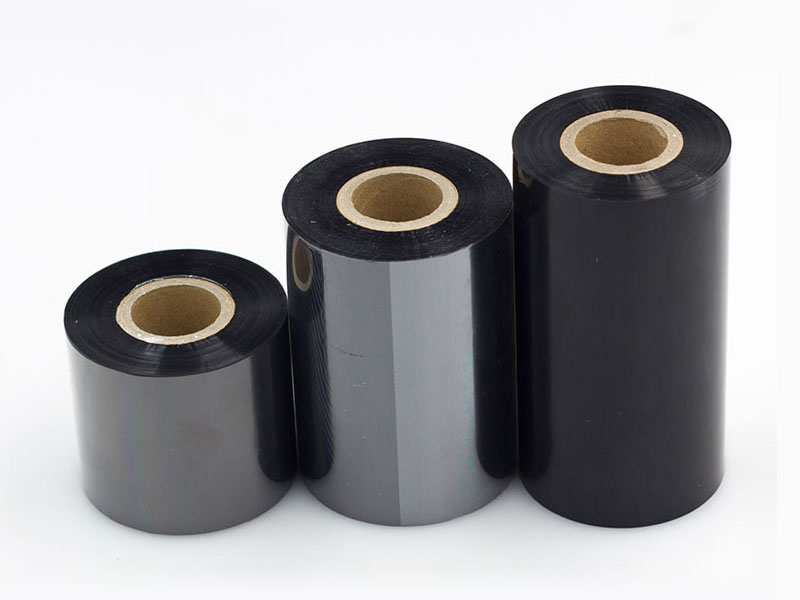 Core factors affecting the quality of ribbon slittingHow to select a film slitting machine? The key is to look at these five points
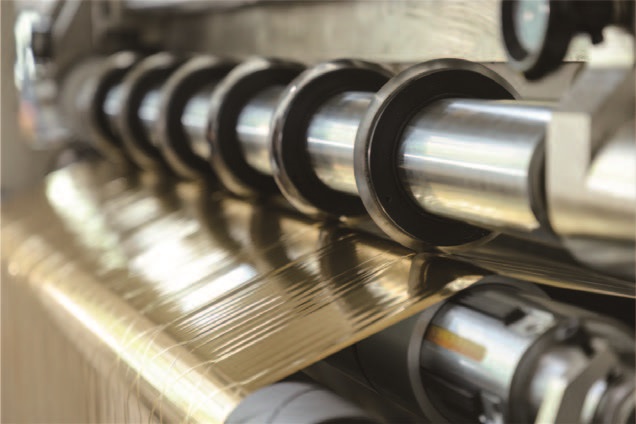 What is the difference between hot stamping foil slitting machines and ordinary film slitting machines?


 English
 Deutsch
 Français
 Español
 Português
 日本語
日本語 русский
 한국어
한국어 عربي
عربي ภาษาไทย
 Tiếng Việt
 Italiano
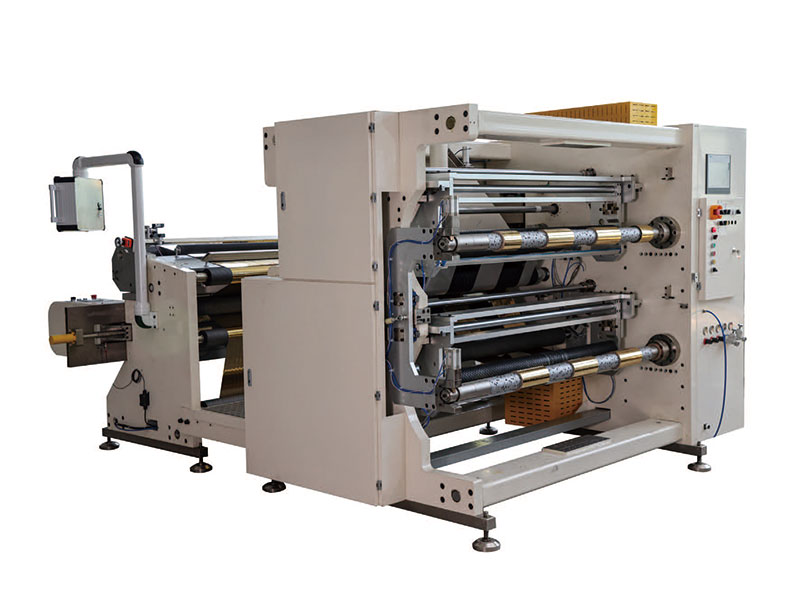 1400mm Hot Stamping Foil Slitting Machine
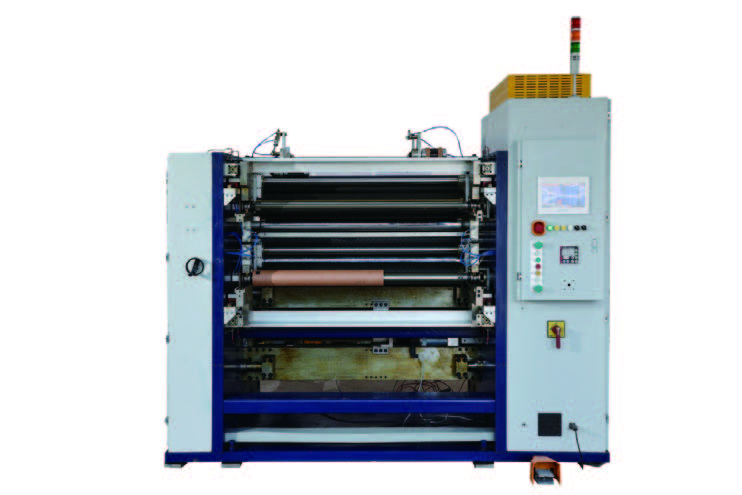 New Energy Ultra-thin Film Slitting Machine For Capacitive Film
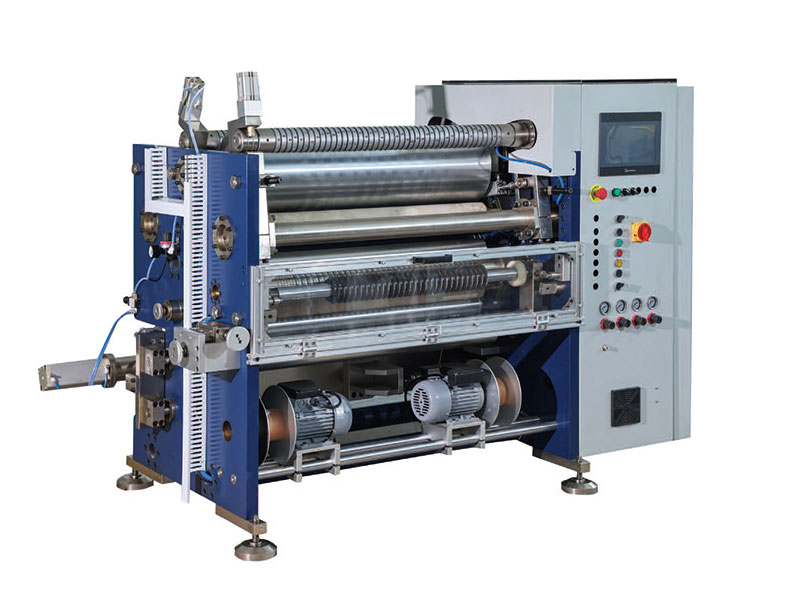 800mm Hot Stamping Foil Slitting Machine
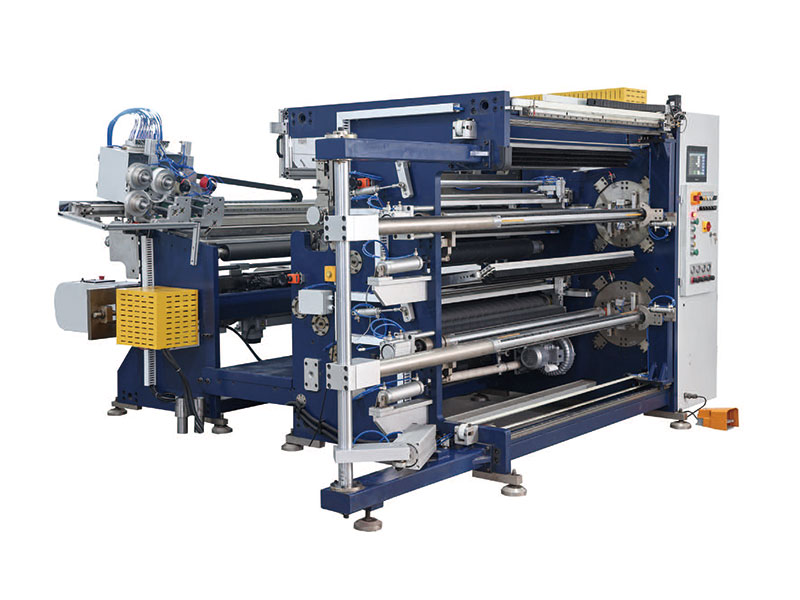 1350mm Hot Stamping Foil Slitting Machine